
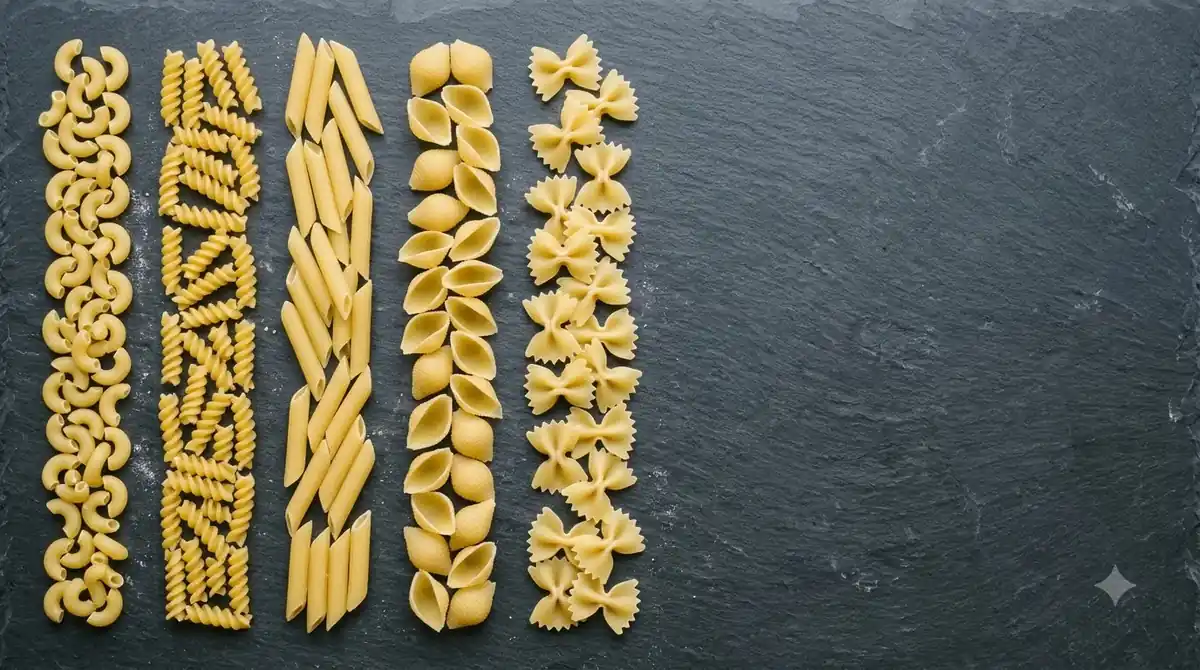

Radiatori pasta is a short, squat Italian shape with ridged, ruffled edges that trap sauce. The name means “radiators” in Italian, which describes its grooves. Its hollows hold heavy, chunky sauces better than long, thin noodles do.
It works best with thick, creamy and chunky sauces. Check the packet for cooking time, because brands list different times.
What Is Radiatori Pasta?
Radiatori is a small, squat Italian pasta with ridged edges that form hollows for sauce. The name means “radiators,” a nod to its look.
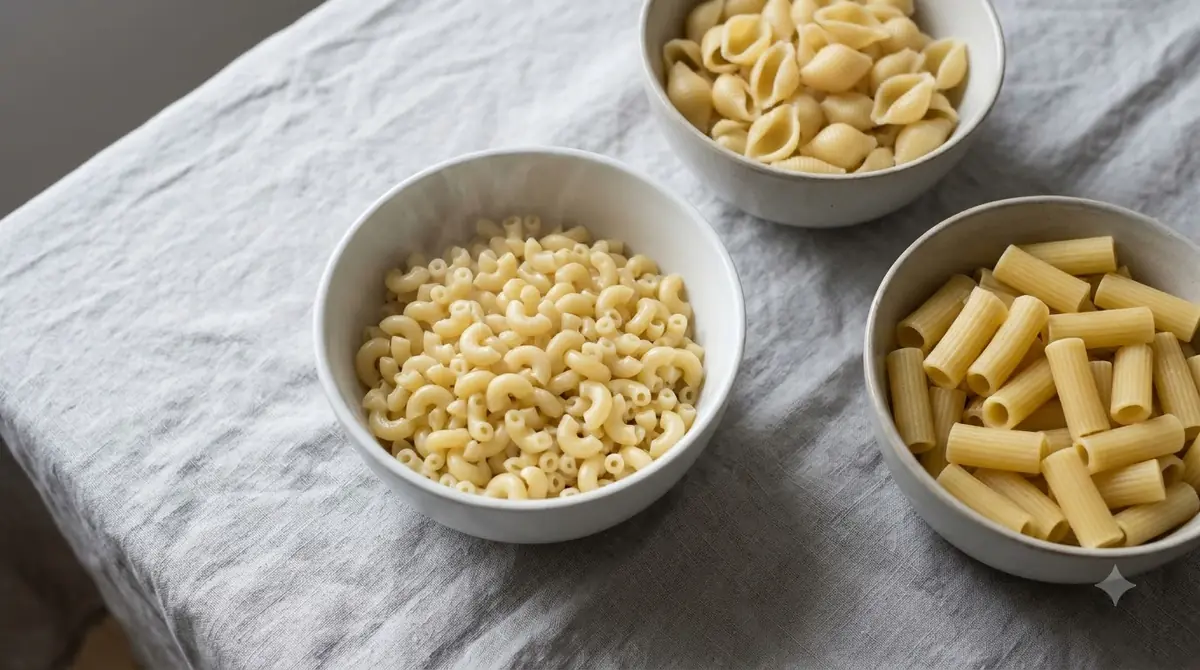
Radiatori pasta is a shape many cooks reach for when a sauce needs something to cling to. Its ridges and hollow center catch heavy sauce and finely chopped ingredients, while long, thin strands let thick sauces slide off.
Dimensions matter when you compare shapes. Rummo’s radiatori product page lists the shape at 25 mm long and 1.3 mm thick, which is short compared with most long pasta.
Major Italian brands, including Rummo, Garofalo and De Cecco, make their own radiatori. Several makers sell the shape, so it is not limited to one brand.
Radiatori pasta is dry pasta, so it is sold in packets and cooked in boiling water like other dry shapes. Each brand sets its own cooking time, which is why the packet is the first place to check before you start.
Where Radiatori Pasta Came From
The origin of radiatori is disputed, and the sources reviewed do not name a confirmed inventor. Two main stories circulate, and both tie the shape to a mechanical object.
One account says the shape was developed between the two World Wars, inspired by mid-century radiators. Another says the name comes from the 1960s grille of a Bugatti car. Tasting Table’s radiatori overview reports both theories without naming an inventor.
The Italian word for radiator is radiatore, and radiatori is its plural. So the pasta name describes the shape directly, whichever origin story is true.
Wikipedia’s entry on radiatori confirms the name as the Italian word for radiators. For a home cook, the origin matters less than the shape, because the ridges work the same way whatever the story.
Radiatori vs Other Shapes
Radiatori and fusilli are close cousins, but radiatori is shorter and thicker with ruffled edges, so it grips heavier sauce.
Compare the shapes on the criteria that change your dinner most: how the pasta looks, how it holds sauce, and which dishes it suits.
| Shape | Look | Sauce hold | Best use |
|---|---|---|---|
| Radiatori | Short, squat, ruffled ridges | Traps heavy sauce and chopped ingredients | Bolognese, Alfredo, baked dishes |
| Fusilli | Longer spiral with grooves | Grooved spiral, a close match | Any recipe that calls for fusilli |
| Rotelle | Wheel-shaped | Similar to radiatori | Dishes that suit radiatori |
| Penne | Short hollow tube | Holds sauce inside the tube | Baked pasta dishes |
Because radiatori is shorter and thicker than fusilli, it suits recipes that need a sturdier shape. For thin, loose sauces, a long strand is the better match.
When you are unsure, look at the sauce first. If it is thick and clings to a spoon, radiatori pasta is the stronger choice. If it is thin and runs off the spoon, pick a longer strand instead.
Best Sauces for Radiatori
The best sauces for radiatori are thick, clingy ones, because the ridges trap sauce in the folds. Five pairings come up again and again in recipe sources.
- Bolognese: a meat sauce that clings to the ridges.
- Homemade Alfredo: a creamy sauce, finished with Parmigiano-Reggiano, that settles into the hollows.
- Spinach sauce: a green sauce whose texture suits this shape.
- Fresh pesto: a herb sauce that coats each ridge.
- Tomato marinara: a simple homemade marinara sauce, where the small chopped pieces stay in the folds.
Rummo’s product page says the shape works beautifully in dishes that pair dry pasta with meat, fish or vegetable sauces. The Takeout adds that the ridges and hollow center trap heavy sauce and finely chopped ingredients, so the shape is a good match for a radiatori pasta bake or a chunky ragu.
Thin, loose sauces are the weak match. Long strands like spaghetti are the better choice when the sauce has little body, since radiatori is built for thicker sauces.
How Long to Cook Radiatori
Rummo’s radiatori is listed at about 8 minutes, but brands differ, so check the packet and start tasting early.
Rummo’s product page says the pasta “cooks in 8 minutes,” but it does not say whether that means al dente. Treat the packet time as the reliable guide for radiatori pasta from any brand.
- Bring a large pot of salted water to a full boil.
- Add the radiatori and stir so the pieces do not stick together.
- Start tasting a few minutes before the packet time.
- Drain when the pasta is tender with a slight bite, and keep a cup of the cooking water.
- Toss the hot pasta with the sauce right away so the ridges take up the sauce.
Another ridged shape worth knowing is snail-shaped lumache, which has a deeper cup, while the cone-shaped campanelle with ruffled edges catches sauce along its folds. Radiatori is a short shape, so it can move from firm to soft within a minute or two. Taste a piece at the earliest time on the packet, then check every minute until it is ready. If you plan to bake the pasta, cook it only until tender, because it will keep softening in the oven.
Radiatori Substitutes
Fusilli is the closest substitute for radiatori, because the two shapes are similar and recipes often treat them as interchangeable.
Radiatori can swap in for fusilli in any dish that calls for fusilli. The reverse swap usually works too, since the two shapes are close. If you need other options, these shapes cover most cases.
Tasting Table notes that radiatori appears in casseroles, salads and soups, the same kinds of dishes where fusilli is used. A cook who wants a direct replacement can follow the original recipe with little change.
- Fusilli: the closest match, with a similar spiral shape.
- Rotelle: a wheel-shaped pasta that is similar to radiatori.
- Penne: a short hollow tube that is a common choice for baked dishes.
Baked and Soup Dishes with Radiatori
Radiatori works well in baked casseroles and brothy soups, because its grooves catch sauce and small pieces of broth.
In baked dishes such as baked ziti style casseroles, the grooves hold sauce and cheese in each bite. A box can also stand in where a casserole calls for elbow macaroni, as long as you cook it only until tender. It also suits pasta salads, where the ridges carry the flavor of the dressing.
In soups, radiatori fits pasta e fagioli and minestrone, since the grooves can catch the broth and beans.
Tasting Table lists baked noodle dishes, pasta salads and soups as places where radiatori pasta works well, so one box can cover a casserole, a salad and a weeknight soup. If a recipe calls for a baked short shape, radiatori is a sensible choice.
Frequently Asked Questions
What does radiatori pasta mean?
Radiatori means “radiators” in Italian, and the name refers to the shape’s ridged, ruffled look. The pasta is a short, squat shape rather than a long strand. Its grooves are what make it useful for thicker sauces.
Is radiatori pasta the same as fusilli?
No, but they are close relatives. Radiatori is shorter and thicker, with ruffled edges, while fusilli is a longer spiral. Radiatori can usually replace fusilli in a recipe, and the reverse swap usually works too.
How long should you cook radiatori pasta?
Rummo’s product page says its radiatori cooks in 8 minutes. Other brands list different times, so check the packet and start tasting a few minutes before the time is up. Drain when it is tender with a slight bite.
What is the best sauce for radiatori pasta?
Thick, clingy sauces work best with radiatori. Bolognese, homemade Alfredo, spinach sauce and fresh pesto are all recommended pairings. The ridges trap sauce and small chopped pieces, which is why the shape performs well with them. Thin, loose sauces suit long strands like spaghetti better.
What can I use instead of radiatori pasta?
Fusilli is the closest substitute, since it is a similar shape and many recipes can use either. Rotelle is another option with a similar wheel shape. For baked dishes, penne is a common choice.
Pick radiatori pasta when your sauce is thick and chunky, and choose a long strand when your sauce is thin. Check the packet for cooking time, since brands vary. Then toss the pasta in the sauce while both are hot, so the ridges hold as much sauce as possible.