
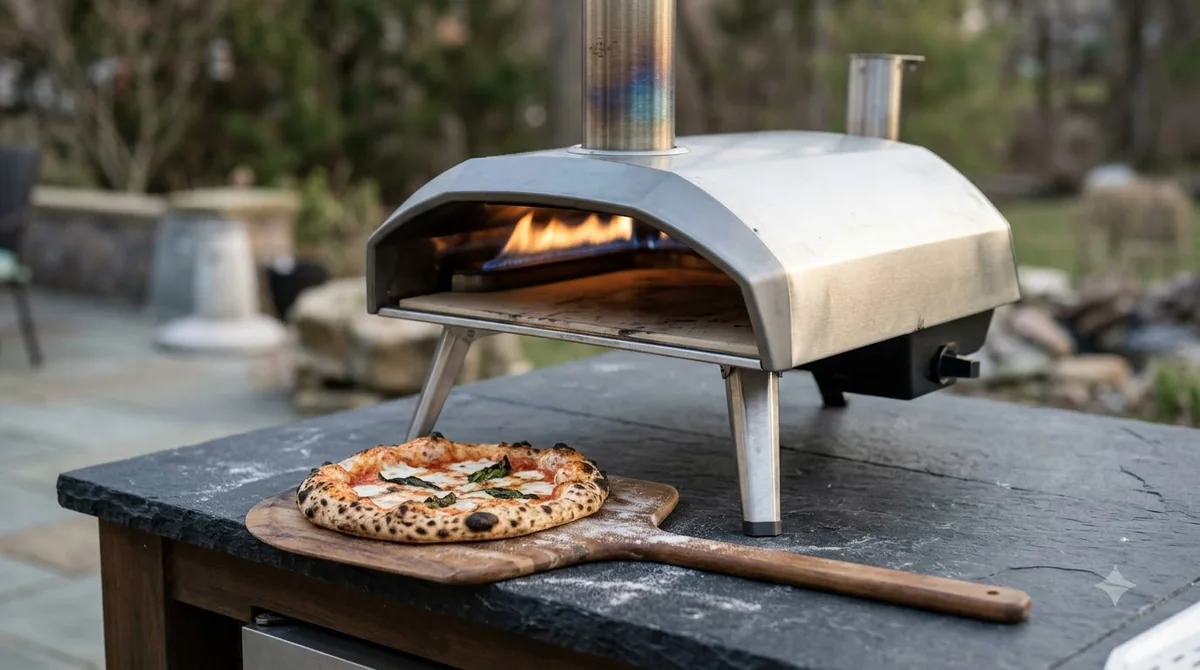

The Gozney Roccbox temperature target that Gozney publishes is 950°F (500°C) for its stone oven. That figure comes from the brand’s own Bone In Rib Of Beef recipe, not from a measured performance spec. The manual gives no maximum temperature and no preheat time, so the built-in gauge should decide when you start cooking.
Gozney Roccbox Temperature: What the Oven Reaches
The Roccbox cooking target that Gozney publishes is 950°F (500°C), stated for a stone oven on the brand’s First Five recipes page, and the Roccbox temperature figure is the only one the brand publishes. The official Roccbox gas manual covers the burner and safety rules, but it does not list a maximum temperature for the oven.
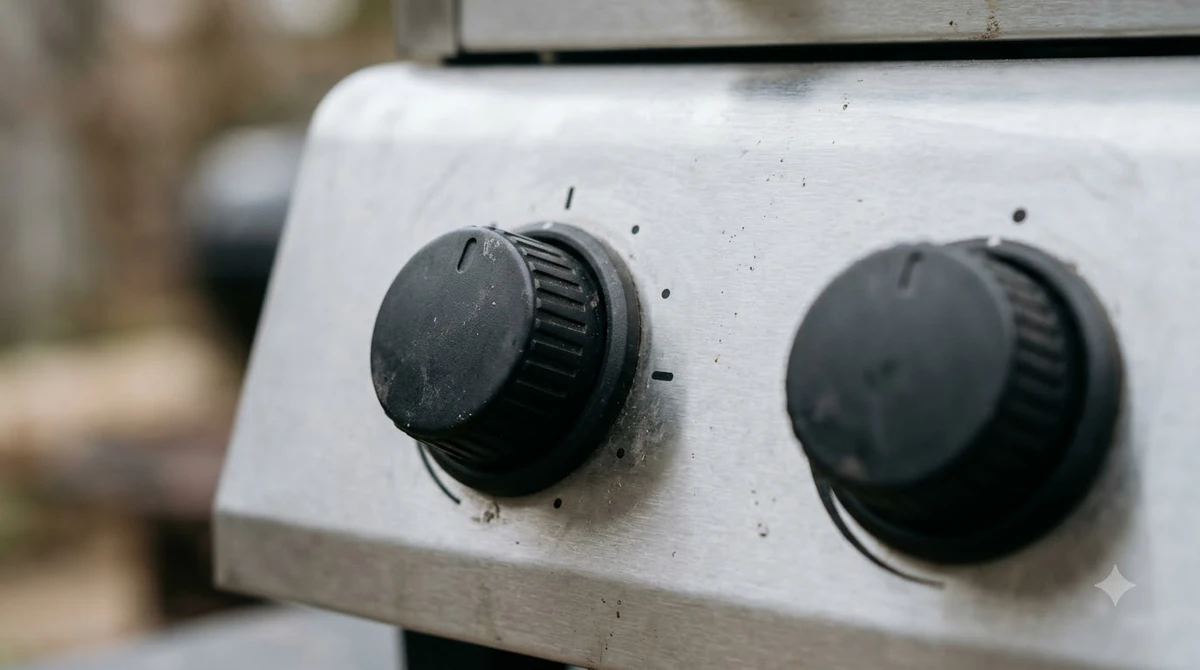
The manual rates the gas burner at a nominal heat output of 14,330 BTU/hr. That number describes fuel input, not the Gozney Roccbox temperature of the stone. The only stone temperature in the official material we read is the 950°F figure attached to the beef recipe. For a size reference while you plan your setup, see the Gozney Roccbox dimensions guide. The other recipes on that page do not list an oven temperature at all, so you should read each full recipe before you set the oven.
How Long Does a Gas Roccbox Take to Preheat?
Gozney does not publish a preheat time for the gas Roccbox on the pages we read, and the manual gives none either, so any minute count you see comes from reviewers and owners rather than the brand. Those reports vary with the cylinder, the weather and the wind, and we could not verify a specific figure, so we leave it out here. A cold morning may push your Roccbox temperature timeline longer, and the built-in gauge is the only dependable guide to when the stone is ready.
| Source | What it says about time | Status |
|---|---|---|
| Gozney First Five recipes page | No preheat time stated | Official, silent on time |
| Gozney gas manual, pages 1 to 15 | No preheat time; first firing is 30 minutes plus 15 to 20 minutes | Official |
| Hands-on reviews | Times differ by review and by conditions; we did not verify a figure | Unverified, not used |
The manual’s troubleshooting table lists the causes of slow heat-up: an empty gas cylinder, cold weather, and windy conditions. Its fixes are a different cylinder, a check of the regulator, and a sheltered location. If your Gozney Roccbox temperature climbs slowly on a cold or breezy day, those three checks come before anything else.
A separate row covers a weak flame, which the manual blames on an empty or low cylinder, high altitude, or a cold cylinder. The fixes are the same: try a different cylinder and check the regulator. A noisy burner points to debris in the burner head or the venturi, and the cleaning section of the manual tells you how to clear it. Because a weak flame means less heat reaching the stone, fixing these problems matters more than waiting longer.
How to Read the Gozney Roccbox Temperature Gauge
Use the built-in gauge rather than the clock, because the gauge reading tells you whether the Gozney Roccbox temperature has reached your target. Outdoor conditions change how fast the stone heats, so two Roccboxes started at the same minute can be at different temperatures. The manual’s own troubleshooting names weather and wind as causes of slow heat-up, which is why a fixed timer is a weak guide.
The first firing in the manual is a separate routine: 30 minutes on step 1, then 15 to 20 minutes on step 2, followed by a short wait of about 2 minutes for the remaining gas to burn off. Our Gozney Roccbox instructions guide covers that routine in full, so this article does not repeat it. Before you rely on the gauge, keep these four habits in mind:
- Check that the cylinder is not empty before you light, because fuel supply sets how fast the Gozney Roccbox temperature rises. An empty cylinder is the first slow heat-up cause the manual lists, and a low or cold cylinder can also weaken the flame.
- Let the oven run until the built-in gauge shows your target Gozney Roccbox temperature, not until a set number of minutes has passed.
- Stay with the oven while it runs. The manual says to attend an operating Roccbox at all times, and a grease fire needs the burner knob and the cylinder valve shut off at once.
- When you finish, turn off the gas at the cylinder before you turn off the Roccbox, so the gas left in the burner and hose is used up safely.
Gas Settings, Cylinder Limits and Safety
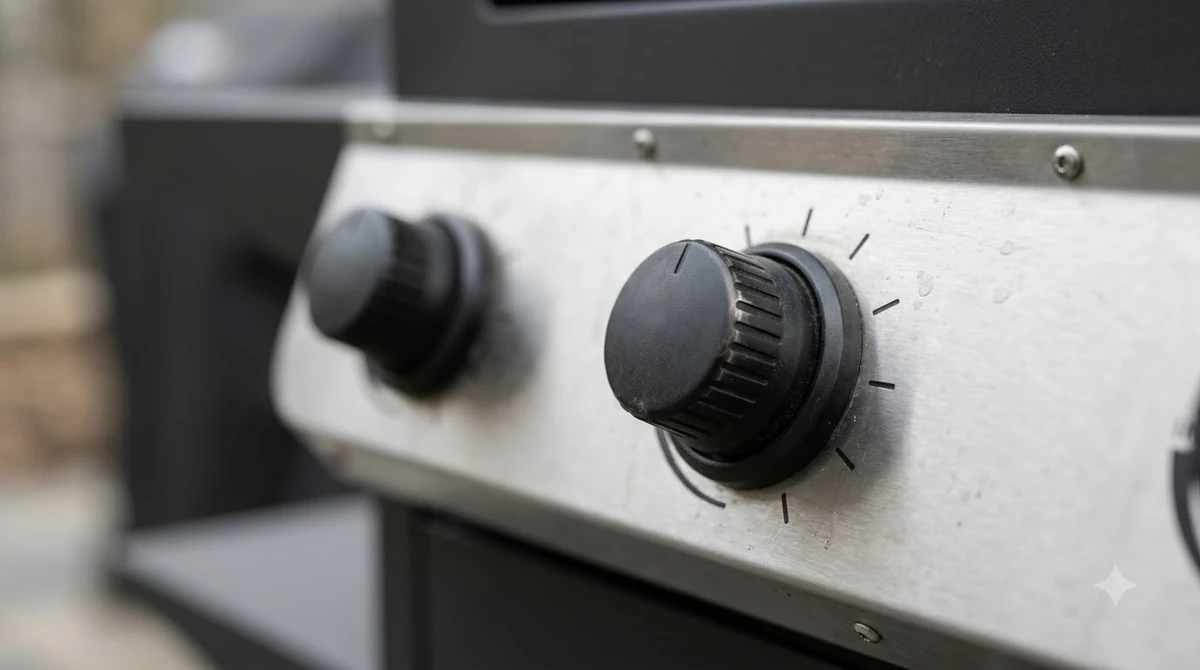
The Roccbox is rated for propane LPG only, and the manual warns that natural gas can damage the oven. The table below lists the limits that matter for reaching the right Gozney Roccbox temperature, taken from the US manual.
| Item | Manual limit |
|---|---|
| Fuel | Propane LPG only |
| Gas pressure and injector | 11 in W.C.; 1.1 mm injector |
| Cylinder size | 4 kg (9 lb) minimum, 13 kg (29 lb) maximum |
| Cylinder fill | Never beyond 80 percent full |
| Hose length | Maximum 1.5 m (1.2 m in Finland) |
| Clearance | Not within 5 ft (1.5 m) of any structure, combustible material or other gas cylinder; not within 25 ft (7.5 m) of any flammable liquid |
Run a leak test before the first use and again after the cylinder is refilled or the hose and regulator are disconnected. Use a soap-and-water solution on the connections, and never use a naked flame to look for a leak.
The manual also calls for a regulator that complies with EN16129 between the cylinder and the oven, keeps the cylinder upright and outdoors, and says not to place it under the oven. It recommends replacing the gas hose every 5 years. The manual also says never to cover the oven mouth, because the gas burner needs ventilation and carbon monoxide is odorless and colorless. Do not touch the oven while it is running, wear protective gloves, and leave heated parts alone until they have cooled to 115°F (45°C) or less.
What the Official Sources Do Not Say
Neither the manual nor the recipe page gives a maximum Gozney Roccbox temperature or a preheat time. Any higher figure you see online is not in the Gozney material we read, so check it against the manual before you rely on it.
- Maximum Gozney Roccbox temperature: not stated in the manual or on the recipe page.
- Preheat time: not published by Gozney; reviewer reports vary and are unverified.
- Recipe temperatures: only the beef recipe gives 950°F; the other recipes give no oven figure.
For a wider look at how hot gas ovens run in general, see our guide on propane pizza oven temperature, and for a general comparison across fuels read how hot a pizza oven gets. Treat any single number as a starting point, and let the gauge decide when the stone is ready. Once the oven is hot, our Roccbox pizza dough recipe is a good first bake.
Frequently Asked Questions
What is the highest temperature a Gozney Roccbox can reach?
Neither the manual nor the recipe page states a maximum. The only published Gozney Roccbox temperature for cooking is 950°F (500°C) for the beef recipe, so do not assume a higher ceiling.
Can I use natural gas to get the oven hotter faster?
No. The manual says the Roccbox runs on propane LPG only and warns that natural gas can damage the oven.
How long should I wait before relighting after the flame goes out?
The manual says to turn off the control knob and the cylinder gas valve, then wait 5 minutes before attempting to relight.
Why do preheat times differ between Roccbox owners?
Owner and reviewer reports of Roccbox temperature and timing differ because cylinder condition, weather, wind and placement all change how fast the stone heats. The manual confirms these as slow heat-up causes, which is why a gauge reading is more useful than a stopwatch when you judge Gozney Roccbox temperature.
Does the cylinder size change the Gozney Roccbox temperature?
The manual sets the cylinder range at 4 kg to 13 kg and says never to fill it beyond 80 percent. An empty cylinder is the first slow heat-up cause on the troubleshooting list, and a low or cold cylinder can weaken the flame, so keep a full, approved cylinder ready before you light.
Treat 950°F as the Gozney Roccbox temperature target that Gozney names, check the built-in gauge before you cook, and keep the cylinder and hose inside the manual’s limits. If the gauge does not rise, check the cylinder and the regulator first, as the manual advises.