
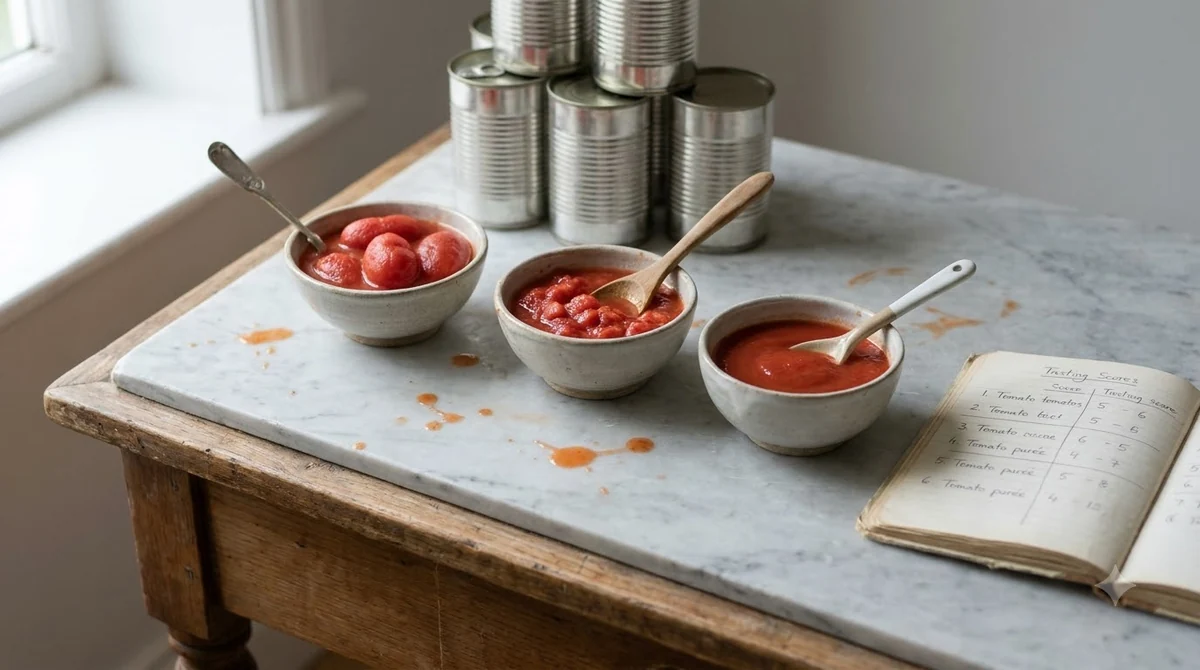

The best sauce for lasagna depends on the style you want, but the classic choice is a slow-cooked meat ragù layered with béchamel. The ragù gives the lasagna depth and body, and the béchamel adds a smooth, creamy layer between the noodles. A simple tomato sauce is the lighter, faster option when you do not want to simmer meat for hours.
Lasagna is a flexible dish, and Italian regions and home cooks use different sauces. The sections below explain the main options, what each one contributes, and how to pick the right one for your pan.
The Classic Choice: Meat Ragù
A slow-cooked meat ragù is the traditional base for the lasagne of Bologna, and it is the sauce most people picture when they think of baked lasagna.
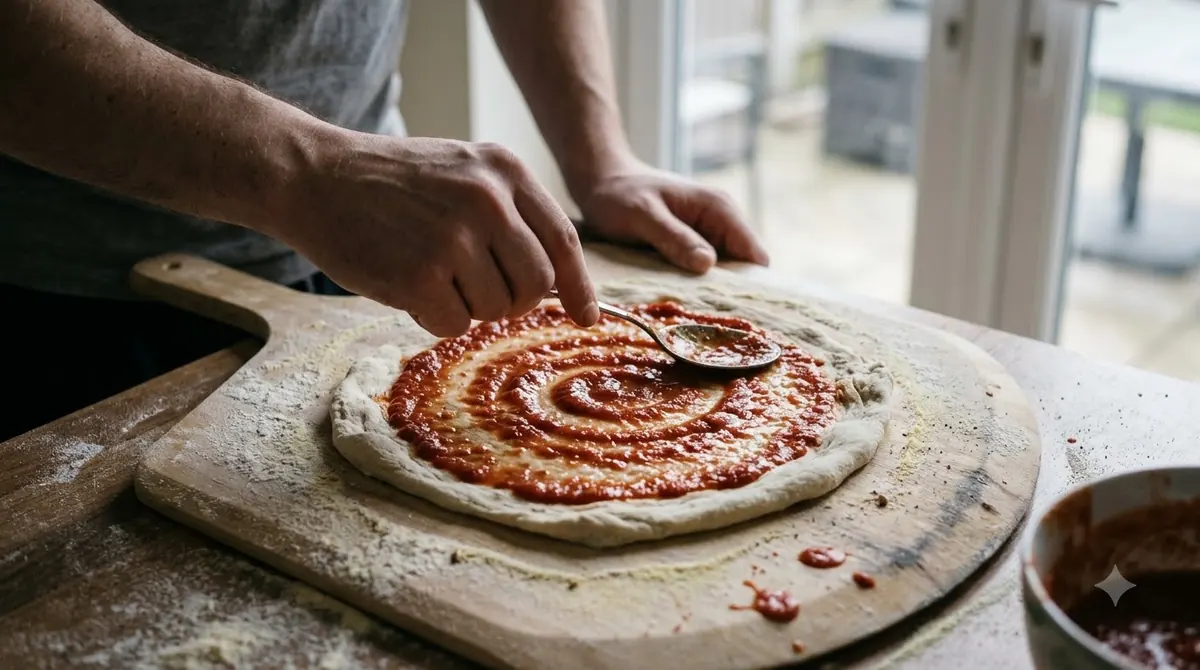
The Wikipedia entry on lasagne describes the Bologna version as a thick sauce made with onions, carrots, celery, finely ground pork and beef, butter and tomatoes. The Bolognese ragù is built on a soffritto of onion, celery and carrot, with a mix of beef and often a small amount of fatty pork, then finished with white wine, milk and a little tomato paste or tomato sauce.
The method is slow. The meat is sweated, sautéed and braised, then gently simmered for a long time until the sauce thickens. Recipes do not agree on exact quantities, and the Italian Academy of Cuisine deposited a classic version with the Bologna Chamber of Commerce in 1982, which is a useful reference if you want the traditional text rather than a modern adaptation.
Béchamel: The Creamy Layer
Béchamel is the white sauce that pairs with ragù in the common baked version, and it helps the layers hold together when you cut a slice.
The baked style, called lasagne al forno, is layered with ragù and béchamel, then topped with grated cheese and baked. Northern Italian recipes use béchamel, while Italian-American versions often replace it with ricotta. The Genoese style uses a light béchamel mixed with pesto. Some modern versions skip the béchamel and use boiled pasta, which gives a different texture from the baked version.
If you use béchamel, keep it thin enough to spread between the noodles. A sauce that is too thick will sit in clumps rather than making even layers.
Tomato and Marinara Sauce for a Lighter Lasagna
A tomato sauce is the simplest option, and it works well when you want a lighter or quicker lasagna with a brighter flavor.

Marinara is a tomato-based sauce made with garlic, herbs and onion. Some versions add olives, capers or wine. Tomatoes reached Europe after 1492, which is why the early loseyn dish the Wikipedia entry describes had no tomato in it.
A tomato sauce on its own makes a drier, tangier lasagna than ragù and béchamel. Many home cooks combine it with ricotta or mozzarella for a pared-down version. If you buy a jarred sauce, check the sodium and sugar on the label. The FDA’s guide to the Nutrition Facts label explains that %Daily Value comparisons only make sense when the serving sizes are the same.
How to Choose the Best Sauce for Lasagna
Choose the sauce by the result you want: a rich, traditional lasagna, a creamy one, or a quick weeknight version. The table below compares the main options.
| Sauce | Best for | Texture and flavor | Main effort |
|---|---|---|---|
| Meat ragù | Traditional, rich layers | Thick and meaty with deep flavor | Long, slow simmer |
| Béchamel | Creamy, classic baked lasagna | Smooth and rich | Make a thin white sauce |
| Tomato or marinara | Lighter, quicker lasagna | Bright and tangy | Short cook or a jarred sauce |
| Pesto with light béchamel | Genoese-style, herbal lasagna | Light and herb-forward | Moderate |
Many cooks combine two sauces rather than choosing only one. A meat ragù with a thin béchamel top is the classic pairing, while a tomato sauce works well under a creamy ricotta layer when you want a lighter bite. Either way, the sauce should be thick enough to stay in place when you cut the lasagna, rather than running across the plate.
Planning ahead also helps. A ragù is often made the day before because the flavors settle overnight, and a tomato sauce can be cooked and cooled while you prepare the noodles. Cook the noodles until just short of done, rinse them and lay them flat so they do not stick together when you assemble the dish.
Once you choose the sauce, layer it evenly and keep the top layer covered with cheese. The sauce should be spread thinly enough that each layer of pasta is coated but not swimming.
- Decide whether you want a meat, creamy or tomato-led lasagna, then make or buy that sauce.
- Spread a thin layer of sauce in the dish so the noodles do not stick.
- Repeat with noodles, sauce and cheese, ending with a sauce-and-cheese top.
- Bake until the sauce bubbles through the top and the center is hot.
Frequently Asked Questions
Can I use jarred sauce for lasagna?
Yes. A jarred marinara is the easiest choice for a quick lasagna. Compare the sodium and sugar per serving on the label, since that is the most useful way to pick between brands.
Is béchamel necessary for lasagna?
No. It is the classic layer in baked lasagne, but Italian-American recipes often use ricotta instead, and some modern versions use boiled pasta without béchamel.
Should lasagna use meat sauce or tomato sauce?
Meat sauce is the traditional choice for a rich, layered dish, while tomato sauce suits a lighter or faster lasagna. Pick the one that matches the meal you are serving.
Can I use pesto in lasagna?
Yes. The Genoese style of lasagne uses pesto with a light béchamel, which gives a herbal flavor that is very different from a meat or tomato version.
For most cooks, the best sauce for lasagna is the one that suits the time you have. A meat ragù gives the richest result, a tomato sauce gives the quickest one, and a béchamel layer ties the dish together whichever sauce you use.
 7 min readLearnLasagna Bianca Recipe: White Bolognese With BéchamelUpdated Nov 11, 2026
 6 min readLearnBest Sauce for Strozzapreti: Meat Ragù, Tomato and PestoUpdated Nov 13, 2026
 6 min readLearnBest Sauce for Garganelli: Ragù and Regional PairingsUpdated Nov 13, 2026
 5 min readLearnBest Sauce for Tagliatelle: Ragù, Brown Butter and MoreUpdated Nov 13, 2026
 6 min readLearnBest Sauce for Macaroni: Cheese, Ragù, Pesto and Salad DressingsUpdated Nov 13, 2026
 6 min readLearnBest Sauce for Fusilli: Meat, Tomato, Cream and PestoUpdated Nov 13, 2026