
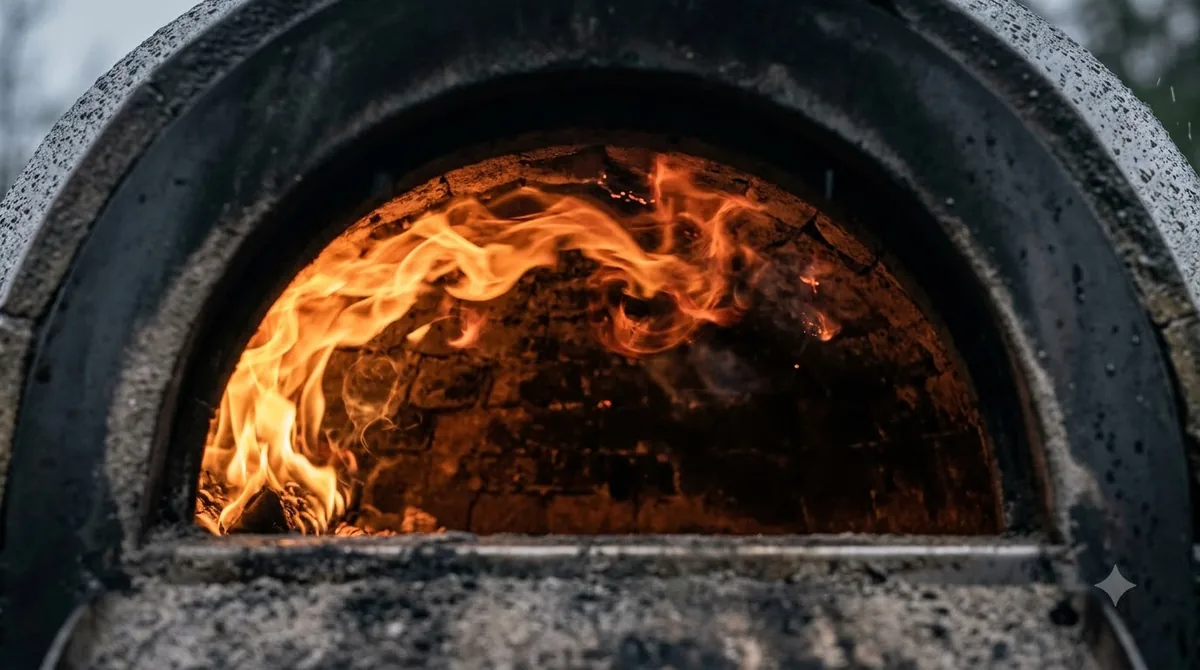

An 800 degree pizza oven is hot enough to bake a thin pizza in about 90 seconds. That temperature is typical of wood-fired and high-heat ovens, and it suits thin Neapolitan-style crusts. Thicker pizzas need a lower temperature, around 700°F, so that the centre cooks before the base burns.
If you are looking at an oven rated to 800°F, the number tells you what the oven can reach, not what every pizza needs. The right setting depends on your dough, your toppings and how long you want the bake to take.
What Does 800 Degrees Mean for a Pizza?
At around 800°F, the heat is intense enough to set a thin base in a very short time. The crust puffs and chars on the outside while the cheese melts and the toppings warm through.
A pizza oven temperature guide lists the Neapolitan style at 800 to 900°F (430 to 480°C) with a cook time of 60 to 90 seconds. Other guides say a thin-crust pizza cooks at 800°F in about ninety seconds, while thicker styles need more time and less heat.
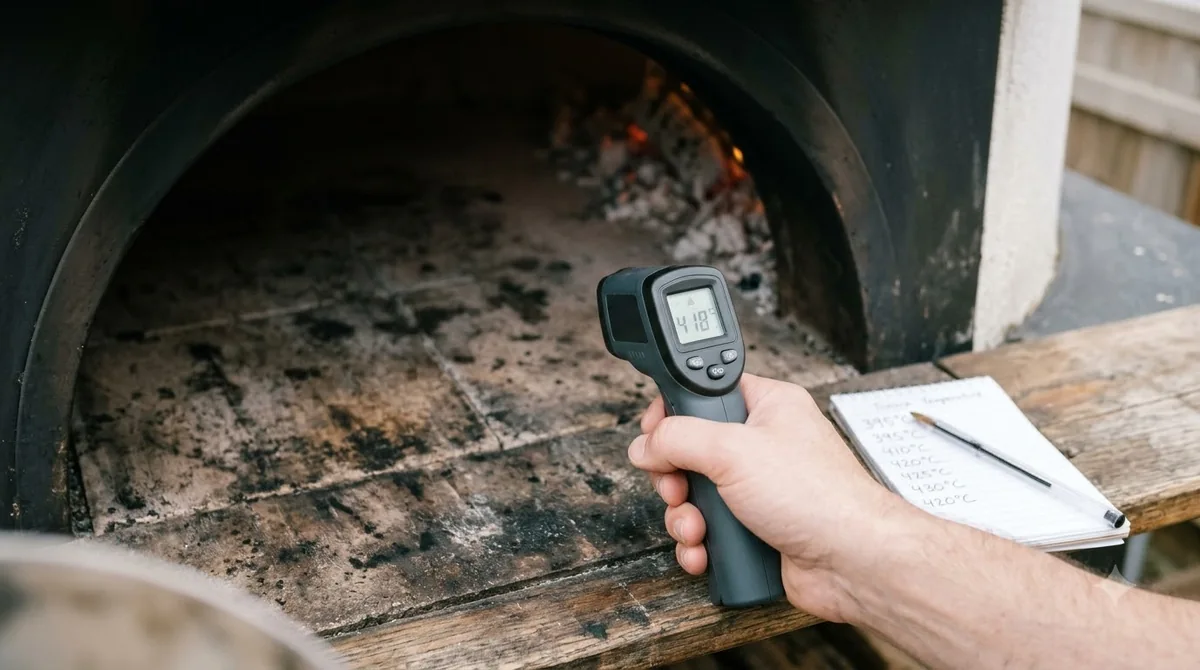
Because the bake is so quick, you need to turn the pizza during cooking and watch the base closely for black spots.
How Long Does an 800 Degree Pizza Oven Take to Heat Up?
Most high-heat ovens need about 20 minutes to reach their working temperature before you add the first pizza. Start the fire or switch the oven on early so the stone or floor is fully hot, not just the air above it.
Give the oven a short rest between bakes as well. The floor loses heat each time a pizza goes in and the door is opened, so wait a few minutes and check the surface temperature before the next pizza, especially when you are cooking several in a row.
Home ovens that run to a lower maximum, such as electric or gas models at 450 to 550°F, need more time. The same guide suggests preheating a pizza steel for a full hour at the oven’s maximum temperature, then switching to the broiler for the last five minutes before launching the pizza.
Which Pizzas Suit an 800 Degree Oven?
Thin, Neapolitan-style pizzas suit 800°F best. The dough is stretched thin, the bake is quick and the crust keeps a soft centre with a blistered edge.
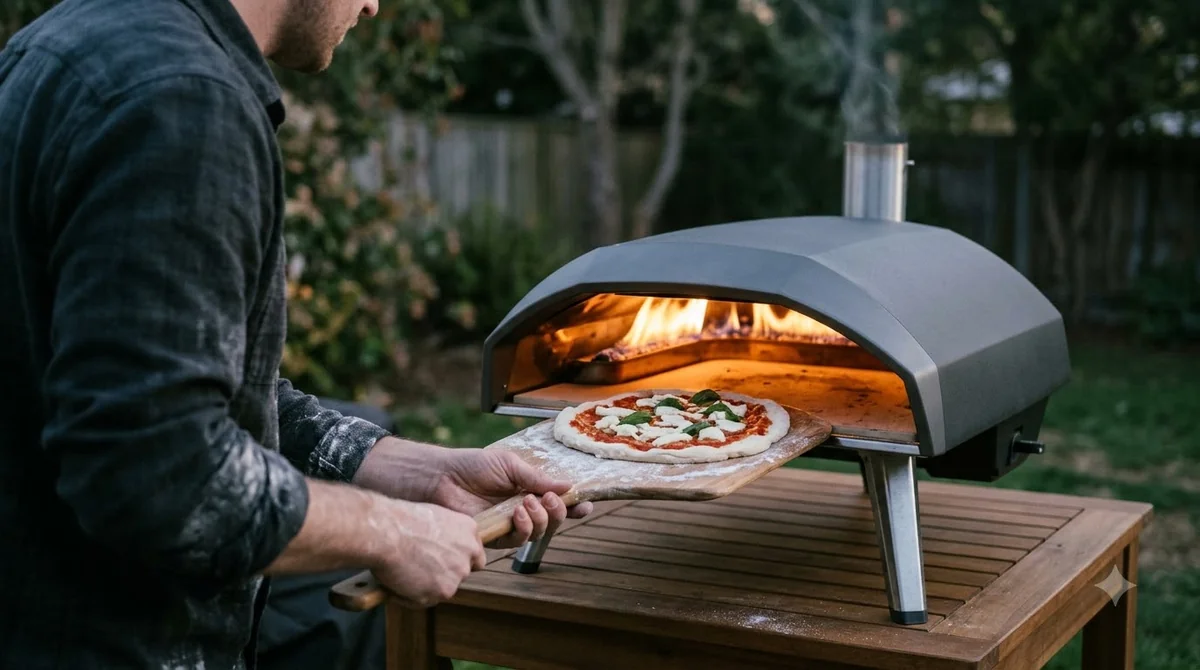
Thin Neapolitan Crust
Use a light layer of tomato, a few pieces of fresh mozzarella and a little basil added after baking. Keep the toppings modest so the base cooks in the short time.
Thicker Styles
A thicker pizza, such as a deep dish or a New York-style slice, needs lower heat and more time. Cook it at a lower setting and check the manufacturer’s guidance for that style, since the bake will take minutes rather than the 90 seconds a thin crust needs.
Floor, Dome or Air: Where Is the Heat?
The temperature of the oven is not the same everywhere. The dome and the flame usually run hotter than the floor, so a reading taken at the top can be higher than the surface your pizza sits on. Use an infrared thermometer on the floor or stone, and check the base temperature rather than the dome temperature.
| Pizza style | Typical temperature | Typical bake |
|---|---|---|
| Neapolitan, thin | 800 to 900°F | 60 to 90 seconds |
| Thin crust, general | About 800°F | About 90 seconds |
| Thicker dough | About 700°F | Longer, check the base |
| Home oven | 450 to 550°F | 10 to 15 minutes |
Why Does a Thin Pizza Need So Much Heat?
A thin base has very little mass, so it heats through and sets almost at once when it meets a very hot surface. That is why a high-heat oven can finish a thin pizza while the cheese is still bubbling and the crust is only lightly charred.
Thick dough and heavy toppings hold more heat and need time for the centre to cook. At 800°F the outside would burn long before the middle is ready, so a thicker pizza is better baked at a lower temperature for a longer time.
How Do You Stay Safe at 800 Degrees?
At this heat, the most common problems are burns and flare-ups. Use a long peel, heat-resistant gloves and a steady hand when you launch and turn the pizza, and keep children and pets well back from the opening.
Ventilation matters too. Wood, gas and charcoal ovens all release heat and smoke, so place the oven outdoors or in a well-ventilated space, away from overhanging branches, walls and anything that can catch fire. Follow the manufacturer’s clearance distances and never leave a hot oven unattended.
- Clear the oven of ash with a brush before each bake, so loose debris does not drop onto the pizza.
- Keep a bowl of water or a fire extinguisher rated for the fuel type within reach.
- Let the oven cool fully before cleaning the stone or floor.
Frequently Asked Questions
How long does pizza take at 800 degrees?
A thin pizza usually cooks in about 60 to 90 seconds at 800°F. Thicker pizzas take longer at a lower temperature.
Is 800 degrees too hot for a home oven?
Most home ovens top out at 450 to 550°F, so they cannot reach 800°F. Use the broiler and a preheated steel to get as close as you can, and expect a longer bake.
What temperature should the pizza stone be?
The stone or floor should be close to the oven’s working temperature before you bake. Measure the surface with an infrared thermometer rather than relying on the dome reading.
Can I bake bread in an 800 degree oven?
Bread needs lower heat than pizza, so bake it after the oven has cooled to a lower setting. Check your oven manual for the recommended range for bread.
An 800 degree oven suits thin pizzas that bake in under two minutes, while thicker styles need a cooler setting. Preheat fully, measure the floor rather than the dome and check the manufacturer’s manual for safe operating limits.
 7 min readBest PicksPizza Oven Buying Guide: Fuel, Size and Heat TipsUpdated Nov 13, 2026
 8 min readBest PicksElectric Pizza Oven Temperature: What Heat Level to UseUpdated Nov 7, 2026
 8 min readBest PicksPizza Oven Temperature: What Heat to Use for Every PizzaUpdated Nov 10, 2026
 8 min readBest PicksHow Long Does Ooni Koda 12 Take to Heat Up? Official FiguresUpdated Nov 7, 2026
 5 min readBest PicksPizza Oven Black Friday: How to Shop Smart DealsUpdated Nov 13, 2026
 5 min readBest PicksHigh Temp Pizza Oven: How Hot Is Hot EnoughUpdated Nov 13, 2026