
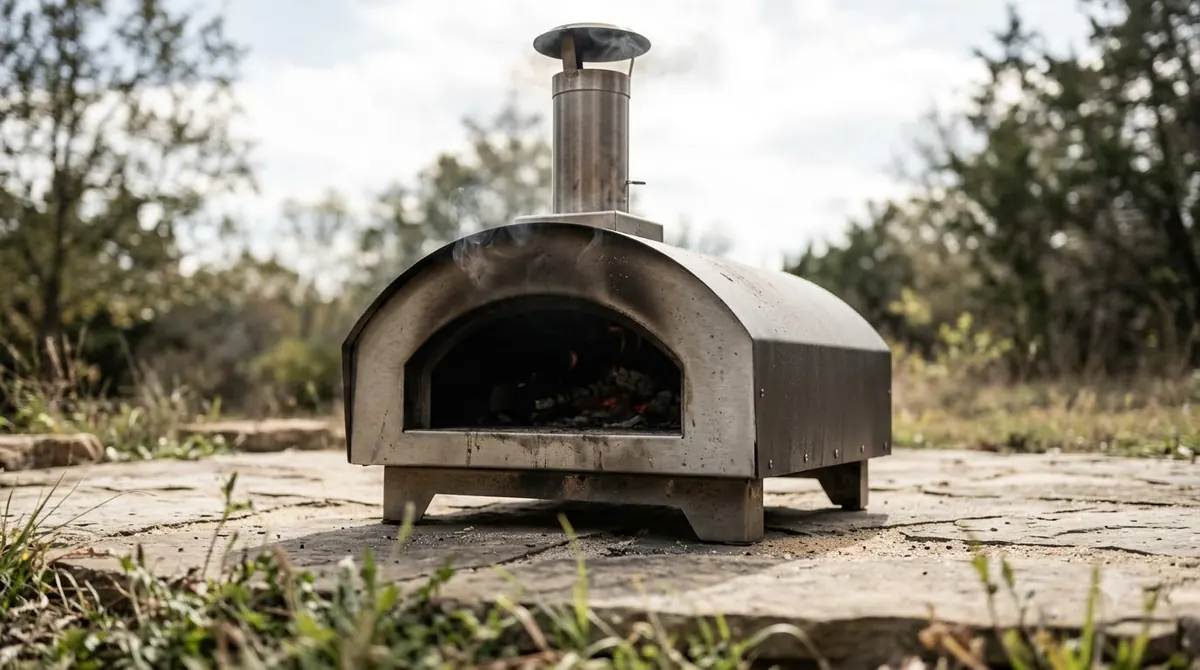

A pizza oven buying guide starts with three questions: which fuel you want, how big a pizza you need to cook, and whether the oven holds heat well enough to cook several pizzas in a row. Sustained heat matters more than the highest number on the box. Settle fuel and size first, then compare models on heat performance.
Most buyers look at the price or the brand first, but those choices come after the basics. An oven that is too small for your family, or one that is hard to keep hot on a cold evening, will frustrate you no matter how well it is made.
What Temperature Does a Pizza Oven Need?
Most dedicated pizza ovens cook in a range of roughly 600°F to 900°F, and the style of pizza you want decides where in that range you need to be.
Gozney’s guide to how hot a pizza oven gets puts the typical cooking range in that 600°F to 900°F band. A home kitchen oven usually tops out far lower, which is why a dedicated pizza oven cooks a pie in minutes rather than the better part of half an hour.
Do not pick an oven based only on the maximum temperature on the spec sheet. Ask how long it takes to come up to cooking heat and how well it holds that heat between pizzas. Those two numbers tell you more about daily use than the peak figure does.
Which Fuel Should You Choose?
Wood, gas, charcoal, pellet, and electric are the main options, and each one trades flavour against convenience and control.
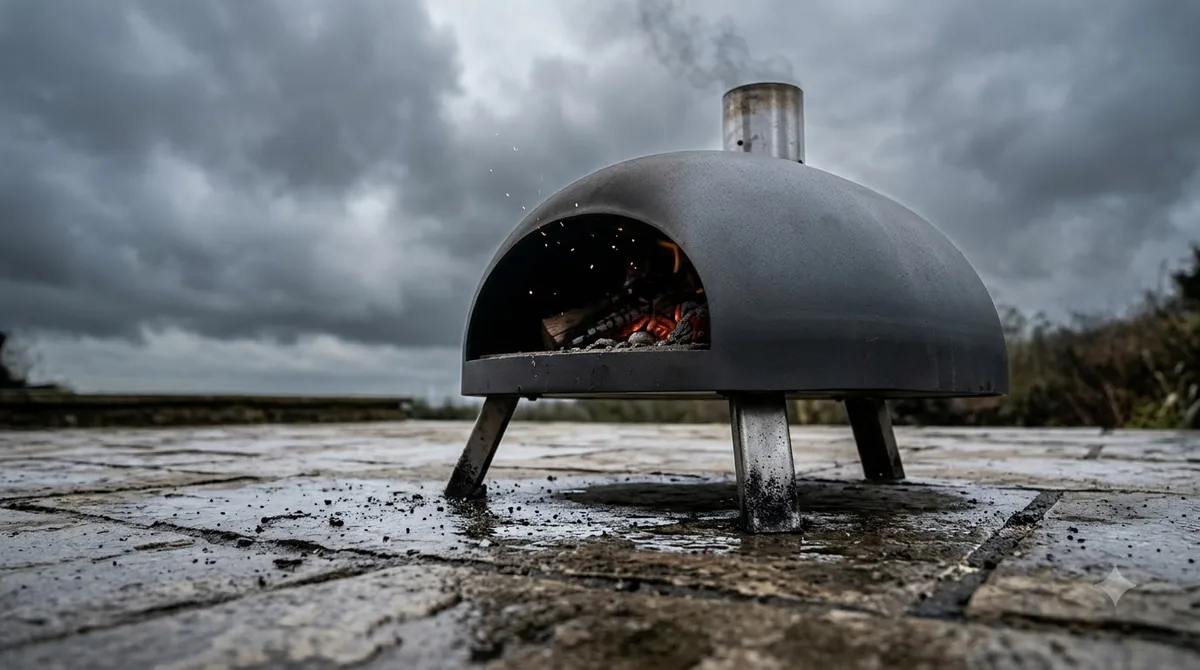
Wood-fired ovens are the traditional choice and many cooks like the char they produce. Some guides point out that the smoky taste people associate with wood-fired pizza comes largely from the char of the flame, so the fuel is only part of the story. Wood does take more skill to manage, because you have to keep the fire fed and read the heat as it changes.
Gas is the easiest route to consistent heat. Once it is set up, a gas oven is usually quicker to preheat to the same temperature each session. Reviewers of Ooni’s range have made a similar point, saying that gas and electric models give more heat control than the wood-burning model, which can scorch a pizza quickly if you are not careful. Electric ovens suit indoor kitchens, though they need a dedicated power supply and a suitable space.
If you want the flavour of wood without the constant fire-tending, a multi-fuel oven or a pellet model can be a middle ground. Check which fuels the oven is rated for before you buy, because some models accept only one type.
How Big Should the Oven Be?
Size comes down to the pizzas you plan to make, so start with a realistic count and the largest pie you want to cook.
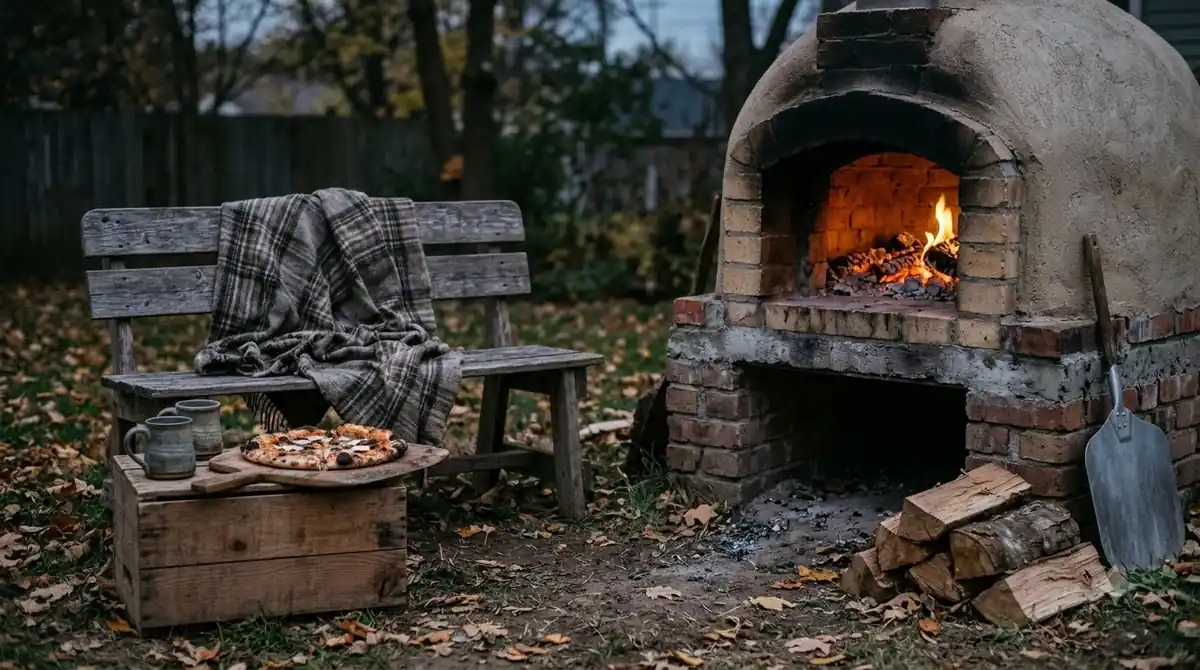
Bigger is not automatically better. A larger cooking surface takes longer to heat and burns more fuel to hold its temperature, and it also takes up more of your patio or kitchen counter. A compact oven that heats fast may suit a couple who cook on weekends better than a large model that sits cold for most of the week.
Measure the space before you shop. Leave clearance for ventilation, and for fuel storage if the oven runs on wood or pellets. A 12-inch model is common for single pizzas, while bigger ovens suit families or small gatherings that want to cook several pies at once.
Why Insulation and Heat Retention Matter
Insulation decides whether the oven keeps working when you cook more than one pizza, and a well-insulated oven uses less fuel to do it.
Without good insulation, the oven loses heat each time you open the door, so every pizza takes more work and more fuel. The gap is most visible when you cook a second or third pie in a row. Look for thick walls, a well-sealed door, and a cooking floor that stores heat, and read reviews that mention repeat cooking rather than only the first pizza.
| Factor | What to check | Why it matters |
|---|---|---|
| Fuel | Wood, gas, pellet, electric, or multi-fuel | Sets the flavour, the skill needed, and where you can install it |
| Cooking surface | Largest pizza and number of pizzas per session | Determines whether the oven fits your meals |
| Heat-up time | Stated time to reach cooking heat | Affects how often you can cook on a weeknight |
| Insulation | Heat held between pizzas | Drives fuel use when cooking a batch |
| Warranty and cover | Length of cover and whether a fitted cover is offered | Protects the oven if it stays outdoors through winter |
Portability, Budget, and Weather Protection
Portability, budget, and weather resistance decide whether the oven stays in use after the first month.
Portable ovens are light enough to move to a campsite or a balcony, but they usually have smaller cooking surfaces and less insulation. Fixed or heavier models hold heat better and cook more pizzas per session, though they cost more and stay where you put them.
Set a budget that includes the accessories you will actually need, such as a peel, a thermometer, and a cover. If the oven will sit outside through winter, a fitted weatherproof cover is worth budgeting for. Check the manufacturer’s warranty terms before you buy, since coverage varies from one brand to another.
Pizza Oven Buying Guide: How to Compare Models
Compare models on the same four or five points, using the same numbers, so that the decision rests on facts rather than on the best-looking photo.
- Write down the fuel you want and check that the model accepts it.
- Confirm the largest pizza it can take and how many you can cook per session.
- Read the stated heat-up time, then look for reviews that report it from real use.
- Check the insulation and whether reviewers mention heat loss when cooking several pizzas.
- Compare the warranty and whether a cover is included or sold separately.
Reviews are most useful when they describe the oven over a few weeks of cooking rather than one dramatic first pizza. Treat manufacturer claims as a starting point and check them against independent reviews.
Frequently Asked Questions
What is the most important factor when buying a pizza oven?
Size is usually the first decision, because it sets how many pizzas you can cook and how much fuel and time each session takes. Fuel comes second, since it changes both the flavour and how much skill you need.
Is a gas pizza oven easier to use than a wood-fired one?
Generally yes. A gas oven is easier to bring to a steady cooking temperature and to keep there, while a wood-fired oven rewards practice and gives more smoky character.
Do I need a pizza oven cover?
If the oven will stay outside through winter or during rain, a protective cover helps keep moisture and dirt away from the body and the fuel system. Indoor storage removes the need, but a cover still helps if the oven sits on a patio.
Is a bigger pizza oven always better?
No. A larger oven takes longer to heat and uses more fuel to stay hot, so it only pays off if you regularly cook for a crowd. For everyday cooking for one or two people, a smaller oven is often the better fit.
Choose the fuel and size that match your cooking first, check how the oven holds heat when you cook a batch, and then compare warranty and weather protection. This pizza oven buying guide suggests a simple shortlist built on those points will serve you better over the years than chasing the highest temperature on the spec sheet. Keep the same checklist for every model you compare.
 9 min readBest PicksBest Wood Fired Pizza Oven for Home: Types, Criteria and Buying TipsUpdated Nov 12, 2026
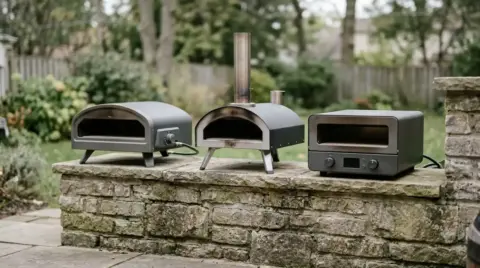 8 min readBest PicksBest Outdoor Pizza Oven: Top Picks by Fuel and SizeUpdated Nov 14, 2026
 7 min readBest PicksBest Electric Pizza Oven: A Simple Buying Guide for Home CooksUpdated Nov 14, 2026
 5 min readBest Picks800 Degree Pizza Oven: What the Heat Means for PizzaUpdated Nov 13, 2026
 8 min readBest PicksElectric Pizza Oven Temperature: What Heat Level to UseUpdated Nov 7, 2026
 8 min readBest PicksPizza Oven Temperature: What Heat to Use for Every PizzaUpdated Nov 10, 2026