
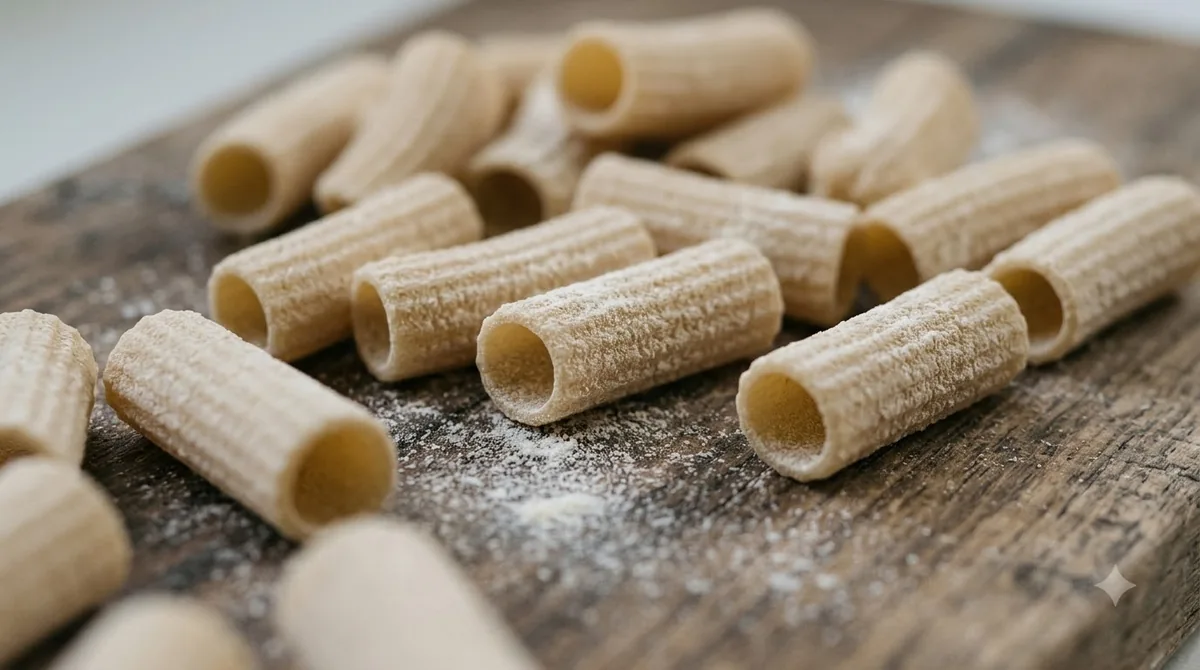

Ziti pasta is a smooth, hollow tube pasta from Sicily, cut into pieces about 2 inches long. It is made from durum wheat and water, and it is most often baked in tomato sauce.
Ziti is close to penne, but its ends are cut straight instead of at an angle. Choose smooth or ridged ziti based on how much sauce you want it to hold.
What Is Ziti Pasta?
Ziti pasta is a short, smooth, hollow tube made from durum wheat and water, cut to about 2 inches and first made in Sicily.
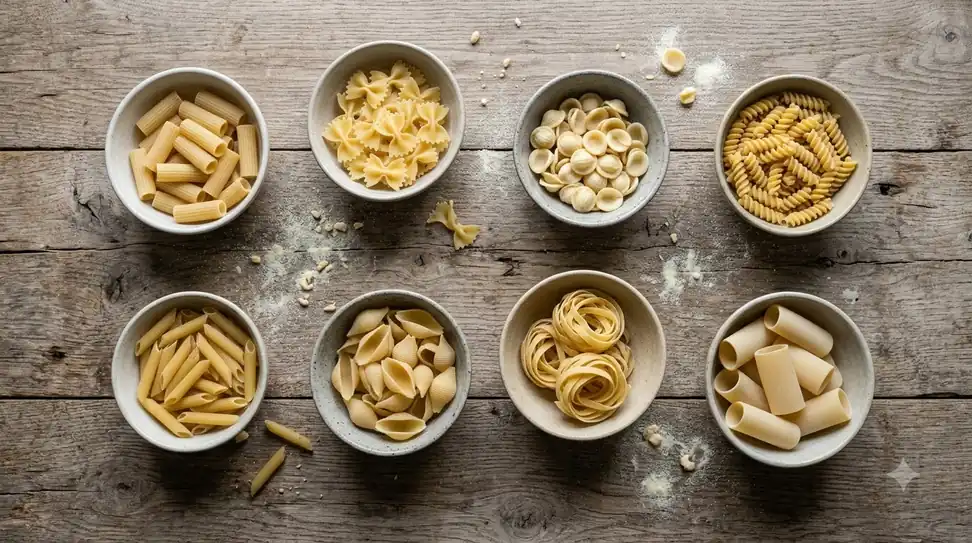
Prince Pasta describes ziti as a medium-sized, slightly curved tube about 2 inches long, and says it is often served at Sicilian weddings. Wikipedia describes it as an extruded pasta, which means the dough is pushed through a shaped die, then cut and dried. Factories cut the long tubes into pieces around 5 centimeters (2 inches) long for sauced dishes.
The name comes from zita, the Italian word for bride. Wikipedia notes that the name can also be read as “grooms,” and the phrase maccheroni di zita means bridal macaroni.
Penne is the closest relative of ziti pasta. Wikipedia describes penne as an extruded tube with ends cut at an angle, which is the main visual difference from ziti.
Prince Pasta sells two versions. Regular ziti is smooth, while Ziti Rigati has ridges on the outside. Both are cut from the same tube shape, so the choice comes down to how the sauce should cling.
Ziti vs Penne and Other Tube Shapes
Ziti is closest to penne, but it is cut straight across and has a smooth surface, while penne has angled ends, according to DeLallo.
| Shape | Ends | Surface | Note |
|---|---|---|---|
| Ziti | Straight cut | Smooth | About 2 inches long, a bit larger than penne |
| Ziti Rigati | Straight cut | Ridged | Same tube with ridges, per Prince Pasta |
| Penne | Angled cut | Smooth | Close in size to ziti |
| Penne rigate | Angled cut | Ridged | Preferred for heavier sauces |
Compared with rigatoni, ziti has a smaller diameter, a longer length and smooth sides rather than ridges. That makes ziti pasta a good pick for a tube that holds a sauce inside its hollow center.
Penne has a long record of sauce pairing. Wikipedia notes that penne are particularly adapted for sauces such as pesto, marinara or arrabbiata, and a full-size penne is about 5 cm (2 in) long, close to the length of ziti pasta. The sauces listed for penne therefore also suit ziti pasta in most recipes.
Ridges affect how sauce grips, but the sources do not agree on which sauce suits which shape. Prince Pasta says smooth ziti suits thicker sauces, while ridged versions hold thinner ones. DeLallo prefers penne rigate for heavier sauces. Match the shape to the sauce you plan to make rather than following one rule.
How to Cook Ziti Pasta
Use 5 quarts of salted water for each 1 pound of ziti pasta, and cook it for 10 to 11 minutes, checking early for doneness, according to DeLallo.
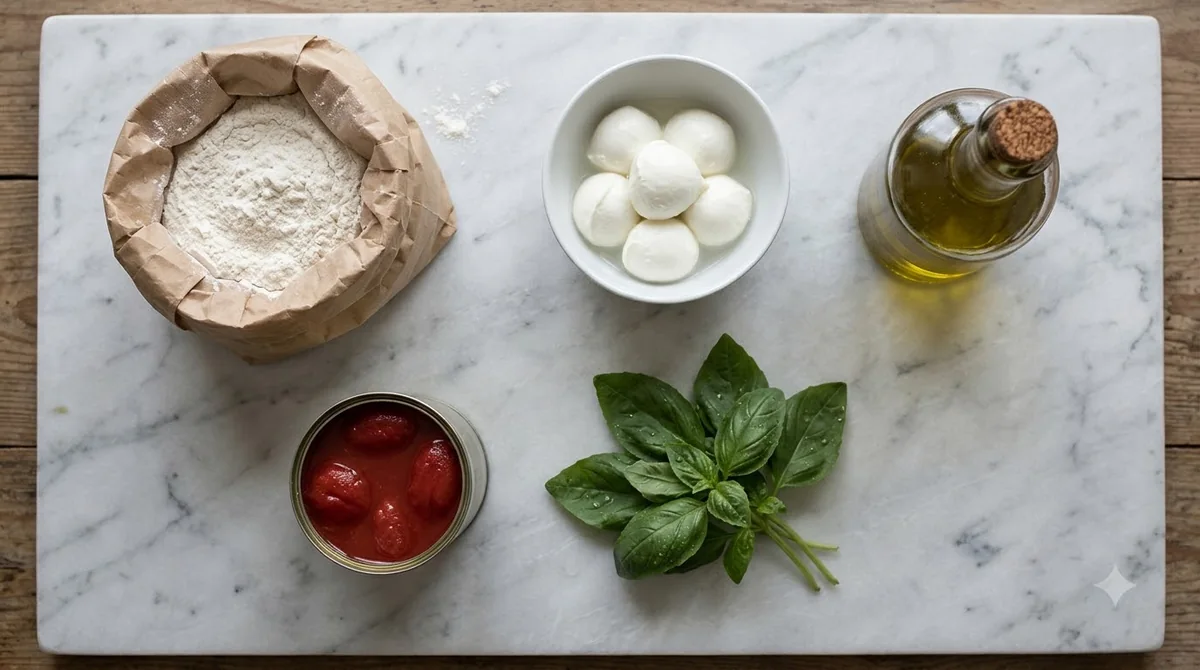
- Bring 5 quarts of salted water to a full boil for each 1 pound of ziti.
- Add the ziti and do not add oil to the water.
- Start checking for doneness before the package time, and aim for al dente.
- Reserve 1 cup of pasta water before you drain the ziti.
Rinse the cooked pasta only if you are making a cold pasta salad or the sauce will not be added right away, as DeLallo’s ziti guide advises. Cook times vary by brand, so the package time is the final check.
The water matters as much as the timer. DeLallo’s guidance of 5 quarts for each 1 pound of ziti pasta gives the tubes room to move, so they cook evenly instead of clumping together in a small pot.
Ziti Substitutes
If you cannot find ziti, penne ziti, penne rigate, rigatoni, elbows or ditalini can stand in, and penne rigate is the better choice for heavier sauces.
- Penne ziti or penne rigate, the closest match in size, both with angled cut ends
- Rigatoni, a wider tube with ridges
- Elbows, a short curved tube
- Ditalini, a small tube
Substitutes matter most when the recipe is a baked dish or a tomato sauce. Penne ziti is the closest match for ziti pasta in those recipes, and DeLallo lists it first. See penne vs ziti for how the two tubes differ, and ziti vs rigatoni if you are choosing a wider tube.
Penne is the closest match in size, which is why DeLallo lists penne ziti and penne rigate first. If the sauce is thick or meaty, DeLallo’s advice points to penne rigate.
Best Sauces for Ziti
Tomato and chunky meat sauces suit ziti best, because the hollow center holds the sauce, according to DeLallo. Creamy sauces and olive-oil sauces also work.
- Tomato and chunky meat sauces, which the hollow center captures
- Creamy sauces, which the smooth surface complements
- Olive-oil sauces, such as fresh herb pesto
- Genovese sauce or ragu, both traditional with ziti in Italy
Baked ziti is the classic test for a sauce. Wikipedia describes it as ziti with bechamel, ragu and cheese, and Prince Pasta says it is traditionally baked with tomato sauce and mozzarella. If you want the best sauce for ziti in a casserole, start with a tomato or meat sauce that is thick enough to coat the pasta. Another baked pasta built on large tubes is manicotti, and what is manicotti explains how the stuffed version differs. For another shape that bakes well, large lumaconi shells are a common choice, and our guide to lumache shells for baked dishes explains the size difference.
Baked ziti pasta shows how the sauce and shape work together. Wikipedia says the Neapolitan version, ziti alla sorrentina, is less dense than the baked ziti popular in America, so the amount of sauce and cheese changes the final dish.
Sauce choice also depends on the shape you buy. Prince Pasta suggests smooth ziti for thicker sauces and ridged ziti for thinner ones, while DeLallo favors penne rigate for heavy sauces. Because the brands differ, check the sauce consistency before you pick a shape.
Making Ziti Dough at Home
Homemade ziti dough starts with 300 g of Caputo Semolina Flour and 160 to 180 g of room-temperature water, which makes about 460 g of dough.
Knead the dough for about 8 to 10 minutes until smooth. Rest it for 30 minutes at room temperature, or wrap it tightly and rest it for up to 6 hours, as Caputo’s traditional semolina dough recipe describes. If you do not use it within 6 hours, refrigerate it and bring it back to room temperature for at least 2 hours before rolling.
Dried ziti pasta uses durum wheat and water, according to Wikipedia, so a homemade ziti pasta dough follows the same two-ingredient base. Add the water in small amounts, since the Caputo page suggests adjusting hydration gradually.
Adjusting hydration by small amounts helps you match the dough to your flour. The page does not say whether the flour is fine or coarse, so check the grind on the bag before you start. The recipe covers the dough only, and turning it into tubes is a separate step.
Frequently Asked Questions
Why is ziti pasta called ziti?
The name comes from zita, the Italian word for bride. Wikipedia also notes that the name can be read as grooms, and the phrase maccheroni di zita means bridal macaroni. The shape is linked to Italian weddings, which is why it is served at celebrations.
What is baked ziti?
Baked ziti is an Italian-American casserole made with ziti, bechamel, ragu and cheese. Prince Pasta describes the traditional version as baked with tomato sauce and mozzarella. Ziti alla sorrentina, a Neapolitan version, is less dense.
Should you rinse ziti?
Usually not. DeLallo says to rinse ziti only for cold pasta salads or when the sauce will not be added right away. Reserve a cup of pasta water before you drain it.
How many calories are in ziti?
Prince Pasta lists 200 calories per serving, which is 3/4 cup or 56 grams, with 8 servings in a 16 ounce package. Values differ between brands, so check the label on the package you buy.
Is ziti good for cold pasta salad?
Yes. Prince Pasta lists ziti as suitable for cold salads, and DeLallo says to rinse it when you make a cold pasta salad.
For baked dishes and tomato or meat sauces, ziti pasta is a good choice. If your store does not stock it, ridged penne pasta is the closest substitute for heavier sauces. Rigatoni pasta is a wider ridged tube that also suits baked dishes. Cook it in salted water and check it early, since cook times vary by brand.