

Penne pasta is a tube-shaped Italian pasta with diagonally cut ends. Its name comes from penna, the Italian word for quill or pen, which the angled ends resemble. Penne holds up well to thick sauces and to baking, which is why it appears in so many home kitchens.
Smooth and ridged penne pasta differ in surface texture, and the right sauce depends on which one you choose. Check the label for the cut and the ridges before you buy.
What Is Penne Pasta?
Penne is an extruded pasta, usually made from durum wheat, cut into short tubes with angled ends.
Penne pasta is made by pushing dough through a shaped die, which leaves a hollow center in each piece. According to Wikipedia’s penne entry, the main ingredient listed is durum, the hard wheat that is also used for most dried pasta.
Penne is one of the few pasta shapes with a known birth date: 1865. Giovanni Battista Capurro, a pasta maker from San Martino d’Albaro in Genoa, patented a diagonal cutting machine that shaped fresh pasta into tubes without crushing them. That machine is the reason penne has its slanted cut.
Not every source agrees on the origin. Some accounts place the shape in Southern Italy, so the Genoa story is best read as the most specific account rather than a settled fact. Either way, the name points back to the quill, since penne is the plural of penna.
Penne Pasta Sizes and Types
Penne pasta comes in two main surface styles: smooth penne lisce and ridged penne rigate. Standard penne is about 5 cm (2 in) long, and mezze penne is about 3 cm (1 in).
| Type | What sets it apart | Good to know |
|---|---|---|
| Penne lisce | Smooth surface with angled ends | English packs often call it mostaccioli |
| Penne rigate | Grooves run along the length | The ridges help hold sauce |
| Mezze penne | About 3 cm (1 in) long | A smaller version of standard penne |
| Pennoni | Wider than standard penne | A larger version for chunkier sauces |
Ridged penne rigate is the version most people reach for when a sauce needs something to grip, and the grooves are its main advantage. According to DeLallo’s penne guide, the grooves help the pasta hold sauce, which matters more for a loose tomato sauce than for a thick ragù.
The name mostaccioli, meaning “little moustaches,” appears often on English-language packaging. It can refer to either smooth or ridged penne, so check the ingredient list or the shape on the pack rather than the name alone.
When a recipe names a size, match the length on the label instead of relying on the shape name, since packaging labels are not standardized across brands. A smaller mezze penne will also cook faster than a standard 5 cm penne, so start tasting early.
How to Cook Penne Pasta
Use 5 quarts of water for every pound of penne, and salt the water to taste. Penne is usually cooked al dente, which means firm to the bite rather than soft.
- Bring a large pot of water to a rolling boil, using about 5 quarts for every pound of pasta.
- Salt the water to taste. This is your chance to season the pasta itself.
- Add the penne, stir, and cook for the time on the package. DeLallo’s penne rigate cooks in 10 to 12 minutes, so start tasting a few minutes before the package time.
- Before draining, scoop out about a cup of starchy cooking water. You can use it to loosen a thick sauce.
- Drain the pasta and add it to the sauce right away. Never add oil to the cooking water, since the sauce is what should coat the penne.
For a side dish or a main course, plan on about 2 ounces of dry penne pasta per person. Rinse the pasta only if you are making a cold salad, because rinsing removes the starch that helps sauce cling to hot penne.
Penne pasta cooks quickly once the water returns to a boil, so set a timer as soon as the pasta goes in and taste before the timer ends.
Penne pasta cooked this way keeps its shape in baked dishes, so you can make a pasta bake with it without it turning soft in the oven.
Best Sauce for Penne
Penne works best with heavy meat ragù, chunky tomato sauce, pesto and arrabbiata, according to Wikipedia and DeLallo.
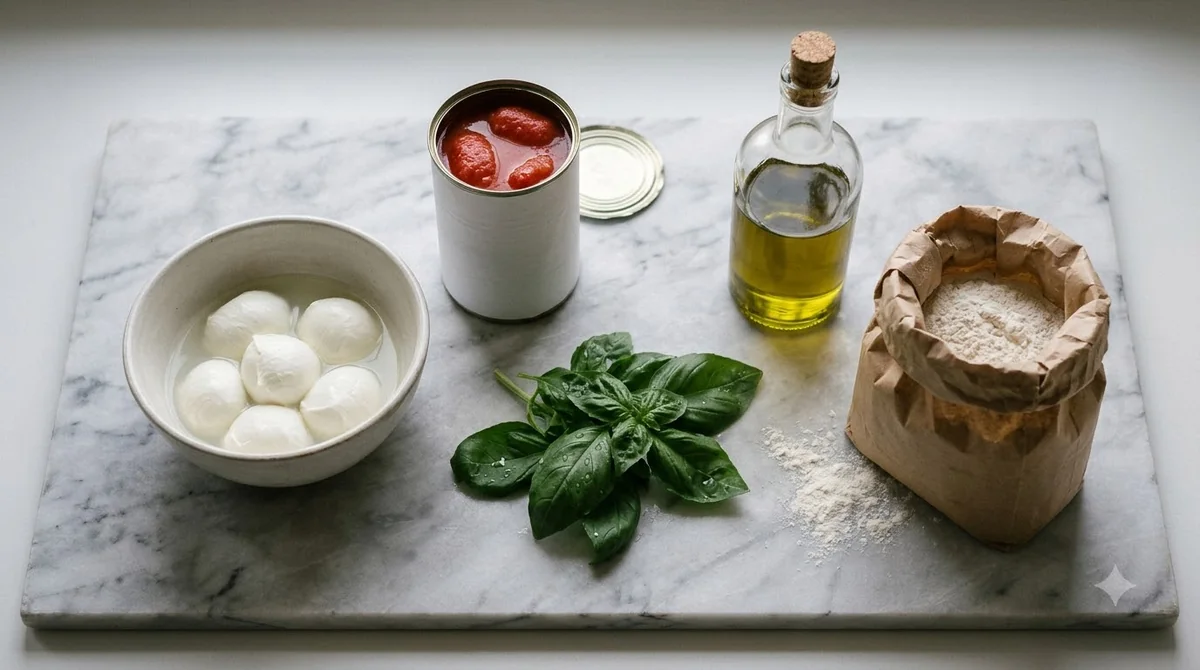
The ridges of penne rigate catch chunky sauce, so a meat ragù or a chunky tomato sauce suits penne pasta well. Creamy sauces are less typical in Italy, although DeLallo does not rule out light cream sauces or seafood.
- Heavier meat ragù and chunkier tomato sauces, the traditional Italian pairing
- Pesto, which coats the ridges with herbs and oil
- Arrabbiata, a very spicy tomato sauce
- Vodka sauce, a creamy tomato sauce with a slight kick
- Baked penne dishes, which suit the shape and hold together under cheese
DeLallo recommends baked penne pasta dishes, which suit the shape and hold together under a layer of cheese and sauce.
Penne is also a strong choice for summer pasta salads, where its firm shape stands up to cold dressing. For a quick weeknight dinner, a simple tomato sauce with garlic and a little basil works well with the tubes. For another short shape that works in baked dishes and salads, see the wider macaroni family.
Penne Substitutes
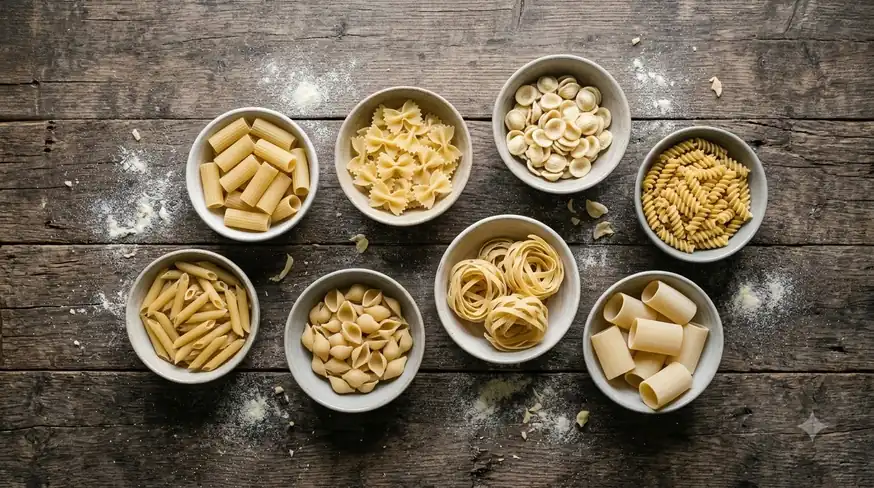
The best penne substitutes are ziti, rigatoni, tortiglioni, fusilli, gemelli and cavatappi, according to DeLallo. Another short shape that holds thick, creamy sauces is the cone-shaped campanelle with its ruffled edge.
Ziti pasta and rigatoni pasta are also tubes, so they suit the same baked dishes and chunky sauces. For a closer look, read penne vs ziti and penne vs rigatoni. They make the most natural swap when a penne pasta recipe is built around a tube shape rather than a specific sauce.
Fusilli, gemelli and cavatappi pasta are twisted or spiral shapes, so pick them when you want a light sauce to coat the twists instead of filling a hollow center. Match the shape to the sauce and the cooking method, not just to the name on the box.
How to Make Homemade Penne
Homemade penne pasta is slow but doable: roll dough thin, cut 2-inch squares, and wrap each one around a 6 mm dowel.
Penne pasta from a dried package is what most shoppers buy, while homemade penne is a project for a slow afternoon. Shaping is the slow part, so cut a full batch of squares and work through them in one session.
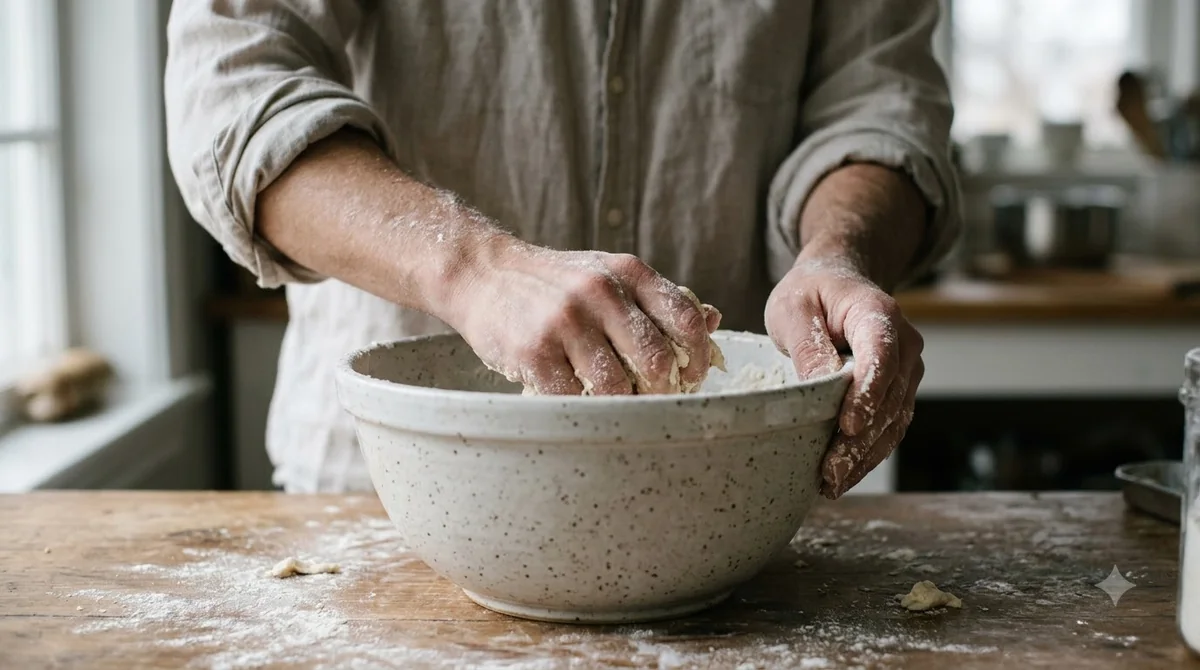
Start by rolling the dough through a pasta machine to setting 5, twice. Without a machine, roll the dough as thin as you can by hand. Cut the sheet into 2-inch (5 cm) squares, and keep the squares covered with a towel so they do not dry out while you work.
- Place one square on an unfloured gnocchi board in a diamond shape.
- Roll the square around a dowel about 6 mm (¼ inch) thick, pressing into the board so the tube picks up lengthwise ridges.
- Press the seam firmly, slide the tube off the dowel, and set it on a tray dusted with semolina while you shape the rest.
- Dry the penne in a single layer. Drying times range from several hours to 12 to 24 hours, so allow the longer time if you can.
- Cook the penne in salted water for 6 to 10 minutes, checking for doneness.
Exact dough amounts vary, so use a standard fresh pasta dough recipe as your base. Once dried, store the penne airtight at room temperature for up to 8 weeks.
Frequently Asked Questions
Is penne pasta the same as mostaccioli?
Partly. For penne pasta, mostaccioli is an English-language name that is often used for smooth penne, but it can also describe ridged penne. Check the ingredient list and the shape on the pack to see which one you are buying.
How long does penne pasta take to cook?
DeLallo’s penne rigate cooks in 10 to 12 minutes, but the brand advises checking doneness before the package time. Start tasting a few minutes early, and drain once the center is firm but not hard.
Should you add oil to penne cooking water?
No. DeLallo advises never adding oil to the cooking water. Reserve a cup of starchy cooking water before draining, and use it to loosen the sauce if it turns too thick.
Can you make penne pasta without a pasta machine?
Yes. Roll the dough as thin as you can by hand, cut 2-inch squares, and shape each one around a dowel on a gnocchi board. Allow several hours of drying before cooking.
What is penne pasta made from?
Penne pasta is usually made from durum wheat, which Wikipedia lists as its main ingredient. Homemade versions use a standard fresh pasta dough instead, so the texture will differ from dried penne.
If you want a chunky sauce to cling to the ridges, choose penne rigate. If your store runs out, rigatoni or ziti will work for the same baked and chunky dishes. Read the pack label before you buy, since sizes vary by brand. Match the shape to the sauce, and every penne pasta dish will work.