
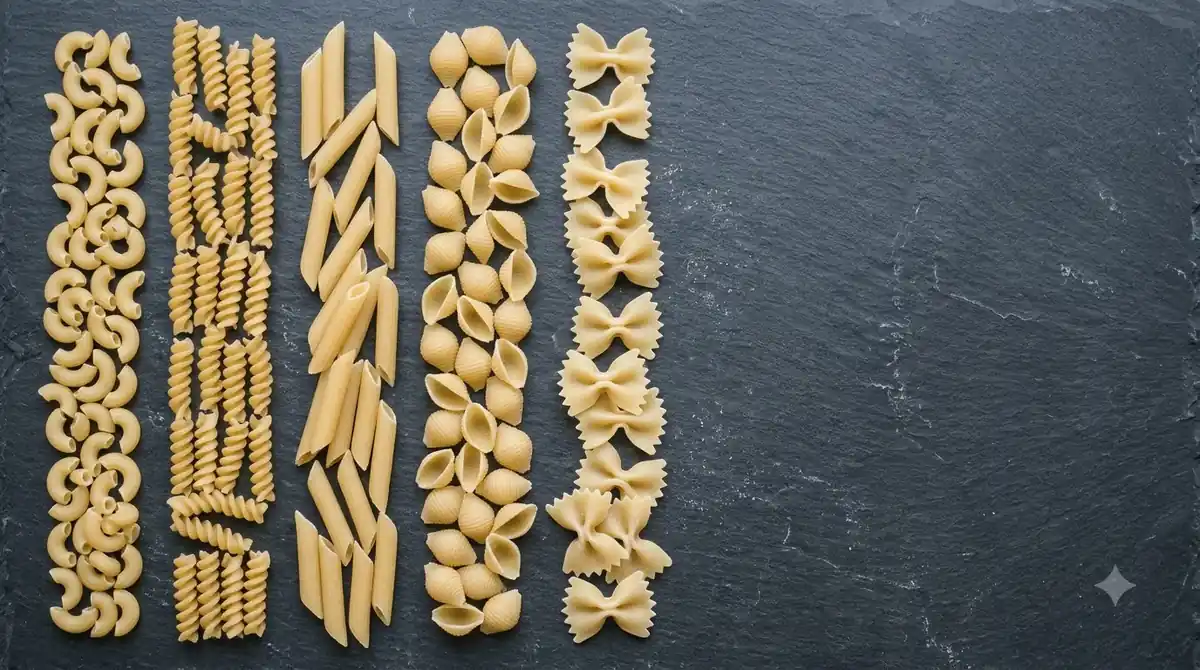

Farfalle pasta is a bow-tie shaped pasta from northern Italy, and its name means “butterflies” in Italian. Food writers trace it to the 16th century in Lombardy and Emilia-Romagna, where it is especially popular today. Dried packs are easy to find, and you can also shape it at home from egg dough.
The pinched center and ruffled edges of farfalle pasta give creamy, tomato and seafood sauces something to hold. If you want the shape without the hand work, dried farfalle pasta from the store is the simpler choice.
What Is Farfalle Pasta?
Farfalle is a pasta cut into a bow-tie shape, and the name comes from the Italian word for butterflies. Outside Italy, most shoppers know it as bow tie pasta.
The shape is at least several centuries old. Food writers place its origin in the 16th century, in the Lombardy and Emilia-Romagna regions of northern Italy. In Emilia-Romagna the same shape is called strichetti, a local term that means bow ties.
The base is durum wheat, although plain and whole-wheat versions are also made. A dried piece is about 1 1/2 inches (4 cm) long, according to CooksInfo’s farfalle guide.
Farfalle Varieties and Sizes
Standard farfalle has three common relatives: a miniature version called farfalline, a larger one called farfalloni, and a ridged farfalle rigate. Each keeps the same bow-tie shape, so the choice comes down to size and surface.
| Variety | What it is |
|---|---|
| Farfalle | The standard bow tie, about 4 cm (1 1/2 inches) long when dried |
| Farfalline | A miniature version |
| Farfalloni | A larger version |
| Farfalle rigate | A ridged surface for grip |
| Colored farfalle | Made with beetroot (red), spinach (green) or cuttlefish ink (black) |
Many brands sell green, white and red farfalle together to echo the Italian flag. The added ingredients change the flavor as well as the color, so a spinach version does not taste exactly like a plain one.
Best Sauces for Farfalle
Farfalle pasta pairs best with creamy, tomato, seafood and meat sauces, and it also works in a cold pasta salad with pesto. The shape’s folds and pinched center give thicker sauces more to hold onto. Surface texture helps too, which is why some cooks look for a rougher dried pasta when they want sauce to cling.
- Plain tomato sauce, such as a simple homemade marinara sauce, with a drizzle of olive oil. CooksInfo says the shape “will capture both beautifully” the sauce and the oil.
- Cream sauces, which The Pasta Project lists as a usual partner for farfalle.
- Seafood, such as arugula with small calamari, a combination from Lombardy.
- Heavy meat sauces, including Bolognese and liver ragu from Emilia-Romagna.
- Cold pasta salad with pesto, olive oil and toasted pine nuts, served chilled.
For something different, farfalle cremasca from Lombardy mixes crushed amaretti biscuits with butter and sage. It is a sweet and savory pairing that reflects the region’s cooking.
Homemade Farfalle: Dough and Rolling
To make farfalle pasta by hand, combine 100 g of “00” flour, 100 g of durum semolina and two large eggs of about 70 g each. Knead the dough until smooth, then let it rest for 30 minutes before rolling. If you have made egg dough before, the steps will feel familiar, much like the dough for hand-pinched tortellini or rolled garganelli.
- Combine the flours and eggs in a bowl, then knead until the dough is smooth and holds together.
- Wrap the dough in plastic wrap and rest it for 30 minutes at room temperature.
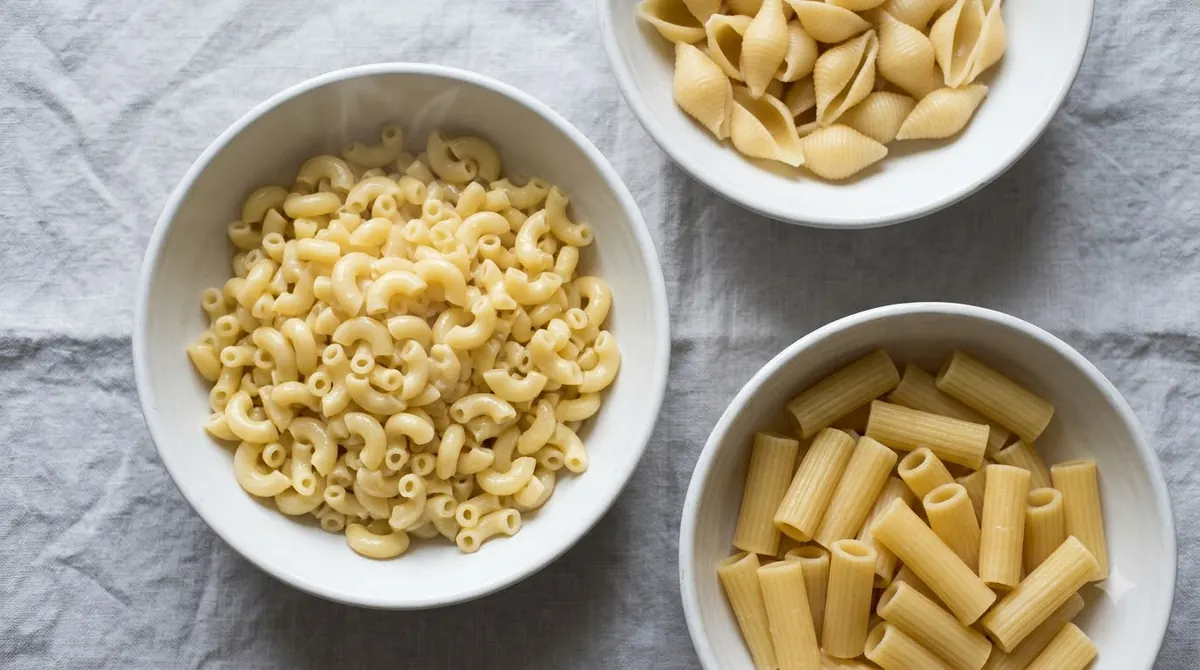
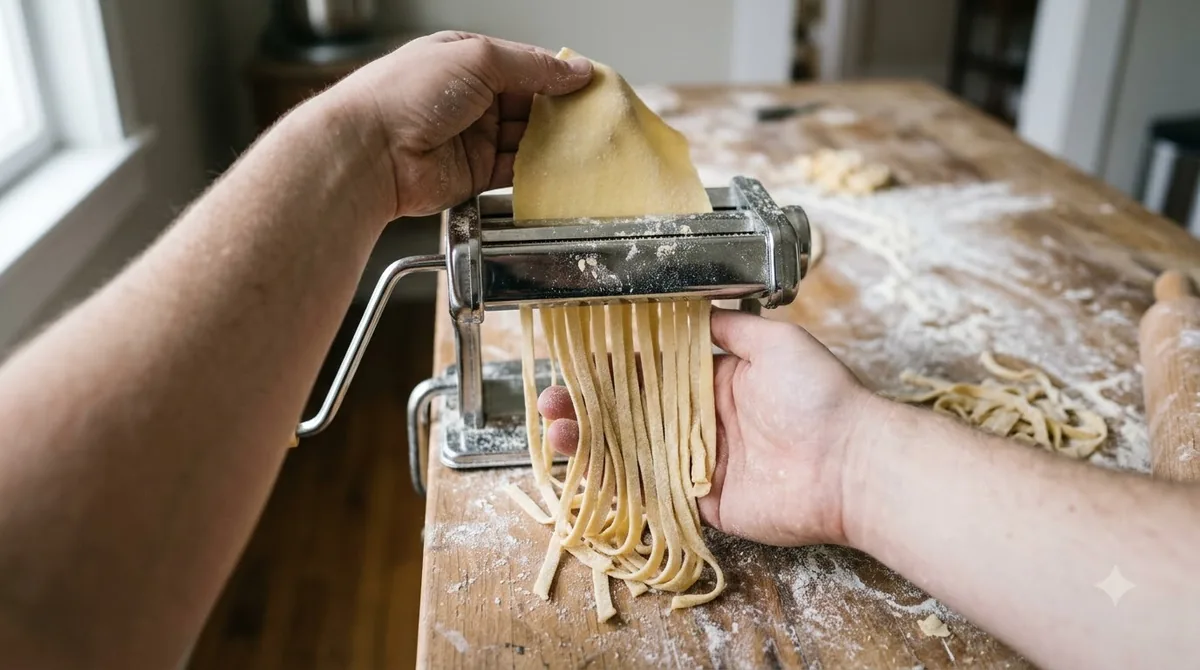
- Roll the dough into sheets about 1 mm thick. A manual pasta machine makes this easier, but a rolling pin works if you keep the dough thin and even.
The Recipes from Italy farfalle recipe uses these exact weights, so it is a useful reference when you measure.
How to Shape Farfalle Bow Ties
Cut the rolled sheet into strips about 6 cm (2.5 inches) wide, cut those into rectangles about 4 cm (1.5 inches) long, and pinch each rectangle into a bow tie. Dry the shapes before cooking.
- Cut vertical strips about 6 cm (2.5 inches) wide with a knife or pastry wheel.
- Cut horizontal rectangles about 4 cm (1.5 inches) long from each strip.
- Pinch the center of each rectangle. Lift one short edge toward the middle with your thumb, fold the opposite edge with your index finger to meet it, and press gently to seal.
- Lay the bow ties in a single layer on a tray dusted with semolina and let them dry for about 30 minutes.
A fluted pastry wheel gives the cut edges of farfalle pasta a zigzag look, while a plain knife gives straight edges and works just as well for the shape.
Dried vs Homemade Farfalle
Dried farfalle pasta is made from durum wheat and keeps on the shelf, while homemade farfalle pasta uses egg dough, dries for about 30 minutes and cooks in about 5 minutes. The table compares the two.
| Attribute | Dried farfalle | Homemade farfalle |
|---|---|---|
| Main ingredients | Durum wheat | “00” flour, semolina and eggs |
| Drying | Done before packing | About 30 minutes on a semolina-dusted tray |
| Cooking time | Follow the package time | About 5 minutes in boiling salted water |
| Shape | Even, machine-made pieces | Hand-pinched, so each piece differs slightly |
Dried farfalle pasta suits a weeknight dinner. Homemade farfalle suits a slower afternoon when you have time to rest the dough and pinch each bow tie. Dried farfalle also works well in a cold pasta salad, much like rotini pasta or small orzo pasta, and for a ruffled ribbon shape instead of a bow tie, try mafaldine ribbons.
Cooking Farfalle Without Overcooking It
Cook farfalle pasta until it is just tender to the bite, because overcooked farfalle turns slimy and loses its texture. Follow the package time for dried pasta and taste before it ends.
- Use plenty of boiling water with salt, and add the farfalle once the water is boiling.
- Start tasting a little before the package time ends for dried pasta.
- Homemade farfalle needs only about 5 minutes in boiling salted water, although the same recipe elsewhere says 2 to 3 minutes, so taste a piece early.
- Drain and toss with the sauce right away, while the pasta is still warm.
The most common mistake with farfalle pasta is cooking it until it is soft all the way through, which leaves no bite. Keep the pasta a touch firmer than you think it should be, then finish cooking it in the sauce.
Frequently Asked Questions
Is farfalle the same as bow tie pasta?
Yes. Farfalle is the Italian name for the butterfly-shaped pasta that English speakers usually call bow tie pasta. The two names refer to the same shape, so either one works when you shop. The Italian word means “butterflies,” which is where the shape gets its name.
What does farfalle mean?
Farfalle means “butterflies” in Italian, and the name refers to the pasta’s bow-tie shape. The pasta is cut into a rectangle or oval, with two sides trimmed to a ruffled edge and the center pinched together. Smaller versions are called farfalline, and larger ones are called farfalloni.
Where does farfalle pasta come from?
Farfalle is generally traced to the 16th century in Lombardy and Emilia-Romagna in northern Italy. In Emilia-Romagna the shape is called strichetti, which means bow ties. Farfalle is especially popular in northern Italy today, and regional dishes such as farfalle cremasca come from Lombardy.
What is the best sauce for farfalle?
Creamy sauces, plain tomato sauce with olive oil, seafood and meat sauces such as Bolognese all suit farfalle. For a cold dish, pesto with olive oil and toasted pine nuts works in a pasta salad served chilled. A thicker sauce tends to cling to the folds and pinched center better than a thin one.
Can you make farfalle pasta without a pasta machine?
Yes. Roll the dough by hand with a rolling pin until the sheets are about 1 mm thick, then cut strips about 6 cm wide and rectangles about 4 cm long. A pasta machine makes the rolling easier, but the dough does not need one. Pinch each rectangle at the center to form the bow tie.
How long does farfalle pasta take to cook?
Homemade farfalle takes about 5 minutes in boiling salted water, according to the Recipes from Italy recipe, which also mentions 2 to 3 minutes in another section, so taste early. Dried farfalle follows the time printed on the package, so start tasting a little before the end. Cook until it is just tender to the bite, because overcooked farfalle turns slimy.
Choose dried farfalle pasta when you want a classic sauce on a busy evening. Make the homemade version when you have time to rest the dough and pinch each bow tie by hand. Either way, match the sauce to the shape and cook the pasta just until tender.