
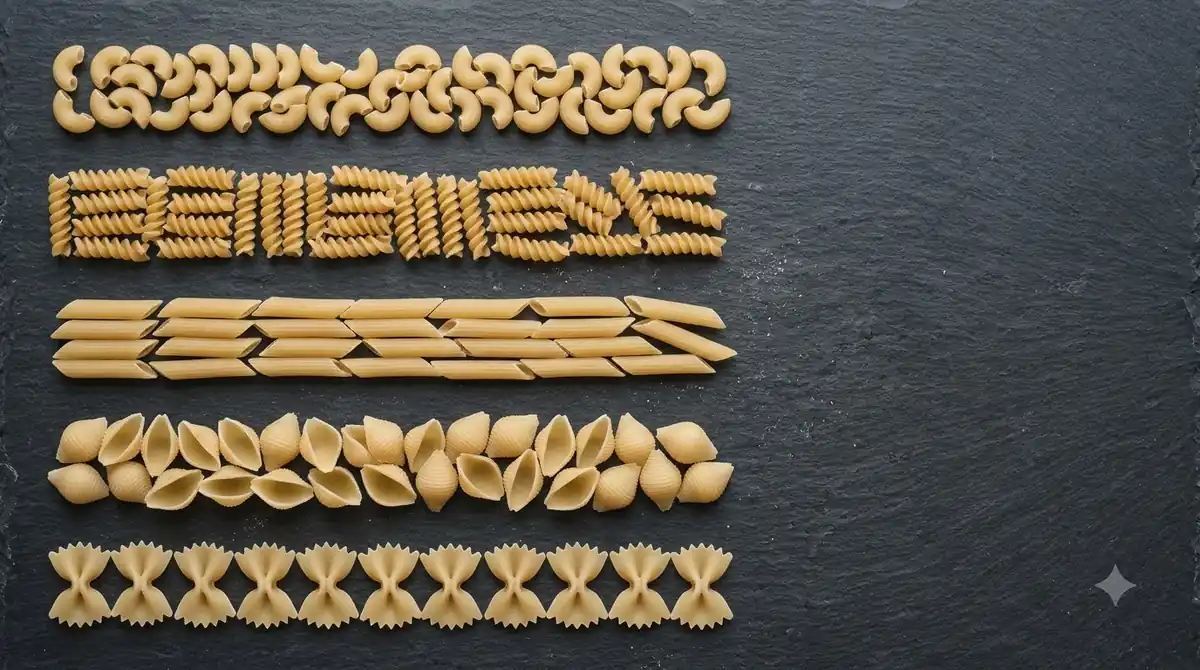

Casarecce pasta is a short, S-shaped twist from Sicily, traditionally bronze-die cut so its surface is rough enough to grip sauce. Its curves trap thick sauces well, which makes it a practical choice for everyday home cooking.
Thick ragù, pesto and creamy sauces cling to its curves better than thin dressings do. Cooking time, sauce pairings, substitutes and a homemade method follow.
What Is Casarecce Pasta?
Casarecce is a short pasta from Sicily, Italy, rolled up on itself like a scroll. Its name comes from the Italian word “casereccio,” meaning homemade.
Wikipedia’s casarecce entry places the shape in the Sicily region and describes short twists that appear rolled up on themselves like a scroll. That description matches the name, and it is the easiest way to recognize the shape on a store shelf.
Delallo, a producer of artisan Italian pasta, describes its casarecce as loosely rolled lengthwise with a slight twist, like a scroll. The brand makes it from durum wheat semolina and mountain spring water, and says the pasta is vegan and made in a facility free of eggs, peanuts and tree nuts. Readers with allergies should still check the label of any casarecce pasta they buy.
Casarecce pasta is one of many short, twisted shapes. Once you can recognize the S-curve, you can pick it out from other short cuts on a store shelf without reading the label.
Why Casarecce Holds Sauce So Well
Casarecce’s S-shaped curves and rough surface catch sauce in every twist. Rao’s says its pasta captures every drop of sauce in each of its curves, so the shape does real work on the plate.
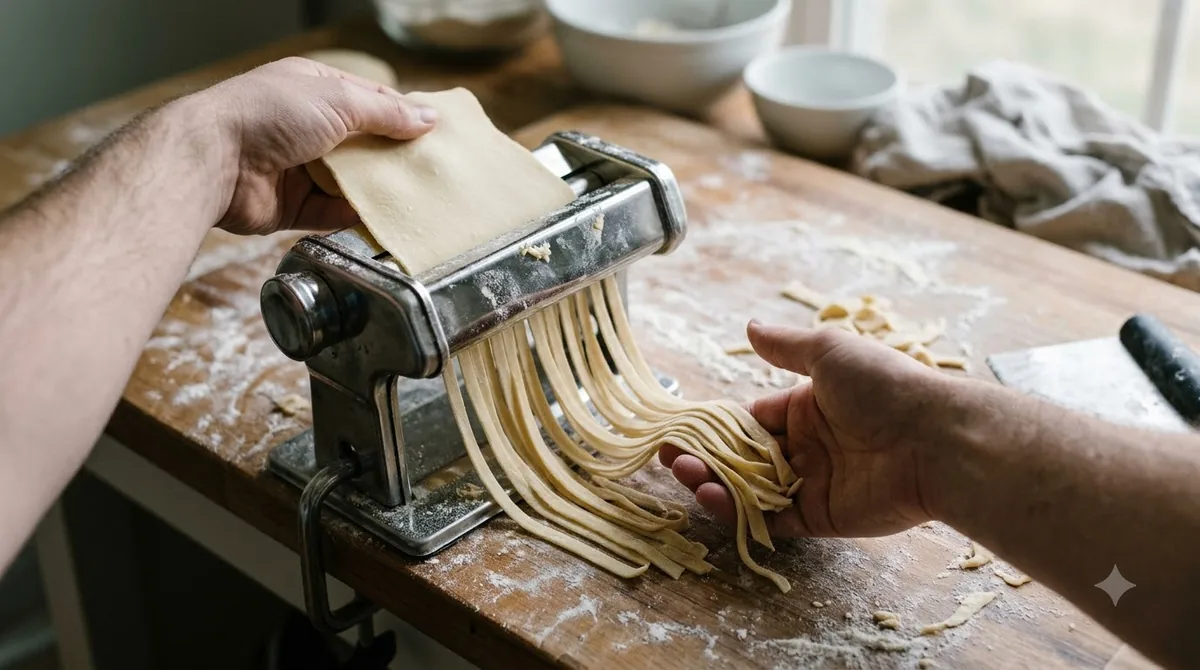
Rao’s makes its casarecce from durum wheat semolina alone, and the brand says it is traditionally bronze die cut, the method behind bronze cut pasta. The brand describes the result as a naturally rough, porous surface.
Delallo uses the same idea. Its casarecce is extruded through bronze dies to create a rougher surface that absorbs and captures sauce better. The brand then dries the pasta in a static cell at a controlled low temperature, a slow process meant to keep the wheat flavor and texture.
That texture matters for casarecce pasta. A smooth noodle lets a thin sauce slide off, while a porous surface and open curves give sauce more places to hold on. Three features make casarecce useful for sauces:
- S-shaped curves that catch small pieces of meat or vegetables
- A rough, porous surface from bronze-die cutting
- Slow, low-temperature drying that Rao’s calls time-honored
If you like ridged shapes that hold chunky sauce, ruffled radiatori pasta works in a similar way. The shape helps most with sauces that have some body. It does much less for very thin sauces, which run off any pasta quickly, including casarecce pasta.
Which Sauces Go Best With Casarecce?
Wikipedia lists cream or cheese, meat, napolitana, seafood, pesto and vegetables as traditional partners for casarecce. Chunky sauces suit casarecce pasta best.
Each pairing works for a practical reason. Meat and vegetable sauces leave small pieces that get caught in the curves, while pesto and cheese sauces cling to the rough surface. Delallo lists a similar set of partners, including Sicilian pistachio pesto, fresh tomato sauces, seafood sauces and olive-oil-based sauces.
- Meat sauces with small pieces of meat, such as Bolognese
- Napolitana, a classic tomato sauce
- Pesto, including Sicilian pistachio pesto or roasted red pepper pesto
- Cream or cheese sauces, and cheesy baked pasta
- Seafood sauces
- Vegetable sauces and olive-oil-based sauces
If your sauce is watery, reduce it before you add the pasta. A thin sauce runs off the rough surface, so you lose the benefit of the shape. Choose a sauce with body and pieces to catch in the curves, and the best sauce for casarecce will usually be the one that clings to the pasta.
Casarecce Cooking Time and Substitutes
Rao’s dried casarecce takes 11 minutes to reach al dente and 12 minutes for a softer bite. Homemade dried casarecce takes 12 to 15 minutes, so start tasting at 10 minutes.
| Pasta type | Cook time | Source |
|---|---|---|
| Rao’s dried, al dente | 11 minutes | Rao’s product page |
| Rao’s dried, more tender | 12 minutes | Rao’s product page |
| Delallo artisan dried | 16 to 18 minutes | Delallo product page |
| Homemade, dried | 12 to 15 minutes | The Pasta Project |
Taste a piece before you drain it, and treat the package time as a guide rather than a fixed rule. The table shows why: Delallo’s artisan casarecce needs noticeably longer than Rao’s, so the brand on the box matters.
Delallo’s product page gives the cook time of 16 to 18 minutes for its casarecce and advises bringing plenty of salted water to a boil before adding the pasta. It also recommends stirring often and draining carefully.
If you cannot find casarecce, Delallo lists fusilli, cavatappi and gemelli as suitable substitutes, and our guides to fusilli pasta, cavatappi pasta and single-strand gemelli pasta cover how they cook. Each is a short twisted shape, so the cook time and sauce grip stay close to those of casarecce pasta.
Homemade Casarecce Pasta: Step by Step
Homemade casarecce pasta starts with 250 g durum semolina, 100 g soft wheat flour and 200 ml warm water with a teaspoon of salt. Knead it for at least 10 minutes, rest it for 30, then shape it around a rod.
The homemade method from The Pasta Project uses these quantities and suggests Italian “0” flour, though “00” flour or all-purpose flour also work. The dough is worked by hand, so the result depends on how well you knead it.
- Mix the semolina and soft wheat flour, then add the salted warm water and bring the dough together.
- Knead vigorously with your palms for at least 10 minutes, until the dough is soft and pliable.
- Cover with plastic wrap and rest the dough for 30 minutes.
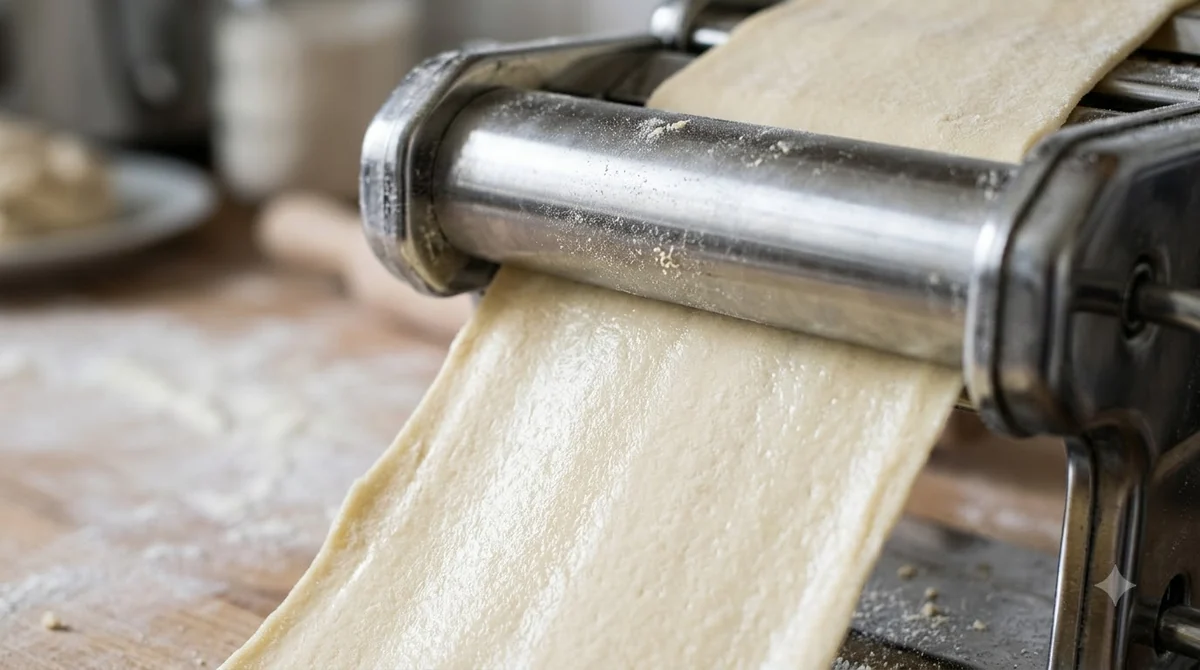
- Roll the dough into a sheet of medium thickness, not as fine as tagliatelle or lasagna sheets.
- Cut the sheet into strips about 1.5 cm wide, then into rectangles about 6 cm long.
- Roll each piece around a thin rod, slide it off, then press the rod gently into the pasta to form the scroll shape.
Dust the pasta with semolina as needed so it does not stick to the rod or the board. Shaping takes practice, so the first batch may look uneven, and that is normal for handmade casarecce pasta.
Many home cooks find that the rod is the tricky part. The Pasta Project’s card suggests a thin knitting needle, a dowel or a skewer in place of the traditional ferro, which keeps the method simple.
Storing and Drying Casarecce
Homemade casarecce pasta can dry overnight in a cool, dry place, or you can cook it right away. Do not refrigerate it uncooked, because humidity makes it soft and sticky.
Store-bought dried casarecce is already dried by the manufacturer, so at home you only need to keep it in a dry cupboard. Homemade pasta needs the extra drying step before it is stored, which is why the timing matters.
- Dry homemade casarecce overnight in a cool, dry place
- Cook it the same day if you prefer a fresh bite
- Keep uncooked homemade pasta out of the fridge
Frequently Asked Questions
Where does casarecce come from?
Casarecce pasta comes from the Sicily region of Italy, according to Wikipedia’s pasta reference. The name comes from the Italian word “casereccio,” meaning homemade, and the pasta is shaped as a short, scroll-like twist.
How long does casarecce pasta take to cook?
Rao’s dried casarecce takes 11 minutes for al dente and 12 minutes for a more tender bite. Delallo’s artisan version takes 16 to 18 minutes, and homemade dried casarecce takes 12 to 15 minutes in salted boiling water.
What sauce goes best with casarecce?
Meat, napolitana, pesto, cream or cheese, seafood and vegetable sauces all pair well with casarecce. Choose a sauce with enough body to settle into the curves.
Can you make casarecce pasta without a special tool?
Yes. The Pasta Project suggests a thin knitting needle, a dowel or a skewer in place of the traditional ferro. Roll each piece around the rod, slide it off, and press gently to form the scroll.
Should you refrigerate uncooked homemade casarecce?
No. The Pasta Project advises against refrigerating uncooked casarecce because humidity makes it soft and sticky. Dry it overnight in a cool, dry place or cook it right away.
Choose casarecce pasta when your sauce is chunky, such as a meat or vegetable sauce, and skip it for thin dressings. For a weeknight meal, store-bought dried casarecce is the quickest route, and homemade is worth the extra time when you want to shape it yourself.