

Cavatappi pasta is a spiral, hollow Italian pasta with ridges on the outside. Its name means corkscrew in Italian, and the shape holds sauce well in both hot and cold dishes.
The shape works with tomato sauces, creamy cheese sauces, baked dishes and pasta salads. If you cannot find it at the store, rotini is the closest swap. See fusilli vs rotini for how the two names relate.
What Is Cavatappi Pasta?
Cavatappi pasta is a hollow, ridged spiral pasta whose name means corkscrew in Italian. The tube has a hollow center and a grooved outer surface, so sauce can fill the inside as well as the ridges. Unlike fusilli pasta, which is a flat twist, cavatappi is a true tube that has been twisted into a helix.
Its size sits between smaller shapes and larger ones. DeLallo’s cavatappi guide describes it as larger than cavatelli and elbow macaroni, which helps when you compare it with other short pastas on a shelf.
- A hollow center that traps thin sauces
- A ridged outside that grips chunky pieces of meat and vegetables
- A short spiral that stays intact when stirred into a heavy sauce
When you read a box, look for the word cavatappi and a shape description. Many shoppers in the US find cavatappi pasta under its own name, while other boxes use alternate names.
Because the shape is hollow, a cavatappi pasta piece holds more sauce than a solid spiral of similar size. That is the main reason cooks choose it for thick, chunky dishes.
How to Cook Cavatappi Pasta
Cook cavatappi in well-salted boiling water for about 7 to 8 minutes, then test a piece for al dente before you drain it. The steps below follow the guidance on DeLallo’s cavatappi page, which also covers salt and pasta water.
- Bring a large pot of water to a rolling boil.
- Add about 2 tablespoons of salt for every 5 quarts of water.
- Stir in the cavatappi and cook for about 7 to 8 minutes.
- Before draining, scoop out 1 cup of the cooking water and set it aside.
- Drain the pasta and toss it with the sauce while it is still hot.
Start tasting at 7 minutes. Al dente means the pasta still has a slight bite in the center. Package directions come first, because brands differ in thickness. Some websites list longer cook times, so check early rather than trust one number.
Salt is the only seasoning the water needs. The cavatappi pasta absorbs some of it while it cooks, so a well-salted pot gives flavor from the inside out, not just on the surface.
The reserved pasta water is useful when the sauce has thickened. Add a splash at a time while you stir, and the starch in the water helps the sauce cling to the ridges.
Best Sauces for Cavatappi Pasta
Cavatappi suits chunky tomato, creamy cheese, meat ragu and pesto sauces, because the hollow ridges catch and hold them. Choose a sauce with small pieces that can settle into the grooves.
- Chunky tomato sauce, which collects in the ridges and the hollow center
- Creamy cheese sauce, such as a mac-and-cheese style blend
- Meat ragu, with small pieces of meat caught in the spiral
- Pesto, or butter and Parmesan for a lighter finish
For a weeknight dinner, toss cavatappi pasta with a thick tomato sauce and a handful of grated Parmesan. A thin sauce should simmer for a few minutes first so it can cling to the ridges instead of pooling at the bottom of the bowl.
Baked pasta dishes also work well, because the shape holds cheese and sauce through the oven. For cold salads, cavatappi captures small bits of chopped onion and celery, which makes it a practical choice for tuna or vegetable salads.
Cavatappi Serving Sizes and Equivalents
One cup of dry cavatappi weighs about 75 grams and cooks to about 2 cups. Use these numbers when you plan portions, especially when you cook for a group.
The same equivalents appear on CooksInfo’s pasta measurements, which also lists the larger batch of 4 cups. Volume can shift with how loosely the pasta is packed in the cup, so a kitchen scale is more accurate when portions matter.
Weighing is the easiest way to scale a recipe. Because 4 cups of dry cavatappi pasta is about 300 grams, and a scale removes the guesswork that loose cups create, you can double or halve a batch with a scale and keep every serving consistent.
| Measure | Dry weight | Cooked volume |
|---|---|---|
| 1 cup | 75 g (2.6 oz) | 2 cups |
| 4 cups | 300 g (10.5 oz) | 8 cups |
Cavatappi Substitutes and Similar Shapes
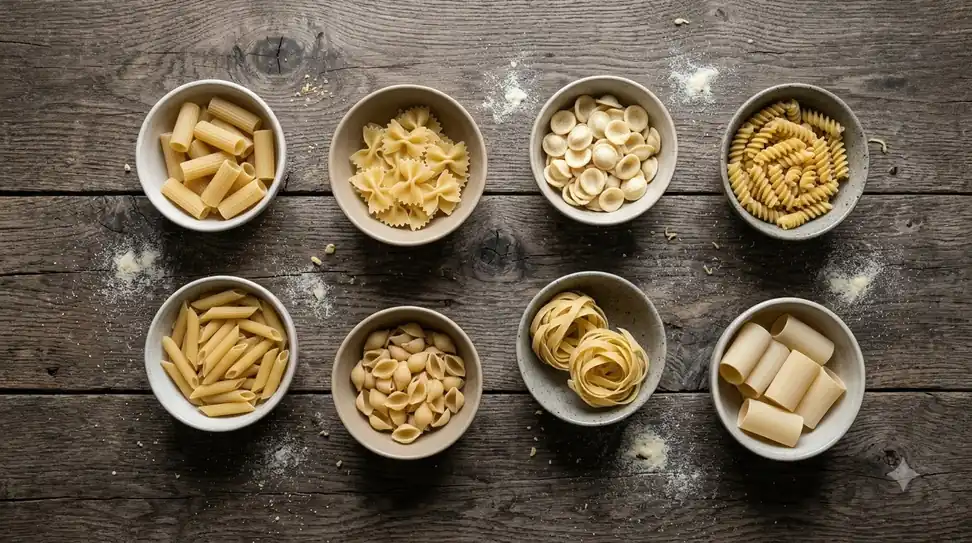
Rotini is the closest substitute for cavatappi, and rigatoni pasta, fusilli and ridged penne pasta work in many of the same sauces. Pick the swap for your cavatappi pasta based on whether the sauce needs a hollow tube or a spiral. If you also want a gentler twist with a rough, bronze-cut surface, S-shaped casarecce from Sicily is worth a look.
| Shape | Why it works | Main difference |
|---|---|---|
| Rotini | Similar spiral size and twist | Solid, not hollow |
| Fusilli | Grooves hold sauce on the surface | Flat twist, not hollow |
| Rigatoni | Hollow tube that fills with thick sauce | Straight, not spiral |
| Penne rigate | Ridged tube that grips chunky sauce | Angled ends, no spiral |
If you need a substitute in a hurry, check your pantry for rotini first. It is the nearest match for cavatappi pasta in both size and texture, so the cook time and sauce pairing stay close to the original.
Choose rotini when you want the closest look and bite. Choose rigatoni or penne rigate when a thick meat sauce needs a hollow tube. Fusilli is a common swap in creamy sauces, though its flat twist holds less sauce inside.
Other Names for Cavatappi
Cavatappi goes by cellentani, spirali, tortiglione and amori in different markets, and by scoobi doo in North America. Shoppers may see any of these names on a box or a menu, and a cavatappi pasta label in a foreign market may use one of them instead. Check the shape description on the back of the package to confirm what you are buying.
Cellentani and spirali appear on many labels in Europe and other markets. In the US and Canada, the shape is often sold as scoobi doo pasta, and the reason for that name is not clear. Some people also call it double elbows, which describes the look of two bent tubes.
Knowing the alternate names helps when you shop abroad or follow a recipe written in another country. The shape stays the same, so a cavatappi pasta recipe works with any of these labels.
Making Cavatappi at Home
Making cavatappi at home needs a shaping tool, because the hollow tube and the spiral are hard to form by hand from a plain sheet of dough. Without that equipment, buying dried cavatappi is the simpler choice.
A tube-shaped pasta die gives the hollow center, and a spiral attachment or careful hand twisting adds the turns. Fresh pasta cooks faster than dried, so start testing much earlier than the times listed above.
Homemade cavatappi pasta is a project for people who enjoy shaping dough and own the right tools. If you only want a good dinner, buying a box of dried cavatappi pasta and following the steps above gives reliable results.
Frequently Asked Questions
What does cavatappi mean?
Cavatappi means corkscrew in Italian, which describes the spiral, hollow shape of this pasta. The tube has ridges on the outside and a hollow center. Shoppers in some markets know it by other names, such as cellentani or spirali.
Is cavatappi the same as fusilli?
No. Cavatappi is a hollow tube with ridges, while fusilli is a flat twist with grooves. Because cavatappi is hollow, it holds more sauce inside the tube. Rotini is the closest swap if you want a similar spiral look.
How long do you cook cavatappi?
Most guidance puts cavatappi at about 7 to 8 minutes in salted boiling water. Start testing at about 7 minutes and look for a slight bite in the center. Package directions come first, since brands can differ in thickness and cook time.
What is a good substitute for cavatappi?
Rotini is the closest substitute, because its spiral shape holds sauce in a similar way. Rigatoni and penne rigate work well in thick meat sauces and baked dishes. Pick a shape that matches the sauce you are making, whether that is cavatappi pasta or another short shape.
Can you bake cavatappi?
Yes. Cavatappi works in baked pasta dishes, where the hollow shape and ridges hold cheese and sauce through the oven. Cook it until just short of done before baking, since it keeps softening in the oven.
If you are choosing a shape for a new recipe, pick cavatappi pasta for chunky tomato and creamy cheese sauces, and keep rotini as a backup. Test the cook time early, since brands vary, and keep a cup of pasta water nearby to loosen a sauce that has thickened.