
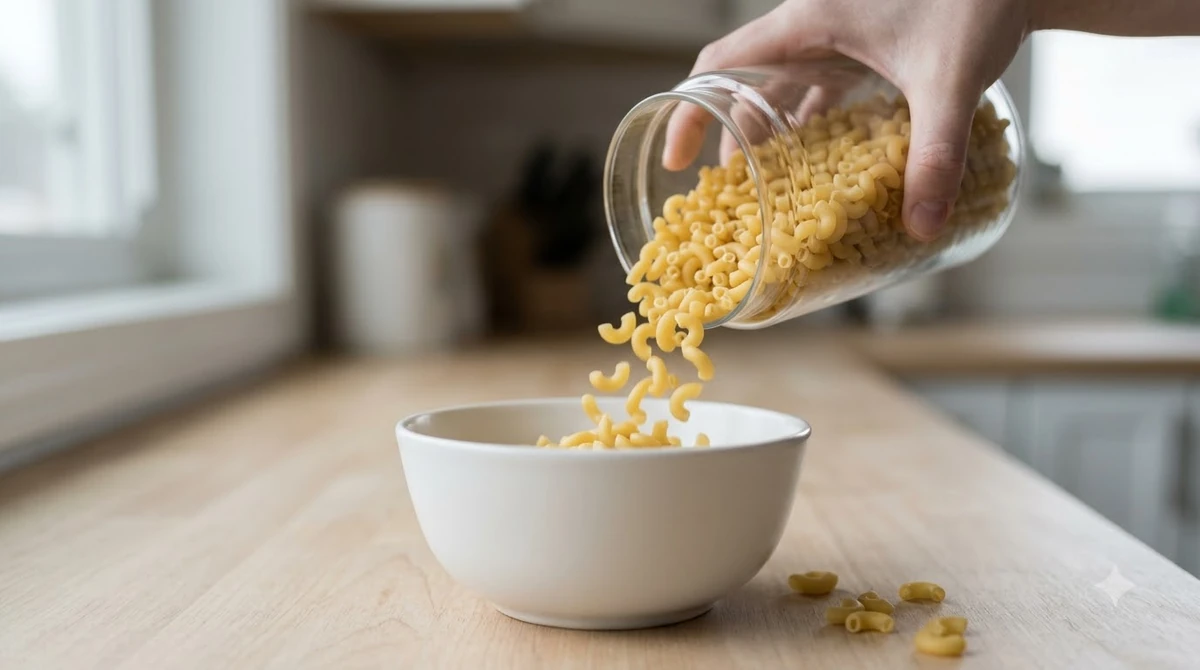

Tubetti pasta is a very small, straight-cut tube pasta that is mostly used in soups and legume dishes. The name is Italian for “little tubes,” and packaged pieces are usually about one-quarter inch long. It is a staple in minestrone and other brothy dishes, where each spoonful can carry tubes of pasta together with beans and vegetables.
What Is Tubetti Pasta?
Tubetti pasta is a factory-made tubular pasta made from durum wheat flour and water, and it is closely associated with the Campania region in southern Italy. The Encyclopedia of Pasta lists the same simple ingredients, which makes it an easy, plain pantry shape.
The shape has a long history, and tubetti pasta has been part of Italian cooking for generations. In Puglia, a similar small shape called pasta d’ingegno was common by the early 1800s, and regional names such as denti di vecchia and denti di cavallo are still used in Puglia and Sicily.
Today you will see the same shape sold under several names. Tubettini, ditali and ditaletti all appear as alternate names for tubetti in reference works, and the naming changes from brand to brand. If the exact name on the box matters for your recipe, read the size details on the package rather than relying on the label alone.
Tubetti Size and Shape
Most tubetti are no wider than half an inch (1.3 centimeters) across, and packaged pieces are usually about one-quarter inch (0.6 centimeters) long. A ridged No. 72 from Rummo, for example, measures 8.6 mm across and 9.5 mm long, so brands differ a little. The tubes are small enough to sit on a spoon with a few beans and bits of vegetable.
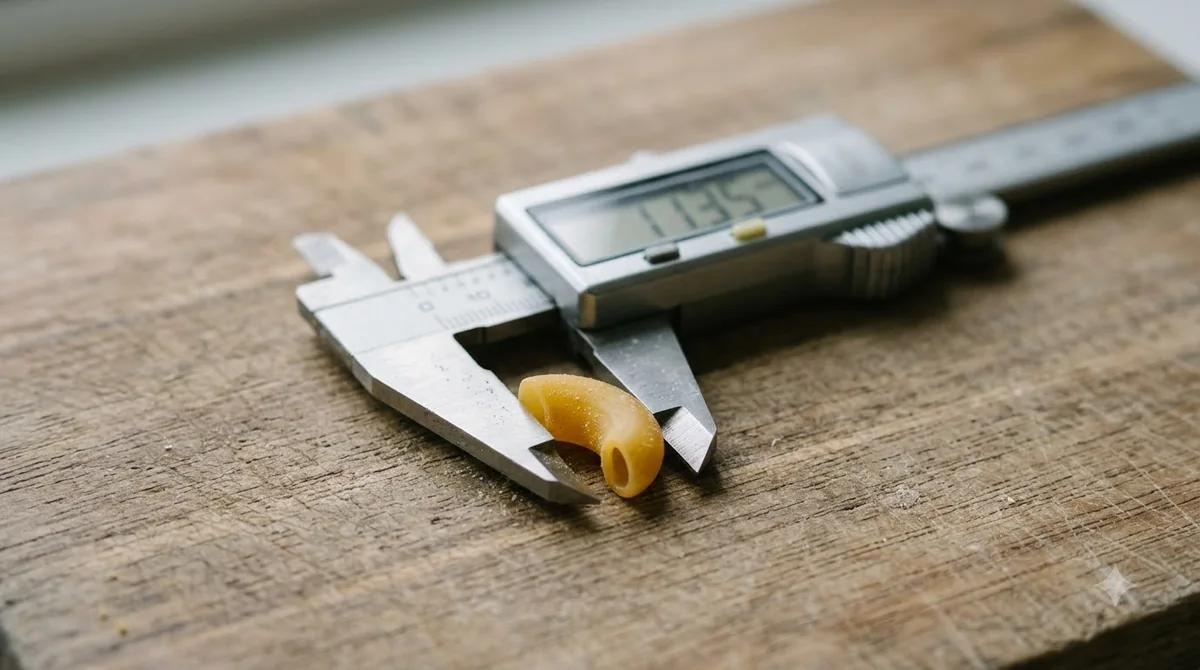
The cut is the easiest way to tell tubetti apart from its close cousins. Tubetti is usually cut straight across. Delighted Cooking contrasts it with penne, which is slightly thinner, cut into longer pieces and finished with slanted ends.
Because the pieces are so short, tubetti pasta does not give the long, chewy bite of spaghetti or rigatoni. Instead, it blends into a spoonful of broth, which is why cooks use it so often in soups and bean dishes.
Smooth and Ridged Tubetti
Tubetti pasta comes in two main finishes: smooth and ridged, which Italian makers label rigati. The ridged style has more surface texture, while the smooth style is plain-sided.
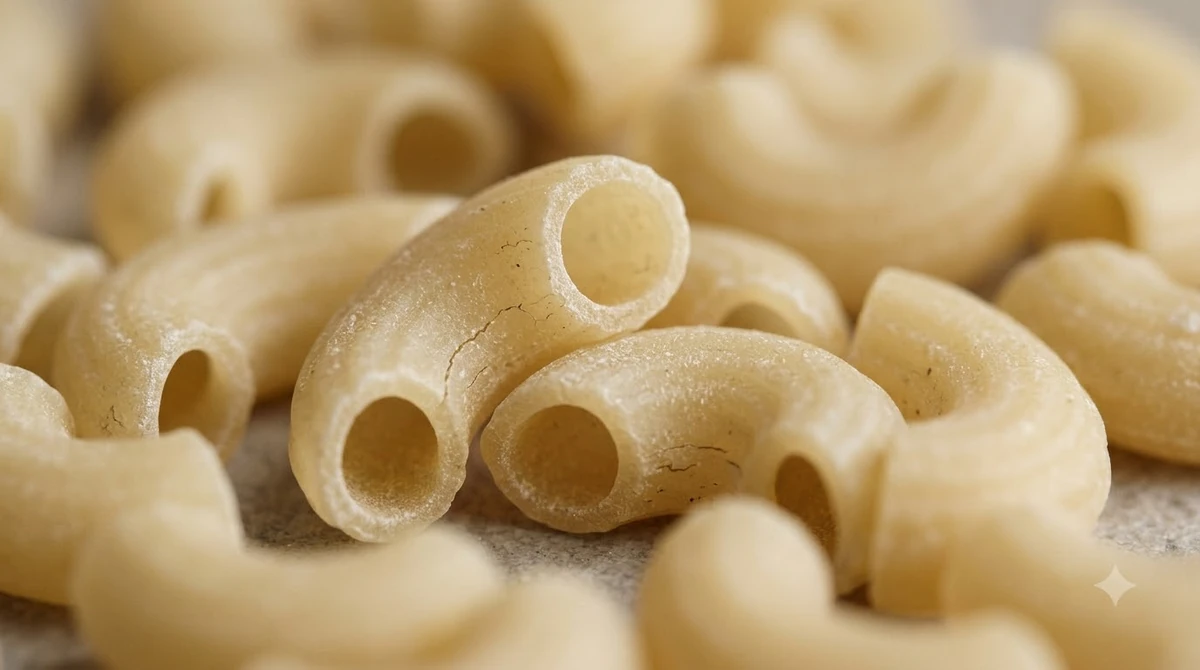
The Italian manufacturer Rummo lists its tubetti rigati No. 72 at 9.5 mm long and 8.6 mm in diameter, with a cook time of 12 minutes. The company describes the shape as a versatile option for dishes such as pasta al pomodoro, vegetable soup and minestrone, which is a useful guide if you are choosing between styles at the store.
Either finish works in soup. Choose the ridged style when you want more texture in a tomato dish, and the smooth style when you want the cleanest look in a clear broth.
Tubetti in Soups and Legume Dishes
Tubetti pasta is most often cooked in soup, especially minestrone and Italian wedding soup, and it is a natural partner for beans, lentils and chickpeas. Delighted Cooking lists both minestrone and Italian wedding soup as typical uses, and the Encyclopedia of Pasta notes that tubetti is cooked in broth or with legumes.
A simple method for a pot of soup works well:
- Build the base first, using broth, a tomato base or both, and bring it to a gentle simmer.
- Add beans, lentils or diced vegetables early so they have time to soften.
- Stir in the tubetti near the end of cooking so it stays firm and does not turn mushy.
- Taste a piece before serving and remove the pot from the heat while the pasta still has a slight bite.
The thinner the soup, the smaller the pasta should be. Tubetti suits hearty soups such as minestrone, while ditalini pasta is the neater choice for thin broths and vegetable soup. If your pot is mostly broth, tubetti still works, but it will feel heavier on the spoon. Two other small shapes that often end up in the pot are orzo pasta and elbow macaroni.
Pasta keeps soaking up liquid as the soup cools, so leftover tubetti soup can turn thick and soft by the next day. If you plan to freeze the pot, leave the pasta out and add freshly cooked tubetti after thawing. If you are not freezing it, cook the tubetti separately and add it to each bowl.
How Long to Cook Tubetti
Packaged tubetti pasta usually cooks in 8 to 12 minutes, and Rummo’s ridged version lists 12 minutes on its product page, the top of that range. Start tasting at the low end, since the pieces are small and overcook quickly. In soup, the pasta keeps cooking in the hot broth, which is another reason to add it near the end.
Fresh tubetti pasta cooks faster, and cook times vary by maker. Check the package for the exact time, or test a piece instead of relying on a single number.
To cook tubetti as a side dish or for a cold pasta salad:
- Bring a large pot of water to a rolling boil and salt it generously.
- Add the tubetti and stir once so the pieces do not stick together.
- Start checking after 8 minutes and taste a piece.
- Drain when it is just tender, then toss it with sauce or dressing right away while it is still warm.
Tubetti Compared with Penne, Ditalini and Tubettini
Penne is the most common comparison for tubetti pasta, while ditalini and tubettini are small relatives that often appear in the same soup recipes. The table below shows the main differences as the sources describe them.
| Pasta | Shape and cut | Best known use | Key note |
|---|---|---|---|
| Tubetti | Short tube, straight cut | Soups and legume dishes | Packaged pieces about one-quarter inch long |
| Tubetti rigati No. 72 | Ridged tube, 9.5 mm long | Pasta al pomodoro, minestrone | 8.6 mm diameter, 12-minute cook time |
| Penne | Longer tube, slanted ends | Common stand-in for tubetti | Slightly thinner than tubetti |
| Ditalini | Short hollow tube | Soups | Close relative, often used in its place |
| Tubettini | Small tube | Soups | Listed as another name for tubetti in reference works |
Naming is not consistent across brands. Some labels use tubettini for a slightly smaller tube, while others use it as a second name for tubetti, so compare the size details before you swap one for another in a recipe.
Tubetti Substitutes
The simplest substitute for tubetti pasta is penne pasta, and ditalini or tubettini work well when you can find them at the store. Delighted Cooking names penne as the standard stand-in for tubetti.
Penne is longer and slightly thinner than tubetti pasta, so it changes the bite of a soup a little. Break or snip the pieces into shorter lengths before cooking if you want a closer match, and keep the cook time at the short end of the penne range. Taste a piece early, because larger penne pieces need their own timing from the box, and stir the soup now and then so the shorter pieces do not stick to the pot.
- Penne, cut into shorter pieces, for soups and baked dishes.
- Ditalini, a short hollow tube that is close to tubetti in size.
- Tubettini, a small tube that some brands use as another name for tubetti.
Frequently Asked Questions
What is tubetti pasta used for?
Mainly soups such as minestrone and Italian wedding soup, plus legume dishes. Tubetti pasta also suits a simple tomato sauce, and Rummo suggests its ridged version for pasta al pomodoro, vegetable soup and minestrone.
Is tubetti the same as penne?
No. Penne is slightly thinner and cut into longer pieces with slanted ends, while tubetti is shorter and cut straight across. That difference is why penne works as a substitute only when you cut or break it into shorter lengths for soup.
How long does tubetti take to cook?
Packaged tubetti pasta usually takes 8 to 12 minutes, and Rummo’s ridged No. 72 lists 12 minutes. Fresh tubetti cooks faster, and the exact time depends on the maker, so check the box and taste a piece before draining.
Is tubetti the same as tubettini?
Not always. The Encyclopedia of Pasta lists tubettini as another name for tubetti, along with ditali and ditaletti, but some brands use the names differently, so check the size details on the package before you substitute one for another.
What is tubetti made of?
Tubetti pasta is made from durum wheat flour and water, and it is a dry, factory-made pasta. The same simple ingredient list applies to ridged and smooth versions, so check the package for the shape and size you want.
Keep a box of tubetti pasta in the pantry for quick soups and bean dishes, and browse more small shapes in the pasta learn guides. If a recipe calls for it and the shelf is empty, penne cut into shorter pieces is the most practical stand-in.