

The answer to what is fregola is simple: it is a small, toasted semolina pasta from Sardinia, Italy. It is rolled into tiny nuggets by hand, not cut or extruded.
Its nuggets look like couscous, but they are hand-rolled and toasted, which gives them a nutty taste and a hard, nugget-shaped bite. Fregola cooks in about 10 minutes and pairs well with seafood and tomato.
What Is Fregola? Origin in Sardinia
Fregola comes from Sardinia, mainly around Cagliari, and the earliest documented reference is a 14th-century statute of the millers of Tempio Pausania.
The Pasta Project cites that 14th-century statute, though it notes that some sources date the pasta to the 10th century. The name it uses, fregula, traces back to the Latin word ferculum.
Food historians do not agree on where the method began. Some link it to couscous and to Phoenician or Carthaginian trade, while many Sardinians dispute that link. Cooks’ Info says it may have come from North Africa or the Middle East because it is similar to couscous.
Outside Italy you may see it sold under the Sardinian spelling fregula, and The Pasta Project notes that the word comes from the Latin ferculum.
How Fregola Is Made
Fregola is made by rolling coarsely ground durum wheat semolina and warm salted water into small balls by hand, then drying and toasting them.
- Mix coarsely ground durum semolina with warm, slightly salted water, adding the water a little at a time.
- Roll the dough into small balls by hand, then let them dry on a cloth.
- Toast the dried pieces in the oven for about 15 minutes until they turn golden and nutty.
The dough is traditionally rolled in a terracotta or wooden bowl called a scivedda. Toasting gives fregola its golden color and nutty flavor, as explained in The Pasta Project.
Because each ball is shaped by hand, the finished nuggets are never perfectly uniform, which is part of the pasta’s rustic character.
How to Make Fregola at Home
Homemade fregola follows the same three steps: hand-roll the dough, dry it, then toast it. Some home cooks add a pinch of finely ground saffron to the dough, and the water is usually lightly salted.
The Pasta Project does not give an oven temperature for the toasting step, so check a trusted recipe before you start. The same page says the dough is traditionally worked in a terracotta or wooden bowl, so a wide bowl is a fair stand-in at home.
What Size Is Fregola and How Does It Feel
Fregola is a small, hard, nugget-shaped pasta, and the medium grade is about the size of a small peppercorn.
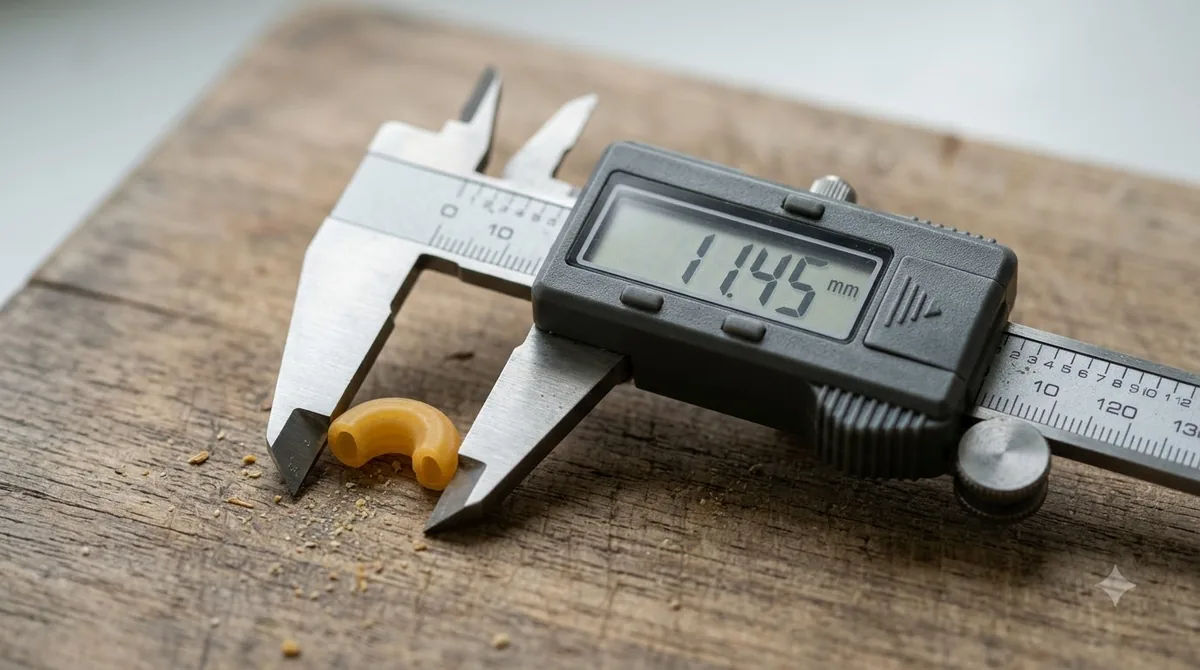
Because each batch is shaped by hand, sizes vary between brands. Commercial packs are often sorted into fine, medium and coarse grades, and the table below shows how the grades compare.
| Grade | Size | Note |
|---|---|---|
| Fine | Smaller than medium | Sold sorted by size, per Cooks’ Info |
| Medium | About the size of a small peppercorn | The reference size most descriptions use |
| Coarse | Larger than medium | A larger version, fregolone, is also sold |
The larger version is called fregolone. Because the pieces are toasted, they look golden and rustic rather than pale like untoasted pasta, and the surface is coarse to the touch.
How to Cook Fregola
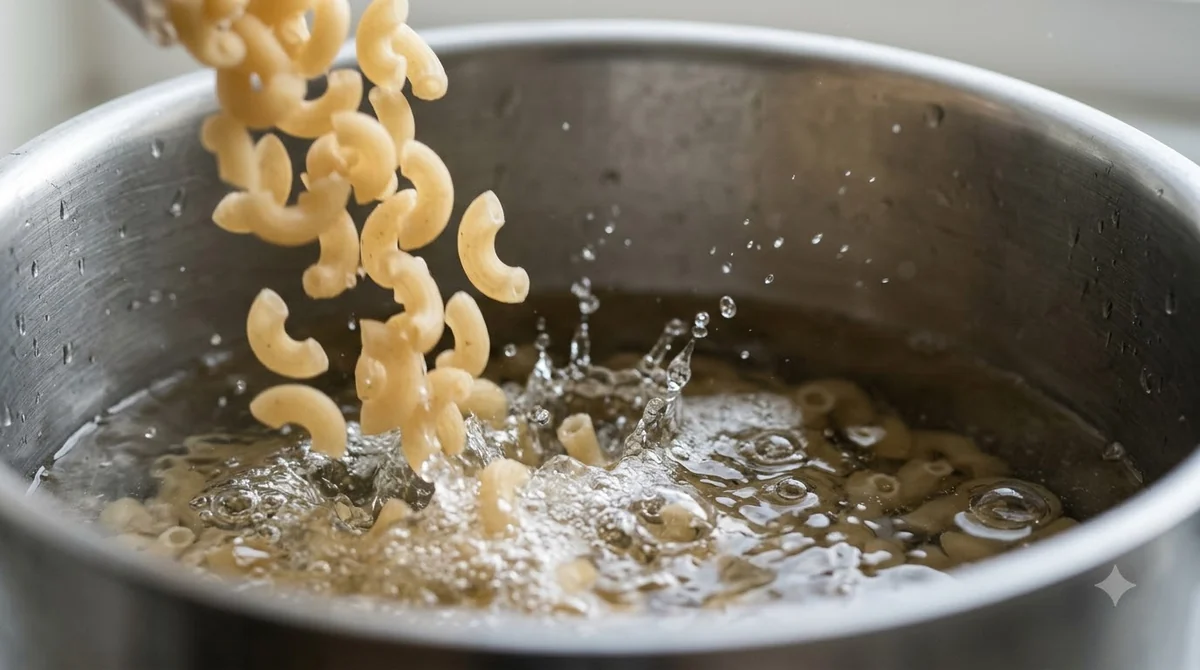
Cook fregola in a generous amount of boiling salted water for about 10 minutes until al dente, then drain it.
- Bring a generous amount of salted water to a boil.
- Add the fregola and cook for about 10 minutes, until al dente.
- Drain it and fluff it with a fork.
Cooks’ Info advises simmering the pasta rather than boiling it hard, which lets it absorb the liquid. Unless it is going into a soup, it is usually simmered first in water or broth.
The source does not give a fixed water ratio, so follow the package instructions for that detail. The texture holds up well against other ingredients, which is why fregola works in sauced dishes and cold salads alike.
Cooking times also differ by brand, so the time printed on your package is the one to follow.
How Should You Store Fregola?
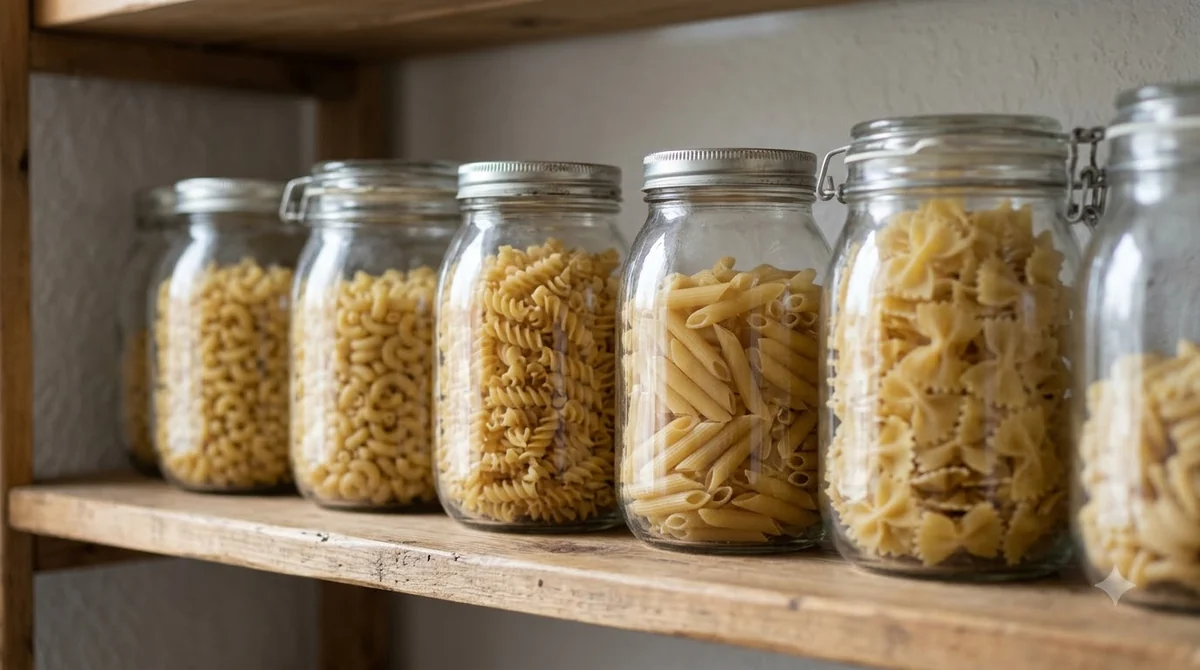
Keep dry fregola in an airtight container in a cool, dry place away from direct sunlight, as you would any dry pasta. Check the best-before date on the package, because each brand states its own shelf life.
What Does Fregola Taste Like?
Fregola tastes nutty and toasty because it is toasted after it is shaped. The Pasta Project links its golden color and nutty flavor directly to that toasting step.
Classic Dishes and How People Use Fregola
The classic Sardinian dish is fregola with clams, and the pasta also works in seafood soups, tomato sauces and cold salads.
Fregola con le arselle, or fregola with clams, is the dish most often named for this pasta. The Pasta Project also lists these traditional uses:
- Fregola with small clams
- Seafood with mussels or mixed shellfish
- Chickpeas in a vegetable or seafood broth
- Tomato sauce with grated cheese
- Stuffing for poultry
- Risotto-style dishes and cold salads
Fregula is the same pasta under its Sardinian spelling, and it suits both hot and cold dishes. The Pasta Project also pairs it with mussels, bottarga, chickpeas and minestrone, usually in a vegetable or seafood broth, so it behaves more like a hearty grain than a delicate noodle.
The Pasta Project also lists fregola with lamb among traditional meat recipes and fregola with artichokes as a vegetable dish that doubles as a side, noting that the island is known for its artichokes. For a tomato-based version, our how to make marinara sauce guide gives a simple base.
Fregola Compared With Couscous
Fregola looks like couscous, but it is hand-rolled and toasted, which gives it a hard, nugget-shaped texture and a nutty taste.
The Pasta Project says the hand-rolling technique is similar to North African couscous, which is one reason food historians link the two, and that traditional couscous is smaller than fregola. Couscous is usually steamed, while fregola is toasted raw and then boiled, simmered in broth or cooked in a sauce.
If you want another tiny pasta shape for comparison, our orzo pasta and ditalini pasta guides cover two small shapes that cook differently from fregola. For another Sardinian shape made from semolina, read about malloreddus pasta. For a larger hollow shape, our fusilli bucati pasta guide explains what makes that spiral different.
On shop shelves you may see fregola labeled as fregula. Both spellings refer to the same toasted Sardinian pasta.
Frequently Asked Questions
How long does fregola take to cook?
Fregola usually takes about 10 minutes in boiling salted water, until it is al dente. Cooks’ Info gives this time for toasted fregola. Simmering it gently in broth also works, and you should check the package for the exact timing.
Does fregola contain gluten?
Yes. Fregola is made from durum wheat semolina, which contains gluten, so it is not suitable for a gluten-free diet. People who need to avoid gluten should choose a grain that is certified gluten-free and read the labels carefully.
Can you make fregola at home?
Yes. The method is to hand-roll durum semolina with warm salted water, dry the balls on a cloth, and toast them in the oven. The Pasta Project does not give an oven temperature, so use a trusted recipe for that step.
Is fregola the same as couscous?
No. Fregola looks like couscous and is hand-rolled in a similar way, but it is larger and is toasted raw before it is boiled or simmered. Couscous is usually steamed. Both are made from wheat semolina, which is why they look related.
What is fregolone?
Fregolone is the larger version of fregola, with bigger nuggets than the medium grade. Sources do not give a separate cooking time for it, so check the package instructions before you cook it.
What sauce goes with fregola?
Tomato sauce with grated cheese is a common choice, and so is a seafood broth with clams or shrimp. Cooks’ Info lists both among the uses for fregola, so either works as a starting point.
Choose fregola when you want a hearty, nutty pasta for seafood, tomato sauce or soup. If it is your first time cooking it, start with a medium grade and check the package for timing, since sizes vary between brands. You can browse more shapes in our pasta and pizza guides.