
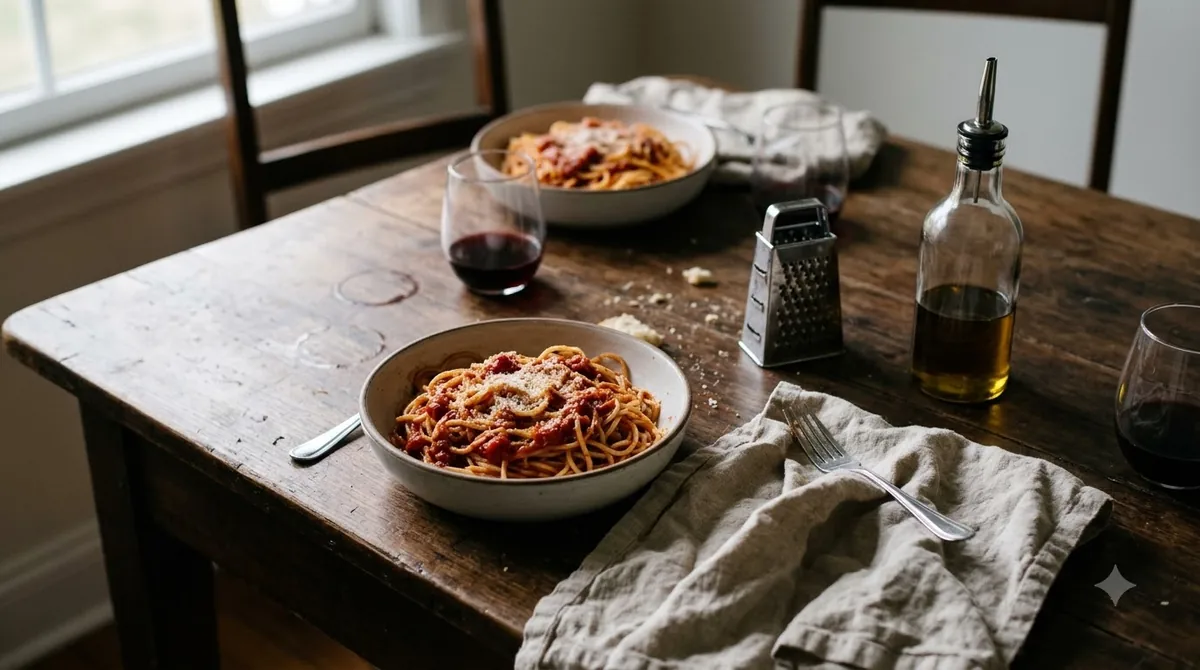

Here is how to make marinara sauce at home: soften onion and garlic in olive oil, add tomatoes and herbs, then simmer until the sauce thickens. The method is simple and needs only pantry staples, so it works for a weeknight dinner or a batch to freeze. Learning how to make marinara sauce well starts with the tomato you choose, which changes the result more than anything else. This guide covers the ingredients, the method, the tomato types and how to store leftovers.
What You Need to Make Marinara Sauce
Knowing how to make marinara sauce starts with a short shopping list. A basic batch needs only olive oil, onion, garlic, tomatoes, salt and a few dried herbs, and tomato paste is optional but adds depth.
Most recipes start with a generous amount of olive oil (our guide to what is extra virgin olive oil explains the grade), one onion and several cloves of garlic. The tomatoes give the sauce its body, and the herbs give it the classic Italian-American flavor.
- Extra virgin olive oil to soften the aromatics
- One onion, finely diced
- Garlic, minced
- Canned or jarred tomatoes (see the next section for the right type)
- Tomato paste, optional
- Dried basil, dried oregano and red pepper flakes
- Salt, to taste
Quality matters more than quantity here, because the flavor of the tomatoes carries through the finished pot. You need only a heavy saucepan and a wooden spoon. A food mill or sieve is useful if you want a smooth sauce, but it is not required.
Choosing the Right Tomato: San Marzano, Passata or Crushed
San Marzano DOP tomatoes are grown only in the Sarnese-Nocerino area of Campania, Italy, and each DOP label carries a number issued by the consortium. Passata and crushed tomatoes are different products that cook differently, so the choice matters when you learn how to make marinara sauce.
The Consorzio di Tutela del Pomodoro San Marzano DOP says the tomato is grown only in the Sarnese-Nocerino area, and that every DOP product carries a numbered label. Because the name is also used on tomatoes from elsewhere, check the DOP seal, explained in our guide to what DOP means, and the numbered label rather than the name alone.
The DOP status dates back to 1996, according to Il Fatto Alimentare, which also reports that the European Commission has said the S. Marzano variety can be grown outside the protected zone. The consortium’s public pages do not say whether passata can carry the DOP mark, so read the label before you buy.
Passata is a smooth, strained tomato puree with no chunks. Crushed tomatoes keep small pieces of tomato in thinner juice, so they need more cooking to reach the same thickness.
| Tomato | Texture | What it does in the pot |
|---|---|---|
| San Marzano DOP | Whole tomatoes in juice | Full, sweet tomato flavor. Check the DOP seal and numbered label. |
| Passata | Smooth, no chunks | Thick sauce with little cooking and a silky finish. |
| Crushed tomatoes | Small pieces in thin juice | Needs longer simmering to thicken and gives a rustic texture. |
Step-by-Step: How to Make Marinara Sauce on the Stove
The core of how to make marinara sauce is simple: soften onion and garlic in olive oil over medium-low heat, add the tomatoes and herbs, then simmer until the sauce thickens. Stir now and then so it does not stick to the bottom of the pan.
- Heat enough olive oil to coat the bottom of a heavy saucepan over medium-low heat. Add the diced onion and cook until soft and translucent.
- Add the garlic and stir just until fragrant. Keep the heat low so the garlic does not brown and turn bitter.
- If you are using tomato paste, stir it in and let it cook briefly before adding the tomatoes. Many cooks do this for a more intense flavor.
- Add the tomatoes, break them up with a spoon, and bring the sauce to a gentle simmer.
- Simmer uncovered, stirring now and then, until the sauce is thick enough to hold its shape.
- Season with salt and taste before serving.
Keep the lid off during the simmer so steam can escape and the sauce can reduce. A covered pot traps moisture, which slows thickening.
Simmer times vary with the tomato type and the size of the pan, so judge the sauce by its texture rather than the clock. In every batch of how to make marinara sauce, texture is the best guide. For a smooth sauce, pass the finished sauce through a food mill or sieve. For a chunkier style, leave it as it is.
Adding Herbs and Seasoning
Basil, oregano and red pepper flakes are the classic seasoning for marinara, and they are the easiest way to personalize how to make marinara sauce. Add the dried oregano and pepper flakes with the tomatoes so they release their flavor into the sauce, then stir in fresh basil leaves at the end so they stay bright.
How to Tell When Your Marinara Is Done
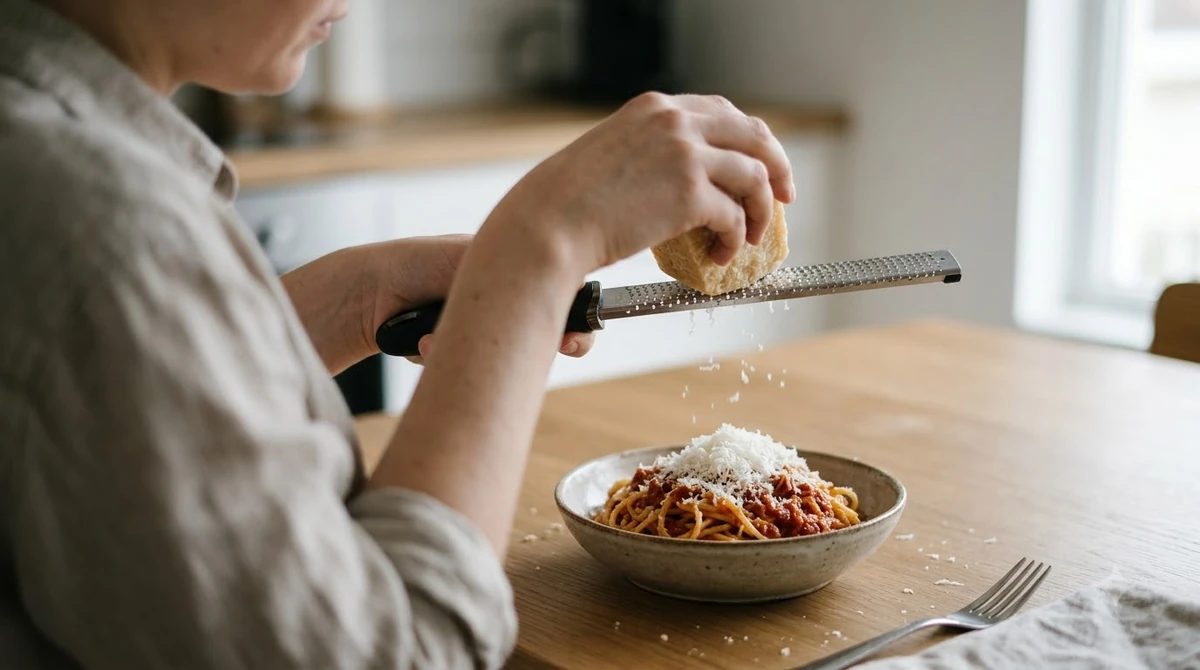
Marinara is ready when it has thickened, the raw tomato taste has cooked off and the sauce holds its shape on a spoon. Knowing when to stop is the final skill in how to make marinara sauce, so use these checks rather than a fixed number of minutes. The finished sauce is a natural partner for soft dumplings, so try it spooned over a batch of homemade potato gnocchi.
- The sauce coats the back of a spoon rather than running off it.
- The sharp, raw tomato flavor has mellowed into a rounder taste.
- The sauce looks glossy and has reduced around the edges of the pot.
- You taste for salt and acidity last, after the sauce has reduced.
If the sauce is still thin, keep simmering rather than adding more liquid. When you practice how to make marinara sauce, a thin sauce is usually a timing issue, not a recipe problem.
Common Mistakes and How to Fix Them
Most problems when learning how to make marinara sauce come from too little simmering, too much heat or a tomato that was not balanced for acidity. Small fixes solve most of them.
| Problem | Likely cause | Fix |
|---|---|---|
| Thin sauce | Not simmered long enough | Keep simmering uncovered until it thickens |
| Bitter taste | Garlic or tomato paste scorched | Cook the garlic over lower heat and stir often |
| Sharp or flat taste | Tomatoes are acidic and unbalanced | Add a small pinch of sugar, then taste again |
| Sticking or scorching | Heat is too high | Lower the heat and stir from the bottom of the pan |
| Chunky when you want smooth | The sauce was not strained | Pass it through a food mill or sieve |
Taste from a clean spoon once the sauce has cooled slightly, since a hot sauce can taste sharper than it will at serving temperature. Taste at the end, not the start. Salt and acidity change as the sauce reduces, so a seasoning that was right at the beginning can be too strong by the time the sauce is done.
How to Store and Freeze Marinara Sauce
Cool marinara completely before storing it. Good storage is the final step of how to make marinara sauce at home, so keep it in the refrigerator for a few days or freeze it for longer storage.
Let the sauce cool to room temperature, then move it to airtight containers. Leave a little space at the top of a freezer container so the sauce can expand as it freezes. Label each container with the date so you know what to use first.
If you plan to freeze the sauce, portion it into containers sized for one meal so you thaw only what you need. Stored this way, a batch covers several quick dinners.
- Refrigerator: good for several days in a sealed container.
- Freezer: portion the sauce and seal it tightly for longer storage.
- Reheat gently over medium-low heat, adding a splash of water if the sauce has thickened too much.
Frequently Asked Questions
Which tomatoes are best for marinara sauce?
Good quality canned whole tomatoes give the most reliable flavor when you learn how to make marinara sauce at home. Passata gives a smooth result with little cooking, and crushed tomatoes give a more rustic texture that needs longer simmering.
Can I use canned crushed tomatoes instead of fresh?
Yes. Canned tomatoes are the practical choice for most home cooks because they are consistent all year. Simmer them until the sauce thickens, then taste and adjust the seasoning.
Is passata the same as tomato sauce?
No. Passata is a smooth, strained tomato puree, while some store-bought tomato sauces include added seasonings. Check the ingredient list before you use a jarred sauce as a base.
How long should I simmer marinara?
When you learn how to make marinara sauce, simmer until the sauce thickens and the raw tomato taste is gone. Tomato type and pan size change the timing, so the texture is a better guide than a fixed number of minutes.
Can I make marinara without tomato paste?
Yes. Tomato paste adds depth and body, but how to make marinara sauce without it is straightforward. Simmer a little longer to build flavor and thickness.
How do I stop marinara from tasting bitter?
Knowing how to make marinara sauce without bitterness comes down to this: cook the garlic gently, avoid scorching the bottom of the pan and stir often. If the sauce still tastes sharp, a small pinch of sugar can balance the acidity.
Now you know how to make marinara sauce, so choose a tomato that suits the texture you want, keep the heat low while the aromatics cook, and simmer until the sauce thickens. Cool and store any leftovers properly, and the sauce will be ready for spaghetti pasta, penne pasta or pizza whenever you need it. For more pantry basics, see our learn guides. It also works as the sauce layer when you learn how to make lasagna. For a pizza where the sauce is the whole topping, try our marinara pizza recipe.