
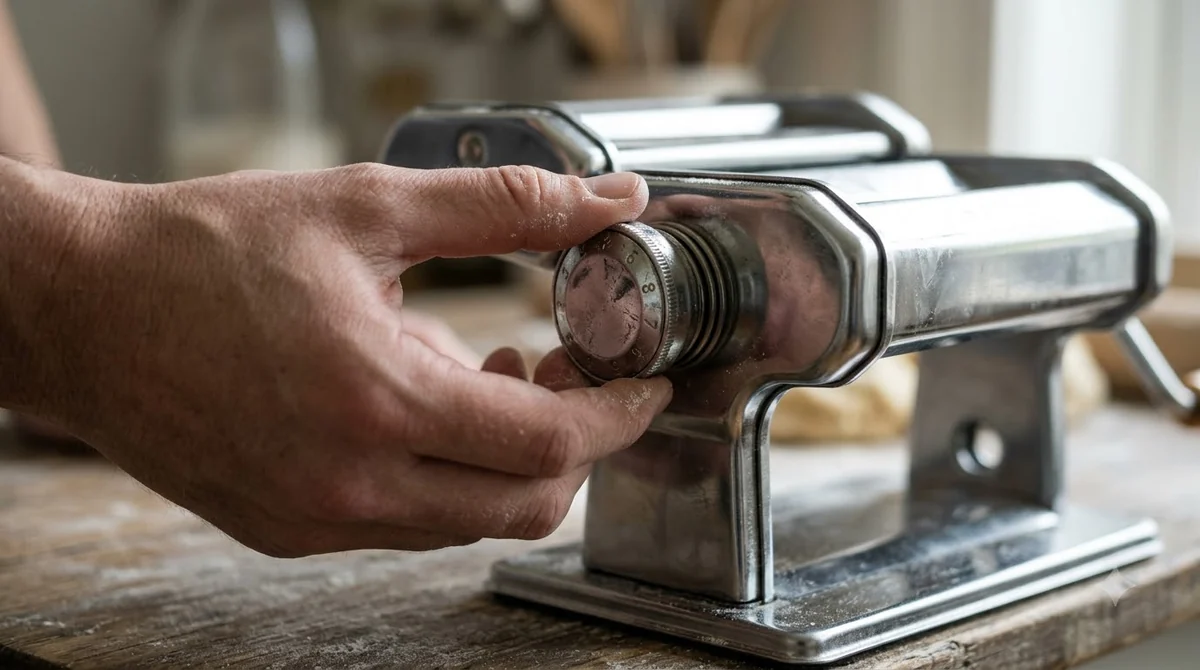

Tortelloni pasta is a large, ring-shaped stuffed pasta from northern Italy, usually filled with ricotta and herbs or vegetables. It is a bigger cousin of tortellini, made with fresh egg dough and boiled before serving. The main differences are size and filling, and the dough is close to what tortellini use.
What Is Tortelloni Pasta?
Tortelloni are stuffed egg pasta from Emilia-Romagna and Lombardy, similar to tortellini but larger and without a meat filling. The name comes from the same family of shapes, with the suffix signaling a bigger piece of pasta.
According to Wikipedia’s tortelloni entry, the pasta is usually boiled and then tossed in melted butter with sage leaves, or served with tomato sauce. Because the filling is cheese based, the flavor is mild and works well with simple sauces.
Tortelloni pasta belongs to the family of stuffed Italian pastas, so the shape is built by folding a round or square of dough around a spoonful of filling, much like homemade ravioli. The finished piece is larger than a tortellini, which means each bite carries more filling and the pasta holds its shape well in a sauce. Shop packs and homemade batches both follow this pattern, so the same cooking and serving advice applies to either.
Tortelloni vs Tortellini: Size, Shape, and Filling
Tortelloni are bigger than tortellini, which are usually barely over an inch long, and both are shaped into a ring. The main practical difference for a home cook is the filling, since tortelloni are commonly vegetarian.
| Feature | Tortellini | Tortelloni |
|---|---|---|
| Size | Usually barely over an inch long | Larger, since the -oni suffix indicates a larger pasta |
| Shape | Ring-shaped | Shaped into a circle, very similar to tortellini |
| Traditional filling | Traditional cheese filling; modern versions often contain meat | Ricotta with vegetables, most often spinach, seasoned with herbs |
| Dough | Egg noodle dough | Egg noodle dough |
The table reflects the size and filling notes in Tasting Table’s comparison of the two shapes. Shop labels are the final check, because some tortellini and tortelloni packs now use meat or other fillings. For a deeper comparison, read tortelloni vs tortellini.
When you buy tortelloni pasta in a store, read the filling line before anything else. A cheese and spinach pack suits a butter sauce, while a meat filling pairs better with a rich tomato sauce. The size difference also matters for portions, because a larger piece needs a little more time to heat through in the pot and a little more sauce to coat evenly.
Traditional Fillings for Tortelloni
The classic tortelloni filling is ricotta mixed with Parmesan, leafy herbs or vegetables, egg, and nutmeg. Parsley and spinach are the most common greens, and the mix should be firm enough to hold a spoonful without spreading.
- Ricotta, which gives the filling its creamy base.
- Parmesan, for salt and a nutty finish.
- Spinach or parsley, cooked and squeezed dry before mixing.
- One egg, to bind the filling.
- A small pinch of nutmeg, which is the traditional warm note.
For a classic tortelloni pasta filling, the balance is what matters most. A wet filling is the main cause of torn dough, so squeeze greens well and chill the mix briefly before you fill the pasta. Home cooks who want a lighter result often use a little less cheese and more greens, which keeps the tortelloni pasta soft without making the filling runny.
Vegetarian fillings are the traditional choice for tortelloni pasta, and they are easy to adjust. Parsley gives a fresh, green flavor, while spinach adds color and body. Both work with the same ricotta base, so you can use whichever greens are fresh at the market. Lombardy, one of the home regions of tortelloni, also has its own stuffed shape, casoncelli pasta.
How to Make Homemade Tortelloni
Homemade tortelloni dough uses 300 g of 00 flour and 3 large eggs, kneaded for 8 to 10 minutes and rested for at least 30 minutes. These figures come from Caputo’s fresh egg pasta recipe, which uses a fine pasta flour; see what 00 flour is if you are new to it.
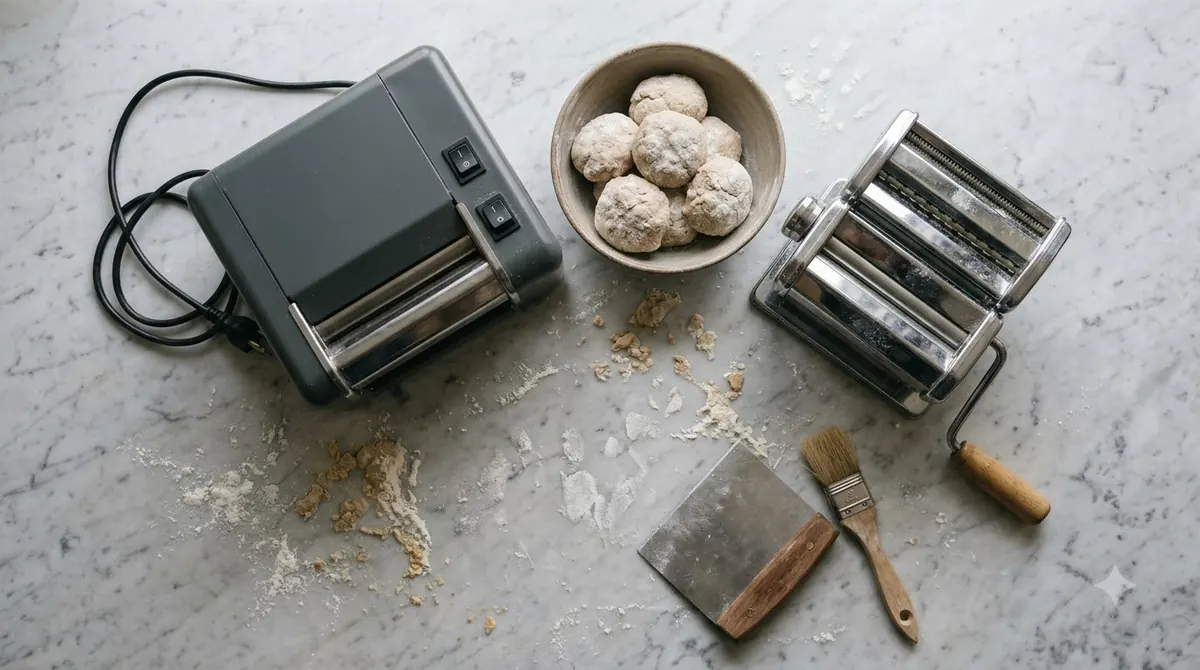
- Mound 300 g of 00 flour on a clean board, make a well, and add 3 large eggs.
- Beat the eggs with a fork, then gradually draw in the flour until a shaggy dough forms.
- Knead for about 8 to 10 minutes until the dough is smooth and springy.
- Rest the dough for 30 minutes at room temperature, wrapped so it does not dry out.
- Roll it thin, fill, fold, and seal the tortelloni on a lightly floured tray.
A good test is to press the dough with a fingertip. It should spring back slowly, and it should not feel tacky on the surface. Once the dough is ready, cut it into manageable pieces and keep the rest covered, so the homemade tortelloni pasta does not dry out between batches. The same source allows a rest of up to 6 hours. If you wait longer, refrigerate the dough and bring it back to room temperature for at least 2 hours before rolling. If the dough feels too wet, add flour rather than water, because extra water makes the sheets sticky and hard to handle.
Tools for Making Tortelloni at Home
A hand-cranked pasta machine gives the most even sheets, but a rolling pin can also work if you roll the dough thin and evenly. Stepping the machine down one setting at a time keeps the sheet smooth and prevents tearing. Our guide on how to use a pasta machine walks through the settings.
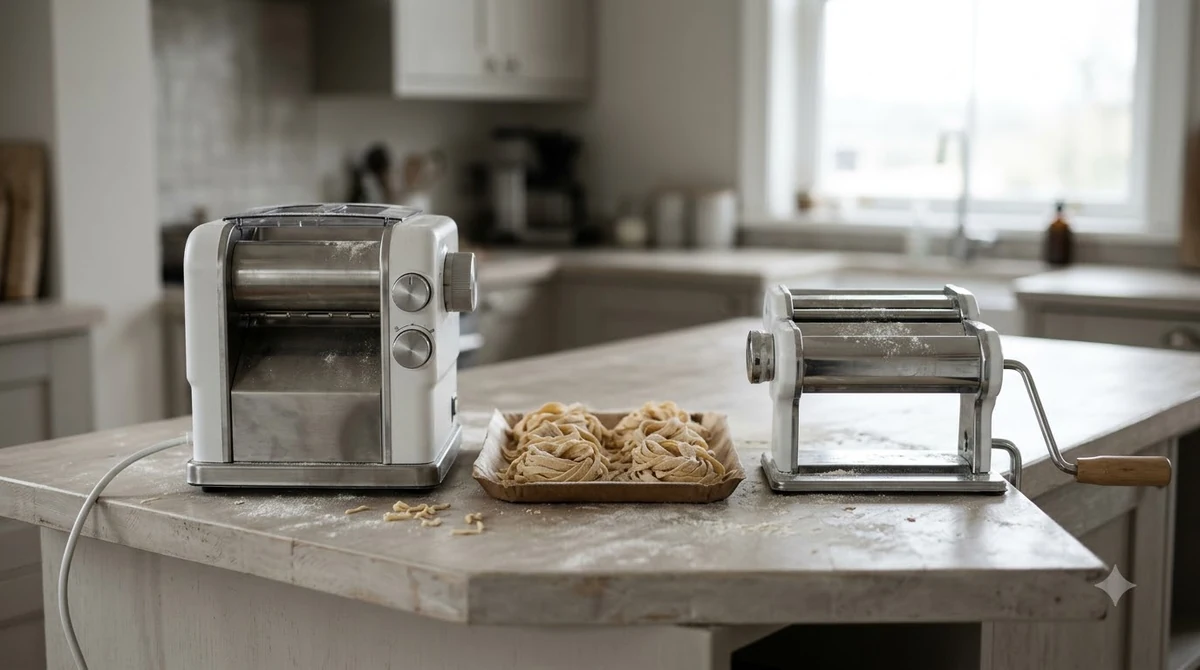
Keep the sheets you are not working with under a damp towel, since dry edges crack when you fold them. A steady hand on the crank also helps, because uneven sheets make tortelloni pasta harder to seal. Dust the tray with semolina or flour so the finished tortelloni do not stick together while you fill the rest.
How to Cook and Serve Tortelloni
Shop-bought fresh tortelloni cook quickly, but the exact time varies by brand and pack, so follow the instructions on your package. Homemade tortelloni have no fixed time either, so check one piece by tasting it before you drain the rest.
- Bring a large pan of water to a gentle boil and add a little salt.
- Add the tortelloni in a single layer and stir once so they do not stick.
- Cook until tender, then lift them out with a slotted spoon, reserving some pasta water.
- Toss in melted butter with sage leaves, or use a light tomato sauce.
When you serve tortelloni pasta at home, plan the sauce before you start the water. The sauce should be ready when the pasta comes out, because fresh pasta is best eaten within a few minutes of draining. The classic finish is butter, sage, and grated Parmesan. A ragu also suits the cheese filling, while a loose tomato sauce keeps the flavor light. Use a splash of the reserved pasta water to loosen a buttery sauce. For tortelloni pasta with a tomato sauce, add the cooked pasta to the warm sauce for a minute so the flavors meet.
Common Mistakes When Making Tortelloni
The most common mistakes are dough that is too wet, dough that is not rested, and a filling that leaks at the seal. Each one can usually be fixed before cooking if you catch it early.
- Adding water to a sticky dough instead of extra flour.
- Rolling the dough straight from the fridge without warming it.
- Stuffing with a wet filling that pushes out at the edges.
- Leaving the shaped pasta uncovered, so the edges dry and crack.
Most of these problems come from the dough or the filling, not from the cooking step, so fix them before you shape the pasta. Once the tortelloni pasta is sealed and covered, it is much harder to correct a tear. These tips apply to standard egg dough, the same base used for most tortelloni pasta recipes. If you work with a gluten-free or flavored dough, the flour and moisture ratios will differ, so follow a recipe written for that dough.
Frequently Asked Questions
What is tortelloni pasta made of?
Tortelloni pasta is egg pasta dough wrapped around a filling. The traditional filling is ricotta with Parmesan, leafy herbs or vegetables, egg, and nutmeg, and it is usually vegetarian.
Is tortelloni the same as tortellini?
No. Tortelloni are larger, and their traditional filling is cheese or vegetables, while tortellini are smaller and modern versions often include meat.
Are tortelloni always vegetarian?
Traditional tortelloni are vegetarian, but some modern packs contain meat or other fillings. Check the label on shop-bought packs before you buy.
How long should tortelloni dough rest?
Rest the dough for at least 30 minutes at room temperature, and up to 6 hours. If you wait longer, refrigerate it and let it come back to room temperature for at least 2 hours before rolling.
Can you make tortelloni without a pasta machine?
Yes, you can roll the dough by hand with a rolling pin. The sheets will be less even, so roll slowly and keep the dough covered between steps.
Fresh tortelloni pasta from a store is the fastest route on a busy evening, and the pack instructions are the safest guide. A homemade batch of tortelloni pasta takes longer, but it lets you control the dough, the filling, and the amount of cheese. Making the dough at home makes sense when you have an hour for kneading and resting, and it lets you choose the filling.