

Pizza sticking to peel is usually a transfer problem, not a dough problem. Dough that sits on a thinly dusted peel soaks up moisture and bonds to the surface, so it stops sliding. The fix is a fresh layer of the right dust, a quick topping step and a confident launch. If the dough itself feels wet, start with our guide to pizza dough that is too sticky.
The dough often behaves well until it meets the peel, so the steps below focus on the transfer and on the dust between the two.
Why Pizza Sticking to Peel Happens
A peel is the flat paddle you use to slide a pizza into and out of the oven, and the dust on it is what keeps the dough moving. According to the Wikipedia pizza peel article, peels are usually wood and are often sprinkled with flour, cornmeal or milled wheat bran so that baked goods slide on and off easily.
When the dust layer is thin, uneven or already damp, the dough has nothing between it and the wood. Wet dough absorbs moisture from the surface and the contact points grip. The result is a pizza that stretches, drags or folds when you try to launch it.
Most cases of pizza sticking to peel come from three causes: too little dust, dust that wet dough has already soaked up, or a peel that still carries moisture or old flour from a previous bake. Each one removes the thin barrier the dough needs to slide. A thin, stretched base also has less body to hold its shape, so it tears more easily when you lift it, which matters if you bake a thin crust pizza dough recipe.
Choose the Right Dusting for the Peel
Semolina is a coarse flour, traditionally made from durum wheat, and it can be used to dust a baking surface to prevent sticking. Wikipedia’s semolina article says it can be used to dust a baking surface to prevent sticking, as an alternative to cornmeal, which is why many bakers reach for it first when they worry about pizza sticking to peel.
Flour, cornmeal and wheat bran are all standard peel dusts. The table below compares the dusts you can use against pizza sticking to peel.
| Dusting | How it behaves on the peel | Best use |
|---|---|---|
| Semolina | Coarse durum flour, used to dust a surface against sticking | Alternative to cornmeal |
| All-purpose or bread flour | Fine texture, a standard peel dust | Everyday choice that most kitchens already have |
| Cornmeal | Listed as a common peel dust | Semolina can replace it |
| Wheat bran | Milled wheat bran, also a listed peel dust | Another option beside flour and cornmeal |
Ooni’s Koda 12 Essentials Guide says to flour your hands and the surface you are working on before you stretch the dough, a simple habit against pizza sticking to peel. If the pizza still sticks, pick it up and add more flour to the peel.
Wood Peel or Metal Peel
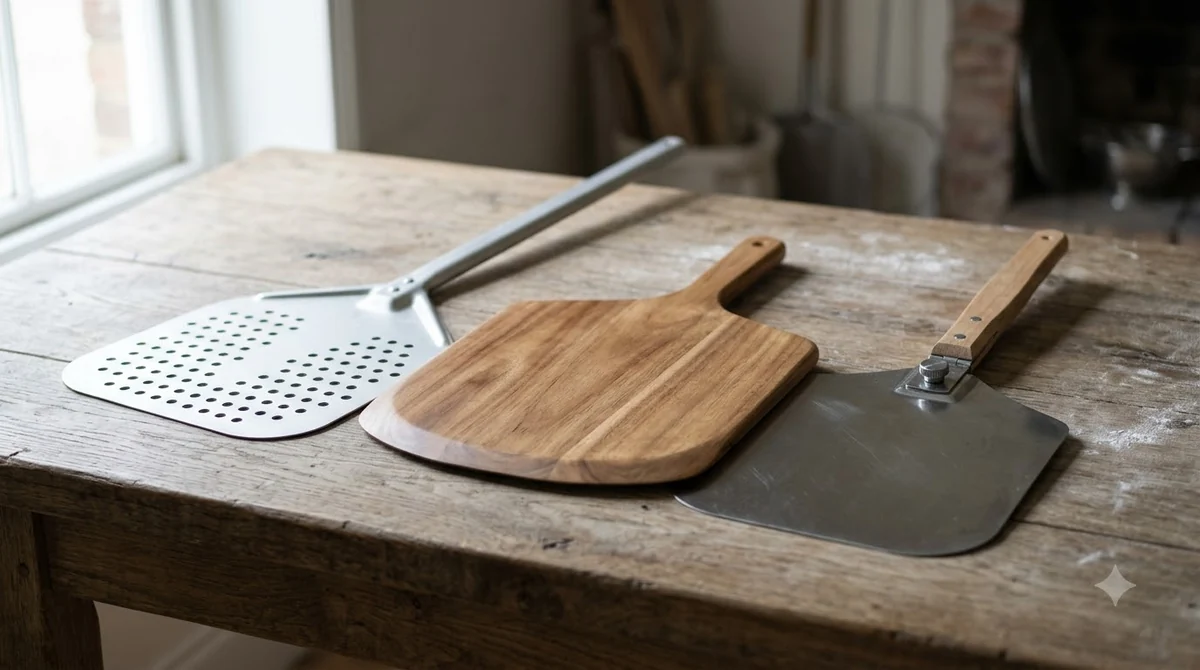
Most pizza peels are wood, although some use a thin sheet of metal on a wooden handle. Both are used for the same job, so dusting and timing matter more than the material. Neither one fixes pizza sticking to peel on its own.
Wikipedia does not rank the two materials, so treat both the same way: keep the surface dry and dusted. A metal peel can still stick if the dough is wet and the surface is bare.
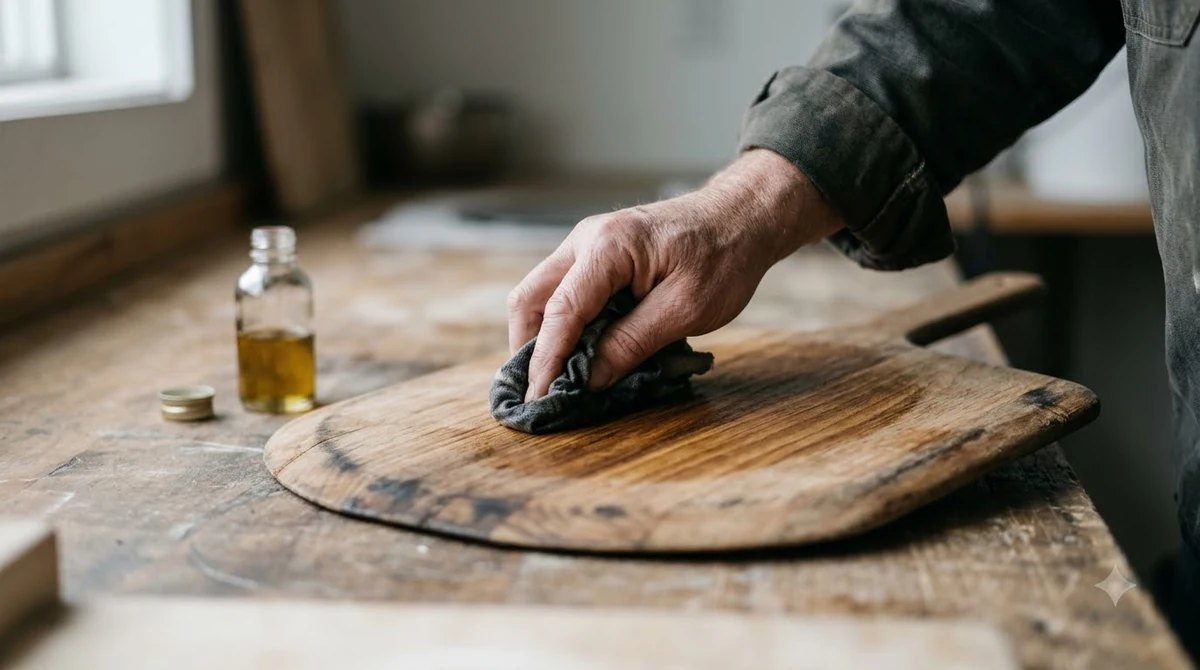
Scrape the peel clean after each bake and let it dry before the next pizza, since leftover residue or damp spots can make the same recipe stick one day and slide the next.
Work Fast Once the Dough Touches the Peel
Dough that sits on a dusted peel too long absorbs the dust and starts to bond, so top it and launch as soon as the shape is ready. Bakers commonly report that wet dough soaks up peel dusting within minutes, which is why pizza sticking to peel so often traces back to a slow transfer. Ooni’s guide says dough that rests with toppings for too long is more likely to let sauce seep through and stick to the peel, and that you should keep toppings light.
Temperature matters too when you want to stop pizza sticking to peel. Ooni says to bring the peel, dough and ingredients to room temperature, because cold dough springs back and sticks, while stretching dough on a warm peel makes it sweat, which also causes sticking. Use this order to keep the time on the peel short:
- Shape the dough on a lightly dusted surface, then move it to the peel only when it is ready to top.
- Add sauce and a light layer of toppings. Heavy toppings add weight and make the pizza harder to slide.
- Give the peel a gentle shake to confirm the pizza moves freely, then launch it onto the stone.
- If you are not ready to launch, lift the dough and add a little more dust underneath before you wait, or move it back to a floured bench.
Quick Fixes for Pizza Sticking to Peel
For pizza sticking to peel, a shake test shows whether the pizza moves freely before you add toppings and launch it. Give the peel a short, firm back-and-forth shake while the dough is still bare or lightly topped, and watch the edges.
If the whole base moves, you are ready. If one edge drags, use these steps:
- Lift the stuck edge gently with your fingers or a bench scraper.
- Slide a small pinch of semolina or flour under that edge.
- Wipe the peel dry if it looks damp, then repeat the shake.
- If the pizza still sticks, use Ooni’s hovercraft technique: lift one edge of the dough and gently blow air underneath the base to create air pockets and spread flour to the sticking areas.
Repeat the shake after you add toppings. Ooni warns that sauce or toppings getting between the peel and the dough can stick the dough to the peel and make launching harder.
Forcing a stuck pizza can tear the dough, so treat every drag as a signal to add dust rather than pulling harder. For the full launch routine, see our guides on how to make pizza at home and how to use the Ooni Koda 12.
Frequently Asked Questions
Why does my pizza stick to the peel even after dusting?
Dusting only helps with pizza sticking to peel when it stays between the dough and the peel. Wet dough can push the dust aside or soak it up, so check the dough moisture, the amount of dust and how long the dough waits on the peel.
Is semolina better than flour for a pizza peel?
Semolina is a coarse durum flour, and bakers commonly prefer it for peel dusting. Flour works too, but finer flour can soak into wet dough faster, so it may need a firmer layer.
Can I use cornmeal on a pizza peel?
Yes. The Wikipedia pizza peel article lists cornmeal among the common dusts, along with flour and milled wheat bran, so it is a standard choice.
Should I wipe the peel before every launch?
Yes, a dry peel helps with pizza sticking to peel. Bakers commonly report that moisture on the peel makes dough stick, so a quick wipe before each pizza is a simple habit.
Is a wooden peel or a metal peel better for sticking?
Both can work against pizza sticking to peel. Wood is the usual material and metal is a thin sheet on a handle, so dusting and timing matter more than the material you choose.
What if the pizza is stuck halfway off the peel?
Lift the stuck edge gently and slide a little dust underneath, then try the shake again. Forcing the peel can tear the base, so take the extra few seconds.
Most cases of pizza sticking to peel come down to time, dust and moisture, and all three are within your control. Use a fresh layer of semolina, keep the peel dry, top the pizza quickly and run a shake test before you launch. If the dough still clings after those steps, the dough itself may be too wet, and it is worth adjusting the recipe.