
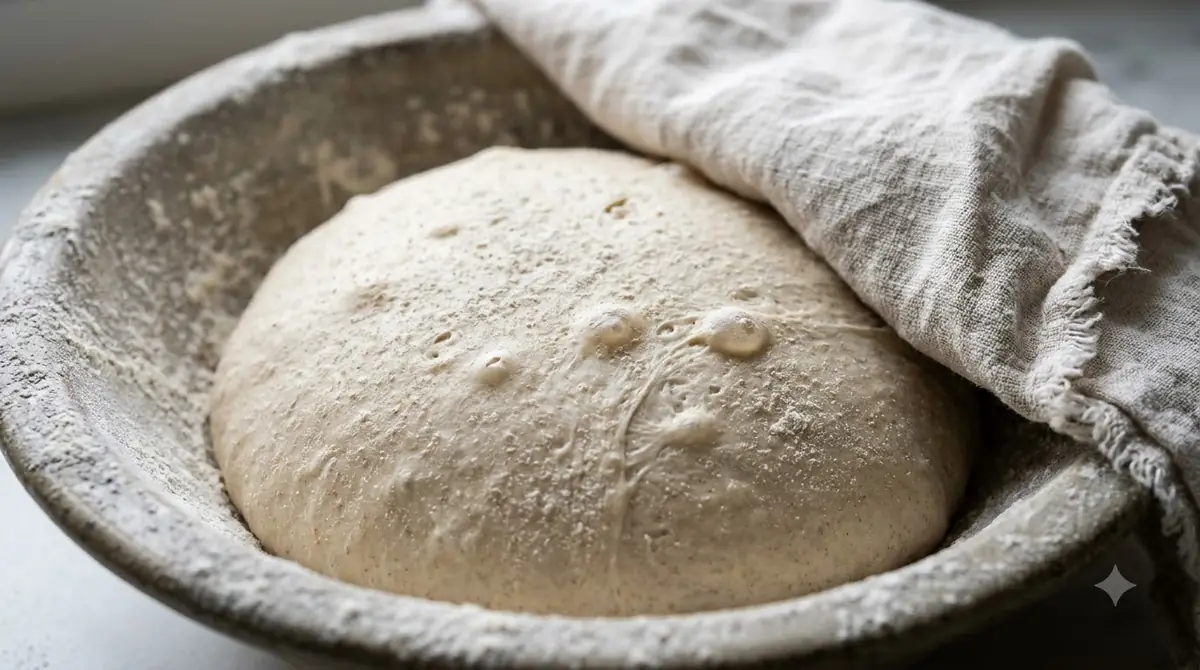

Pizza dough too sticky is usually a sign of high hydration, under-kneaded gluten, or humid air. Most cases can be fixed by adding flour in small steps and giving the dough time to rest. The fix depends on the cause, so it helps to know which one you have before you change the recipe.
Pizza dough too sticky is more often a handling problem than a failed recipe. This guide explains the common causes, shows how to fix dough that is already in the bowl, and lists the adjustments that prevent the problem next time.
Why Is My Pizza Dough Too Sticky?
Pizza dough too sticky to shape usually comes from one of a few causes: the water makes up too large a share of the flour, the gluten has not developed enough to hold the dough together, or the kitchen air has added moisture to the mix. Each cause needs a different fix, so identify yours before you add flour.
Hydration is the water weight divided by the flour weight, written as a percentage. Ooni’s hydration guide gives a simple example: 1000 grams of flour and 600 grams of water makes dough at 60% hydration. When the percentage climbs, the dough loses its grip and clings to your hands and the bench.
- Too much water for the flour you are using.
- Under-kneading, so the gluten never formed a firm network.
- Humid weather, which adds moisture the recipe did not account for.
- Flour measured by volume instead of weight, which can shift the real ratio.
If pizza dough too sticky shows up right after mixing, the first two causes are the most likely. If it only goes wrong on a humid day, the air is the more likely culprit.
Why Hydration Decides How Sticky Dough Feels
The same recipe can make pizza dough too sticky at one hydration level and feel easy at another. Dough at 60% is easy to handle, while dough at 70% becomes stretchy and sticky. Neapolitan dough starts at 58% to 65%, which is why a small change in water can make a noticeable difference. For a full recipe in that range, see our Neapolitan pizza dough recipe.
| Hydration | How the dough feels | Typical style |
|---|---|---|
| 60% | Easy to handle and not sticky | Common beginner dough, according to Ooni |
| 65% | Slightly tacky and a little more difficult to work with | New York style, about 65% per Gozney |
| 58% to 65% | Soft and workable with a short bake | Neapolitan starting range, per Gozney |
| 70% | Stretchy and sticky, must be shaped quickly | Trickier for beginners to shape |
Gozney notes that higher hydration makes dough stickier and harder to handle, and that it also tends to stick to the peel. The brand also explains that humid air raises effective hydration because flour absorbs moisture from the air. At high altitude, flour is drier and absorbs more water, so the recipe may need more water rather than less.
Experienced bakers push past 70%. Ooni suggests testing 75%, then 80%, then 90%, one step at a time, because the handling gets harder with each step. Gozney describes the result as a more open, lighter and softer crust, which is the trade-off for the sticky feel.
Sources do not agree on every style. Ooni lists Detroit-style at 70% to 80%, while Gozney puts it around 65%, so check the recipe you follow before you judge the dough by its feel.
Fix Pizza Dough Too Sticky in Five Steps
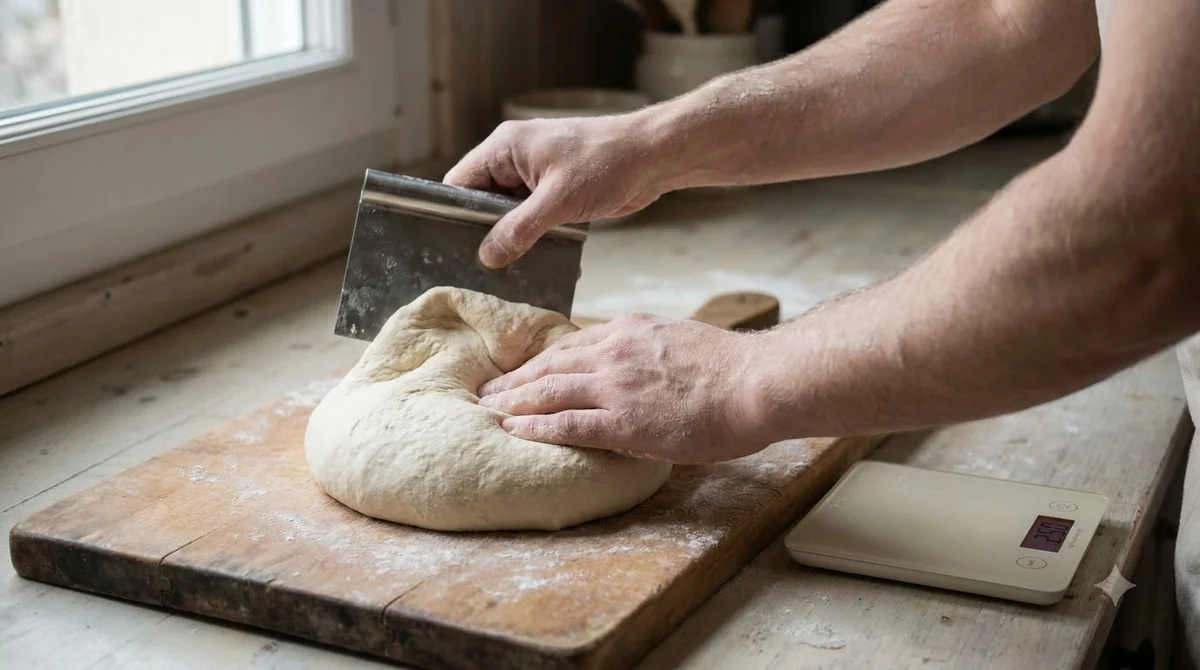
If pizza dough too sticky is your problem, add flour a small amount at a time while you knead, and stop once the dough is tacky but no longer clings to your hands. Work through the steps below before you add a large amount of flour.
- Knead for longer first. Gluten needs time to develop, and under-kneaded dough is a common cause of stickiness.
- Add flour a little at a time. Knead each addition in fully before you judge the dough again.
- Rest the dough. A longer rest, as explained in our guide to how long to proof pizza dough, lets the dough relax and dry slightly, which makes it easier to shape.
- Chill the dough if it is still soft. A cold rest firms the dough, and you can bring it back to room temperature before shaping. If you plan to keep it longer, read whether you can freeze pizza dough.
- Dust your hands lightly with flour if the dough still clings, so you do not work extra flour into the dough itself.
Too little kneading is a common cause of sticky dough, so judge by the texture of the dough rather than the clock.
Stop adding flour once the dough stops clinging. A little tackiness is normal, and the goal is a dough you can shape without tearing it.
Flour Mistakes That Make Crust Tough
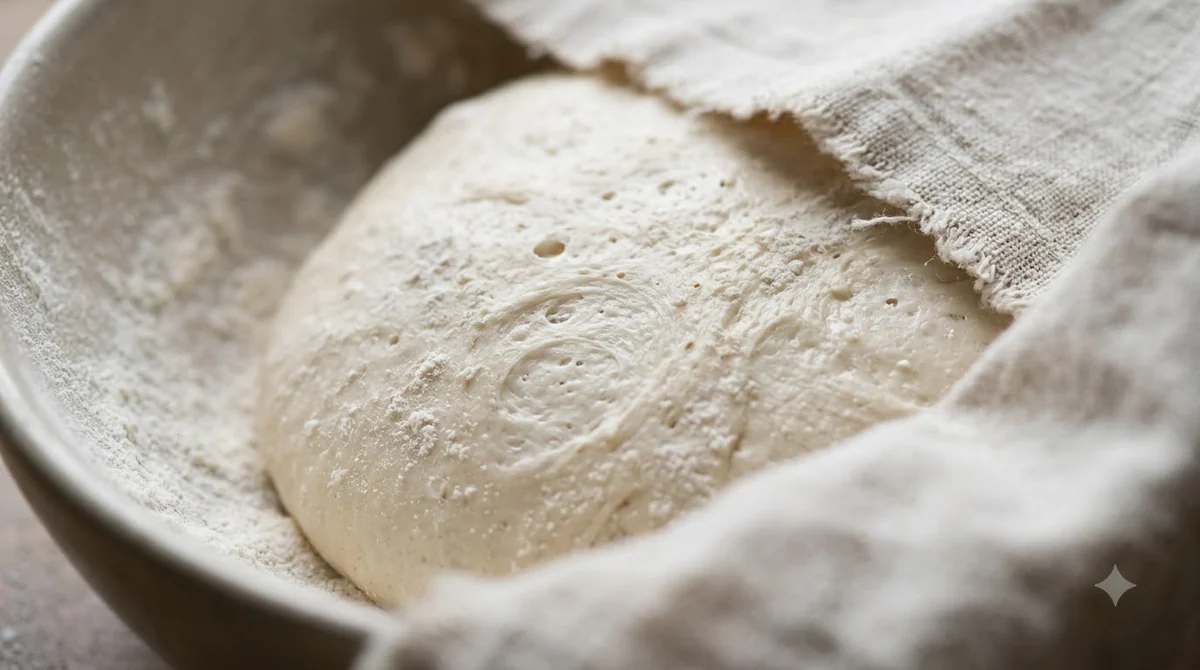
Fixing pizza dough too sticky with a big handful of flour after mixing is the most common mistake, and it can make the crust tough and chewy. Nicole Bean, who owns two Pizaro’s Pizza Napoletana locations in Houston, Texas, makes this point in a Chowhound article on crust mistakes.
Heavy flour on the work surface can have the same effect. Chowhound notes that heavy flour on the work surface during handling can produce a thick, tough, chewy crust. Use a light dusting, shake off the excess, and rely on the rest period instead of extra flour.
Flour type also matters. Bread flour has more protein than all-purpose flour and absorbs water differently, so check the protein on your bag before you change the water amount. If you want to try it, see our guide to pizza dough with bread flour.
Handling Sticky Dough Without Tearing It
Shape sticky dough on a well-floured surface, and keep your hands lightly dusted rather than wet. Work quickly, because dough that sits and warms up becomes harder to lift. Gozney notes that high-hydration dough tends to stick to the peel, so dust the peel generously before you load the pizza.
If pizza dough too sticky is still a problem at this stage, dust the surface and the top of the dough lightly, then stop. Extra flour worked into the dough changes the hydration, and it is the same mistake that makes the crust tough.
- Keep extra flour within reach for dusting, not for kneading in bulk.
- Turn the bottom of the dough ball, which came off the tray, to the top before you stretch, because the top is drier.
- Flip the proofing container to release the dough rather than prying it out with a scraper.
- Stretch on a peel dusted with semolina or flour so the dough slides onto the stone.
Adjust Your Recipe for Next Time
Weigh your flour and water instead of measuring by volume, especially if you keep ending up with pizza dough too sticky to work with. Gozney points out that flour volume can vary by several percentage points, which is enough to change how wet a dough feels. Use the table below to match each cause of pizza dough too sticky to its fix.
Lowering the water makes stickiness less likely, but you give up some of the open, airy crumb that higher hydration produces. Aim for the lowest water that still gives you a dough you can shape well. If you would rather skip kneading, this no knead pizza dough relies on a long rest instead.
| Cause | What to change |
|---|---|
| Too much water | Reduce water in the next batch, or add flour in small steps |
| Under-kneaded dough | Knead longer and let the dough rest before you judge it |
| Humid weather | Hold back some water, then adjust by feel |
| High altitude | Flour absorbs more water, so you may need slightly more water |
Frequently Asked Questions
Why is my pizza dough too sticky even when I followed the recipe?
Humidity, flour type, and flour measured by volume can all leave you with pizza dough too sticky, because they shift the real hydration. Weigh the flour and test a small batch before you change the whole recipe.
How much flour should I add to fix sticky dough?
Add flour a little at a time while kneading to fix pizza dough that is too sticky. Stop once the dough is tacky but no longer clings to your hands, because extra flour can make the crust tough.
Can resting sticky dough help?
Yes. For pizza dough too sticky to shape, a rest lets the dough relax and dry slightly, which makes it easier to handle. Chowhound also suggests chilling the dough for a while if it stays soft.
Will too much flour make my pizza crust tough?
Yes. Adding flour after mixing and using heavy flour on the bench can make the crust tougher and chewier, so use flour sparingly during shaping.
Does high hydration always mean the dough is ruined?
No. High-hydration dough is harder to handle, but it can bake into a light, open crust. If you are still learning, start with a lower hydration and move up slowly.
Should I use bread flour for sticky dough?
Bread flour has higher protein than all-purpose flour, and it absorbs water differently. Check the protein on your bag before you change the water amount.
If pizza dough too sticky still shows up after these steps, check the water amount and the flour type before you change anything else. Keep a simple log of the weights you used, so you can repeat what worked.