


Pizza dough tearing usually happens when the gluten is too tight to stretch. Dough that is cold, under-rested or handled roughly resists the pull and rips at its thinnest spots. Rest time and gentler handling are the first things to change. Torn dough is usually a timing or handling problem, not a bad recipe, so work through the causes below in order.
What Causes Pizza Dough Tearing
Tight gluten, cold dough, too much flour and rough handling cause most pizza dough tearing. Each one stops the dough from extending evenly, so the stress lands on a single weak spot.
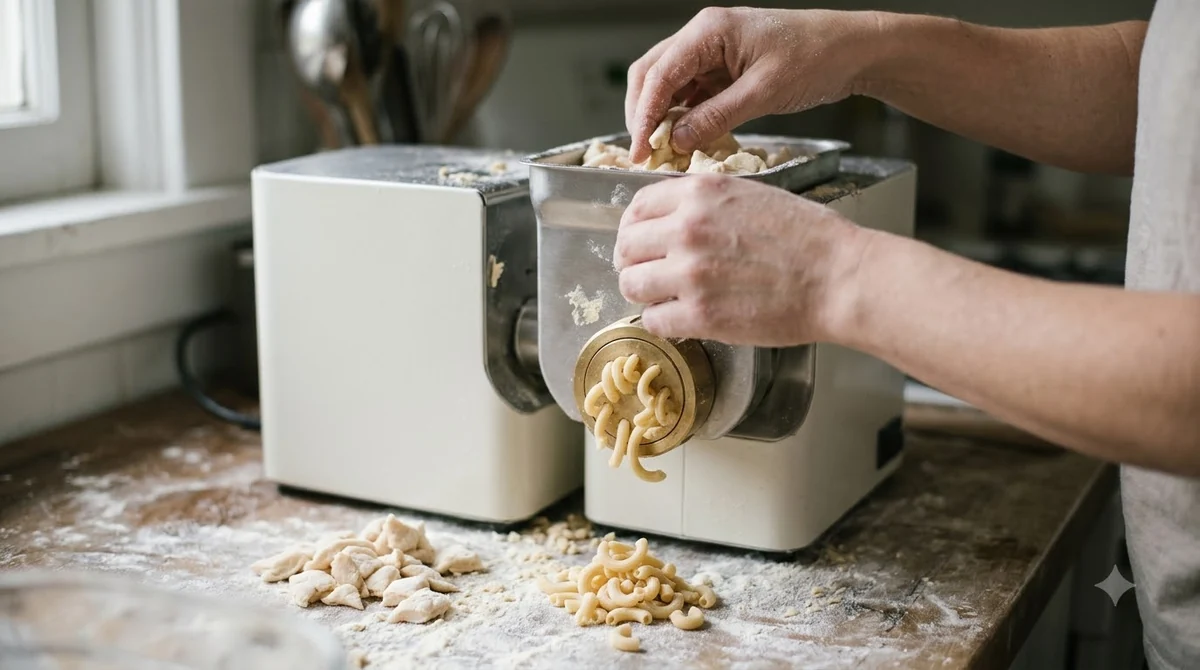
Gluten is the protein network that lets dough stretch and then hold its shape. When that network is tight, it does not extend under pressure. It snaps, and that is the core of pizza dough tearing. America’s Test Kitchen explains that stretching often tears dough because the gluten network is tight. Four causes keep that network from relaxing or let the dough rip at a weak spot.
- Cold dough that has not warmed up, which stays stiff and inflexible.
- Too little rest after shaping, so the gluten never relaxes.
- Too much flour, which blocks the dough from extending.
- Rings, nails, debris or thin spots that catch and rip the dough while you open it.
Why Cold Dough and Rest Matter
Dough straight from the fridge is more prone to pizza dough tearing, because chilled dough stiffens, so let it warm and rest before you stretch. Gozney’s stretching guide puts a room-temperature rest at about 2 to 4 hours, and up to 8 hours in a cooler place.
America’s Test Kitchen says chilled dough becomes stiff and inflexible, and that taking it out while the steel or stone preheats can take about an hour. The same article notes that cold fermentation relaxes the gluten network. It recommends refrigerating the dough for at least 24 hours, up to 3 days, and then refrigerating shaped balls for 4 to 24 hours before stretching.
Use the poke test before you stretch
Press a finger into the dough ball. Gozney says that if the dough springs back to shape straight away, the gluten is still too tight. Give it more time at room temperature instead of pulling harder. Dough that fights back without tearing is a related problem, covered in why pizza dough shrinks back. America’s Test Kitchen gives the same advice for dough that resists: let it rest for another few minutes.
How Gluten and Flour Change Stretching
Gluten forms when flour is hydrated and worked, and too much flour makes pizza dough too tight to extend. Both the amount of water and the amount of flour change how far the dough will stretch before it tears.
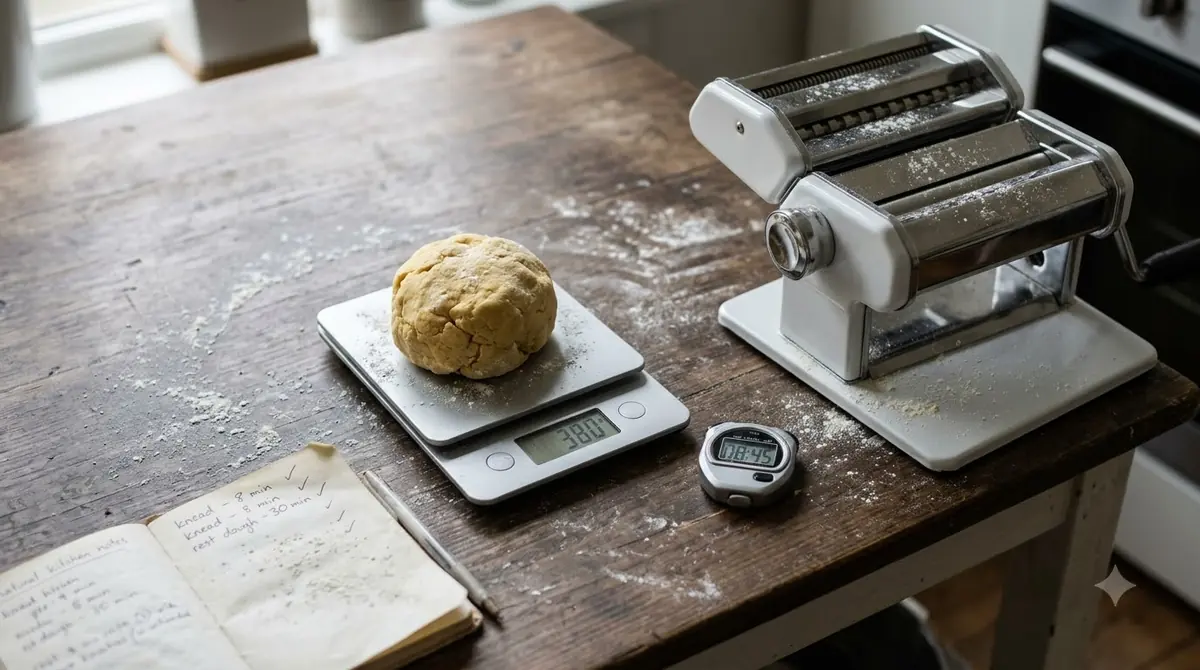
According to Wikipedia’s article on gluten, the network forms readily with the addition of water and often kneading, and kneading promotes the formation of gluten strands and cross-links. The same article says increased moisture enhances gluten development, and that gluten contributes extensibility to the mix.
Flour weight is the easiest variable to get wrong in pizza dough tearing. America’s Test Kitchen warns that cup measures can vary by up to 20 percent. Too much flour causes excess gluten development, so the dough never becomes extensible. Too little flour may not give the dough enough structure and chew. Weighing the flour on a kitchen scale is the simplest way to keep the dough in its stretchable range. A very wet, sticky dough has its own causes, which pizza dough that is too sticky covers separately.
How to Stretch Dough Without Tearing It
Check the dough with the poke test, keep rings and debris away from it, and stop pulling when it springs back. Those three habits address the main handling causes of pizza dough tearing during opening.
- Take the dough out of the fridge early, so it can warm to room temperature while the oven preheats.
- Do the poke test. If the dough springs back straight away, rest it longer before stretching.
- Remove rings, bracelets and watches, trim nails if needed, and clear flour, crumbs and debris from the bench. Gozney’s stretching guide warns that jewelry, nails and debris could tear the dough during opening.
- Open the dough by gravity. America’s Test Kitchen presses the dough into an 8-inch round, drapes half over the counter, and lifts the top half at 10 and 2 o’clock, rotating it so gravity does the stretching.
- Keep the center from getting too thin. Ooni’s stretching guide notes that thin dough is more likely to rip, so stop before the middle is paper thin, and hold the base up to a light to check how even it is.
If a step still resists, do not force it. Rest the dough for a few more minutes and try again, because a tight gluten network needs time to relax before it will extend.
Dusting is different from adding extra flour to the dough itself. Ooni suggests dusting both the work surface and your hands generously with flour or semolina, so the dough does not stick and tear when you lift it. The flour inside the dough is a separate matter, which is why weighing it matters. America’s Test Kitchen also calls tipo 00 flour such as Caputo 00 “exceptionally workable and forgiving”, and what 00 flour is explains how it differs from other flours.
What to Do About Holes and Tears
Small holes from pizza dough tearing can usually be pinched shut with your fingers. Ooni’s stretching guide says to pinch small holes or tears back together if you overstretch the dough, so you can close the gap and keep the dough moving.
If pizza dough tearing keeps happening at the same spot, the dough is probably still too tight. Set it aside to rest and repeat the poke test rather than stretching the same area harder.
Frequently Asked Questions
Why does my dough spring back when I stretch it?
Springing back usually means the gluten is still too tight, which is the main driver of pizza dough tearing. Gozney’s poke test is the check: if the dough springs back straight away, give it more time at room temperature. Stretch it once it relaxes, rather than pulling harder on a tight ball.
How long should pizza dough rest before stretching?
To avoid pizza dough tearing, Gozney gives a room-temperature rest of about 2 to 4 hours, and up to 8 hours in a cooler place. The right time depends on how warm your kitchen is, so use the poke test to decide when the dough is ready.
Does cold fermentation help prevent pizza dough tearing?
Yes, according to America’s Test Kitchen, which says cold fermentation relaxes the gluten network. It suggests refrigerating the dough for at least 24 hours, up to 3 days, and refrigerating shaped balls for 4 to 24 hours before stretching. Bring the dough back toward room temperature before you open it.
Does the amount of flour cause tears?
Flour amount is one factor in pizza dough tearing. America’s Test Kitchen says cup measures can vary by up to 20 percent, and too much flour causes excess gluten development so the dough never becomes extensible. Weighing the flour keeps the dough consistent from batch to batch.
Can jewelry or nails tear pizza dough?
Yes. Gozney warns that jewelry or nails could tear the dough during opening, and Ooni advises removing your watch, rings and other hand jewelry because they can cause tears. Take off rings and bracelets before you open the dough, and clear the bench of debris first.
Rest first, then test. If the dough springs back, give it more time at room temperature instead of pulling harder. Weigh your flour, keep rings and debris away from the bench and avoid thin spots, and you remove the main causes of pizza dough tearing. If the dough never puffs up at all, the issue is rising rather than stretching, as pizza dough that is not rising explains.