

The best mozzarella for pizza at home is whole-milk, low-moisture mozzarella sold in a block or a ball, which melts into an even layer and stays dry enough to keep the crust crisp. Fresh mozzarella can taste richer, but it releases more water in a home oven. Buying a block and shredding it yourself gives better melt than pre-shredded bags.
Best mozzarella for pizza: low-moisture vs fresh
For most home ovens, low-moisture mozzarella is the safer default. It has less water, so it browns and melts without leaving a wet puddle on the dough.
Fresh mozzarella, sometimes labeled fior di latte, has a soft texture and a milky flavor. Several cooks describe it as the richer choice, and King Arthur’s team ranked fresh mozzarella first for flavor in its pizza cheese roundup. The trade-off is moisture. Fresh cheese releases water as it heats, which is why it is usually saved for thin, fast-baked pies or added in small amounts. Neapolitan-style pizza depends on that fast bake, and most home kitchens cannot reach the heat needed for it.
A simple compromise is a blend. Some cooks use mostly low-moisture mozzarella and add a few torn pieces of fresh cheese on top for flavor. Keep the fresh pieces small so they do not pool.
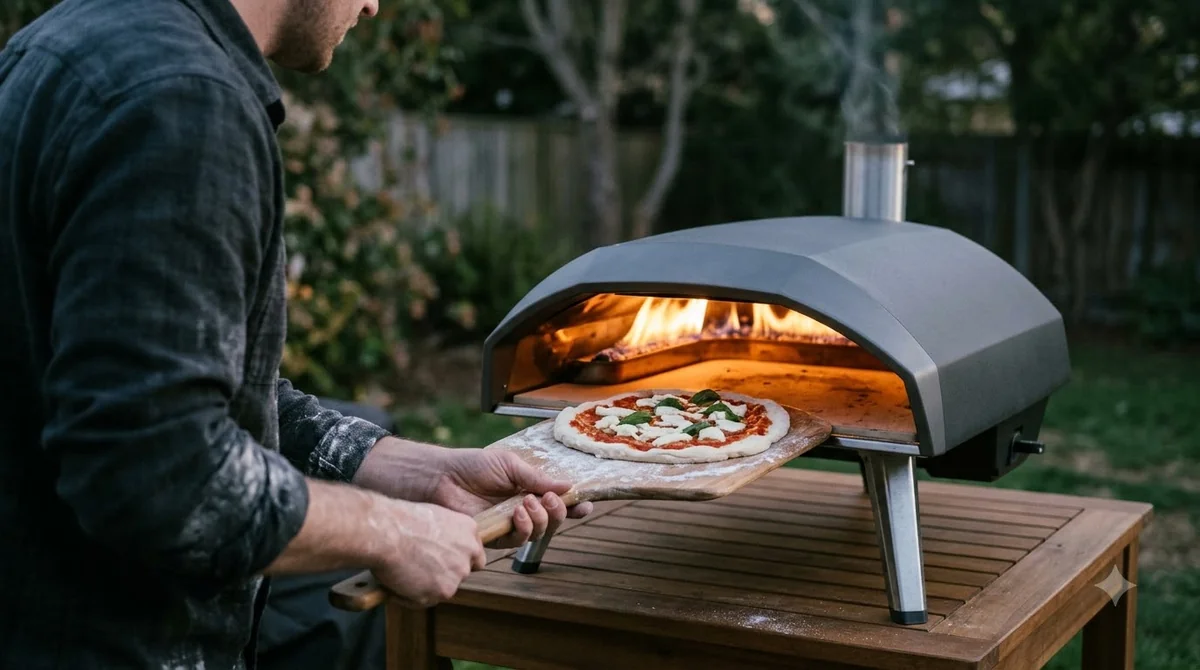
The choice also depends on your oven. A standard home oven runs cooler than a restaurant deck oven, so the cheese needs more time to brown, and that extra time gives fresh mozzarella more chances to release water. If your oven cannot get very hot, low-moisture cheese is the more forgiving option. If you own a dedicated pizza oven or a stone that preheats for a long time, fresh cheese becomes easier to manage because the crust sets faster.
Whole milk or part-skim
Choose whole-milk mozzarella when you can. The Takeout reports that pizza pros prefer full-fat mozzarella, because part-skim versions become chewy and tough once they cool.
Flavor also matters. In a blind taste test described by The Takeout, one pizzeria team preferred a tangier whole-milk loaf that is widely sold in grocery stores. Read the label for salt and fat content, and compare two brands side by side on a pizza before you buy in bulk.
- Look for a block or ball rather than a pre-shredded bag.
- Pick whole milk for a richer melt and a softer bite.
- Check the package for the storage and use-by instructions.
How to prepare the cheese
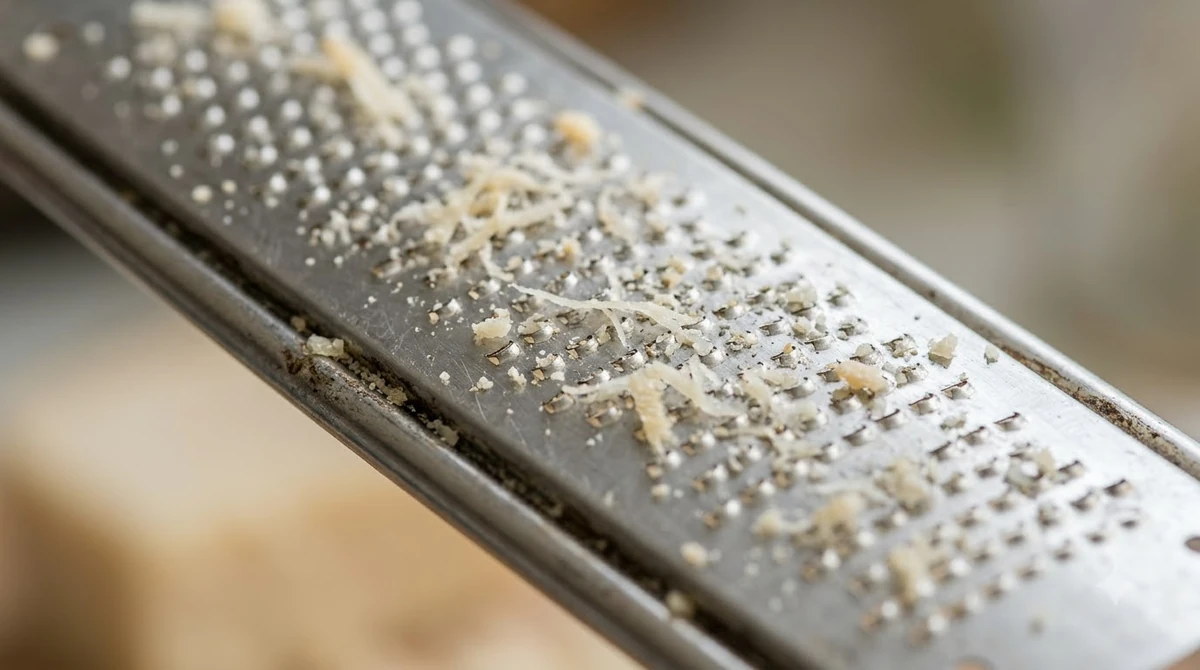
Shred or slice the cheese yourself. King Arthur’s writers note that pre-shredded cheese is less meltable than block cheese you grate at home, and The Takeout points out that the cellulose in many bagged shreds can leave a grainy texture.
If you cannot shred, tear or cube the block instead. For a wetter cheese, blot slices with a paper towel before you add them. Then rest the dough before you top it, so the crust is ready to hold the cheese without sinking.
Cut the cheese just before you bake. Shredded or cubed pieces left sitting on the counter can warm up and sweat, and that surface moisture makes it harder to get an even melt. Keep the rest of the block chilled and only take out what you need for the next pizza. This small habit makes a noticeable difference when you cook several pies in one session.
Cheese blends that work
Mozzarella on its own gives stretch, but a small amount of a harder cheese adds flavor. King Arthur’s roundup suggests mozzarella plus provolone for both stretch and taste, a pattern many pizzerias use.
Hard cheeses such as Parmesan melt poorly on their own, so use them for a finishing dust rather than as the main layer. Sharp cheddar can add a bolder flavor in a blend; keep the amount modest so the top does not turn heavy.
Common mistakes with mozzarella
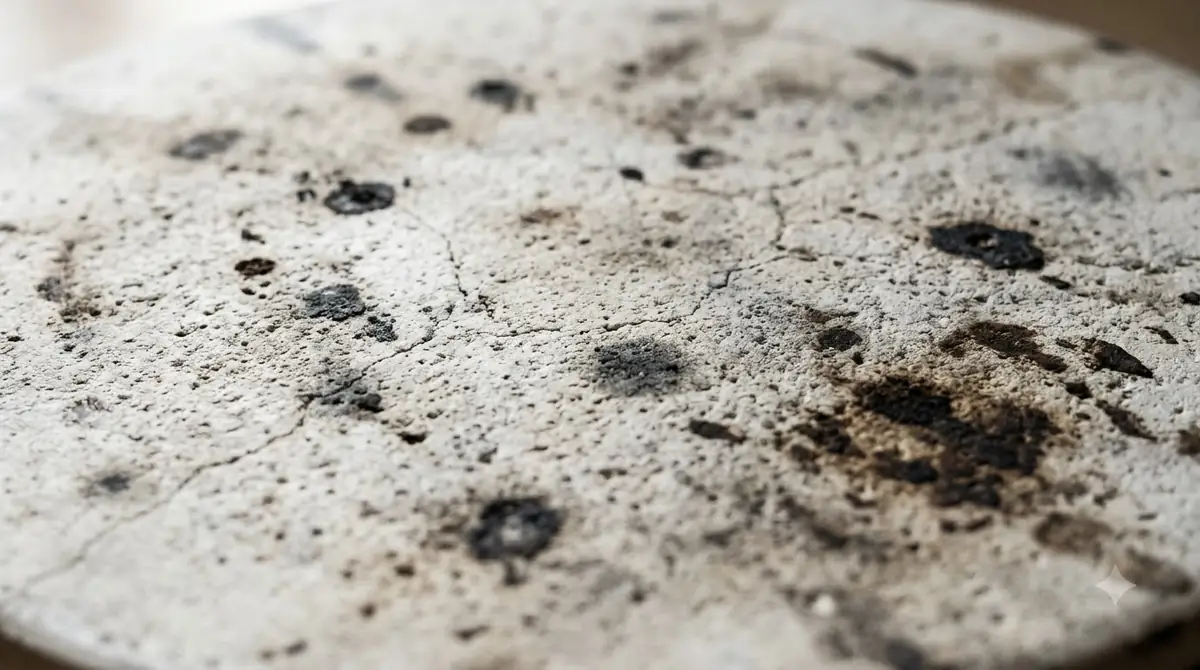
The most common problem is too much cheese. A heavy layer releases more fat and water than the crust can handle, which leads to a soggy center. Spread the cheese to the edge, leave a small border, and stop before the layer looks crowded.
Sauce is the third variable. A thick, wet sauce adds water on top of the cheese, so spread a thin layer and let it cover the dough evenly. Many home cooks find that a lighter sauce plus a moderate amount of mozzarella gives the best balance between flavor and crispness.
Another mistake is topping a cold dough. Let the dough come to room temperature first so it stretches without tearing, then add the cheese just before baking. For storage and food safety, follow the date and handling instructions printed on the package and keep cheese refrigerated until use.
Frequently Asked Questions
Is fresh mozzarella bad for homemade pizza?
No, but it needs care. It releases more water than low-moisture cheese, so use it in small pieces or on a very hot stone, and pat it dry before adding it.
Should I use pre-shredded mozzarella?
It works in a pinch, but it melts less evenly than a block you shred yourself. The Takeout notes that bagged shreds can contain cellulose, which may leave a grainy texture.
Is whole milk really better than part-skim?
For pizza, whole milk usually gives a softer, more flavorful result. Part-skim can be drier and tougher once it cools, though it may be a fit for a lighter meal.
How much mozzarella should I put on a home pizza?
Use enough for an even layer that reaches close to the edge without covering the sauce in heavy clumps. A thinner layer with a bit of sauce usually bakes more evenly than a thick one.
Start with a block of whole-milk, low-moisture mozzarella, shred it yourself, and use a light hand. Add a small amount of harder cheese for flavor, keep fresh cheese for small touches, and your home pizza will melt evenly without turning soggy.
 8 min readBest PicksBest Noodle Makers for Fresh Pasta at HomeUpdated Nov 15, 2026
 8 min readBest PicksBest Noodle Maker Machines for Fresh Pasta at HomeUpdated Nov 14, 2026
 5 min readBest PicksMost Popular Pizza Oven: Which Type Home Cooks ChooseUpdated Nov 13, 2026
 6 min readBest PicksPizza Oven and Smoker Combo: What to Check Before You BuyUpdated Nov 13, 2026
 5 min readBest PicksHigh Temp Pizza Oven: How Hot Is Hot EnoughUpdated Nov 13, 2026
 5 min readBest PicksPizza Oven Black Friday: How to Shop Smart DealsUpdated Nov 13, 2026