
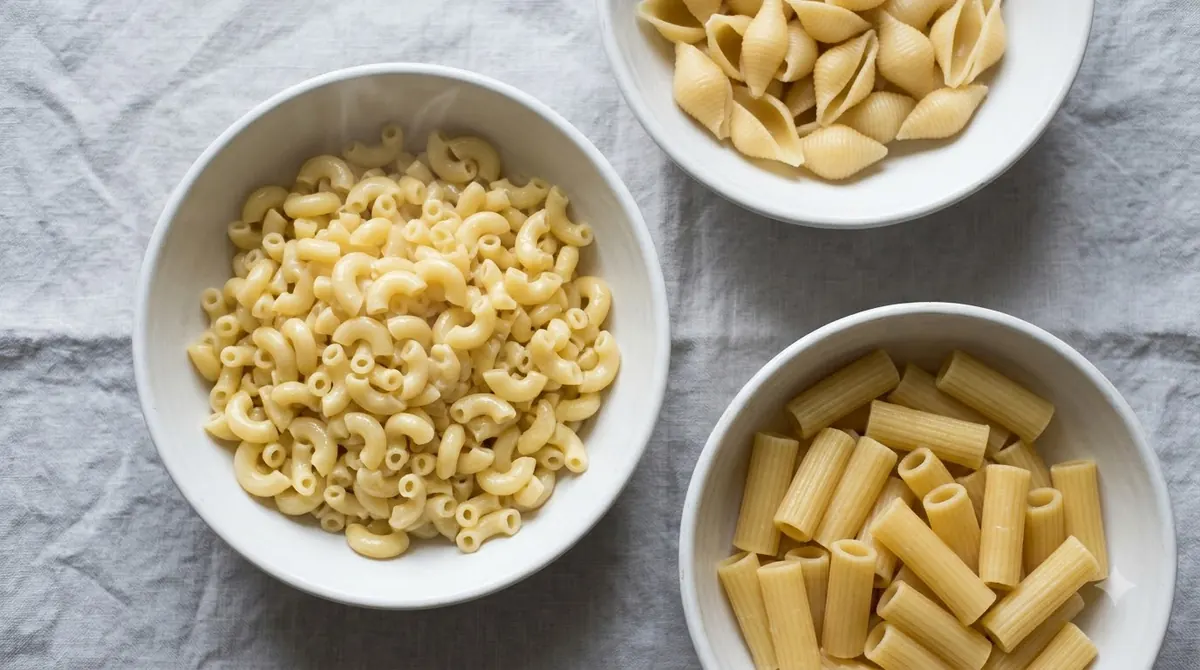

The best sauce for bucatini is a thick, clinging sauce that can enter the hollow center, such as amatriciana, gricia, or carbonara, which are all traditional Roman pairings. Bucatini’s hollow core holds sauce better than spaghetti does, so a lighter sauce tends to slide off while a richer one stays inside the tube.
The right sauce depends on how the pasta is cooked and how much sauce you want per serving. This guide covers the traditional pairings, the reasons they work, and how to match a sauce to the bucatini you have.
Why Bucatini Needs a Sauce That Clings
Bucatini is a long, thick strand with a hole through the center, about 3 mm in diameter. Tasting Table notes that its hollow center holds sauce better than spaghetti, which is the main reason cooks choose it for saucy dishes. A sauce that is too thin will run off the strand instead of coating it.
Texture matters too. Bucatini is usually cooked to al dente in about 7 to 9 minutes, according to Tasting Table, and a slightly firmer strand keeps its shape when tossed in a glossy sauce.
Traditional Roman Sauces for Bucatini
Bucatini comes from Lazio, particularly Rome, and most of the classic sauces for it come from the same region. Wikipedia lists amatriciana, which is traditionally made with guanciale, which is cured pork jowl, and gricia, which uses guanciale and pecorino. Both are simple, with few ingredients, so the pasta’s texture stands out.
Amatriciana adds tomato to the guanciale and pecorino base, so it is a bit looser than gricia. Gricia has no tomato, and its fat and cheese cling to the strands, which makes it a strong match for the hollow center.
Richer and Oil-Based Sauces
Sporked suggests bucatini for oil-based sauces such as carbonara, where the egg and cheese form a creamy coating. The sauce works with the pasta’s surface and its hollow center, so each bite carries some sauce.
Other rich sauces that cling well include a slow-cooked meat ragu, a thick tomato sauce with olive oil, or a pesto with enough cheese to bind it. Keep the sauce thick, and loosen it with a splash of starchy pasta water rather than extra oil.
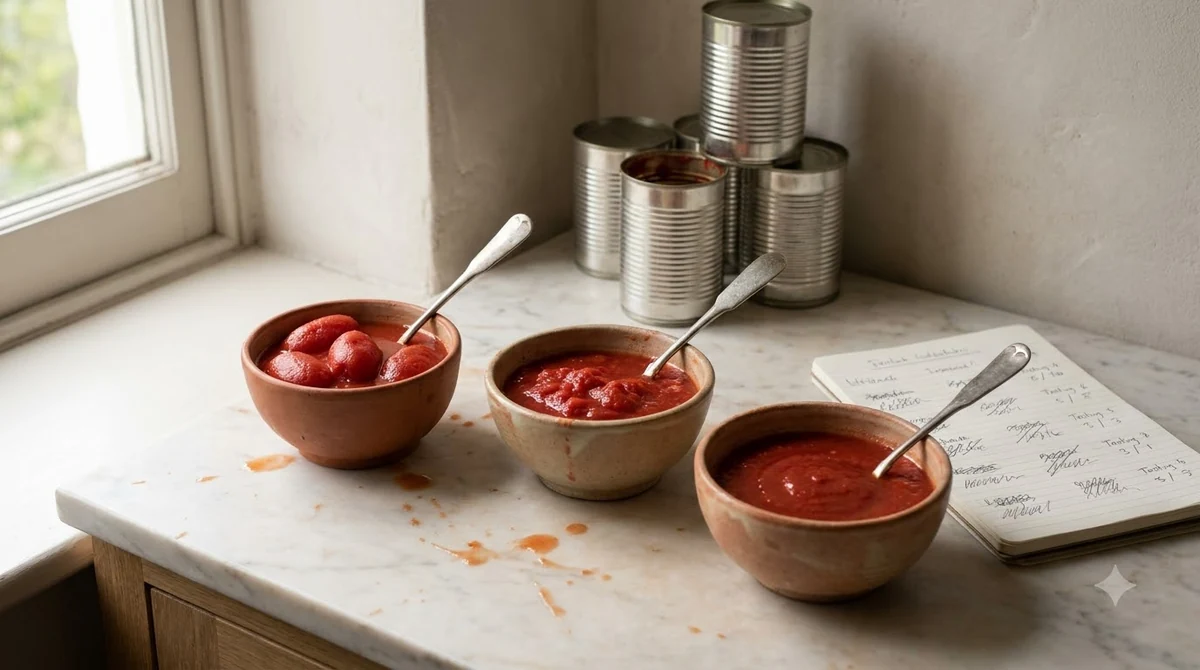
Ingredient quality shows up in a short sauce, so use the best ingredients you can find. Good guanciale or pancetta gives amatriciana its savory base, and a sharp pecorino Romano brings the salt the pasta needs. For tomato versions, whole peeled tomatoes crushed by hand often give more body than a thin purée. Whichever sauce you choose, the best sauce for bucatini balances fat, salt and body, and suits the pasta’s hollow center.
| Sauce | Base | Why it suits bucatini |
|---|---|---|
| Amatriciana | Guanciale, tomato, pecorino | Tomato coats the strands and fills the center |
| Gricia | Guanciale, pecorino | Fat and cheese cling to the hollow tube |
| Carbonara | Egg, cheese, cured pork | Creamy coating, suggested by Sporked for oil-based pairings |
How to Build the Best Sauce for Bucatini at Home
Building the best sauce for bucatini starts with a fat that carries flavor, such as rendered guanciale or good olive oil, then adds a cheese or tomato that gives the sauce body. Cook the sauce until it is glossy and holds onto a spoon. A thin sauce will drop off the strands, but a sauce with enough fat and starch will cling to the hollow center.
Pasta water is the step many cooks skip. Before you drain the bucatini, save a cup of the cooking water, then add a splash to the pan with the pasta and sauce. The starch in the water helps the sauce emulsify, so the best sauce for bucatini sticks to every strand instead of pooling at the bottom of the bowl. Toss over moderate heat until the pasta looks coated.
Mistakes That Make a Sauce Fail on Bucatini
The most common mistake is serving a light, brothy sauce with bucatini. The pasta’s center holds liquid, but a broth-style sauce separates and leaves the plate wet, so choose a sauce with body. The second mistake is overcooking the pasta. Soft bucatini cannot hold its shape under a heavy sauce, so pull it from the water at al dente.
The third mistake is adding too much cheese at once. Stir the cheese in off the heat, with pasta water, so it melts into a smooth coating instead of clumping. When the best sauce for bucatini is built this way, each forkful carries the sauce from the outside of the strand to the center.
Plate the bucatini right after tossing it, while the sauce is still glossy. Sauce that sits on a hot plate for several minutes will thicken and dry on the strands. Serve with a small bowl of extra grated cheese on the side, so the person eating can adjust the richness of their own portion.
Frequently Asked Questions
Is bucatini the same as spaghetti?
No. Bucatini is thicker than spaghetti and has a hollow center, which is the main difference. That center holds sauce differently, so the sauce choice matters more.
Can I use a thin sauce with bucatini?
A thin sauce will run off the strands. If you want a lighter sauce, cook it down a little or finish the pasta in the pan with some pasta water so the sauce emulsifies and clings.
What is the traditional sauce for bucatini?
Amatriciana is the most widely cited traditional pairing, made with guanciale and pecorino, and often tomato. Gricia is the same without the tomato.
Is bucatini good with vegetable sauce?
Yes, if the sauce is thick enough to coat. A chunky vegetable sauce or a pesto with cheese works well. Choose a sauce with body rather than a thin broth-style one.
For bucatini, choose a sauce that coats and clings. Amatriciana and gricia are the classic Roman options, carbonara suits a creamy finish, and a thick ragu or cheesy pesto also works. Cook the pasta to al dente, keep the sauce thick, and finish the dish with a little pasta water so every strand carries flavor.
 6 min readLearnHow to Make Bucatini All’Amatriciana: Step-by-Step Roman RecipeUpdated Nov 13, 2026
 5 min readLearnBest Sauce for Penne: Pairings That Cling to TubesUpdated Nov 13, 2026
 6 min readLearnBest Sauce for Garganelli: Ragù and Regional PairingsUpdated Nov 13, 2026
 6 min readLearnBest Sauce for Farfalle: Pairings That Hold the SauceUpdated Nov 13, 2026
 5 min readLearnBest Sauce for Orecchiette: 4 Pairings That Cling to the PastaUpdated Nov 13, 2026
 8 min readLearnWhat to Serve with Ravioli: Sides, Sauces and Wine PairingsUpdated Nov 12, 2026