

To learn how to make bucatini all’amatriciana, render diced guanciale with red pepper flakes, simmer it with crushed tomatoes, and toss the sauce with bucatini and grated Pecorino Romano. The dish takes about 30 minutes from start to finish. Its flavor comes from a short list of ingredients, so the quality of the guanciale and the cheese matters more than any extra seasoning. The steps below follow an America’s Test Kitchen method and note where other classic versions differ.
What Bucatini All’Amatriciana Is
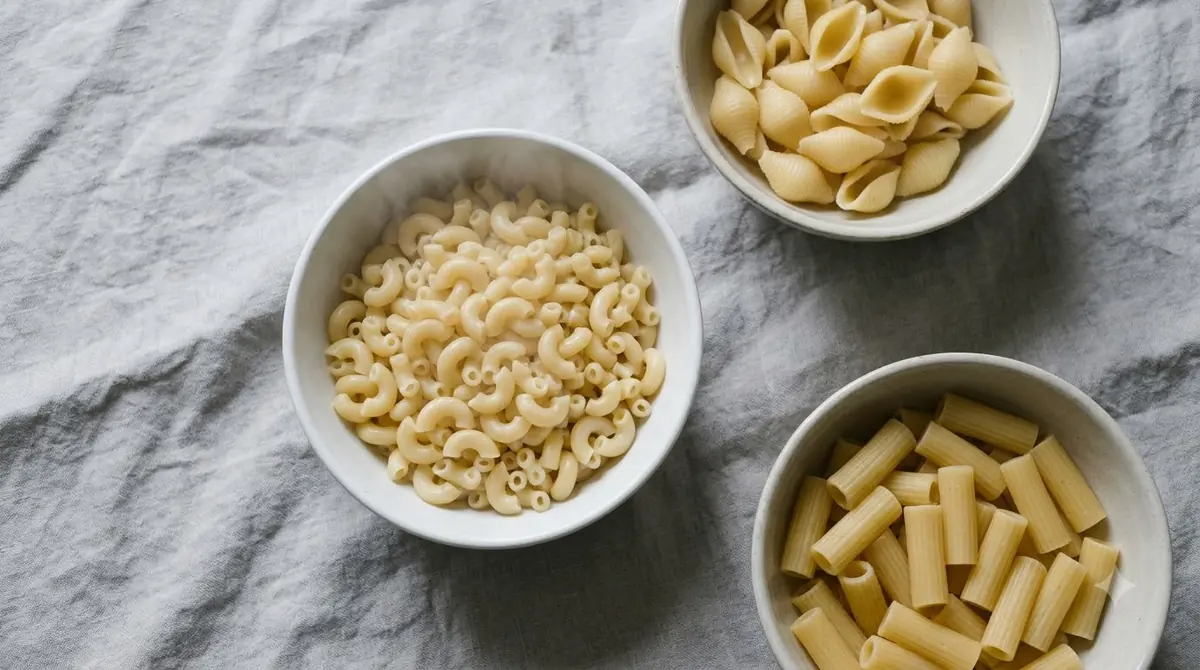
Bucatini all’amatriciana is a Roman pasta dish built on a tomato sauce flavored with cured pork. Bucatini is a thick, hollow spaghetti-like pasta, and its hole holds the sauce well.
The Tasting Table recipe describes amatriciana as a Roman tomato sauce and lists guanciale, Calabrian chiles, dry white wine, canned San Marzano tomatoes, Pecorino Romano, olive oil, salt, black pepper and bucatini as the traditional ingredients. It also says amatriciana rarely includes aromatics such as onion and garlic. That is a useful starting point, because many home versions do add onion, and the difference changes the sweetness of the sauce.
Ingredients for Bucatini All’Amatriciana
The list below serves four and follows the America’s Test Kitchen version. Buy guanciale in one piece if you can, because cutting it yourself gives better strips for rendering.
- 1 pound bucatini
- Salt for the pasta water, plus ½ teaspoon table salt for the sauce
- 4 ounces guanciale, cut into ¼-inch-thick strips and then into ¼-inch pieces
- 2 tablespoons extra-virgin olive oil
- ½ small onion, sliced thin
- ½ teaspoon red pepper flakes
- ¼ cup red wine
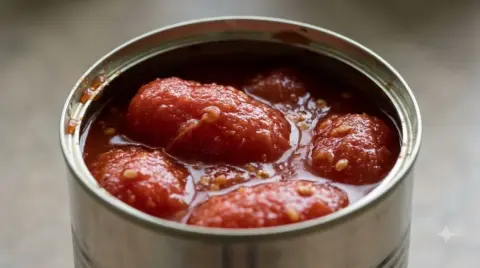
- 1 (28-ounce) can whole peeled tomatoes, crushed by hand
- 1 ounce Pecorino Romano, grated (about ½ cup), plus extra for serving
The guanciale is the ingredient that gives the sauce its character. If you cannot find it, pancetta is the most common replacement, and the Tasting Table page also suggests pork belly or good bacon as a last resort. Note that those swaps change the flavor of the dish.
Step by Step: How to Make Bucatini All’Amatriciana
Start the pasta water first, then render the guanciale slowly so its fat flavors the oil before any liquid goes in.
- Bring 4 quarts of water to a boil in a large Dutch oven. Add the pasta and 1 tablespoon of salt, and cook, stirring often, until al dente.
- In a large saucepan over medium heat, cook the olive oil, onion, red pepper flakes and guanciale for about 7 minutes, stirring frequently. The fat should render, and the guanciale and onion should just begin to brown.
- Add the red wine and cook for about 1 minute, until it is reduced by half.
- Stir in the crushed tomatoes with their juice and the ½ teaspoon of salt, and bring to a simmer. Lower the heat to medium-low and cook, stirring frequently, for about 10 minutes, until the sauce is slightly thickened.
- Before draining the pasta, reserve ½ cup of the cooking water. Drain and return the bucatini to the pot.
Keep an eye on the guanciale during the first 7 minutes. If it browns too fast, lower the heat a little. The goal is crisp, rendered pieces with a soft, fatty center, not hard, dark bits.
Cooking the Pasta and Adding the Pecorino
The final step happens off the heat or on low heat, and it decides whether the sauce coats the pasta or pools at the bottom of the bowl.
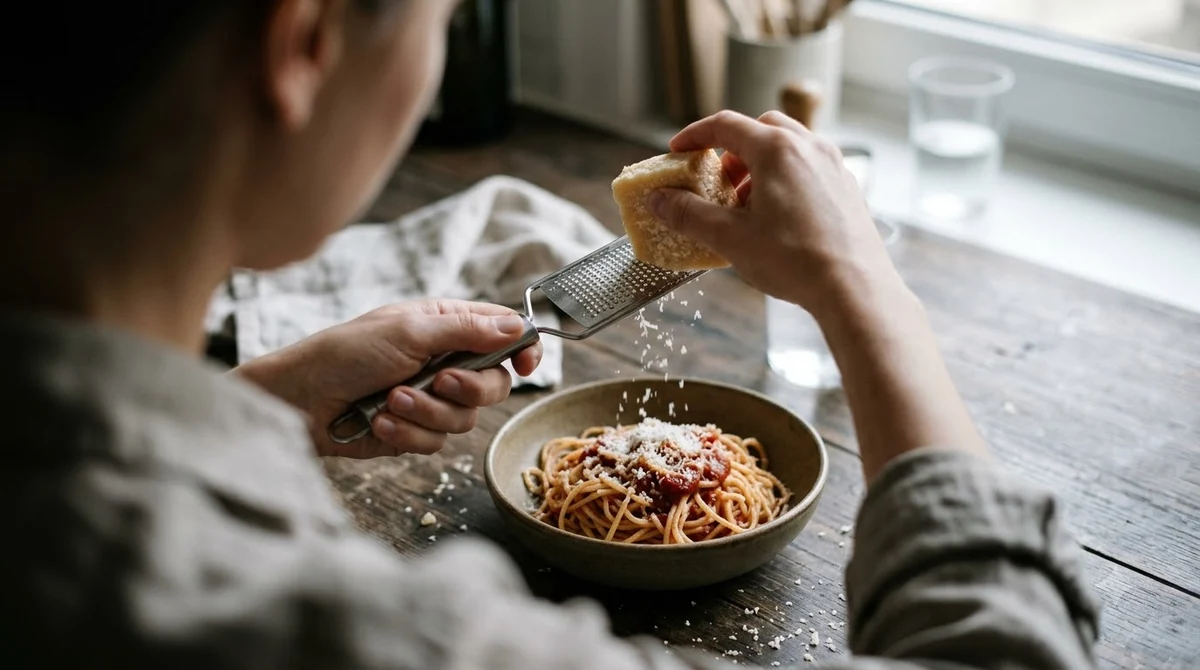
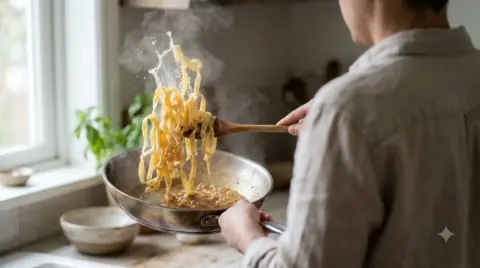
Add the grated Pecorino, the sauce and ¼ cup of the reserved pasta water to the pot with the bucatini. Toss for 1 to 2 minutes, until the sauce looks glossy and coats the pasta evenly. Add more of the reserved water only if the sauce needs loosening.
The reserved starchy water is what makes the sauce cling. Skipping it makes the sauce harder to thin and bind to the pasta, as the Tasting Table page notes. The cheese should melt into the sauce rather than clump, so add it with the pasta off the heat or over very low heat.
Common Variations You Will See
Recipes for this dish do not all agree, so it helps to know which changes are common and which ones shift the flavor.
Onion is the biggest difference. The America’s Test Kitchen version uses half a small onion, while the Tasting Table version leaves out aromatics. Wine also varies: the first uses ¼ cup of red wine, and the second calls for dry white wine that simmers until almost all of it has reduced. Garlic is another optional addition, and the Tasting Table page allows it if you like.
For cheese, Parmesan can stand in for Pecorino in a pinch, but the sauce will taste milder and less sharp. Calabrian chiles are used in some versions, and the same source warns that a little goes a long way. Start with a small amount of red pepper flakes and add more only after you taste.
Serving Tips for Bucatini All’Amatriciana
Serve the pasta as soon as it is tossed, with extra Pecorino on the side for anyone who wants more.
Bucatini all’amatriciana is rich, so a simple green salad with a sharp dressing balances it well. Serve it in warm bowls, because the sauce tightens quickly on cold plates. Leftovers can be reheated gently in a skillet with a splash of water, stirring until the pasta is hot throughout.
Frequently Asked Questions
Can I use bacon instead of guanciale?
Bacon can work if you cannot find guanciale. The Tasting Table page lists good bacon as a last-resort substitute, and it warns that the swap influences the flavor of the dish. Pancetta is the closer match, since it is cured pork belly rather than smoked bacon.
Is bucatini the right pasta for this sauce?
Bucatini is the traditional choice because its hollow center carries the sauce well. Spaghetti is a common substitute and works without changing the method. Use the pasta package time as a starting point and check for doneness before you drain.
Why does my sauce look greasy or separated?
A greasy sauce usually means the pasta water was not added, or the cheese was added over heat that was too high. Add a splash of the reserved starchy water and toss again off the heat. Starchy water helps the fat and the tomato bind together.
How much chili should I add?
The America’s Test Kitchen version uses ½ teaspoon of red pepper flakes for four servings. Tasting Table warns that a little chili goes a long way, so start small and adjust after you taste the sauce.
Once you know how to make bucatini all’amatriciana, the dish becomes a reliable weeknight meal. Render the guanciale slowly, keep some pasta water, and finish with the cheese off the heat. A sauce built on those three habits will taste right every time.
 6 min readLearnBest Sauce for Bucatini: Classic Roman PairingsUpdated Nov 13, 2026
 8 min readLearnAmatriciana Sauce Recipe: Guanciale, Pecorino and TomatoUpdated Nov 10, 2026
 8 min readLearnPizza Al Taglio Recipe: Roman Sheet-Pan Pizza You Can Make at HomeUpdated Nov 10, 2026
 9 min readLearnArrabbiata Sauce Recipe: How to Make Spicy Roman Tomato SauceUpdated Nov 10, 2026
 8 min readLearnSpaghetti All Assassina Recipe: Crispy, Spicy Pan Spaghetti from BariUpdated Nov 11, 2026
 9 min readLearnPizza Dough with All Purpose Flour: A Home Recipe That WorksUpdated Nov 11, 2026