
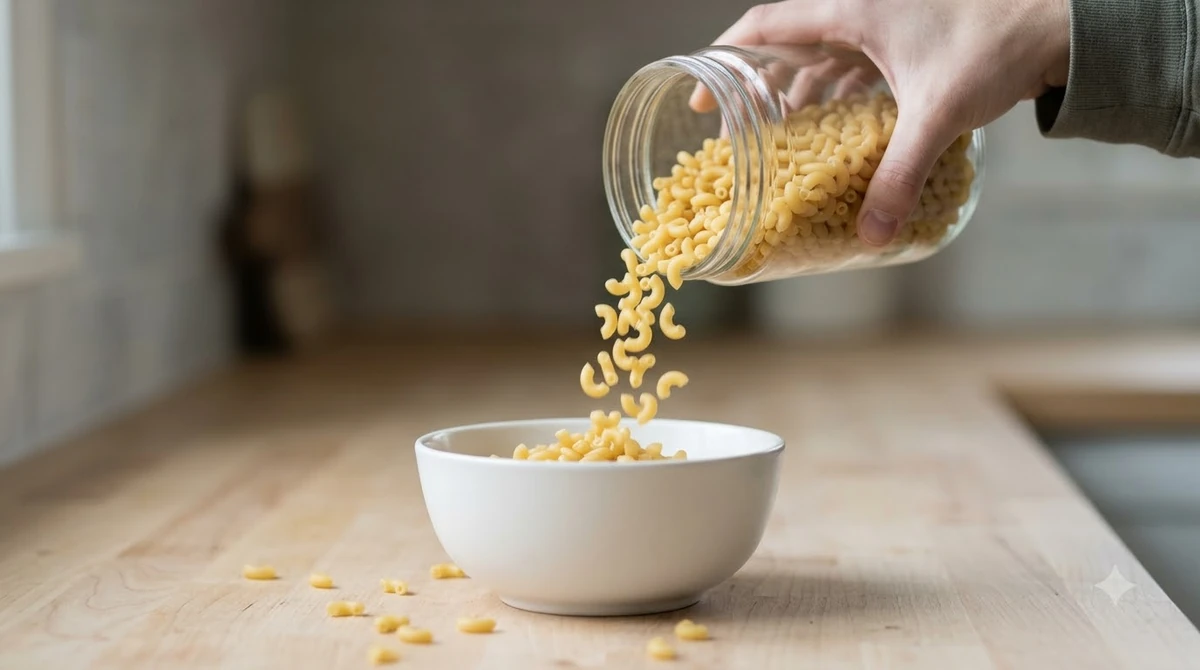

The best sauce for casarecce is a thick, textured one that settles into the twisted channels, such as Sicilian pesto alla trapanese or a chunky eggplant and tomato sauce. The shape has two open grooves along its length, so sauces with small bits or a little body stay put, while thin, runny sauces slide out of the curls.
Casarecce comes from Sicily, where it is traditionally paired with vegetable sauces and chunky preparations. This guide covers the classic pairings, why each one works with the shape, and how to toss the pasta so the sauce ends up inside the curls instead of on the plate.
What Shape Is Casarecce?
Casarecce is a short, rolled Sicilian pasta, and its cross-section has inward-curling edges rather than a closed tube.
The Vintage Pasta guide to casarecce describes the S-shaped cross-section, which leaves two open channels along the length. Those channels are the reason the shape pairs well with thicker sauces, because the sauce can lodge inside them instead of running straight off.
Pesto alla Trapanese: The Classic Match
Pesto alla trapanese is the traditional Sicilian partner for casarecce, because its almond base thickens the sauce enough to sit in the grooves.
Vintage Pasta notes that the almond-thickened sauce lodges in the channels, so it stays with the pasta from the first forkful to the last. Use the sauce warm rather than hot, and toss it with a splash of pasta water so it coats each curl evenly.
Taste the sauce before adding any grated cheese, since the traditional version relies on almonds, tomato, and basil for its flavor. Because the sauce is thick, add it to the drained pasta in the pan rather than spooning it on top. A few tablespoons of pasta water loosen the sauce just enough to spread it through the channels.
Eggplant and Tomato Sauce
A chunky eggplant and tomato sauce, the style used in pasta alla norma, is a strong second choice because the pieces tuck into the curls.
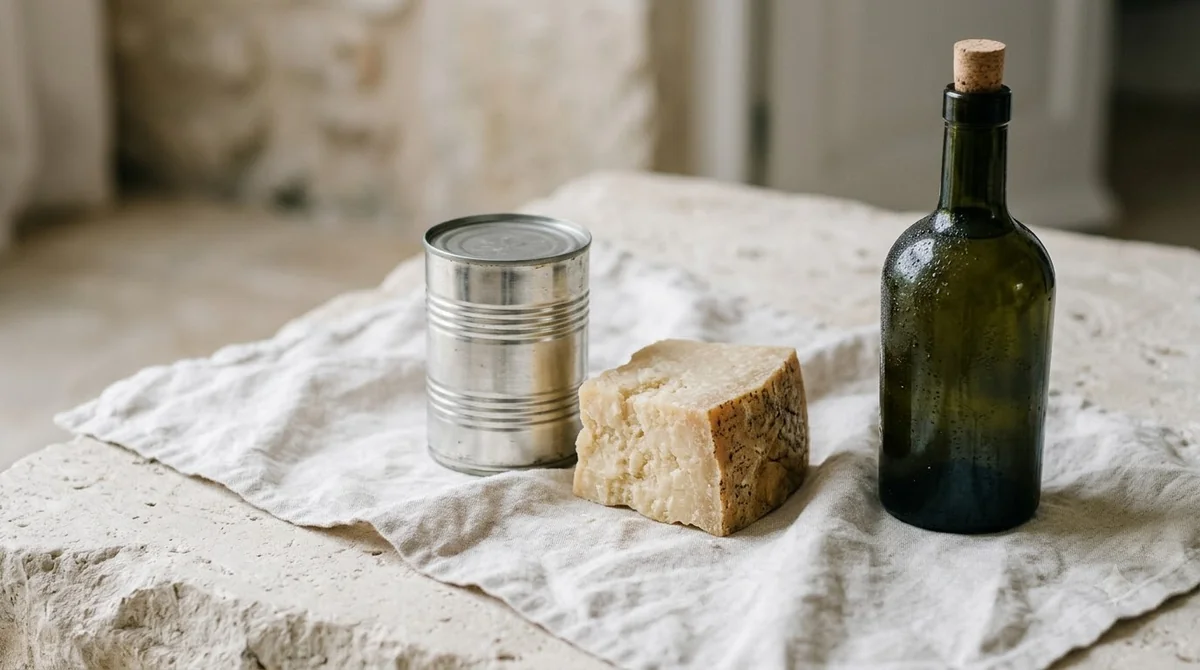
Vintage Pasta says the eggplant and tomato pieces seat themselves in the shape’s pockets, so each bite carries both the vegetable and the sauce. Cut the eggplant into small, even cubes and fry or roast them until golden before adding them to the tomato sauce, so they hold their shape.
Serve it with grated hard cheese on the side, and add a few torn basil leaves just before serving so they stay bright.
Simmer the sauce until it is thick enough to cling to a spoon. A loose, watery sauce will not stay in the grooves, so reduce it if needed before tossing with the pasta.
Ricotta, Tomato, and Other Chunky Sauces
Ricotta and tomato is a classic pairing for casarecce, and other chunky tomato and vegetable sauces suit the shape for the same reason.
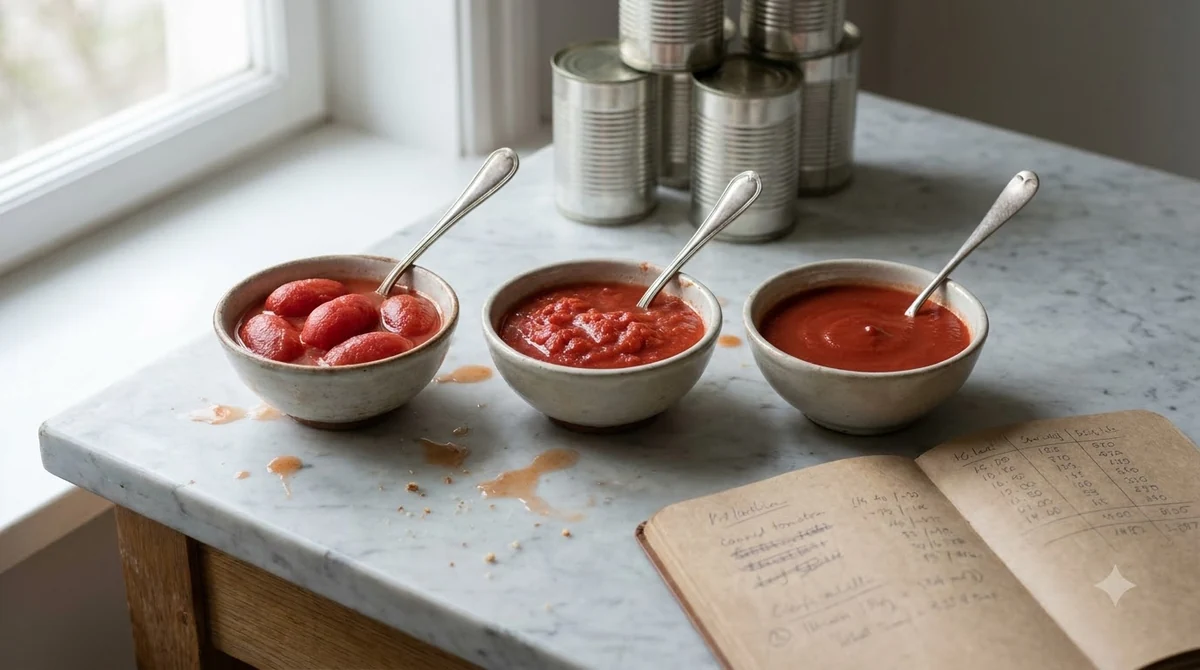
Vintage Pasta lists ricotta and tomato as a classic pairing without explaining why, but the logic is the same as with pesto: the ricotta adds body, so the sauce holds in the curls. Stir in a spoonful of ricotta off the heat with a little tomato sauce and pasta water to make a smooth coating.
The Pasta Project guide to casarecce also shows that the shape adapts to both Sicilian vegetable sauces and chunky preparations. Chunky sauces with small pieces of vegetable, olives, or herbs fit the channels better than smooth sauces.
The Best Sauce for Casarecce at a Glance
The table sets out the best sauce types for casarecce, why each one suits the shape, and what to watch for when you make it.
| Sauce | Why it suits casarecce | What to watch for |
|---|---|---|
| Pesto alla trapanese | Almond base lodges in the channels | Loosen with pasta water, serve warm |
| Eggplant and tomato | Pieces seat in the curls | Reduce until thick and cling-ready |
| Ricotta and tomato | Ricotta adds body to hold the sauce | Stir ricotta in off the heat |
| Chunky vegetable sauce | Small pieces fit the grooves | Avoid thin, watery versions |
If you are unsure which one to try first, start with pesto alla trapanese, since its almond base is the most distinctive match for the shape.
The common thread is texture. Whatever sauce you pick, make it thick enough that it does not run straight off the pasta when you lift it from the pan.
How to Toss Casarecce With Sauce
Toss the drained pasta with the sauce in the pan over low heat so the sauce works into the channels.
Reserve some of the cooking water before you drain. Add the pasta to the sauce and toss until the sauce looks glossy and clings to each piece. Serve straight away, while the sauce is still warm and the curls hold it best.
Cooking times vary with the pasta’s size and whether it is fresh or dried, so follow the package or your recipe, and taste a piece before draining.
Frequently Asked Questions
What is the most traditional sauce for casarecce?
Pesto alla trapanese is the classic Sicilian match. Its almond base thickens the sauce so it settles into the grooves of the pasta.
Can I use a smooth marinara on casarecce?
A smooth, thin marinara runs off the curls, so it is a weaker choice. Reduce it until it is thick and add small pieces of vegetable or olives to give it something to hold.
Does casarecce work with cream sauces?
A thick, cheesy sauce can work, since it coats the curls. Keep the cream sauce thick and avoid a runny version, which will drain out of the channels.
Should I use a meat ragù on casarecce?
A chunky meat ragù suits the shape well, because the small pieces of meat sit inside the grooves. Simmer it until it is thick and glossy before tossing with the pasta.
Choose a casarecce sauce by texture first: thick, textured sauces fill the channels, while thin ones need reducing before they will stick. Start with pesto alla trapanese or a chunky eggplant and tomato sauce, and toss it in the pan with a little cooking water. Once you know how your sauce clings, the next plate will come together faster.
 6 min readLearnBest Sauce for Paccheri: 4 Thick Sauces That Fill the TubeUpdated Nov 13, 2026
 6 min readLearnBest Sauce for Campanelle: Thick Sauces That Cling to the RufflesUpdated Nov 13, 2026
 8 min readLearnCasarecce Pasta: Simple Guide to Shape, Sauce and CookingUpdated Nov 10, 2026
 5 min readLearnBest Sauce for Conchiglie: Chunky, Thick and Cheesy OptionsUpdated Nov 13, 2026
 6 min readLearnHow to Make Agnolotti by Hand: Pinch-and-Fill MethodUpdated Nov 13, 2026
 8 min readLearnWhat Is Pepperoni and Why It Curls on PizzaUpdated Nov 11, 2026