
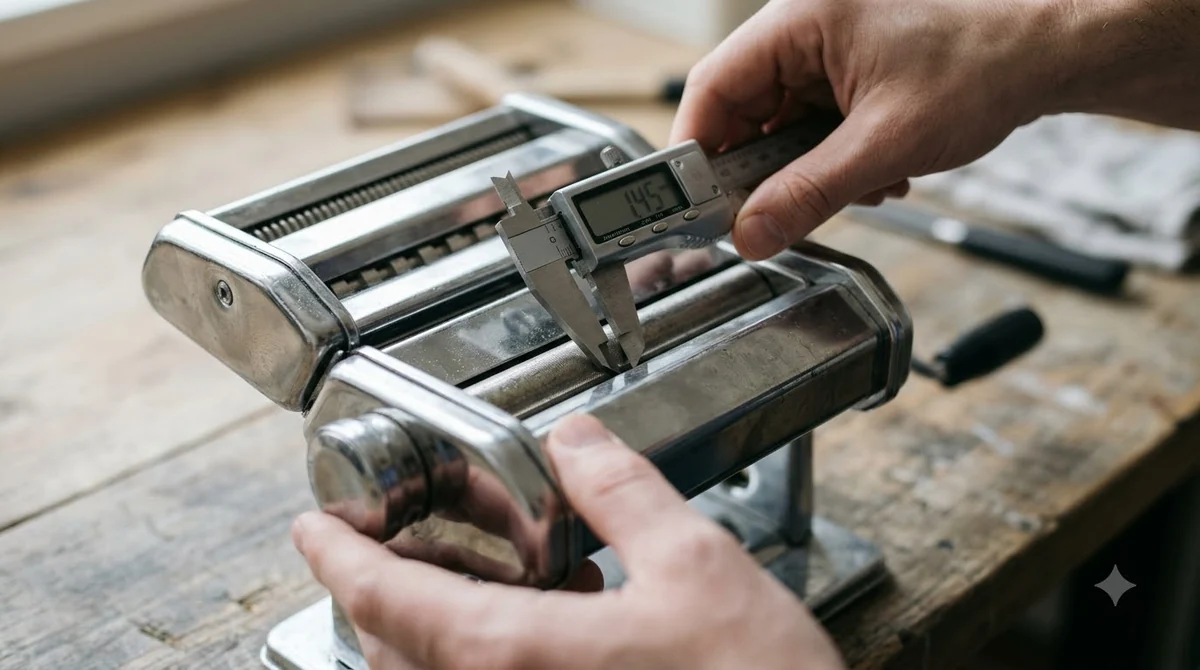

Capellini vs angel hair is mostly a question of thickness, and the average gap is under one-tenth of a millimeter. Capellini measures about 0.85 to 0.92 mm, while angel hair runs 0.78 to 0.88 mm, so most US recipes treat them as one pasta.
The difference matters more in Italy, where the two are labeled as separate products and often sold in different formats. Whether a swap works for you depends on the sauce you plan to make and the package you buy.
| Pick | Best for | Key fact |
|---|---|---|
| Capellini | Light tomato sauce, olive oil and garlic, or simple Parmesan sauces | About 0.85 to 0.92 mm thick |
| Angel hair | Pesto, butter sauces, broth-based soups, and nest-style servings | About 0.78 to 0.88 mm thick |
Capellini vs Angel Hair: How Thick Each Pasta Really Is
For capellini vs angel hair, capellini is about 0.85 to 0.92 mm thick and angel hair is about 0.78 to 0.88 mm, so angel hair is usually the finer of the two.
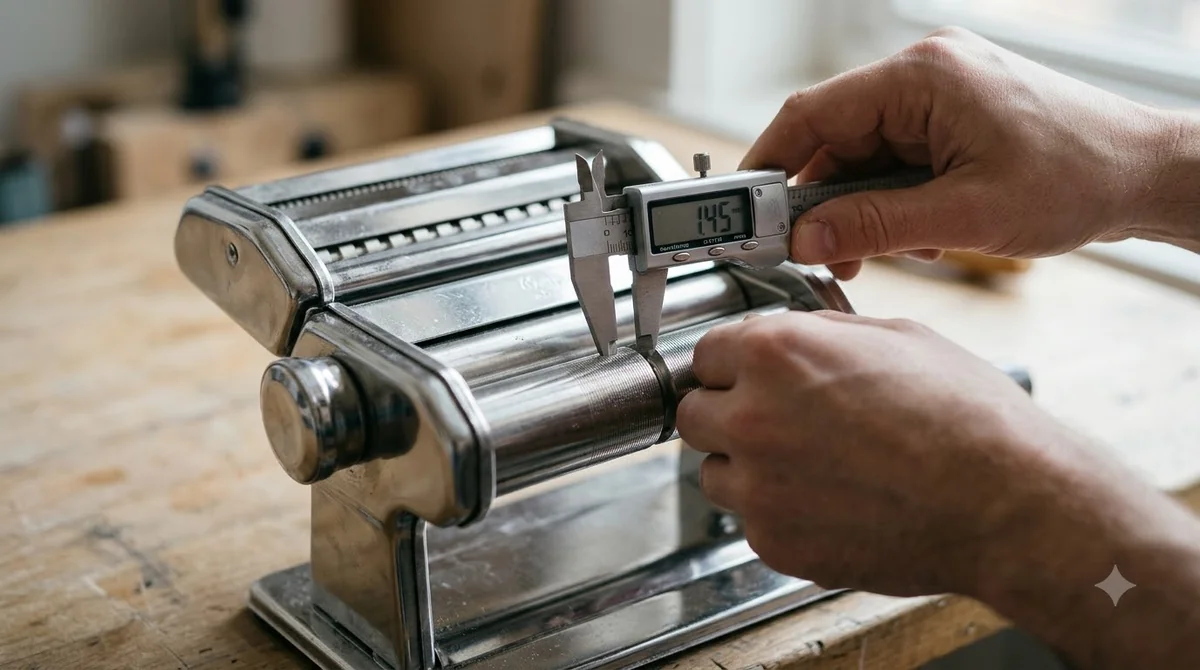
The thickness ranges come from Wikipedia’s capellini entry, which lists both pastas side by side and places their origin in Italy. The same entry notes that capelli d’angelo has been popular in Italy since at least the 14th century, and that the two names translate to “little hairs” and “angel hair.” For cooking times, sauces and a homemade recipe, see our capellini pasta guide. For the finer strand, see our angel hair cooking and sauce tips.
The capellini vs angel hair ranges overlap between 0.85 and 0.88 mm. At that overlap the strands are the same size, so thickness alone cannot tell you which pasta is in the box. According to Tasting Table, the average gap between the thickest capellini and the thinnest angel hair is less than one-tenth of a millimeter.
| Pasta | Diameter | Italian name meaning |
|---|---|---|
| Capellini | 0.85 to 0.92 mm (850 to 920 micrometers) | “Little hairs” |
| Angel hair | 0.78 to 0.88 mm (780 to 880 micrometers) | “Angel hair” (capelli d’angelo) |
The capellini vs angel hair pair sits at the thin end of the long pasta family. Delallo describes capellini as thinner than its most famous cousin, spaghetti, so a dish built on these strands will feel lighter than one built on spaghetti.
If you are weighing capellini vs angel hair for a specific dish, start with the diameter and then check the format. The thickness gap explains only part of the difference, and the rest comes from how each pasta is sold.
Are Capellini vs Angel Hair Interchangeable in Recipes?
In most US recipes you can make a one-for-one capellini vs angel hair swap, because the thickness gap is very small.
Delallo’s guidance treats the two as “one and the same” in the United States and says either can be used in the exact same way. Tasting Table’s comparison goes further and calls the difference so small that the two are entirely interchangeable in cooking.
Italy is where the capellini vs angel hair rules change. Italian labeling sells capellini and angel hair as different products, and angel hair is often sold in portioned bundles or nests. Tasting Table makes the same point: the pastas are functionally the same, yet they are not the same product under Italian labeling.
Packaging is the bigger practical difference in the capellini vs angel hair comparison. Angel hair is often sold in a nest-like shape, and in Italy in portioned bundles, so the format changes how the pasta is sold more than what is in it.
When you swap, three things can change:
- The cooking method stays the same, since both are thin long pastas that cook in a few minutes.
- The portion can change, since nests and bundles are measured differently from loose strands, so weigh the pasta when a recipe depends on portions.
- The label can change, so in Italy check the package name rather than assuming the two are identical.
How to Cook Capellini and Angel Hair
For capellini vs angel hair cook time, Delallo’s blog lists 3 to 4 minutes for capellini, and no separate time was confirmed for angel hair, so the package time is the final guide.
- Bring a large pot of well salted water to a full boil before adding the pasta.
- Add the pasta all at once and stir for the first few seconds so the strands do not clump.
- Start tasting capellini at 3 minutes, and follow the package al dente time for angel hair.
- Drain in a colander, keep a cup of the starchy cooking water, and toss the pasta straight into the sauce.
Cook time by pasta
Cook time is the one place where published guidance is thin. Delallo’s blog gives 3 to 4 minutes for capellini, and sources do not agree on a firm number for angel hair.
For angel hair, the same blog gives no separate time and tells you to follow the package al dente time. Use the box as your guide for that pasta, and taste a strand a minute or two before the earliest time listed.
Thin pasta moves from firm to soft quickly, so a few seconds can make the difference between al dente and soft. Set the timer early and test often rather than trusting one number.
Which Sauces Suit Each Thin Pasta
Capellini suits light fresh tomato sauce, olive oil and garlic, and simple Parmesan sauces, according to Delallo’s guidance.
Delallo says capellini shines with more delicate sauces that are lighter in texture and flavor, and its suggested matches are fresh tomato sauce, olive oil and garlic, and simple Parmesan sauces.
Tasting Table lists a wider set of pairings for both pastas. They take pesto, light cream-based cheese sauces such as cacio e pepe, plain butter and a simple marinara that is not too heavy. Both can also go into soups.
The practical rule for capellini vs angel hair is to match the sauce weight to the strand thickness. Thin strands carry light, glossy sauces well, while a heavy meat ragu usually suits a thicker pasta better, and linguine vs spaghetti and bucatini vs spaghetti show how those thicker options differ.
How to Choose Between Capellini and Angel Hair
When you pick between capellini vs angel hair, choose angel hair for the finest strands and nest-style servings, and choose capellini when you want a slightly thicker strand under light tomato or olive oil sauces.
For most cooks, the sauce decides capellini vs angel hair more often than the millimeters do. Start with the sauce, then check the package. The checklist below covers the decisions that matter most at home.
- Choose angel hair for pesto, butter sauces, broth-based soups, or a nest-style plate.
- Choose capellini for olive oil and garlic, fresh tomato sauce, or a simple Parmesan sauce.
- Check the Italian package name if you shop in Italy, since the two may be sold as separate products.
- Follow the recipe if it names a shape, because the swap is only a near match.
This comparison covers capellini and angel hair only. Other thin pastas such as vermicelli or thin spaghetti may differ in thickness and cook time, and this page does not cover them.
Frequently Asked Questions
Is capellini thicker than angel hair?
Yes, usually. Capellini measures about 0.85 to 0.92 mm, while angel hair measures about 0.78 to 0.88 mm. The two ranges overlap between 0.85 and 0.88 mm, so the difference is small and the package label is the most reliable check.
Can I use angel hair instead of capellini?
In most US recipes, yes. Delallo describes capellini vs angel hair as one and the same pasta in the United States and says either can be used in the same way. Check the package for portion size, since nest formats can change how much pasta you cook.
Are capellini and angel hair the same in Italy?
No, not under Italian labeling. Tasting Table notes that capellini vs angel hair are labeled as different products even though they are close in function. Angel hair is often sold in portioned bundles, so check the package name before you assume a swap is identical.
How long does capellini take to cook?
Delallo’s blog lists 3 to 4 minutes for capellini. Start tasting early, follow the package al dente time, and drain right away, because thin pasta can overcook quickly.
Which sauce works best with angel hair?
Light sauces work best, such as olive oil and garlic, fresh tomato, pesto, or a simple butter sauce. Tasting Table lists these pairings and names soups as a good fit. Heavy meat sauces usually suit a thicker pasta better.
Why does the nest format matter?
Angel hair is often sold in a nest-like shape or portioned bundles, which makes single servings easier to plate. Because formats differ, weigh the pasta when a recipe depends on exact portions.
For most home cooks, the capellini vs angel hair choice comes down to sauce and format rather than the tiny thickness difference. Check the package time for your exact pasta, start tasting early, and save the finest strands for light sauces where their delicacy shows.