
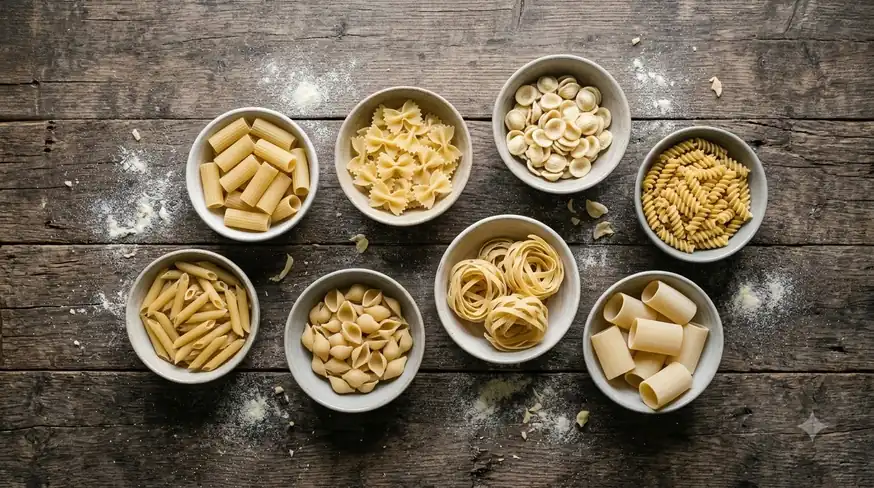

The closest casarecce substitute is fusilli, also sold in the United States as rotini, because both are short twisted shapes that trap thick sauce in their curves. Casarecce is an S-shaped twist from Sicily with a rough, bronze-cut surface, so the best swap is a short twist with open spaces for the sauce to settle. Choose by shape and sauce weight, and the dish will stay close to the original.
Why Fusilli Is the Closest Casarecce Substitute
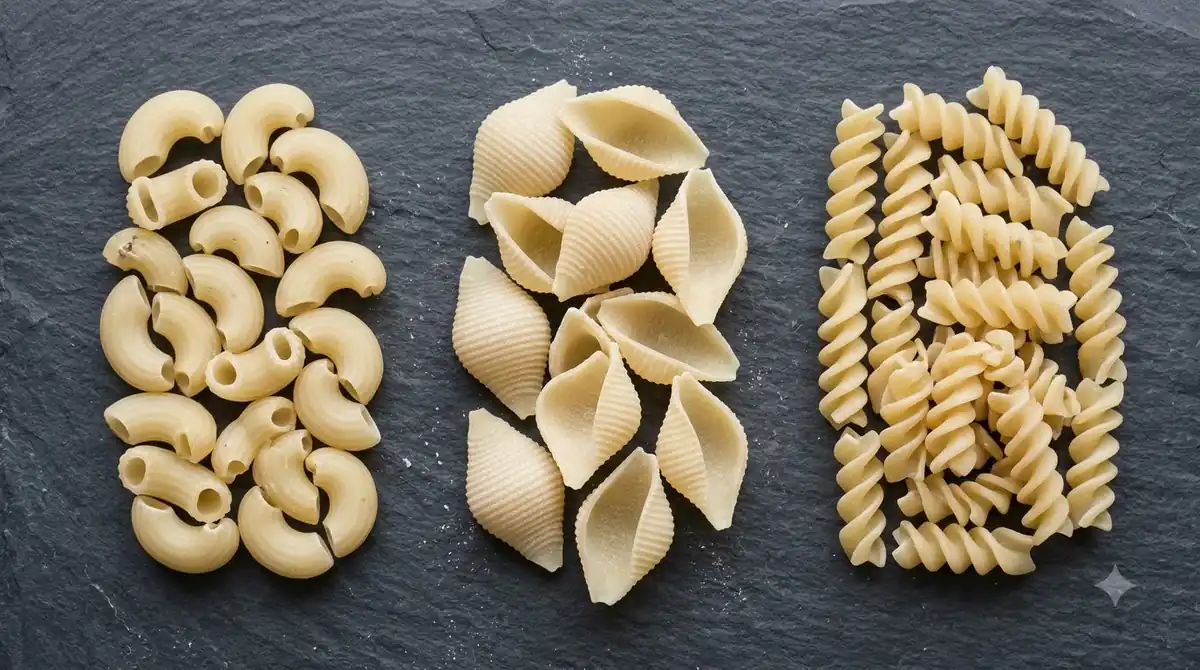
Fusilli is the most common stand-in for casarecce because its tight corkscrew spiral gives the sauce the same kind of grip. Casarecce curls like a scroll; fusilli winds around itself in a spiral. Both are short, both have curves, and both are built to hold chunky pieces of meat or vegetables.
Rao’s describes casarecce as a shape whose curves capture every drop of sauce, and the same logic applies to fusilli. The spiral pockets catch small bits of ragù, pesto or chopped vegetables that a smooth tube would let slide off the plate.
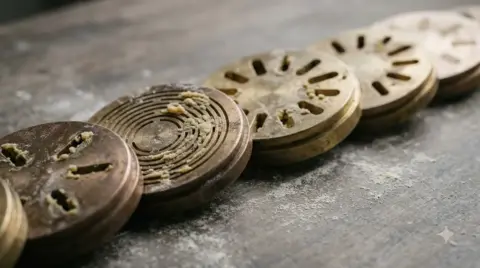
Shape alone is not the whole story. Casarecce is usually bronze-die cut, which leaves a rough, porous surface. Fusilli is sold in both smooth and bronze-cut versions, so when you shop, look for the bronze-cut label if you want the closest texture to casarecce.
Other Short Twisted Shapes to Try
If you cannot find fusilli or rotini, a few other short shapes with curves can stand in. Each one has a slightly different structure, so choose based on the sauce and the look you want.
Gemelli
Gemelli is two thin strands twisted together. It has a twist like casarecce, and it holds fine sauces well. It works best with pesto, light tomato sauces and sauces with small pieces.
Cavatappi
Cavatappi is a corkscrew-shaped tube. Its hollow center and spiral ridges make it a good choice for thick cheese or meat sauces, where the sauce can settle inside the tube and in the grooves.
Matching the Sauce to the Swap
Casarecce works with thick ragù, pesto and creamy sauces because the sauce has something to cling to. The same rule applies to any swap: a shape with curves handles thick sauce best, and a smooth or thin-walled shape needs a sauce with more body.
Delallo says its casarecce is extruded through bronze dies so the surface absorbs and captures sauce better. If your swap is a smooth shape, thicken the sauce a little, or stir in some of the reserved pasta water so it coats the pieces evenly.
How to Swap Without Changing the Dish
A good swap keeps the method and changes only the shape. Follow the same sauce, the same steps and the same finishing touches, and adjust the cooking time to the box you have in your hand.
- Pick a short twist with similar size, such as fusilli or rotini.
- Cook it in well-salted water to the package time, and taste a piece a minute before it is due.
- Reserve a cup of the cooking water before draining.
- Toss the pasta in the warm sauce for a minute so the sauce settles into the spirals.
Where Casarecce Comes From and How It Is Made
Casarecce is a short pasta from Sicily, Italy, rolled up on itself like a scroll. Its name comes from the Italian word casereccio, which means homemade. Wikipedia places the shape in Sicily and describes the short twists that appear rolled up like a scroll.
Delallo, a producer of artisan Italian pasta, makes its casarecce from durum wheat semolina and mountain spring water, extruded through bronze dies and dried at a controlled low temperature. The brand says the pasta is vegan and made in a facility free of eggs, peanuts and tree nuts. Readers with allergies should still check the label on any box they buy.
Rao’s makes its casarecce from durum wheat semolina alone and describes it as traditionally bronze die cut. The brand calls the surface naturally rough and porous, which is what helps the sauce cling. Those differences in ingredients and drying are a good reminder that a substitute can match the shape without matching the texture exactly.
When you compare a substitute with casarecce, look at three things: the size of the twist, how much open space the curves leave for sauce, and whether the surface is rough or smooth. A fusilli with a bronze-cut surface will sit closest to the original, while a smooth twist will need a thicker sauce to do the same job.
If the swap is a longer or hollow shape, cut the sauce’s pieces a little smaller so they fit into the openings. The goal is the same as with casarecce: small bits of meat or vegetable should sit in the curves instead of falling to the bottom of the dish.
Cook the swap in a pot that is large enough for the pasta to move freely. Crowded pasta sticks together, and a sticky twist will hold the sauce unevenly. Give the pieces room, stir once or twice in the first minute, and drain when the package time is reached.
Frequently Asked Questions
What is casarecce pasta?
Casarecce is a short pasta from Sicily, rolled up like a scroll. Its name comes from the Italian word casereccio, which means homemade.
Is fusilli the same as casarecce?
No. They are different shapes, but both are short twists that work with similar sauces. Fusilli is a spiral, while casarecce is an S-shaped scroll.
Can I use rotini instead of casarecce?
Yes, in most recipes. Rotini is the name for the fusilli shape in the United States, so the swap is the same spiral pasta under a different label.
Do I need bronze-cut pasta for a casarecce swap?
It is not required, but bronze-cut pasta has a rougher surface that holds sauce better. If you use a smooth pasta, choose a thicker sauce to make up for it.
Fusilli or rotini is the simplest casarecce substitute, and a bronze-cut version gets you closest to the original texture. Keep the sauce thick, cook to the package time, and reserve some pasta water to finish the dish. The result stays true to the recipe even when the shape changes.
 6 min readLearnRotini Substitute: Fusilli and 4 Other Pasta SwapsUpdated Nov 13, 2026
 5 min readLearnGemelli Substitute: Fusilli and 3 Other Twisted PastasUpdated Nov 13, 2026
 6 min readLearnBest Sauce for Rotini: What Clings to the TwistsUpdated Nov 13, 2026
 6 min readLearnPaccheri Substitute: Rigatoni, Mezzi Paccheri and Other SwapsUpdated Nov 13, 2026
 6 min readLearnCapellini Substitute: Angel Hair and 3 Other Thin PastasUpdated Nov 13, 2026
 6 min readLearnTubetti Substitute: Ditali, Pennette and Other Small Tube PastaUpdated Nov 13, 2026