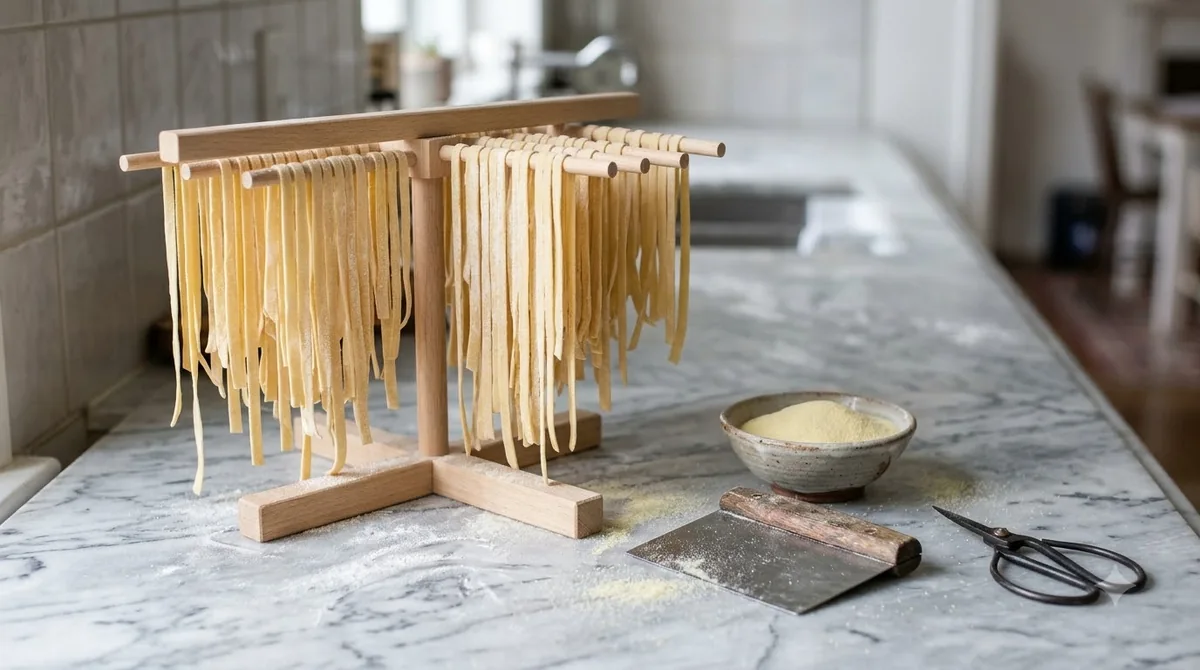

Fresh pasta vs dried pasta comes down to moisture, cooking time and shelf life. Fresh pasta cooks in a few minutes and keeps only days, while dried pasta takes about 8 to 12 minutes and keeps for months or years.
The right call in fresh pasta vs dried pasta depends on your sauce and your schedule. Delicate sauces suit fresh pasta, and hearty dishes that simmer suit dried pasta.
| Pick | Best for | Key fact |
|---|---|---|
| Fresh pasta | Delicate sauces and quick weeknight meals | Cooks in about 2 to 5 minutes |
| Dried pasta | Hearty sauces, baked dishes and long storage | Cooks in 8 to 12 minutes and keeps for years |
Fresh Pasta vs Dried Pasta: How Do Cooking Times Compare?
Fresh pasta usually cooks in 2 to 5 minutes, about half the time of dried pasta, which takes 8 to 12 minutes depending on the shape.
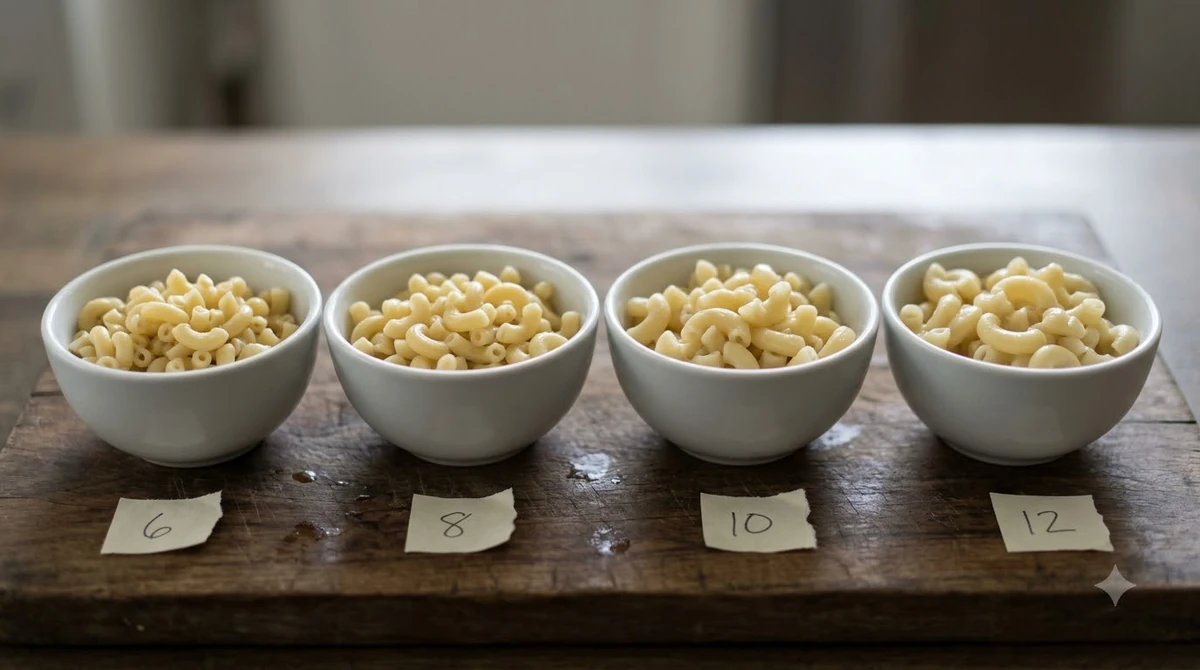
When you compare fresh pasta vs dried pasta in the pot, the cook time gap shows up first. The average box of dried pasta suggests around 10 minutes of cooking, while fresh pasta typically needs two to five minutes, according to King Arthur Baking’s guide to cooking fresh pasta. Flat ribbons like tagliatelle take about two minutes, while stuffed pastas need two and a half to four minutes at a gentle boil.
Some thin fresh shapes finish in under 2 minutes, so start tasting early, even though fresh pasta vs dried pasta comparisons often focus only on the box time. The texture target also differs. King Arthur describes good fresh pasta as tender, not mushy and not al dente, with a pleasant chew. Dried pasta is cooked to al dente, a firmer bite that holds up well in heavy sauce.
Timing shifts with the pasta itself, so fresh pasta vs dried pasta cook times are ranges, not fixed numbers. Pasta that has been dried, refrigerated or frozen needs more time in the water, and frozen fresh pasta can be cooked straight from the freezer with about one extra minute. Fresh pasta does not expand after cooking, so 0.7 kg serves four generously. Dried pasta roughly doubles in size, and 0.5 kg serves up to four people.
| Attribute | Fresh pasta | Dried pasta |
|---|---|---|
| Cook time | About 2 to 5 minutes | About 8 to 12 minutes |
| Texture when cooked | Soft and springy, not al dente | Firm, chewy al dente bite |
| Size after cooking | Does not expand | Roughly doubles |
| Amount for four | 0.7 kg (1.5 lb) | 0.5 kg (1 lb) |
Fresh Pasta vs Dried Pasta: Ingredients and Texture
Dried pasta is made from durum semolina and water, while fresh pasta usually adds eggs, which gives it a tender, springy bite. The ingredients explain most of the texture gap in fresh pasta vs dried pasta cooking.
Under Italian rules, as summarized in the Wikipedia article on pasta, dried durum pasta is made only from durum semolina and water, with up to 3 percent soft-wheat flour allowed. Egg pasta needs at least four eggs per kilogram of semolina.
For fresh pasta vs dried pasta comparisons, moisture is the key number. Dried pasta contains only about 12 percent moisture, which keeps it brittle until it meets boiling water. Fresh pasta holds more moisture, and that is what gives it the soft texture most cooks notice first.
Most dried pasta is made commercially by extrusion, then dried at a low temperature for several days to remove moisture; our explainer on what bronze-cut pasta is covers one extrusion method in detail. Fresh pasta is traditionally made by hand or with simple machines and is usually made locally, so it rarely travels far. If you want to try it, our fresh pasta dough recipe walks through the dough, and our guide to using a pasta machine covers rolling it. Packaged fresh pasta is typically sealed with a carbon dioxide and nitrogen mix to slow microbes, while dried pasta is sealed in clear plastic or cardboard.
Fresh pasta is not always an egg pasta. Three common exceptions are:
- Piedmont and Emilia-Romagna use only egg yolks and flour.
- Apulia makes eggless fresh pasta from semolina and water.
- Dried pasta may include eggs for flavor and richness, but most boxes list only semolina and water.
Which Sauces Work Best With Each?
Delicate sauces such as carbonara, marinara and pesto suit fresh pasta, while hearty ragù, soups and casseroles suit dried pasta.
Fresh pasta keeps the focus on the noodle, so it pairs well with light, delicate sauces. Dried pasta holds its shape through long simmering, which makes it a better match for slow-cooked ragù and baked casseroles. Sauce choice is often the deciding point in fresh pasta vs dried pasta at the dinner table.
Cooking method matters as much as the sauce. King Arthur advises finishing cooked sauces, such as meat, cream or most tomato sauces, with the pasta in the pan, whether it is fresh or dried. Uncooked sauces like pesto and raw tomato sauce need fully cooked pasta before you add them.
Pull fresh pasta from the water a little early when it goes into a cooked sauce. King Arthur says it then needs about another minute of cooking in the sauce, which keeps it from going soft.
How Should You Store Each Type?
Fresh pasta keeps only 2 to 3 days in a refrigerator set at 40 °F or below, while dried pasta keeps for years in a cool, dark pantry.
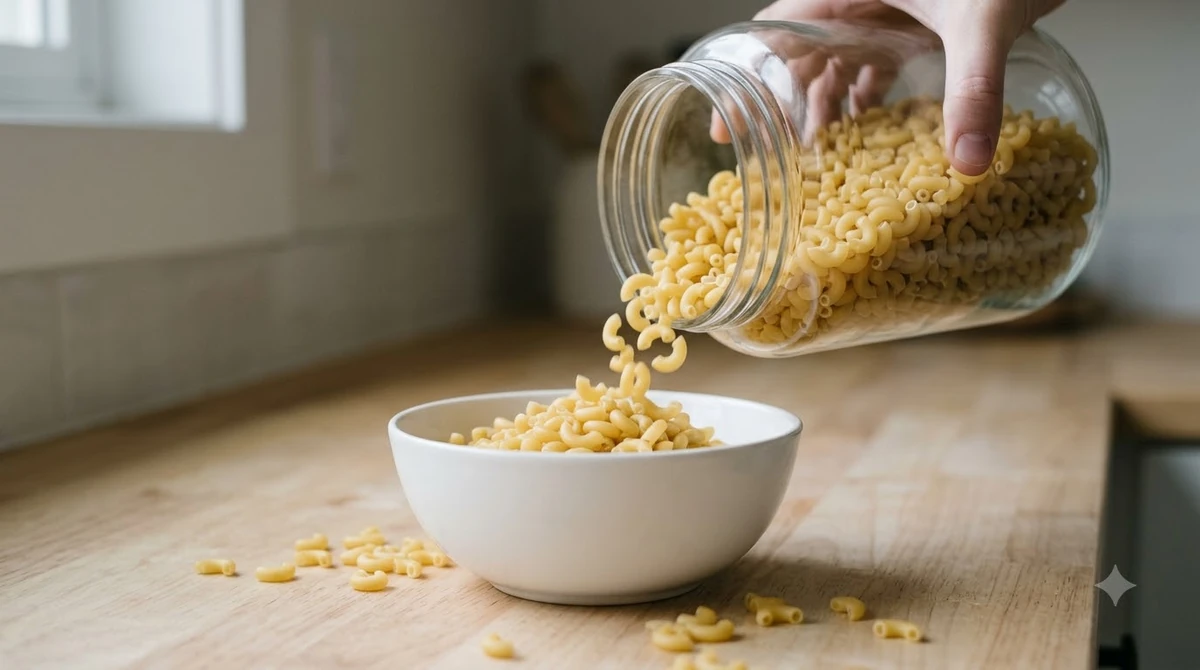
Storage is where fresh pasta vs dried pasta differ most in daily life. Perishable food should not sit between 40 and 140 °F for more than 2 hours, according to the USDA Kitchen Companion, which also sets the safe fridge temperature at 40 °F and the freezer at 0 °F. Keep fresh pasta sealed in an airtight container while it is chilled.
| Storage | Fresh pasta | Dried pasta |
|---|---|---|
| Pantry | Not recommended | Years in a cool, dark place |
| Refrigerator | About 2 to 3 days | Not needed |
| Freezer | Up to 3 months (King Arthur) or about 8 months (Wildgrain) | Not needed |
| Airtight container, dried at home | 2 to 6 months | Not applicable |
Sources disagree on frozen fresh pasta. King Arthur says it keeps up to three months after freezing in a single layer, while Wildgrain gives about eight months for home-frozen pasta. Use the shorter figure to be safe.
Who Should Choose Each Type?
Deciding between fresh pasta vs dried pasta starts with your timing. Choose fresh pasta if you plan to cook within a day or two and want a light, delicate plate. It fits a cook who has time to roll dough, or who buys chilled fresh pasta from a shop that sells it close to the date.
Choose dried pasta if you want a pantry staple that waits for weeknights, or if you are making a baked dish, a soup or a long-simmered sauce. Dried pasta also suits anyone who cooks for one or two people and wants to avoid waste from pasta that goes off in the fridge. If you are comparing pasta with another starch, see gnocchi vs pasta.
Both are still valid choices. The usual mistake in fresh pasta vs dried pasta shopping is buying one for the wrong job, such as dried pasta for a delicate cream sauce or fresh pasta for a casserole that needs an hour in the oven.
Can You Swap One for the Other?
Usually yes, because fresh and dried pasta can generally replace each other in most recipes, as long as you adjust the cooking time. A fresh pasta vs dried pasta swap is easiest when the sauce is simple and the cook time is short.
Expect a different result from a fresh pasta vs dried pasta swap. Fresh pasta turns gummy when reheated, so it suits meals eaten soon after cooking rather than leftovers, according to Wildgrain.
Drying fresh pasta at home works only for a limited time. King Arthur says short shapes can dry on parchment dusted with semolina for no more than four to five hours, and fully dried fresh pasta is often tough and brittle.
- Rest the rolled sheet for 5 to 10 minutes per side, then dust it generously with flour before cutting.
- Spread short shapes in a single layer on parchment dusted with semolina.
- Cook long ribbons right away or freeze them, since they are not suited to drying.
Frequently Asked Questions
Is fresh pasta healthier than dried pasta?
The sources reviewed for this comparison do not compare the nutrition of fresh and dried pasta, so no winner is claimed here. Check the nutrition label on the package you buy to compare calories, protein and fiber.
How long does dried pasta last?
Dried pasta can last for years when stored in a cool, dark place such as a pantry, according to Wildgrain, a fresh pasta seller, so treat that figure as a general guide. Shelf life is a big part of fresh pasta vs dried pasta planning.
Why does fresh pasta get gummy?
Fresh pasta turns gummy when reheated. Wildgrain advises against using it in baked dishes or for leftovers, so cook only the amount you plan to eat.
Can you cook frozen fresh pasta without thawing?
Yes. King Arthur says frozen fresh pasta can go straight into boiling water and needs about one extra minute. It also advises cooking frozen pasta sooner rather than later for better flavor.
Should you finish fresh pasta in the sauce?
Yes, when the sauce is already cooked. King Arthur advises pulling fresh pasta from the water a little early, since it cooks for about another minute in the sauce.
In the end, the fresh pasta vs dried pasta choice comes down to timing. Pick fresh pasta when a delicate sauce and a quick cook matter most, and pick dried pasta for hearty dishes, baking and a pantry that keeps for years.