
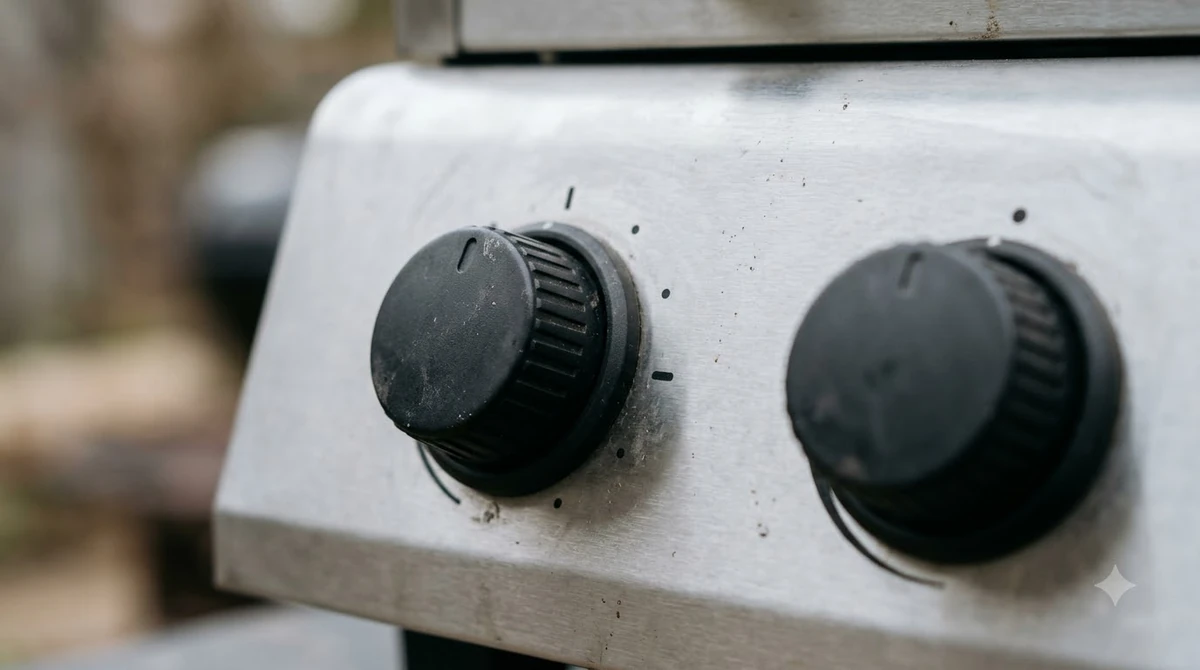

The most common Gozney Dome problems are ignition trouble, a weak or yellow flame, stone wear, and wood-fire mistakes. Most of them trace back to a dirty burner or to fuel and wood choices that the official manual warns against. Checking those points first, before you look at other Gozney Dome problems, costs nothing and often solves the issue before you need support.
Gozney dome problems with ignition and flame
Among Gozney Dome problems, a yellow or noisy flame is one of the easiest to check yourself. It usually means debris is blocking the venturi, the part that feeds air into the gas burner. The Gozney Dome technical manual says to clean it when the oven is off and cool, using a vacuum with a long plastic nose through the maintenance hatch. Gozney’s Dome technical manual also advises checking inside the dock for debris on a regular basis.
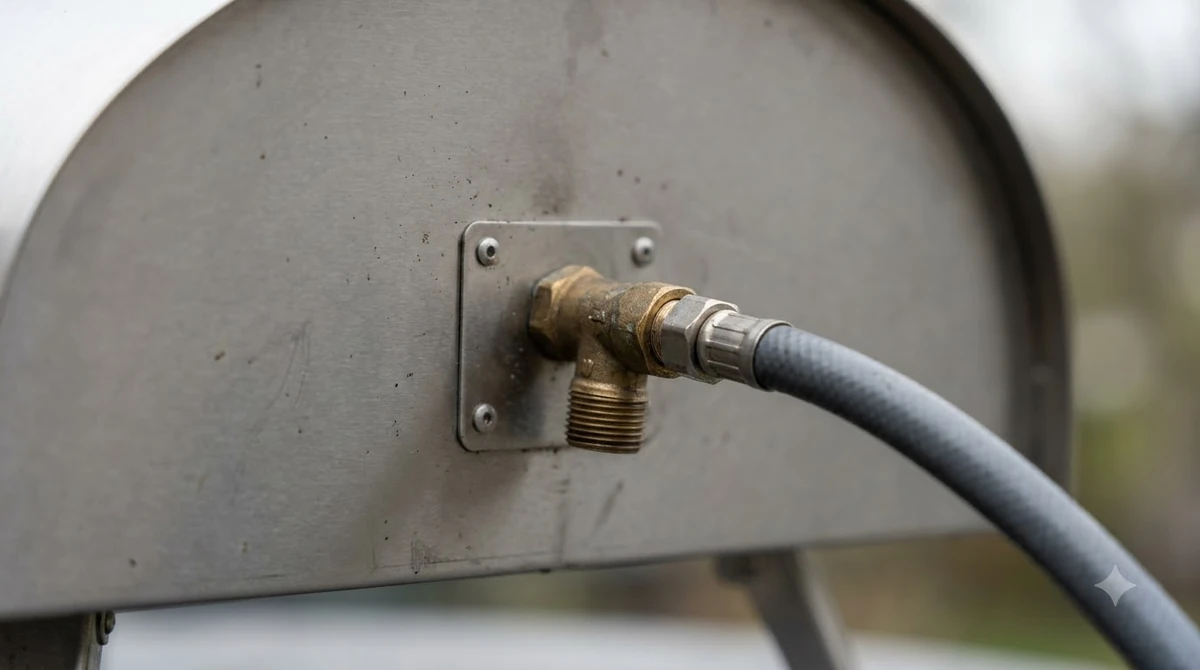
Reviewers have also raised ignition trouble and a flame that blows out in wind on the Dome Gen 2. These reports are useful as a warning, but they are not official specifications. The manual’s own troubleshooting table covers three burner symptoms, and our guide to a Gozney Dome that will not light goes deeper on ignition.
- Let the oven cool completely before opening the maintenance hatch.
- Vacuum the venturi with a long plastic nose and look for loose debris.
- Check the dock for debris and confirm the flame burns steadily.
- If the problem remains, follow the manual’s troubleshooting steps before calling support.
The manual’s troubleshooting table lists three burner symptoms behind many Gozney Dome problems. A flame that looks too small can come from a near-empty or undersized gas cylinder (the manual recommends a 9 kg canister as a minimum), an ambient temperature below 0°C (32°F), or a blocked burner. A failure to ignite can mean an empty ignition battery, a blocked burner or an empty cylinder. On a first firing or after changing a bottle, gas can take up to 30 seconds to flow, and if the control knob does not click when pushed in, replace the battery at the back of the unit.
Among Gozney Dome problems, a noisy, grumbling flame has a simple first fix: turn the burner down to low and back to high. If the sound continues, turn it off for 5 minutes and retry, then follow the cleaning steps if it persists. Before each fire-up, the manual also recommends checking the burner tube for insects and nests, because a clogged tube can lead to a fire beneath the oven. For the full cleaning routine, see how to clean a Gozney Dome.

Stone floor cracks and surface wear
Stone floor damage is one of the Gozney Dome problems that owners and reviewers raise, and the manual’s first-firing advice exists to prevent it. The manual says to bring the oven up to temperature slowly when you fire it for the first time, which helps prevent thermal shock to the stone floor.
Reviewers have mentioned cosmetic marks on the stone and, in one case, a cracked stone, though these are individual reports. Gozney’s warranty page lists hairline stone cracks that do not affect structure, and marks from prolonged use, among its cosmetic exclusions. The manual warns not to pour or spray liquids onto the oven floor or into the interior, because this can damage the oven. Keep cleaning water away from the stone and let the floor cool before you touch it.
Let the stone floor cool fully before you handle it, and keep cleaning liquids off it. Gozney’s warranty page also excludes damage from caustic cleaning materials, so check your manual before you use chemical cleaners.
Wood-fire mistakes that cause trouble
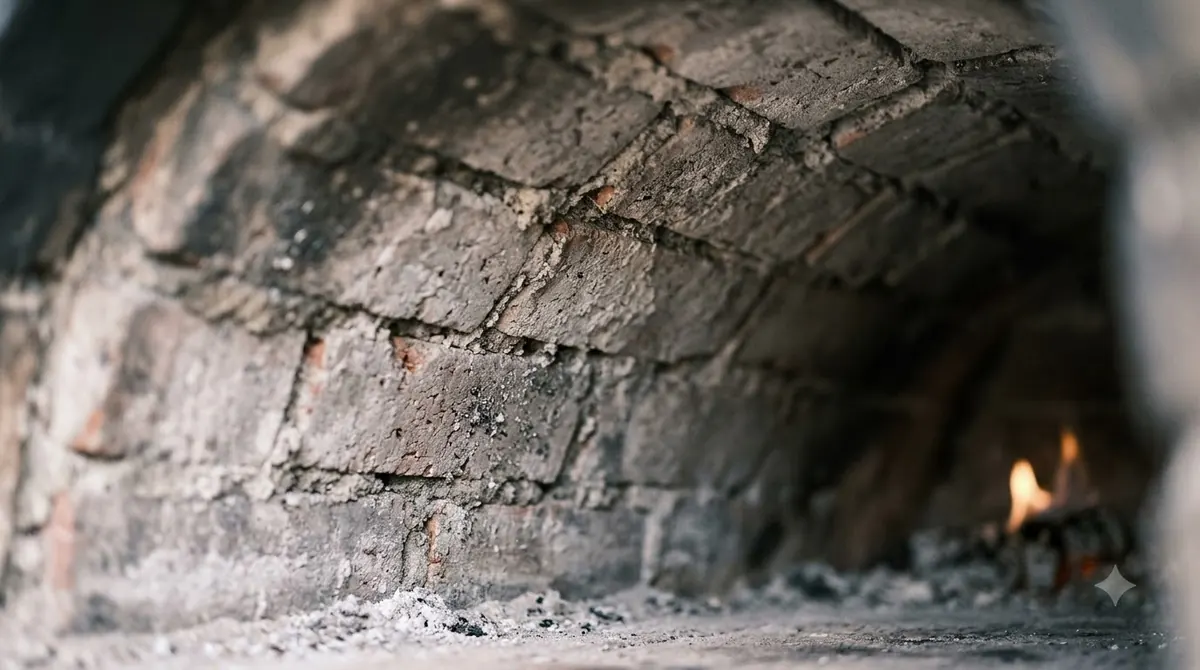
Most wood-fire trouble, one of the more avoidable Gozney Dome problems, comes from the wrong fuel or from a fire that is sized wrongly for the job.
The manual sets out fire types by temperature and wood size, as the table shows. The manual rules out spirit and petrol for lighting, treated or painted wood, and soft or freshly cut wood. It also says to use large pieces of kiln dried hard wood for slow cooking and small pieces for fast, high-heat cooking.
| Fire type | Temperature (manual) | Wood and use |
|---|---|---|
| Large rolling flames | 750°F and above | Small kiln dried hard wood, 1 to 2 inches; fast cooks such as Neapolitan pizza |
| Small flames | 400°F to 650°F | Larger kiln dried hard wood, 2 to 4 inches; meats and cast iron dishes |
| Embers, fire died down | Under 400°F | Slow roasting and baking breads after the oven is saturated |
Fuel also matters for warranty coverage. Gozney’s warranty page says coverage requires only kiln dried hardwood with a moisture content of 20% or less, so damp or unseasoned wood can create problems you may not be able to claim for.
A flame that rolls across the roof is the target. The manual says flames should never come out of the mouth of the oven, so if you see that, reduce the amount of wood you add at once.
Warranty and service questions
The manual states that some habits may void the warranty. Throwing wood against the back or side walls of the oven can do so, and so can pouring or spraying liquids onto the floor or into the interior. The manual links these habits to the warranty, so treat them as firm rules rather than optional tips.
When Gozney Dome problems turn out to be defects rather than user error, the warranty decides the outcome. Gozney’s US warranty page, checked as of 2026-11-10, gives residential ovens a 1-year warranty from the original purchase date. That period extends to 5 years if you register the oven within 60 days. Proof of purchase is always required, and the stone floor and electrical components of the Dome carry a 2-year limit under that extension.
The same page lists the main exclusions. Coverage does not apply to damage from use outside the product guidelines and manual, unauthorised alteration, or caustic cleaning materials. It also excludes cracks caused by thermal shock or by not following the heat-up guidelines. Heavy commercial outdoor use, about 15 hours or more a week, is excluded as well. Our guide to the Gozney pizza oven warranty covers every term in detail.
To make a claim, the page asks you to email [email protected] with your full name, your serial number, photos of the faulty parts, and proof of purchase. Gozney may ask you to return the faulty product at your own cost. Terms can differ by region, so check the current policy for your country before you assume coverage.
Warranty questions often come up alongside Gozney Dome problems, so keep your receipt and photos of any fault.
A quick checklist before you contact support
Run through the cheapest checks first, because most reported Gozney Dome problems come down to cleaning, fuel, or wood. Work through these steps in order, and note what you see so support can help faster.
- Clean the venturi and dock when the oven is cool.
- Confirm the fuel and gas connections match the manual.
- Check that the wood is kiln dried hard wood of the right size.
- Inspect the stone floor for cracks or liquid damage.
- Read your region’s current warranty terms before you file a claim.
Frequently Asked Questions
Why is my Gozney Dome flame yellow?
A yellow or noisy flame is one of the Gozney Dome problems you can check yourself. Debris blocking the venturi is the cause the Gozney manual names. Let the oven cool fully, then vacuum the venturi and check the dock. If the flame stays yellow after cleaning, stop using the oven and contact Gozney support.
Can wind blow out a Gozney Dome flame?
Some reviewers report that wind is one of the Gozney Dome problems, blowing the flame out on the Dome Gen 2. Position the oven away from strong gusts and check the burner after cleaning. Treat this as a reported issue, not a confirmed defect.
Can I use any wood in a Gozney Dome?
No. Wood choice is one of the Gozney Dome problems the manual covers in detail. It rules out treated or painted wood, soft woods such as pine, and freshly cut wood. Use kiln dried hard wood sized to the fire type you need, and never use spirit or petrol to light it.
Does misuse void the Gozney warranty?
The manual says some misuse may void the warranty, including throwing wood against the walls and pouring liquids on the floor. Check your region’s current warranty terms for the full conditions and the claim process.
What should I do if I smell gas?
Gas safety comes before any of the Gozney Dome problems covered here. Shut the gas off to the appliance, put out any open flame, and move away from the oven. If the odor continues, call your gas supplier or the fire department immediately, as the manual instructs. Do not try to light any appliance until the gas is cleared.
Many reported Gozney Dome problems start with a cool-down, a clean venturi, and the right fuel. Keep the manual close, follow its safety warnings, and contact support when a check does not solve the problem. To learn more about the oven itself, read about the Gozney Dome or browse Reviews & Versus guides.
 9 min readReviews & VersusOoni Koda 16 Problems: Common Issues and First FixesUpdated Nov 18, 2026
 10 min readReviews & VersusGozney Dome S1 Review: Specs, Setup and Who Should Buy ItUpdated Nov 15, 2026
 8 min readReviews & VersusGozney Dome: Specs, Price and Who It SuitsUpdated Nov 15, 2026
 7 min readReviews & VersusGozney Dome vs Ooni Koda 2 Max: Which Oven Should You Buy?Updated Nov 7, 2026
 9 min readReviews & VersusGozney Dome vs Ooni Karu 16: Which 16-Inch Oven Should You Buy?Updated Nov 14, 2026
 8 min readReviews & VersusGozney Dome vs Ooni Karu 2 Pro: Which Pizza Oven Fits Your PatioUpdated Nov 8, 2026