
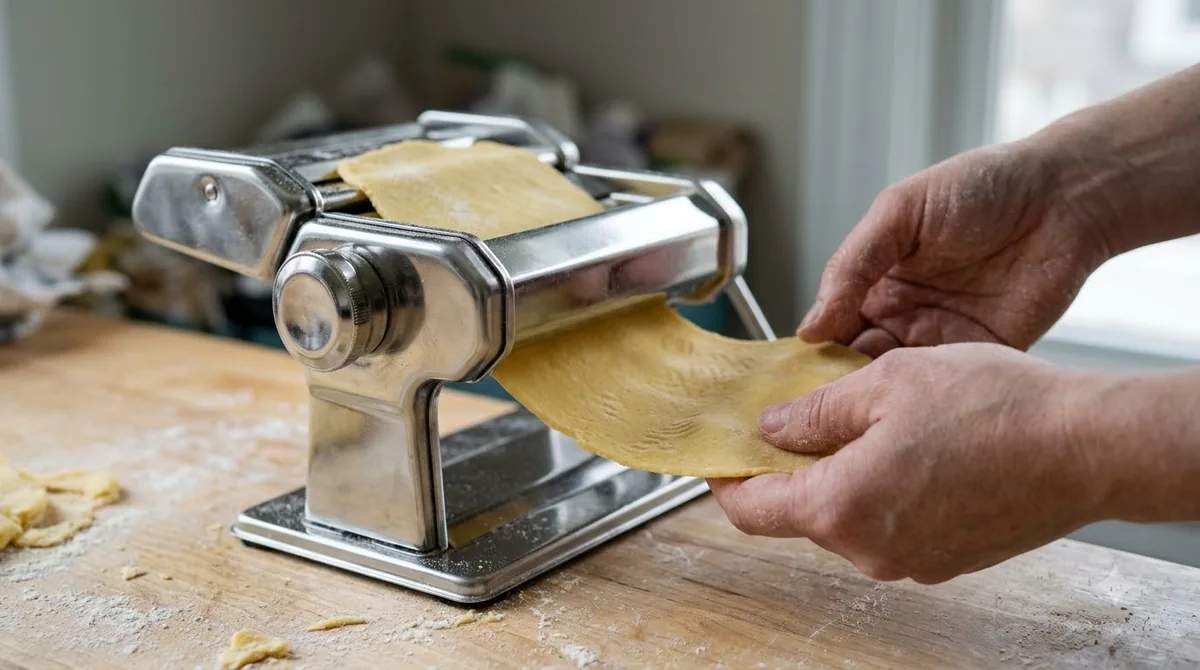

Linguine vs fettuccine comes down to width and dough: fettuccine is a wider, flatter noodle at about 6.5 mm, while linguine is a narrower oval at about 4 mm. That width gap decides which sauce each pasta holds best, and the doughs can differ too.
In linguine vs fettuccine, the sauce usually makes the choice. Pick fettuccine for rich, creamy or meat sauces, and linguine for light, oil-based or seafood sauces.
| Pick | Best for | Key fact |
|---|---|---|
| Linguine | Light oil, tomato and seafood sauces | About 4 mm wide, oval |
| Fettuccine | Creamy, meat and heavy sauces | About 6.5 mm wide, flat |
| Either | A simple tomato sauce | Choose by the sauce you cook |
How Wide Is Each Pasta?
Fettuccine is the wider of the two, at about 6.5 mm (1/4 inch) across, while linguine measures about 4 mm.
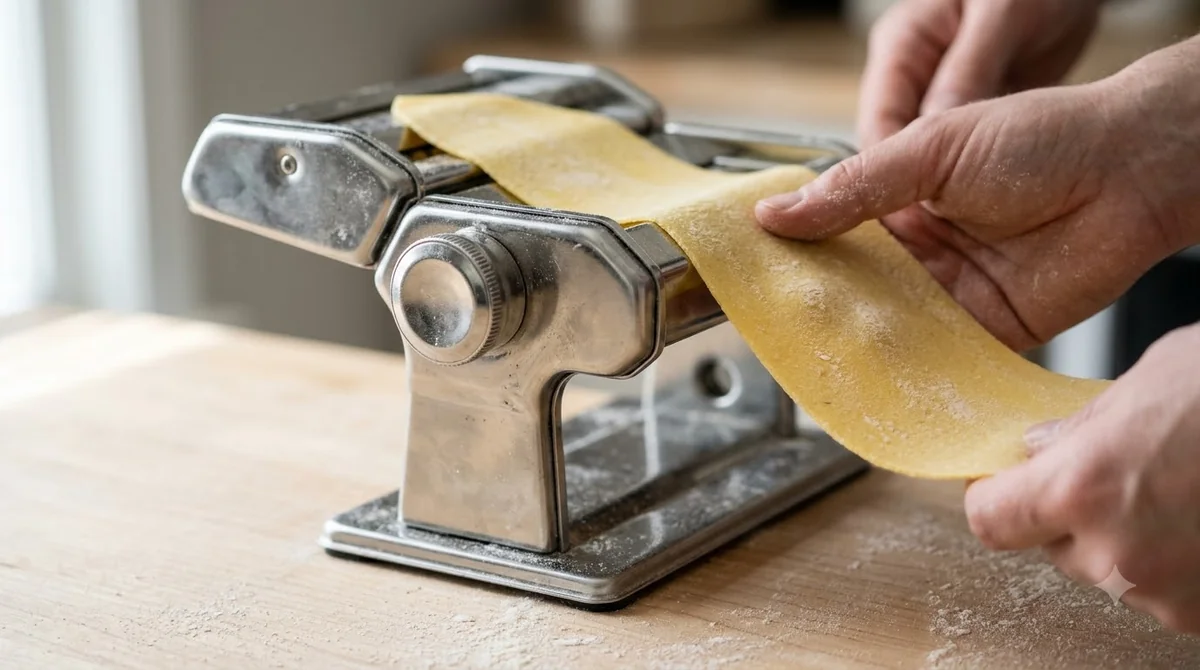
Fettuccine is flat and thick, about 6.5 mm (1/4 inch) across. That makes it wider and thicker than, but similar to, the tagliatelle typical of Bologna. Linguine is about 4 mm wide, with an elliptical cross-section rather than a flat one. Our guide to cooking and making linguine covers the narrower noodle in more detail.
When you compare linguine vs fettuccine, width is the first thing to check. A gap of about 2.5 mm sounds small, but it changes how much sauce each strand can carry. Food Republic notes that fettuccine’s large surface area lets its strands cling to heavy sauce, while linguine does not cling to hearty sauces the same way.
Width also changes how each pasta eats in a linguine vs fettuccine dinner. DeLallo describes linguine as falling between flat fettuccine and round spaghetti, so it behaves like a slimmer strand on the fork, while fettuccine’s flat ribbon lies wide and carries a thicker coating of sauce. The difference is easiest to notice with a thin sauce, where linguine keeps the bite light, and with a heavy sauce, where fettuccine holds more per mouthful. If you are comparing linguine with round pasta, see linguine vs spaghetti.
Linguine vs Fettuccine: What Are They Made From?
Fettuccine is traditionally made from eggs and flour, about one egg per 100 grams of flour, while linguine ingredients vary by maker.
Traditional fettuccine is an egg pasta. Food Republic’s pasta comparison describes fettuccine as made with eggs and flour, and linguine as made with flour and water, with no eggs.
The linguine answer is less fixed. DeLallo, a pasta brand, makes its dry linguine from durum semolina and water, while Wikipedia lists flour and egg for the traditional recipe. Sources differ on this, so check the ingredient list on the package before you assume.
Dough affects texture as well as flavor. An egg-based fettuccine is a richer pasta than one made from flour and water, so the sauce can stay simple. Because linguine may or may not contain egg, the ingredient list is the only reliable guide to what you are buying. You can read more about the wide ribbon in our fettuccine pasta guide.
Where Do Linguine and Fettuccine Come From?
Linguine comes from Liguria in northwest Italy and was first written about in Genoa, while fettuccine is tied to Rome.
DeLallo places linguine in Liguria, a coastal region of northern Italy, and says it was first written about in Genoa.
Fettuccine is popular in Roman cuisine. Wikipedia describes it as descending from the very thin capelli d’angelo of the Renaissance. Accounts of its exact origin differ, so treat the Rome link as the most common story rather than a settled fact. Origin does not change how you cook either pasta, but it is useful background when you compare linguine vs fettuccine.
Which Sauces Suit Linguine?
Linguine suits light, olive oil-based sauces, pesto and seafood such as clam sauce, because its narrower strands carry less sauce than fettuccine.
- Basil pesto, the traditional partner for linguine in Wikipedia’s account.
- Light fresh tomato sauce, or olive oil with lemon.
- Clam, mussel or prawn sauce, which DeLallo lists among its seafood pairings.
- Anchovy and other fish-based sauces.
DeLallo recommends about 11 minutes to reach al dente, in water with 2 tablespoons of kosher salt per pound of pasta. DeLallo’s linguine guide gives that timing for its own product, so follow the cooking time on your package. Timing varies by brand. Cooking time is one more linguine vs fettuccine difference to check on the box.
Which Sauces Suit Fettuccine?
Fettuccine suits heavy, creamy and meat sauces, because its wide, flat strands cling to thick sauce better than linguine does.
Fettuccine’s large surface area lets its strands hold onto thick sauce, while linguine does not cling to hearty sauces the same way. That is why fettuccine is the usual base for a rich, heavy dish.
Traditionally, fettuccine is served with meat ragù, such as beef in sugo d’umido or chicken in ragù di pollo, according to Wikipedia’s account. For meat-based dishes, linguine vs fettuccine is rarely a close call, because fettuccine’s wider strands carry the ragù better.
Fettuccine Alfredo was created and named at a Rome restaurant in the early 20th century. Wikipedia notes that the cream version is largely an American style and almost unknown in Italy.
In the linguine vs fettuccine story, that history explains why a traditional Roman plate of fettuccine can look quite different from the creamy bowl many American cooks expect. If you like wide egg noodles, our comparison of fettuccine vs tagliatelle shows how close the two ribbons are.
Which One Should You Choose for Your Dish?
Choose linguine for light or seafood sauces and fettuccine for creamy or meat sauces, because the sauce usually decides the pasta.
- Choose linguine for pesto, olive oil, tomato or seafood sauces.
- Choose fettuccine for Alfredo, cream sauces and meat ragù.
- Either works for a simple tomato sauce, so cook to the package time.
If you only have one type, you can usually swap it in a light dish. In a thick cream or meat sauce, fettuccine holds the sauce better, so the swap is less direct. As a simple rule of thumb, ask whether the sauce will cling to the strands. If it does, fettuccine is usually the better match, and in linguine vs fettuccine choices, thickness is the deciding factor.
Dish type is the most reliable guide. For a bowl of pesto or a clam dish, linguine keeps the focus on the sauce. For Alfredo or a slow-cooked ragù, fettuccine gives the sauce more surface to coat. For most cooks, the linguine vs fettuccine decision follows the sauce, not the other way round.
Frequently Asked Questions
Can I use linguine instead of fettuccine?
Yes, for light sauces such as olive oil, pesto or tomato. For a heavy cream or meat sauce, the linguine vs fettuccine difference matters more, because fettuccine’s wider strands hold the sauce better and linguine will feel thinner. Taste the dish before you serve it, and adjust the sauce if needed.
Is linguine the same as spaghetti?
No. Linguine is flat and oval, while spaghetti is round. DeLallo describes linguine as falling between flat fettuccine and round spaghetti, so it sits in the middle of the three shapes.
Does fettuccine always contain eggs?
Traditional fettuccine is made with eggs and flour, which is the standard recipe described by Wikipedia. Dried fettuccine from other makers can differ, so for any linguine vs fettuccine comparison, check the ingredient list on the package.
Which pasta is right for Alfredo?
Fettuccine is the traditional choice for Alfredo, a dish created in a Rome restaurant in the early 20th century. Its wide strands hold a thick cream sauce, which is the point Food Republic makes in its comparison.
How long should linguine cook?
DeLallo recommends about 11 minutes for its linguine to reach al dente, in salted water. Other brands differ, so follow the time on your package and taste early.
Does pasta shape change the taste?
Not as much as the sauce does, since the sauce supplies most of the flavor. Shape mainly changes how much sauce each strand holds: fettuccine’s large surface area lets strands cling to heavy sauce, while linguine does not cling the same way. So the linguine vs fettuccine choice still matters for heavy sauces.
Linguine vs fettuccine is ultimately a sauce decision. If the sauce is light and oily, linguine is the easier match. If it is thick, creamy or meat-based, fettuccine gives the sauce more to grip.