
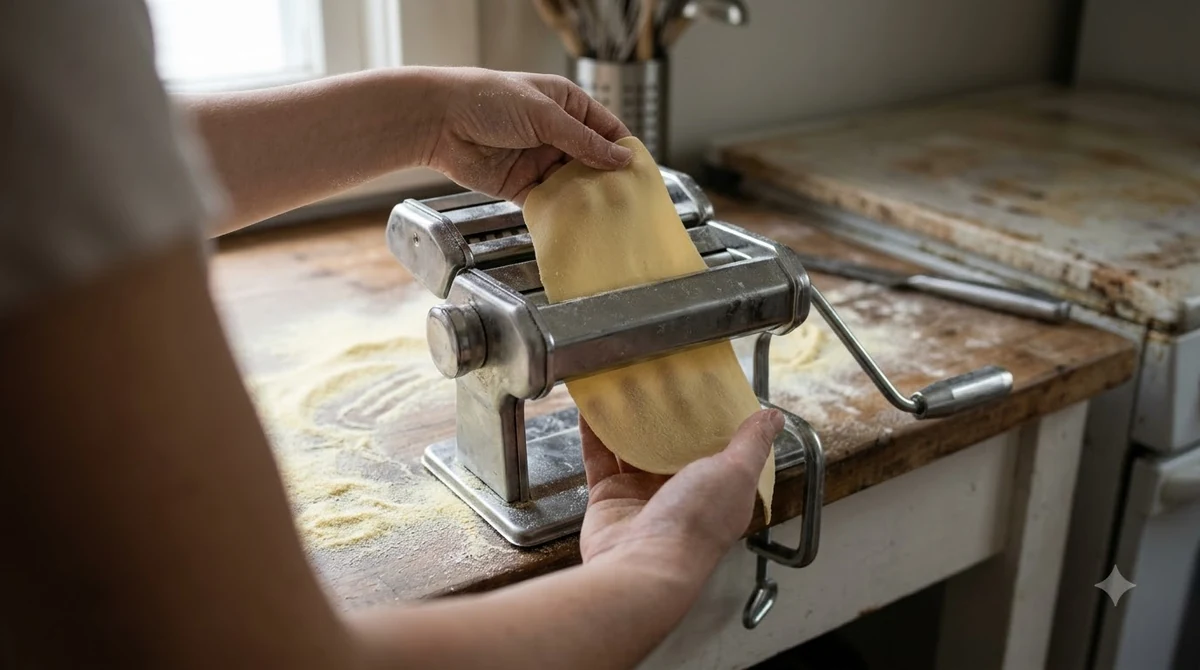

Fettuccine pasta is a long, flat ribbon noodle from Italy, traditionally made with egg and flour. The name means “little ribbons,” and the noodle is usually about 6.5 mm (1/4 inch) wide.
It sits close to tagliatelle and is wider than linguine, so cooks often swap one for the other. Fresh fettuccine cooks in minutes, while dried fettuccine needs a few more.
What Is Fettuccine Pasta?
Fettuccine pasta is a flat, egg-based noodle tied to Roman cuisine, and it is about 6.5 mm wide. Its name comes from the Italian for “little ribbons,” and the singular form is fettuccina.
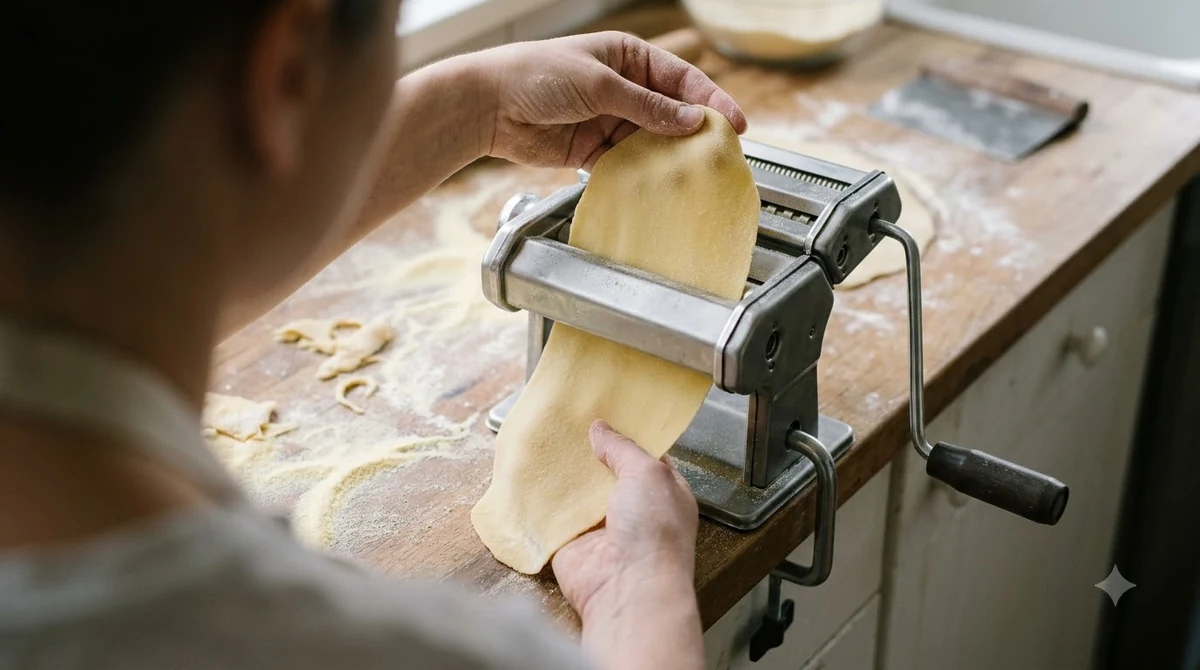
Fettuccine is traditionally made with egg and flour. According to the Wikipedia entry on fettuccine, the usual ratio is one egg for every 100 grams of flour. The noodle is flat and fairly thick, which gives a fettuccine pasta dish more body than a thin strand does.
Commercial versions are a different story. DeLallo describes its dough as made from semolina and water, with eggs often included. If you buy a box of fettuccine pasta, read the label to see which dough you are getting.
The noodle’s flat ribbon shape also sets it apart from round spaghetti pasta at a glance, which helps when you shop or compare boxes on the shelf.
Because the noodle is wide and flat, it is a practical choice for a fettuccine pasta dish with a sauce that clings, such as a meat ragù or a butter sauce. Traditional Roman-style plates often pair it with beef ragù (sugo d’umido) or chicken ragù, according to Wikipedia.
Many people meet fettuccine through fettuccine Alfredo, a dish of butter, Parmesan and cream. Wikipedia says it was created at a restaurant in Rome in the early 20th century, and the cream-based version is popular in the United States but almost unknown in Italy.
Fettuccine Compared With Tagliatelle and Linguine
Fettuccine is a flat ribbon, tagliatelle is slightly narrower and nearly the same shape, and linguine is thinner and oval. Use the table below to see how the three differ before you choose a shape for a sauce.
| Shape | Width or thickness | Key difference |
|---|---|---|
| Fettuccine | About 6.5 mm (1/4 inch) | Flat ribbon that suits creamy and buttery sauces |
| Tagliatelle | Slightly narrower than fettuccine | Nearly identical, so the two can be swapped in most recipes |
| Linguine | Thinner than fettuccine | Elliptical, almost like squashed spaghetti |
The width difference matters most with thick sauces. A wide, flat noodle holds a meat ragù or a cream sauce better than a thin strand does, so a fettuccine pasta dish usually suits heavier sauces than linguine does. Our linguine vs fettuccine guide shows the same width gap in detail.
Fettuccine and tagliatelle are close enough that most home cooks will not notice a swap. If the recipe calls for fettuccine and you have tagliatelle, cook it as written and check the texture a minute early. For a full side-by-side, read fettuccine vs tagliatelle. Wider ribbons such as pappardelle pasta suit the heaviest ragù sauces. Another wide, flat ribbon with ruffled edges is mafaldine, also called reginette, which cooks much like fettuccine.
Fresh Versus Dried Fettuccine
Fresh fettuccine usually takes 2 to 3 minutes to reach al dente, while dried fettuccine takes about 8 to 9 minutes, according to DeLallo’s fettuccine guide. The same sauce can work with either form, as long as you adjust the timing for fettuccine pasta.
- Fresh fettuccine is best cooked and eaten the day it is made.
- Fresh fettuccine can be frozen for longer storage.
- Frozen fresh fettuccine can go straight into boiling water without thawing.
- Dried fettuccine is the option you can keep in the pantry for a quick dinner.
When you switch between fresh and dried, keep the sauce the same and change only the timing. Check the package directions first, then taste a strand near the early end of the range so the fettuccine pasta is firm but tender.
Choose fresh when you have time for a homemade batch or a good local source. Choose dried when you want a quick weeknight dinner with a long shelf life.
How to Make Homemade Fettuccine Pasta
Homemade fettuccine needs 90 grams of all-purpose flour, 93 grams of durum flour (or another 90 grams of all-purpose) and 3 large eggs, which makes 4 to 6 servings in the King Arthur Baking pasta class handout. This dough is richer than the one-egg-per-100-gram rule, so expect a softer, yellower noodle.
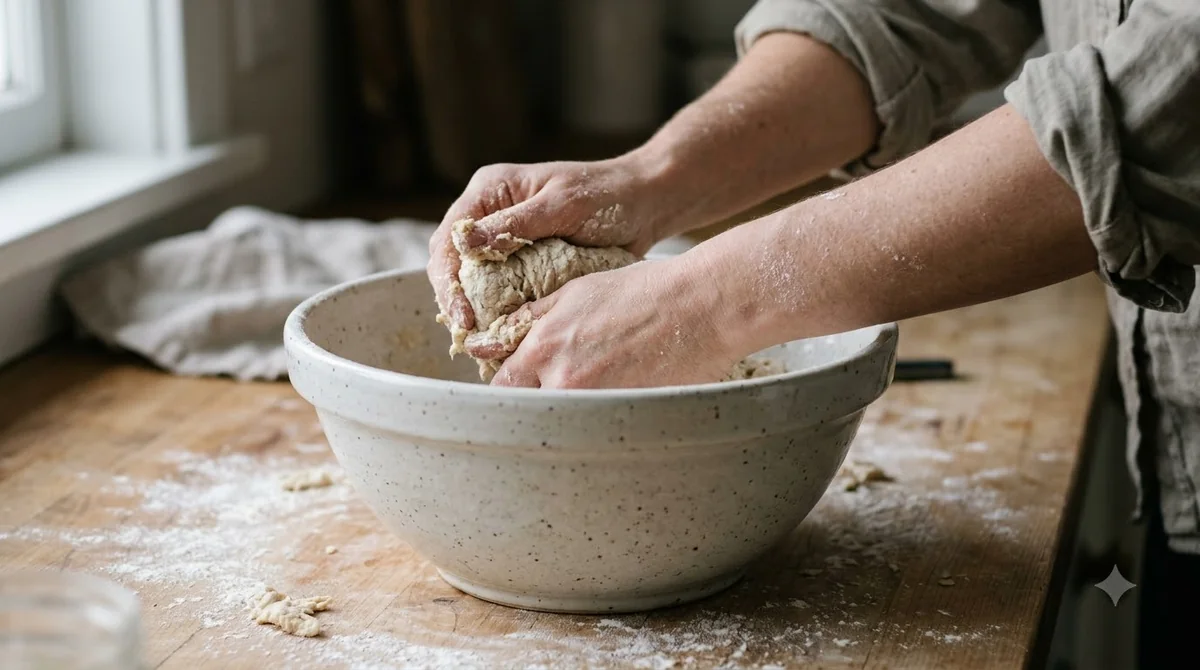
- Combine the flours on a work surface, make a wide well in the center, and add the lightly beaten eggs.
- Draw in the flour from the inside wall of the well until the dough forms a soft mass, then knead about 7 minutes until it is smooth, compact and elastic.
- Wrap the dough and let it rest at room temperature for 20 to 30 minutes.
- Cut the dough into 4 pieces. Pass the first piece through the widest setting, number 1, eight times, folding it over before each pass, then run it through settings 2 to 8 once each.
- Lay the strips on a floured surface to dry for 15 minutes, then cut them to fettuccine width and toss with flour.
Expect the kneading to take most of the effort. The dough is ready when the surface feels as smooth as silk, with no sticking to the work surface.
Dust the dough with flour only when it sticks, because King Arthur says to use just enough flour to prevent sticking. Too much flour left on the sheets can make the finished fettuccine pasta feel dry and floury.
A pasta machine helps you roll an even sheet, but it is optional. The same handout notes that a rolling pin and a chef’s knife also work. Keep the dough you are not rolling covered so it does not dry out.
Classic Sauces for Fettuccine
Fettuccine works best with creamy, buttery and finely textured sauces, according to DeLallo. Its flat surface gives heavy sauces more to cling to than a round strand does.
- Herbed brown butter, made with 113 grams of butter cooked to a nut brown and a sprig of rosemary or thyme.
- Beef ragù, the traditional pairing in Italy, or chicken ragù.
- Fettuccine Alfredo, with butter, Parmesan and cream.
- Pesto, which gives a fresh flavor to the flat noodle.
- Shrimp or other seafood tossed in garlic, lemon and herbs.
Match the sauce to the noodle’s width. A wide, flat fettuccine pasta holds a chunky ragù well, while a thin, watery sauce has little to grip on the flat surface.
Keep light sauces simple. A thin oil or butter sauce lets the flavor of the noodle come through. Heavy sauces need a splash of starchy pasta water to loosen them so they coat each strand.
Cooking Fettuccine Pasta Properly
Cook fettuccine pasta in a large pot of boiling water, using about 1 gallon per pound of pasta, and season the water generously with salt until it tastes like the ocean. The King Arthur handout gives 3 to 5 minutes for fresh pasta, depending on thickness.
- Bring the salted water to a rolling boil and add the pasta, stirring briefly.
- Lower the heat slightly once the water returns to a boil, so it simmers rather than thrashes.
- Taste a strand near the minimum time, and drain when it is al dente.
- Reserve a cup of the pasta water, then toss the hot noodles with the sauce and a splash of that water.
If you are cooking for a crowd, cook one batch of fettuccine pasta at a time rather than crowding the pot. Keep the finished noodles covered in a warm bowl while the rest cook, so they are ready to sauce together.
Serve right away, and have the sauce ready before the fettuccine pasta leaves the pot.
Frequently Asked Questions
Is fettuccine the same as tagliatelle?
Almost. DeLallo describes tagliatelle as slightly skinnier than fettuccine, and the two shapes are close enough to swap in most recipes. The two are close enough that most recipes allow either one.
Does fettuccine need eggs?
No. Traditional fettuccine is made with egg and flour, but commercial versions are often made from semolina and water, with eggs added only in some versions. The label will tell you which type you have.
How long does fresh fettuccine take to cook?
Fresh fettuccine usually reaches al dente in 2 to 3 minutes, according to DeLallo, while King Arthur gives 3 to 5 minutes for fresh pasta depending on thickness. Start tasting at the early end of the range so the fettuccine pasta stays firm.
Can I freeze fresh fettuccine?
Yes. King Arthur says fresh pasta is best cooked the day it is made but can be frozen for longer storage. Frozen fresh fettuccine can be cooked straight from the freezer, so there is no need to thaw it first.
Do I need a pasta machine to make fettuccine at home?
No. King Arthur lists a pasta machine as optional and says a rolling pin and a chef’s knife also work. Roll the dough thin, then cut it into strips of the width you want.
Start with the dried version if you want a reliable weeknight dinner, and try the homemade dough when you have an afternoon free. Either way, a simple brown butter sauce is the best place to learn, because it lets the noodle’s texture carry the dish.