
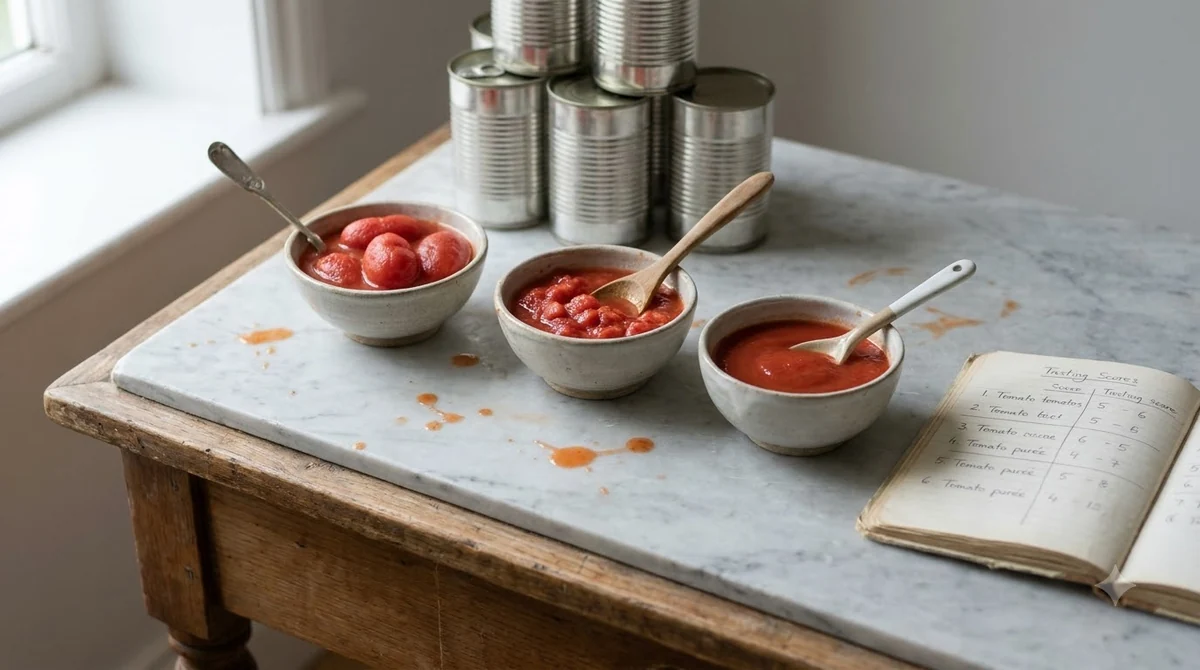

A marinara pizza recipe gives you a Neapolitan pizza topped with tomato, garlic, oregano and olive oil, with no cheese. It is a simple bake, and the sauce does most of the work.
In a marinara pizza recipe the sauce is the whole topping, so good tomatoes and a thin layer matter most. A very hot oven keeps the base crisp and the flavor bright.
What is marinara pizza?
Marinara pizza is a traditional Neapolitan pizza with no cheese, topped with tomatoes, garlic, oregano and extra virgin olive oil.
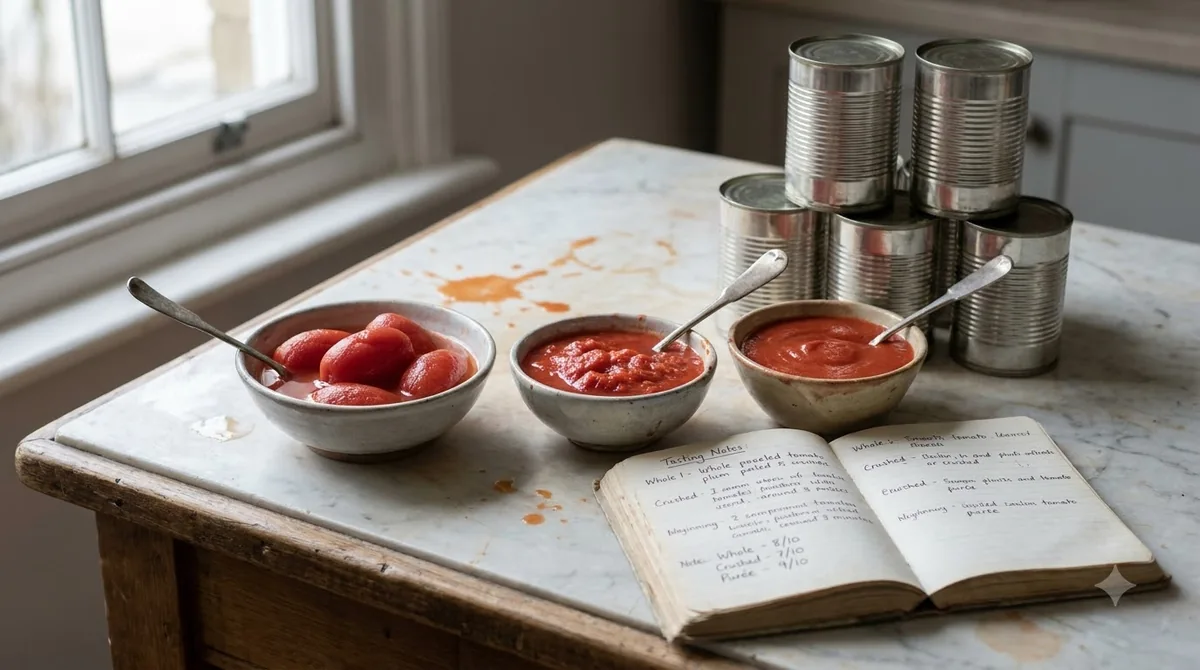
Wikipedia’s entry on pizza marinara lists the same four toppings and says the classic recipe contains no cheese. The method follows the Associazione Verace Pizza Napoletana (AVPN) rules, which is why it is treated as a Neapolitan style.
The origin is less certain. It is said to date from about 1735, although Wikipedia notes that EU regulation 97/2010 cites 1734. Poor sailors are said to have ordered it often because its ingredients kept well, but that account rests on oral tradition rather than documented evidence. Wikipedia also describes an earlier version made with cherry tomatoes, basil, oregano, garlic and olive oil.
If you know the margherita, marinara will feel leaner. It uses the same Neapolitan base but skips the mozzarella, so the tomato and garlic carry the flavor. If you want a topping with a bit more bite, try a pesto pizza recipe next.
Ingredients and amounts for the sauce
In this marinara pizza recipe, one sauce batch uses 1,250 g of tinned plum tomatoes and 8 to 12 g of fine salt, and each pizza then takes two large spoons of sauce, one garlic clove, a sprinkle of dried oregano and 2 tablespoons of olive oil.
| Ingredient | Amount | How to use it |
|---|---|---|
| Tinned plum tomatoes | 1,250 g, which yields about 1.2 kg of sauce | Break up by hand, in a food mill or with a stick blender |
| Fine salt | 8 to 12 g per sauce batch | Stir into the tomatoes |
| Garlic | 1 clove per pizza | Roughly chopped in Gozney’s recipe; the AVPN method uses thin slices |
| Dried oregano | A sprinkle per pizza | Scatter over the sauce |
| Extra virgin olive oil | 2 tablespoons per pizza | Drizzle before baking |
The Gozney marinara recipe breaks the tomatoes up through a food mill with large holes, by hand or with a stick blender, to make a slightly chunky sauce. It then stirs in the salt and uses two large spoons of the finished sauce for each pizza. Taste the sauce before you spread it, and add more salt only if it tastes flat. For a smaller stovetop batch, our guide on how to make marinara sauce covers a simple method.
Choosing the tomatoes
Use good tinned plum tomatoes and break them up by hand, in a food mill or with a stick blender. Gozney aims for a slightly chunky sauce.
Fresh tomatoes are allowed too. The AVPN recipe accepts fresh tomatoes in place of peeled ones, so ripe summer tomatoes work well in a marinara pizza recipe.
Making the dough
A Neapolitan dough for a marinara pizza recipe uses only wheat flour, yeast, salt and water, with no fat or sugar, under the AVPN rules.
- Flour: medium-strength flour with a W value of 250 to 320 and 11 to 13.5 percent protein.
- Weight: about 260 g of dough for each pizza, according to the Gozney recipe.
- Shape: stretch the dough by hand, without a rolling pin.
Wikipedia’s Neapolitan pizza article sets out these ingredient rules but gives no exact water, salt or yeast amounts. Use a dough recipe you trust for those, and let the dough rise fully before you shape it for your marinara pizza recipe.
The Gozney recipe dusts the dough ball with semolina, pushes the air toward the crust and slaps the dough out by hand. For a full dough method, see our Neapolitan pizza dough recipe, and keep the peel well dusted so the pizza slides into the oven.
Marinara pizza recipe: how to make the topping
For this marinara pizza recipe, spread the crushed tomatoes in a thin, even layer, then add garlic, oregano and oil before the pizza goes into the oven.
- Crush the tomatoes by hand and stir in the salt.
- Stretch the dough, leaving a slightly thicker rim for the crust.
- Spread a thin layer of tomato over the base, leaving the edge bare.
- Scatter thin slices of garlic over the sauce.
- Add a pinch of dried oregano and a light drizzle of olive oil.
Keep the layer thin in any marinara pizza recipe. A heavy layer of tomato releases water in the oven and leaves the center soft.
Gozney uses one roughly chopped garlic clove per pizza, while the AVPN method scatters thin slices of garlic. Start with less, since raw garlic gets stronger in the oven, and keep the pieces small so they do not scorch.
Finish with olive oil poured in a spiral, as the AVPN method describes, so it reaches the edge of the base.
How to bake it at home
Bake a marinara pizza recipe as hot as your oven allows, because the reference Neapolitan bake is 60 to 90 seconds at 485 C in a wood-fired oven.
The Gozney recipe heats its oven to 500 C, lets it fall to 430 C, then runs it at 480 C on a high-medium flame. Most home ovens do not reach that heat, so use the hottest setting you have and a preheated stone or steel. For typical heat levels by oven type, see our guide to pizza oven temperature.
- Preheat the oven and stone as hot as possible before you start.
- Slide the pizza in and watch the base, not the clock.
- Stop when the crust blisters, turns golden and the edges look crisp.
- Tear fresh basil over the pizza after it comes out, if you like.
Gozney lists a cook time of 15 minutes plus dough prep and slices the finished pizza into 4. It slides the pizza onto the peel, bakes it for a few seconds, then turns it with a turning peel for an even bake.
Marinara vs margherita: how they differ
Classic marinara has no mozzarella and uses garlic and oregano, so it tastes lighter and more tomato-forward than a margherita. Wikipedia calls marinara and Margherita the typical pizzas of Naples. For the cheese version, see our margherita pizza recipe.
| Attribute | Marinara | Margherita |
|---|---|---|
| Cheese | None | Mozzarella |
| Herbs | Oregano, with a few basil leaves optional after baking in Gozney’s recipe | Fresh basil |
| Main flavor | Tomato and garlic | Tomato and milky cheese |
| Base | Neapolitan dough | Neapolitan dough |
Both are Neapolitan styles, so the dough and oven steps of a marinara pizza recipe match those of a margherita. Only the toppings change.
Common mistakes to avoid
The most common mistake with a marinara pizza recipe is spreading too much sauce, which leaves the center wet and the crust soft.
- Spreading a thick layer that releases water during baking.
- Skipping the salt, so the tomatoes taste flat.
- Adding garlic in large chunks that scorch before the crust sets.
- Baking in a cool oven and expecting a crisp base.
Frequently Asked Questions
Does marinara pizza have cheese?
No. A marinara pizza recipe uses tomatoes, olive oil, oregano and garlic only.
Is marinara pizza vegan?
A marinara pizza recipe can be vegan, because the classic toppings are plant-based. Check that your dough recipe has no dairy or egg.
Can I use fresh tomatoes?
Yes. The AVPN recipe allows fresh tomatoes in place of peeled ones. Use ripe, firm tomatoes and crush them well.
How much sauce should I use?
Gozney uses two large spoons of sauce per pizza. Spread it thinly to leave the crust bare, and adjust the amount to the size of your base.
Can I add basil?
Yes, but add it after baking. The Gozney recipe tears fresh basil over the pizza once it comes out of the oven.
How hot should my oven be?
Use the hottest setting your home oven allows, with a preheated stone or steel. The Neapolitan reference is 60 to 90 seconds at 485 C in a wood-fired oven.
Is marinara the same as margherita?
No. Marinara has no cheese, while a margherita has mozzarella and basil.
Choose this marinara pizza recipe when you want something light and tomato-forward. Keep the sauce thin, season it well and bake it as hot as your oven allows. The result is simple, but it depends on good tomatoes and a hot base.