
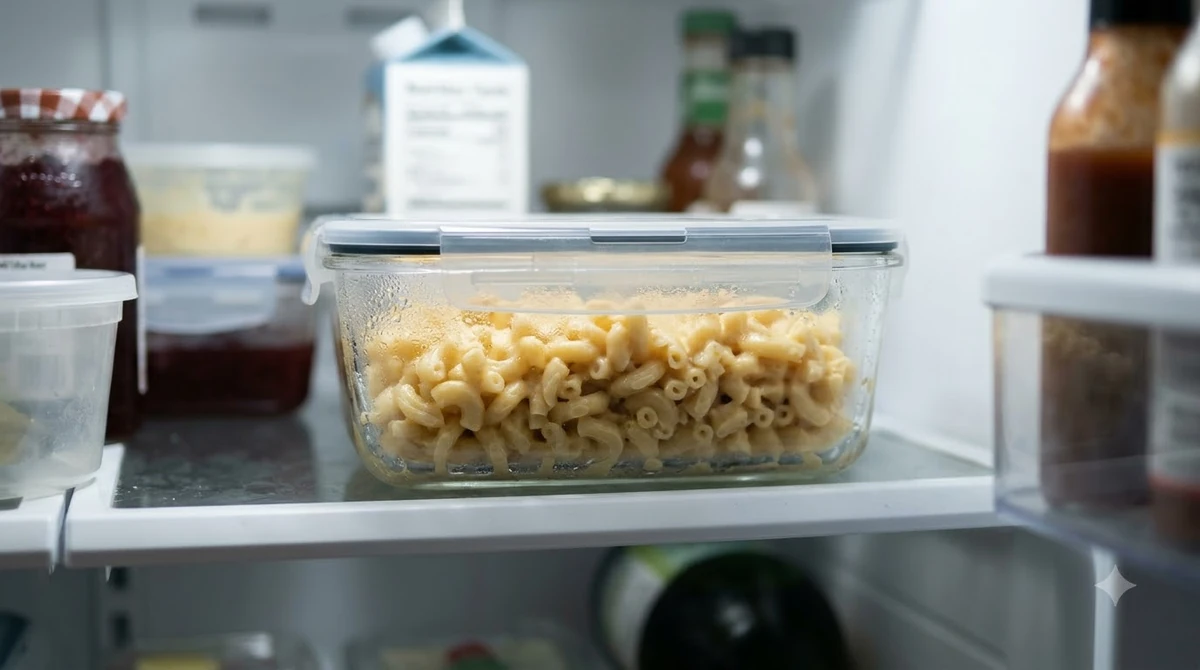

An overnight pizza dough recipe is a dough mixed in the evening, left to rise slowly in the refrigerator, and shaped the next day. The long cold rest of an overnight pizza dough recipe gives the dough more time to develop flavor and makes it easier to handle when it is ready to bake. The timing takes some planning, because the dough has to leave the fridge early enough to soften before you stretch it.
What Cold Fermentation Does to Pizza Dough
Cold fermentation means the dough rises slowly in the refrigerator instead of quickly on the counter. The fridge slows yeast activity, so the dough keeps developing flavor over many hours without over-rising in the bowl.
This is why an overnight pizza dough recipe has become a common home method. Dough that rests for a long time in the cold usually tastes more complex than a dough that is mixed and baked the same day. The texture also changes. A cold rested dough is often easier to stretch into a thin round, because the gluten has had time to relax during the rest.
The trade-off is timing. Cold dough is stiff and slow to respond, so an overnight pizza dough needs a warm-up step before shaping. Plan the evening mix, the fridge rest and the next-day warm-up as one schedule, not three separate tasks.
How to Mix an Overnight Pizza Dough Recipe
An overnight pizza dough recipe uses the same basic ingredients as a same-day dough: flour, water, salt and yeast. The main difference is the amount of yeast. Because the long cold rest does much of the work, most bakers use less yeast than they would for a dough that rises on the counter the same day.
A tested starting point comes from King Arthur’s cold-ferment pan pizza recipe: 240 g all-purpose flour, 170 g lukewarm water, 3/4 teaspoon table salt, 1/2 teaspoon instant or active dry yeast and 1 tablespoon (13 g) olive oil. That works out to roughly 71 percent water to flour, and it shows how little yeast a long cold rest needs. Weigh every ingredient so each batch matches the last one.
- Stir the flour, salt, yeast, lukewarm water and 1 tablespoon of olive oil until you have a shaggy, sticky mass with no dry flour, about 1 minute by hand.
- Cover the bowl and fold the dough four times, 5 minutes apart: stretch the bottom up and over the top, turning the bowl a quarter turn each time.
- Leave the dough undisturbed at room temperature for 40 minutes.
- Cover the dough and place it in the refrigerator for the overnight rest, at least 12 hours and up to 72 hours in this recipe.
Folds replace kneading in this method, so there is no need to work the dough hard. If you only have a few hours, a same-day dough is the better fit, and our same day pizza dough guide covers that schedule.
How Long to Keep Overnight Dough in the Fridge
Most overnight pizza dough recipes rest in the refrigerator for about 24 to 72 hours, with the fridge held at about 40°F (4°C). That temperature is the working target for a cold ferment, and a fridge that runs warmer will speed up the rise and shorten how long the dough can wait.
Sources do not agree on the shortest useful rest. King Arthur’s pan pizza recipe starts at 12 hours, another source gives at least 16 hours, and others start at 24 hours. Treat that as a range, and check the dough before deciding it is ready. For a deeper look at the method, see our guide to cold ferment pizza dough.
| Fridge time | What to expect |
|---|---|
| About 12 to 16 hours | The minimum King Arthur and some other sources give. Flavor is milder and the dough may still feel firm. |
| About 24 to 48 hours | The most common window for an overnight pizza dough recipe. Flavor is clearly developed and the dough handles well. |
| Up to 3 days | One guide says the dough keeps without significant loss of quality for up to 3 days, and King Arthur’s recipe allows up to 72 hours. Watch for over-proofing near the end of this window. |
If you plan a longer rest with an overnight pizza dough recipe, keep the yeast low, as in the 1/2 teaspoon above. Longer rests give the yeast more time to work, so the margin for error gets smaller as the days pass. For a refined, wetter style of ferment, see poolish pizza dough.
Taking the Dough Out and Shaping It
With an overnight pizza dough recipe, take the dough out of the fridge early, because cold dough is stiff and tears easily when you stretch it. The warm-up gives the yeast a chance to become active again and relaxes the gluten so the dough can be shaped.
The timing for an overnight pizza dough recipe depends on which source you follow. One guide says to let the dough sit at room temperature for about 30 minutes after overnight refrigeration. Another says to let it sit for about 2 to 3 hours before use. The longer window is the safer choice for dough that still feels tight, while the shorter window is enough for dough that is already soft.
- Move the dough to the counter in its covered container, so the surface does not dry out or form a skin.
- Wait until the dough softens and stretches without tearing. Check it by pressing gently with a floured finger.
- Dust the work surface lightly, press the dough out from the center, and stretch it by hand into a round.
Common Problems With Overnight Dough
The most common problem with an overnight pizza dough recipe is over-proofing, which makes dough slack, sticky and hard to shape. Cold storage helps prevent this, but a dough can still over-ferment if it sits too long or warms up too far before shaping.
| Problem | Likely cause | Fix |
|---|---|---|
| Dough tears when stretched | Not warmed enough before shaping | Leave the covered dough on the counter for longer |
| Dough is slack and sticky | Over-fermented, or too much yeast | Use less yeast and shorten the fridge rest next time |
| Sour or off smell | Fridge running warm, or a rest that is too long | Check the fridge with a thermometer and discard dough that smells rotten |
| Flat, dense crust | Dough shaped while still cold | Let the dough warm fully before stretching it |
Most problems with an overnight pizza dough recipe come from timing rather than ingredients. If you want a classic style to try, see our Neapolitan pizza dough recipe. Write down the fridge time and the warm-up time for each batch, then adjust one variable at a time.
Tips for Baking With Overnight Dough
For an overnight pizza dough recipe, preheat the oven and the baking surface fully before the pizza goes in, then shape the dough gently so the gas bubbles stay in the crust. Pressing out all the air with a rolling pin flattens the texture, so stretch by hand instead.
In King Arthur’s pan pizza method, the cold dough goes into an oiled pan about 3 hours before serving and rises for 2 hours at room temperature before baking, so plan that time. Flour the peel generously so the stretched dough slides off cleanly. If the dough sticks, lift the edge, add a little more flour under it, and try again rather than forcing it. Keep toppings light, because an overnight pizza dough recipe can get soggy under heavy sauce and cheese.
Frequently Asked Questions
Can I make overnight pizza dough the same day?
Yes, but it is no longer an overnight dough. King Arthur notes that a quicker version can skip the fridge and rise for about 90 minutes at room temperature. The flavor is milder than a dough that has rested in the fridge, so read our same-day method for the details.
Does overnight pizza dough need less yeast?
Usually yes. In an overnight pizza dough recipe the long cold rest does much of the work, so a large amount of yeast can over-ferment the dough before it reaches the fridge time you planned.
Is it safe to keep pizza dough in the fridge for days?
Keep the dough covered in the refrigerator at about 40°F (4°C). Discard any dough that smells rotten or shows mold, and do not rely on smell alone to judge a dough that has rested for a long time.
Why does my overnight dough smell sour?
A mild sour note can be normal in a long cold ferment. A strong or unpleasant smell usually means the dough warmed up too far or rested longer than the recipe was built for, so check the fridge temperature first.
Can I freeze overnight pizza dough?
Freezing an overnight pizza dough recipe needs its own method, and this guide does not cover it. Read how to freeze pizza dough and follow a method written for freezing rather than adjusting an overnight recipe by guesswork.
An overnight pizza dough recipe rewards planning. Mix it in the evening, keep the fridge cold, and give the dough enough time to warm before you shape it. Test one batch with a recipe you trust, then adjust the yeast and timing after one or two bakes.