
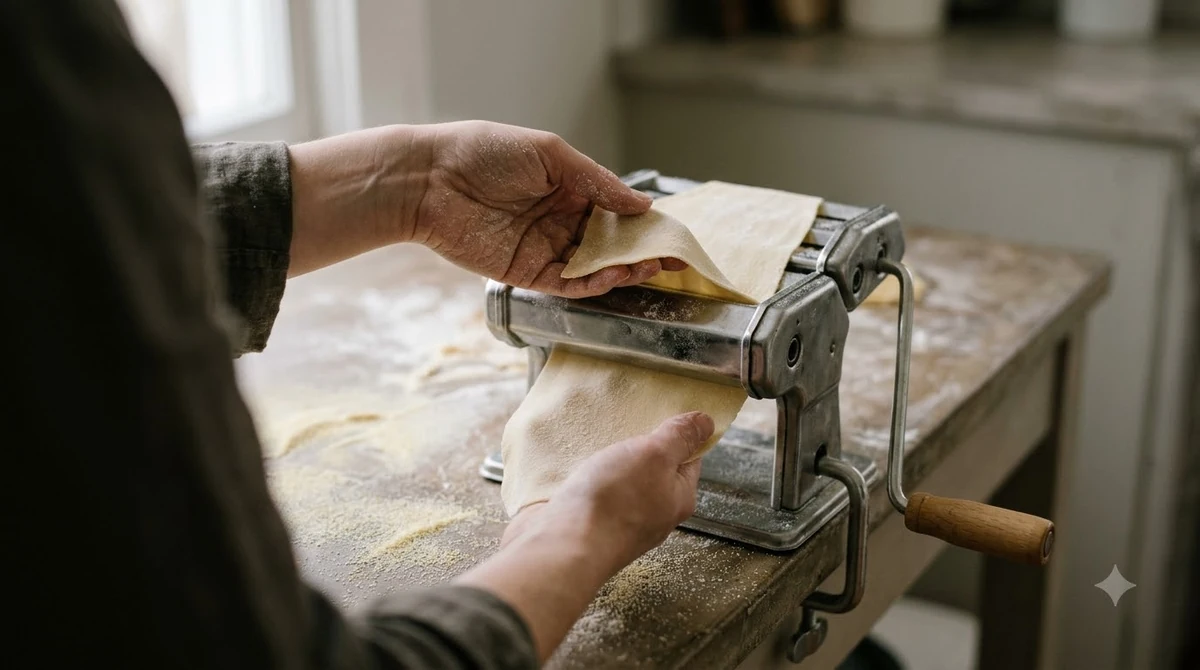

Fusilli pasta is a short, spiral-shaped Italian pasta from southern Italy. In the United States and Canada, the same shape is usually sold under the name rotini, so the two names refer to one kind of pasta.
Dried fusilli cooks in 10 to 11 minutes, while fresh homemade fusilli needs only 2 to 3 minutes in boiling water. Knowing which type you have tells you how long to cook it.
What Is Fusilli Pasta?
Fusilli pasta is a variety of pasta from southern Italy with a corkscrew-like, helicoidal shape. The name comes from fusillo, which means little spindle, and the shape takes its form from the spindle the dough was traditionally wrapped around. Knowing this origin helps explain why fusilli pasta looks so different from flat shapes such as tagliatelle.
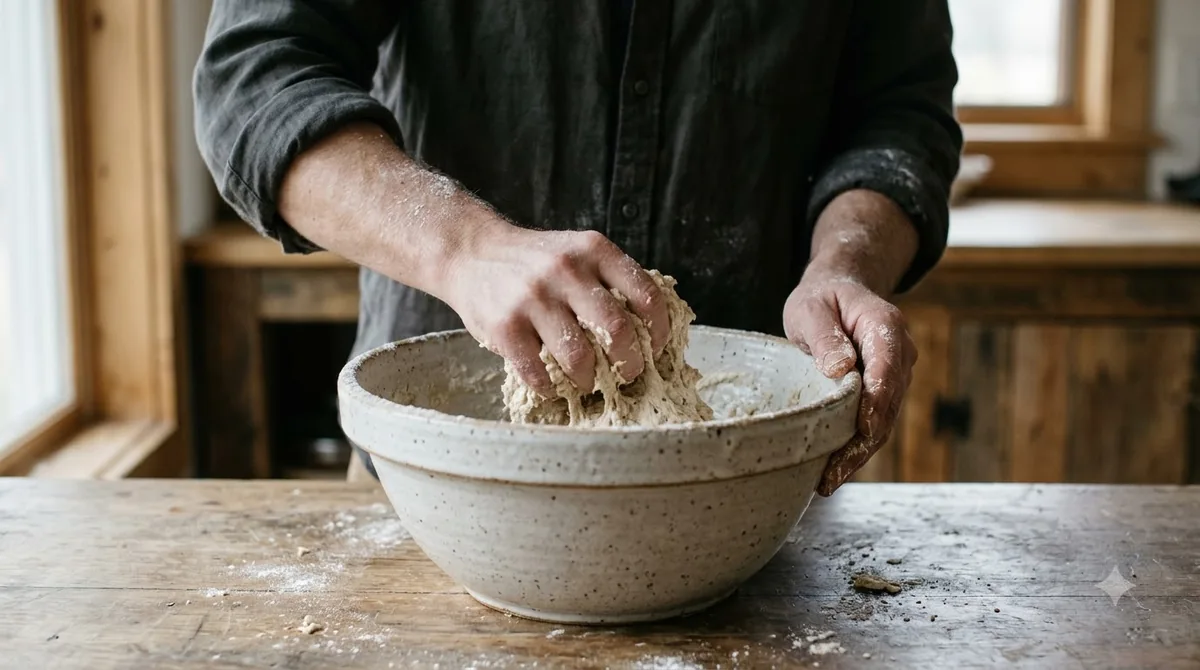
The Wikipedia article on fusilli explains that the Italian word fuso means spindle. Traditional makers wound the dough around a thin rod, and the spiral kept its shape as it dried.
Some older names point to a shared history. In Sicily the shape is called busiata, and in Sardinia it is called busa, both from an Arabic word for the thin reed the dough was wound around. This is one reason the shape appears under several regional names. Because fusilli pasta has so many local names, shoppers often see the same shape labeled differently from one brand to another.
In the United States, the short helicoidal shape is commonly called rotini, and it is often sold in plain and tri-color versions. If a recipe asks for rotini, you can usually use fusilli in its place because the shape is the same. See fusilli vs rotini for the full comparison.
How Fusilli Pasta Is Made
Commercial fusilli is extruded through dies that form the spiral, then cut into short lengths and dried. Traditional fusilli is shaped by hand, with each strip wound around a rod. Another twisted, hand-shaped pasta is strozzapreti pasta from Emilia-Romagna.
According to DeLallo’s guide to fusilli, the factory dough is made from semolina and water, pushed through dies, cut, and dried. Some producers use bronze dies, which leave the surface of the pasta rough.
Hand-shaped fusilli starts with the same kind of dough, made from semolina or durum wheat flour and water. Cooks roll it out, cut thin strips, and wind each strip around a rod to form a tight spiral. The method takes practice, but the steps are simple and need only basic kitchen tools.
Types of Fusilli and How They Compare
Fusilli comes in solid and hollow forms and in short and long lengths, so the name can cover several different pastas. The table below compares the main types you are likely to see in a store.
| Type | Form | Length | Notes |
|---|---|---|---|
| Fusilli | Solid spiral | Short | The standard shape, called rotini in the US |
| Fusilli Sorrento | Solid spiral | Long | The long version of fusilli |
| Fusilli bucati | Hollow spiral | Short or long | Hollow corkscrews, sometimes called hollow fusilli |
| Fusilli Capri | Solid, braided look | Elongated | Has a double-braided appearance |
Length matters most for cooking time and texture. Dried short fusilli usually cooks in 10 to 11 minutes, while fresh homemade fusilli takes 2 to 3 minutes. Check the package for the exact time, because thicker dried shapes can take longer. Read the label on any box of fusilli pasta to confirm whether it is solid or hollow.
For a hot dinner, a short solid fusilli is the easiest choice, since most stores carry it. Hollow fusilli bucati suits cooks who want the sauce to fill the center of each spiral. If you want a hollow corkscrew instead, cavatappi pasta is a close alternative.
How to Cook Fusilli Pasta
Cook dried fusilli in a large pot of boiling salted water for 10 to 11 minutes, until al dente according to the package directions. Al dente means the pasta is tender but still firm when you bite it.
- Bring a large pot of water to a rolling boil.
- Salt the water generously once it is boiling.
- Add the fusilli and stir so the pieces do not stick together.
- Cook until al dente, about 10 to 11 minutes, following the package directions.
- Drain the pasta and toss it with your sauce while it is still warm.
Use plenty of water so the fusilli pasta can move freely and cook evenly. A large pot also keeps the water boiling after the pasta goes in, so the cook time stays steady.
DeLallo advises stirring the pasta occasionally during cooking, so the spirals cook evenly. Fresh homemade fusilli is much quicker, and it usually needs only 2 to 3 minutes in boiling salted water.
How to Make Homemade Fusilli Pasta
To make homemade fusilli, mix 400 g of semolina or durum flour with 200 ml of warm water and a pinch of salt, then knead, rest and cut the dough into strips. The steps below follow the method from Pasta Evangelists’ homemade fusilli guide.
You need flour, water, salt, a rolling pin, a small sharp knife, and a thin skewer or knitting needle. No special machine is required for this method. Making fusilli pasta by hand is also a good way to learn the shape, since the dough needs only flour, water and a pinch of salt.
- Combine 400 g of semolina or durum flour with 200 ml of warm water and a pinch of salt.
- Knead for 5 to 10 minutes until the dough is smooth and elastic.
- Cover the dough with a tea towel or plastic wrap and rest it for 30 minutes.
- Roll the dough to about the thickness of a 2p coin.
- Cut the dough into strips 20 to 30 cm long and 1 cm wide.
- Wrap each strip around a skewer or thin knitting needle, then slide it off the end.
- Dry the fusilli for up to 2 hours, or cook it right away.
A well-shaped spiral should look like curly hair. Each piece can be cooked right away, or left to dry for up to 2 hours before cooking.
The most common mistake is making the strips too thick or too wide, which makes the spiral hard to wind. Keep the strips to the size listed above so each one wraps evenly around the rod. Work with a few strips at a time, so the dough does not dry out while you shape the rest.
Best Sauce for Fusilli
Heartier sauces such as genovese and bolognese are often paired with fusilli, and pesto works well when you want a cold pasta salad. Short ruffled shapes grip these sauces in a similar way, as this guide to radiatori pasta and its best sauces explains.
DeLallo lists several sauce styles that suit fusilli, and the choice depends on whether you want a hot dinner or a cold dish. Consider these options:
- Heartier sauces such as genovese and bolognese, for a hot meal.
- Tomato-based sauces such as vodka sauce.
- Pesto, for fresh dishes like pasta salad.
- Creamy sauces such as alfredo.
- White bean sauce, as a creamy option without cream.
A heavy meat sauce suits a warm dinner, while pesto suits a cold salad that will be served the same day. Match the sauce to how you plan to serve the pasta, and toss the drained fusilli with the sauce while it is still warm. A warm bowl of fusilli pasta with bolognese suits a cold evening, while chilled fusilli pasta with pesto works well for a picnic.
Frequently Asked Questions
What is the difference between fusilli and rotini?
Fusilli and rotini are the same short spiral shape. Rotini is the common name in the United States and Canada, while fusilli is the Italian name. The two words can be used interchangeably when you shop or follow a recipe. Whichever name appears on the box, you are buying the same fusilli pasta shape.
How long does fusilli take to cook?
Dried fusilli takes about 10 to 11 minutes in boiling salted water, cooked until al dente according to the package directions. Fresh homemade fusilli needs only 2 to 3 minutes. Taste a piece of fusilli pasta near the end of the time to check the texture.
Can you make fusilli without a pasta machine?
Yes. You can roll the dough with a rolling pin, cut thin strips, and wind each strip around a skewer or thin knitting needle. The method takes practice, but it needs only basic kitchen tools.
What sauce is best for fusilli?
Heartier sauces such as bolognese and genovese are commonly paired with fusilli, along with tomato-based sauces like vodka sauce. For a cold dish, pesto is a good choice. Choose the sauce that fits the way you plan to serve the pasta. If the sauce looks too thick once it is on the pasta, add a few spoonfuls of the cooking water to loosen it.
Can you use fusilli in pasta salad?
Yes, fusilli works well in pasta salad, and pesto is a common dressing for it. Cook the pasta until al dente, drain it, and let it cool before you mix in vegetables or other ingredients. Orzo pasta is another small shape that suits cold salads.
If you want quick weeknight cooking, choose dried fusilli for the 10 to 11 minute cook time. If you enjoy making fusilli pasta by hand, the homemade method is worth the extra time, and the fresh pasta cooks in only 2 to 3 minutes, so plan the timing around your sauce.