

Campanelle pasta is a short Italian pasta shaped like a cone with a ruffled edge. The name means “little bells,” and the shape is built to catch sauce. Cooks use it with creamy, chunky and meat sauces.
Its folds suit thick dairy sauces better than a thin tomato sauce. If your store does not carry it, the substitutes section names shapes that hold sauce in a similar way.
What Is Campanelle Pasta?
Campanelle pasta is a short, bell-shaped pasta from Italy. It is shaped like a cone with a ruffled edge, which is why the name is often translated as “little bells” or “bellflowers.” Wikipedia’s campanelle entry also lists other names, including gigli, torchio, cornetti, corni di bue and trompetti.
The shape opens like a flower, with a wide ruffled rim and a narrower base. Shape alone does not decide how a dish turns out, so the next sections cover how the shape holds sauce, which sauces suit it, how long it takes to cook and what to use instead.
The origin is less certain than the shape. Wikipedia places the pasta in Italy but gives no regional history. Because the pasta goes by several names, you may see more than one of them on packages, so a box labeled gigli or torchio may hold the same cone.
How the Shape Holds Sauce
The hollow center and ruffled edge give campanelle pasta pockets and ridges that trap sauce, which is the main job the shape does on the plate. Barilla’s description of the pasta notes that the hollow center captures sauce, and the ruffled edge adds more surface for the sauce to cling to.
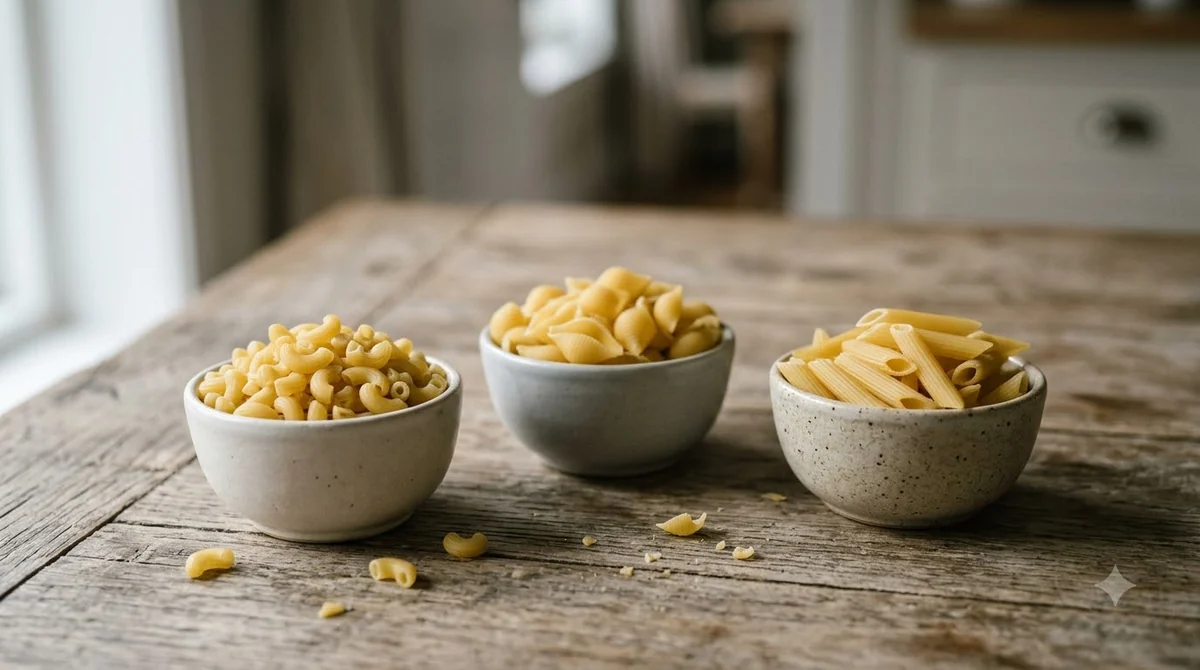
A short, hollow shape holds a loose sauce in the center, while the folds catch smaller pieces of meat, vegetables or cheese. Mashed describes campanelle as having a few folds, and it notes that the sturdier build can handle heavier mix-ins such as meat, fish, chunky vegetables and beans.
Think of the hollow center as a small reservoir. When you toss the pasta, sauce settles into the cone and the ruffles, so each bite carries some sauce rather than only what sits on the surface. That is why the same shape can feel very different with a thick sauce and a thin one.
The folds are the detail to watch. They suit thicker sauces, not thin ones that run off the surface before they reach the bite. These shape claims come from manufacturer and editorial descriptions rather than lab tests of sauce retention, so treat them as guidance and judge by the sauce in your own pan.
Best Sauces for Campanelle Pasta
Thick dairy sauces, meat sauces and chunky vegetable sauces suit campanelle best, while a simple tomato sauce is a weak match. The table below ranks the main sauce types by how well the shape holds them.
| Sauce type | Fit | Why |
|---|---|---|
| Thick dairy sauce (cream, cheese or béchamel) | Best | The folds hold thick, creamy sauce |
| Meat or sausage sauce | Strong | The sturdy build handles heavier mix-ins |
| Fish or seafood sauce | Strong | Fish is listed among the heavier mix-ins it handles |
| Chunky vegetable or bean sauce | Strong | The ruffled edges hold the chunks |
| Simple tomato sauce | Weak | A thin sauce runs off the folds |
Mashed advises thick, creamy dairy sauces for this shape. A mushroom cream sauce or a cheese sauce loosened with a splash of pasta water is a good test, because it coats the folds rather than sliding off them.
For a practical weeknight dish, a creamy mushroom sauce works well. Cook the mushrooms until they release their liquid, add cream and let it simmer briefly until it thickens, then toss the drained pasta in the pan so the folds pick up the sauce. Keep a splash of starchy pasta water nearby to loosen the sauce if it tightens.
If you want a tomato sauce, choose a thick one with pieces of meat, sausage or vegetables. A thin, smooth tomato sauce is the weak match, so save it for another shape.
How Long to Cook Campanelle Pasta
Campanelle pasta usually takes 7 to 10 minutes to cook, according to Recipe Tips, but that range is only an estimate. The exact time depends on the brand, the thickness of the pasta and how you cook it.
Recipe Tips states that cooking times are only estimates for shaped pasta, since thickness, cooking method and brand all affect timing. Read the package first, then compare it with the range.
- Bring a large pot of salted water to a rolling boil.
- Add the pasta and stir so the pieces do not stick together.
- Start tasting at about minute 7 and check again every minute.
- Drain when the bite is tender but still has a slightly firm center.
Use a large pot so the pasta has room to move. Crowding the pot cools the water, slows its return to a boil and makes the timing less predictable, which matters for a shape that cooks in a narrow window.
Al dente is the target. Recipe Tips describes it as tender but still having a slightly firm bite. If the campanelle pasta will finish cooking in the sauce, drain it a minute before it is fully done so it does not turn soft in the pan.
Campanelle Pasta Substitutes
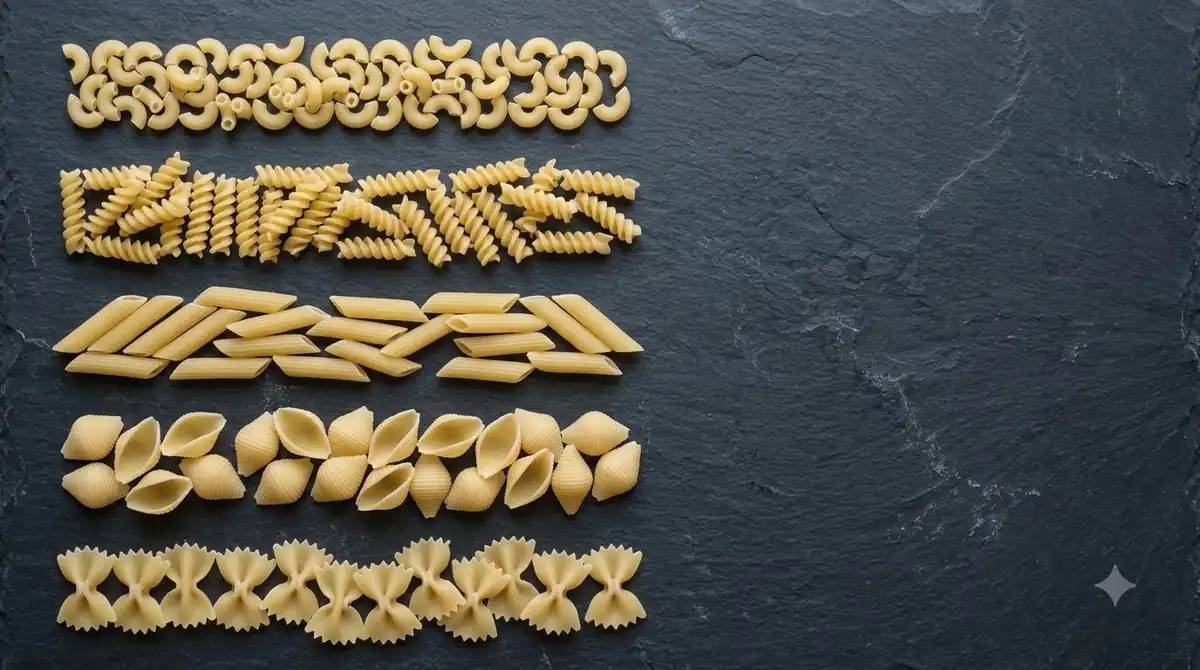
Rigatoni, penne or ziti are the closest swaps for campanelle, because each one is a hollow tube that also holds sauce. The options below are practical swaps that also hold sauce, and the guides in the list explain how each shape cooks.
- Penne pasta: a hollow tube and the most common swap for thick sauces.
- Rigatoni pasta: a wide, ridged tube that suits meat and chunky sauces.
- Ziti pasta: a smooth tube that works well in baked dishes.
- Fusilli pasta: twisted ridges that catch smaller pieces of sauce.
- Cavatelli: small curled shells with hollows that hold chunky sauce.
- Gemelli: a twisted strand that grips creamy and chunky sauces.
- Farfalle: a bow shape that works with creamy sauces.
- Orecchiette: small cups that hold chunky vegetable sauce.
If you cannot find any of these, a curled short pasta or rigatoni is a practical fallback for most sauces, because its shape also catches sauce. These are practical suggestions, not tested results. Pick the campanelle substitute that matches your sauce’s texture rather than the shape name alone, and use the same thickness rules as for campanelle pasta.
Frequently Asked Questions
Is campanelle pasta the same as gigli?
Yes, gigli is one of the names given for campanelle, along with torchio, cornetti and corni di bue. Some sources say gigli is the more common name in Italy. Check the label, because regional and brand names can differ between shops.
Does campanelle pasta work with tomato sauce?
A simple tomato sauce is a weak match for campanelle, according to Mashed, because it runs off the folds. A thick tomato sauce with meat, sausage or vegetables works better, so choose the sauce by its texture.
How long should campanelle pasta cook?
Recipe Tips gives 7 to 10 minutes for campanelle pasta, and it treats that as an estimate. Start tasting around minute 7, and drain once the pasta is tender but still has a slightly firm bite.
Can you use penne instead of campanelle pasta?
Yes, penne is the most common swap because it has a hollow center that catches sauce. Choose a thick sauce, the same kind that suits campanelle.
What does campanelle mean?
Campanelle is Italian for “little bells” or “bellflowers,” and the name describes the cone shape with a ruffled edge.
What shape is campanelle pasta?
Campanelle pasta is a cone with a ruffled edge, like a bell-shaped flower. The hollow center captures sauce, according to Barilla as cited on Wikipedia.
Is campanelle pasta good with meat sauce?
Yes. Mashed says campanelle holds up to heavier mix-ins such as meat, fish, chunky vegetables and beans, so a sausage or meat sauce with some body suits the shape.
If you cook for creamy, meat or chunky sauces, campanelle pasta is a good pick. Keep another shape on hand for thin tomato sauces, since campanelle is a weak match for them.