
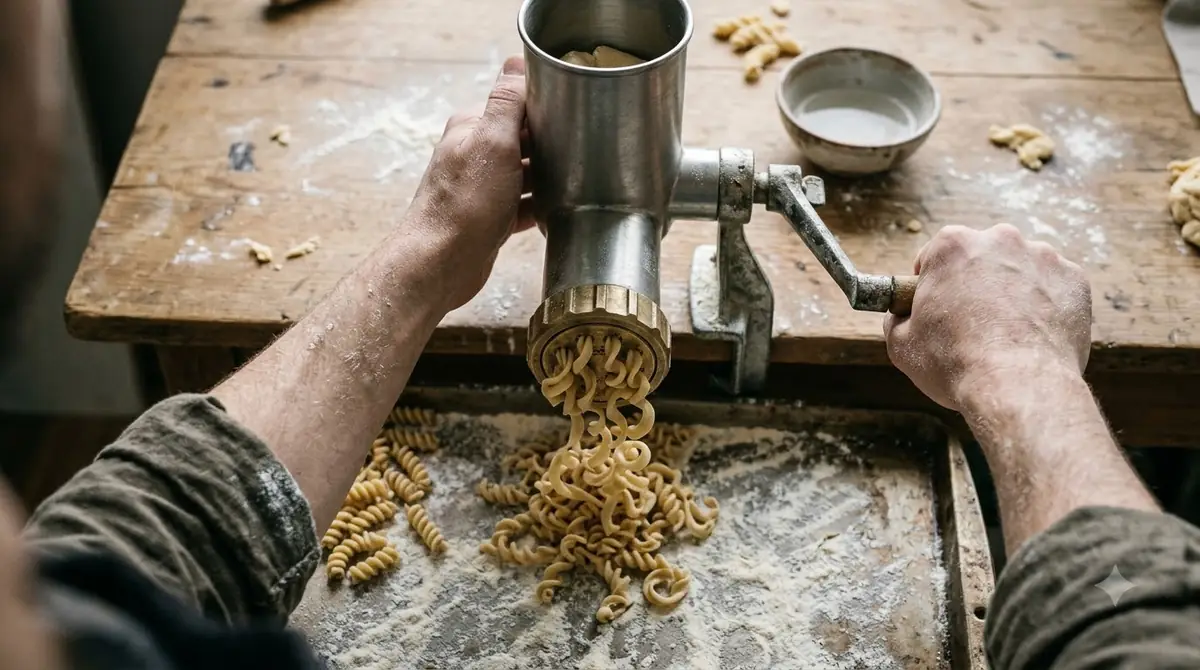

Cavatelli pasta is a small, shell-shaped pasta from Southern Italy, made from durum wheat semolina, salt and water. Its curled, hollow shape holds sauce well, so cooks often pair it with thick, chunky dishes. It is traditional in the Molise and Puglia regions, and it is simple enough to make at home with your hands.
What Is Cavatelli Pasta?
Cavatelli pasta is a small pasta shell made from semolina or other flour dough, traditionally from Molise and Puglia in Southern Italy.
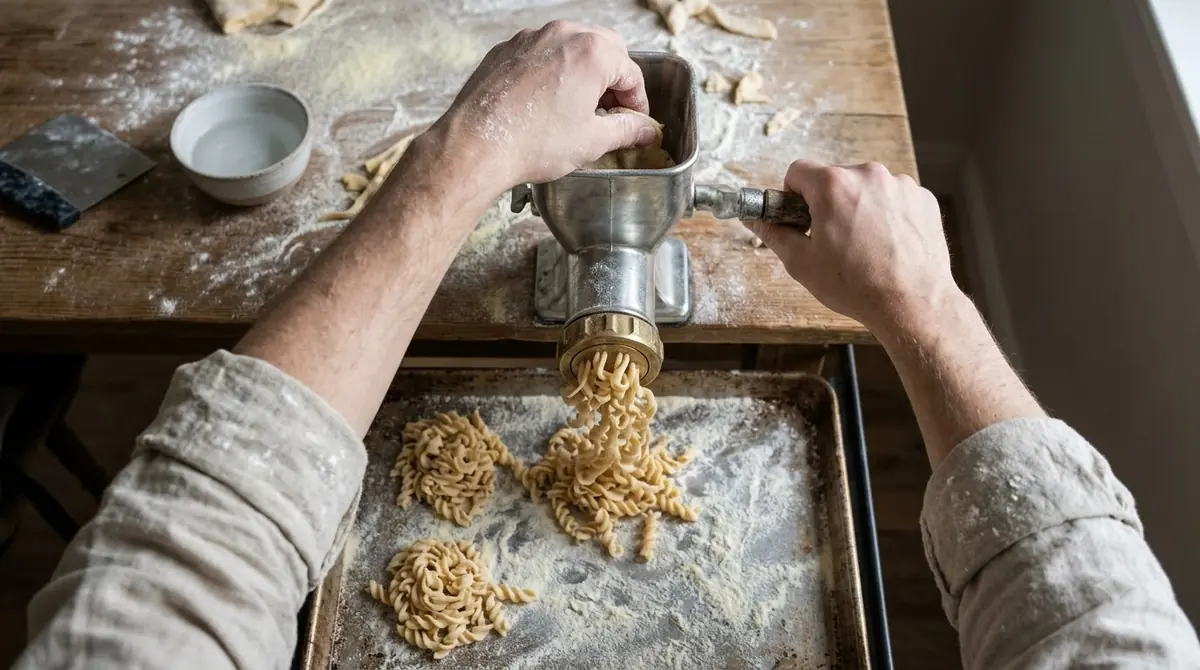
Each piece of cavatelli pasta is rolled and pressed into a small curl, which gives it a hollow cup. That cup is the reason the shape works so well with sauces that cling, such as greens with garlic or a meat ragu. The shape is not limited to one region. According to The Pasta Project’s cavatelli guide, it is a popular traditional pasta from the Molise and Puglia regions, and the shape is also traditional in Abruzzo, Campania, Basilicata, Calabria and Sicily.
Many local names exist for close variants. In Campania, a related shape called parmitieddi is rolled with three fingers of one hand instead of the single finger used for common cavatelli. Parmitieddi from Teggiano are usually served as a first course on Palm Sunday. Another Ligurian hand-twisted shape with a similar rustic look is trofie pasta, though it is rolled rather than pressed.
Cavatelli Dough Recipe: Ingredients
A basic cavatelli dough uses three ingredients: durum wheat semolina flour, salt and water.
- Durum wheat semolina flour, which forms the base of the dough.
- Salt, added to the flour for flavor.
- Water, added gradually until the dough comes together.
Fresh and dried cavatelli both typically use these three basic ingredients. The dough is adjusted by adding water or flour until it feels smooth and soft, so it is worth checking the feel of the dough rather than measuring by habit.
Some versions add extra virgin olive oil, or blend 00 flour with finely milled semolina. Ricotta cheese is another variant that goes into the dough, which gives a softer, richer bite than the plain three-ingredient version. Whichever version of cavatelli pasta you choose, the shaping method stays the same. If you want a softer texture without changing the ingredients, cooks traditionally boil the water before adding it to the flour, according to the Wikipedia entry on cavatelli.
How to Make Cavatelli by Hand
To make cavatelli by hand, divide the dough into 8 pieces, roll each one into a rope about 8 mm thick, cut it into 2 cm pieces, then press and drag each piece to curl it.
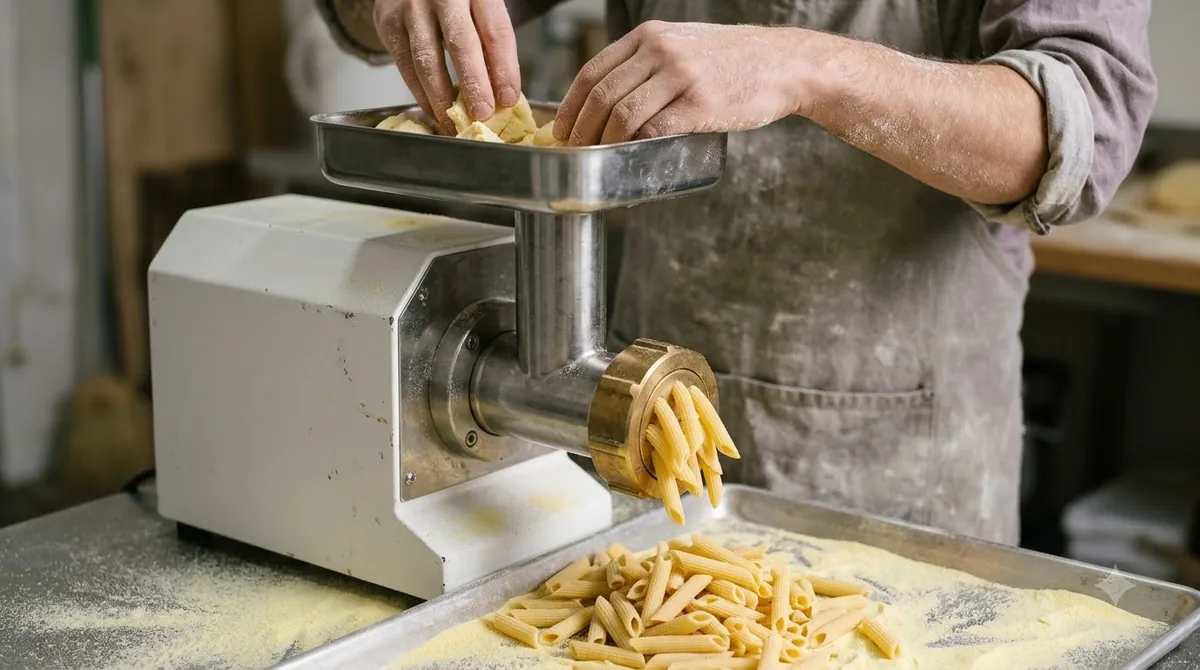
- Divide the dough into 8 pieces, and keep the rest covered while you work.
- Roll one piece into a long rope about 8 mm in diameter.
- Cut the rope into pieces about 2 cm long.
- Press each piece with the tips of your index and middle fingers.
- Pull the piece toward you so it curls into a small shell.
A gnocchi board, also used for traditional gnocchi and for a potato gnocchi recipe, can add ridges to the surface, which gives the sauce more to grip. The board is optional, and a clean work surface is enough for a first attempt. The shaping step is the main skill, and it improves quickly with practice.
The traditional Molise and Puglia method uses a different hand position. It uses the three middle fingers on pieces about 5 cm long. Either method gives you a cavatelli shape that holds sauce, so choose the one that feels comfortable.
Shaping cavatelli pasta is traditionally done by hand, much like hand-rolled strozzapreti and pici pasta, so you do not need a pasta machine to make this shape. That makes cavatelli one of the simpler homemade pastas, since the only tools needed are the dough, a board and your fingers.
How to Cook Cavatelli
Cook cavatelli pasta in boiling salted water and start checking about a minute before the package time, because fresh cavatelli are usually done when they float.
Fresh cavatelli are sometimes ready only after an extra minute of cooking once they float, so taste a piece before you drain the pot. Dried cavatelli follow the package directions, and checking one minute early helps you avoid overcooking. If you buy dried, read the package for the cooking time and start tasting a minute early.
| Type | Ingredients | How to tell it is ready |
|---|---|---|
| Fresh homemade | Semolina, salt and water | Usually done when they float, sometimes after an extra minute |
| Dried | Same basic ingredients | Start checking a minute before the package time |
| Frozen | Same basic ingredients | Needs a minute or two more than fresh |
Because cavatelli pasta is small and thick in the middle, taste one from the center of the pot before you drain, since the thickest part is the last to cook through. Drain the cavatelli when they are done, and toss them with the sauce while they are still hot so the sauce clings to each piece.
Best Sauce for Cavatelli
The best sauce for cavatelli is one that clings to the curled shape, such as broccoli rabe with garlic, a simple tomato and basil sauce, or a thick pork sausage ragu.
| Sauce | Works well for | Why it suits the shape |
|---|---|---|
| Broccoli rabe with garlic | Vegetable dishes | The small cups catch the greens and the garlicky oil |
| Tomato and basil | Simple, light dishes | A light sauce gathers in the hollow of each piece |
| Pork sausage ragu | Traditional Molise dish | A thick sauce of pork ribs, sausage and tomatoes sits inside each curl |
| Mussels or clams | Coastal seafood dishes | The hollow shape traps small shellfish and their juices |
Broccoli rabe is a classic green pairing, and cavatelli pasta is commonly cooked with garlic and broccoli or rapini. The Pasta Project also suggests tossing the pasta with sauteed greens or a simple tomato and basil sauce, and coastal dishes pair it with mussels or clams.
For a heartier dish, the traditional Molise pairing is a pork ragu with ribs, sausages and tomatoes. Heavier sauces suit the hollow shape, while a light tomato and basil sauce is the simplest everyday option.
Common Mistakes When Making Cavatelli
The most common mistake when making cavatelli pasta is rolling the rope thicker than the 8 mm used in the traditional recipe, which can leave pieces that do not curl as cleanly.
- Rolling the rope too thick, so the curl stays open.
- Cutting pieces to a different size than the recipe you follow, since the three-finger method uses pieces about 5 cm long.
- Adding flour to a dough that is sticky, when a little water is the better fix.
- Pressing too hard, which can flatten the curl you are trying to form.
Adjust the cavatelli pasta dough in small amounts. Add water a little at a time if the dough is dry, and add flour only if it is sticky. The goal is a dough that feels soft and smooth, without being wet or stiff.
Frequently Asked Questions
What is cavatelli made of?
Cavatelli pasta is made from durum wheat semolina, salt and water. Some versions add extra virgin olive oil, a blend with 00 flour, or ricotta cheese to the dough.
Is cavatelli hand-made or machine-made?
Cavatelli pasta is traditionally hand-shaped, with each piece pressed and pulled with the fingers to form a curl. The shaping does not require a pasta machine.
How long do you cook cavatelli?
Start checking a minute before the package time. Fresh cavatelli are usually done when they float, sometimes after an extra minute, and frozen cavatelli need a minute or two more.
What sauce goes best with cavatelli?
Broccoli rabe with garlic and a simple tomato and basil sauce are popular choices. For a traditional Molise dish, pork sausage ragu is the classic pairing.
Can you make cavatelli without a pasta machine?
Yes. Traditional cavatelli pasta is shaped by hand, so a pasta machine is not needed. A gnocchi board can add ridges if you want more texture on the surface.
Is homemade cavatelli worth the effort?
Homemade cavatelli pasta takes more time than dried pasta, but it needs only semolina, salt, water and your hands. It suits cooks who enjoy hands-on cooking and want to learn a traditional shape.
If you enjoy hand shaping, a batch of homemade cavatelli pasta is a satisfying project with only three ingredients. If you want the same shape quickly, buy dried cavatelli and cook it the same way, checking a minute before the package time.