
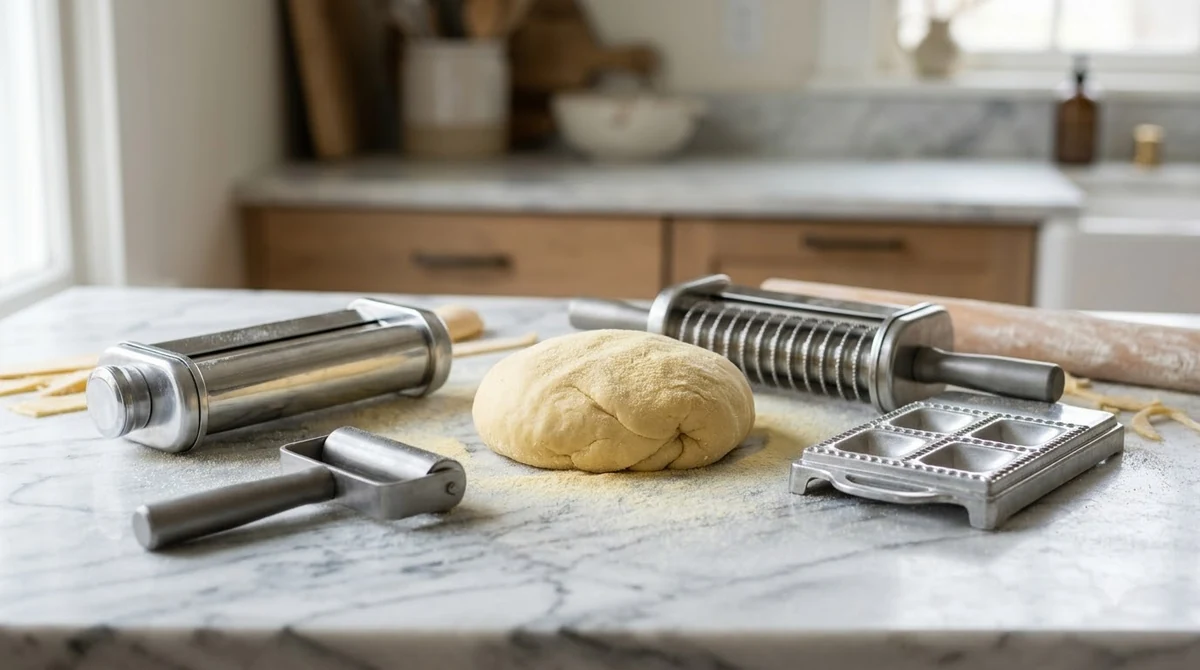

Orecchiette pasta is a small, ear-shaped pasta from Apulia in southern Italy, made from durum wheat semolina, water and salt. Its concave shape holds thick, chunky sauces well.
The name means “little ears” in Italian. You can make orecchiette pasta at home with a small knife and your thumb, and it cooks in a few minutes once shaped.
What Is Orecchiette Pasta?
Orecchiette pasta is a traditional shape from Apulia, especially around Bari, where it has been documented since at least the 12th and 13th centuries.
The name comes from orecchia, the Italian word for ear, with a diminutive suffix. Historians still debate where the shape began. Some propose a Provencal origin brought by the Angevins, but the shape is documented in Apulia from at least the 12th and 13th centuries. The Wikipedia entry on orecchiette sets out the historical record.
Each piece is a small dome, roughly one inch (2.5 cm) wide, and it is thinner in the center than at the edge. The rough outer surface helps the pasta grab thick sauces, much like the rough surface of bronze cut pasta. The dough is made from durum wheat semolina, water and salt, and eggs are rarely used. That makes the classic version naturally eggless, and it uses a coarser flour than the soft 00 flour used for egg pasta.
How to Shape Orecchiette by Hand
To shape orecchiette by hand, roll the dough into finger-thick ropes, cut small pieces, and drag each one across a board with a knife until it curls. Then turn it over your thumb to form the dome.
The traditional method takes some practice, but the steps are simple and repeat quickly once you find a rhythm.
- Roll the dough into ropes about as thick as your finger.
- Cut off a piece about the size of your thumbnail with a small knife.
- Flatten the piece across the board with the knife, cutting and spreading in one motion.
- Place the piece on your thumb and turn it inside out to form a little dome.
How to Make Orecchiette by Hand
Knead the dough for about 5 to 10 minutes until it feels firm and smooth before you start cutting. Work with a small portion at a time, so the rest of the dough stays covered and easy to handle while you shape.
Your first pieces may look uneven. That is normal, and the shape improves with practice as your thumb learns the turn. If you enjoy hand shaping, try cavatelli made from semolina and water next, or the twisted Ligurian trofie, which both use a similar eggless dough.
How to Make Homemade Orecchiette Pasta
For homemade orecchiette pasta, combine 400 g of durum wheat semolina with 100 ml of warm water, which makes enough for four to six servings.
Mix the water into the semolina until a firm dough forms, then knead it for about 5 to 10 minutes. Add a pinch of salt if you like. The ratio is roughly four parts flour to one part water by weight, so the dough will feel stiffer than fresh egg pasta dough. The Pasta Project’s orecchiette guide uses the same proportions for a home batch.
The exact amount of water can shift with humidity and the brand of semolina, so add it gradually. Stop once the dough holds together and feels firm, rather than pouring in the full amount at once.
Keep a little extra semolina nearby to dust your hands and the board. It stops the pieces from sticking as you work, and it helps when you move the finished orecchiette to a tray.
Best Sauces for Orecchiette
Broccoli rabe with garlic, anchovies and chili is the classic sauce for orecchiette, and it is the most iconic dish from Apulia. Other options work well for vegetarian and meat-based meals.
| Sauce | Why it works | Style |
|---|---|---|
| Broccoli rabe with garlic, anchovies and chili | Bitter greens and olive oil settle into the cups | Traditional, Apulian |
| Tomato sauce (al sugo) with meatballs | A thick sauce fills the hollows, and the meatballs stay with the pasta | Traditional, meat |
| Ricotta or ricotta forte | A creamy base that clings to the rough outer surface | Traditional, dairy |
| Romanesco broccoli with roasted cherry tomatoes | A vegetable option with a chunky texture | Vegetarian |
| Nduja with eggplant | A spicy pork spread that pairs with soft eggplant | Meat-based, spicy |
Outside rapini season, broccoli or cauliflower often stands in for it, so the classic flavor is still within reach. Ricotta or ricotta forte is also a traditional topping, especially in Capitanata and Salento. Grated cacioricotta cheese is the usual finish for the broccoli rabe version.
Choose thick and chunky sauces for orecchiette pasta. The rough outer surface of each piece grips them, while thin, watery sauces tend to slide off. Cook the greens or vegetables until tender before tossing them with the pasta.
How to Cook and Store Orecchiette
Cook orecchiette pasta in salted boiling water until the pieces float to the surface, then give them about two more minutes for an al dente texture.
- Bring a large pot of salted water to a boil.
- Add the pasta and stir, then wait until the pieces rise to the surface.
- Cook for about two more minutes, then taste a piece before draining.
Dried orecchiette takes longer than fresh, so follow the package directions and stir once or twice to prevent clumping. Drain the pasta and toss it with the sauce right away, while it is still hot enough to take the sauce well.
Fresh orecchiette keeps in the refrigerator for up to two days when spread on a semolina-dusted tray. For longer storage, freeze it on a tray first, then move it to a freezer bag and use it within three months. Store dried orecchiette pasta in a cool, dry place in an airtight container or its original packaging.
Frequently Asked Questions
Is orecchiette pasta vegan?
Traditional orecchiette is eggless, so the classic dough of durum wheat semolina, water and salt is usually vegan. Eggs are rarely used in the dough. Check the label on store-bought packs, since some brands may add other ingredients, and read the full ingredient list before you buy.
Can you use another pasta instead of orecchiette?
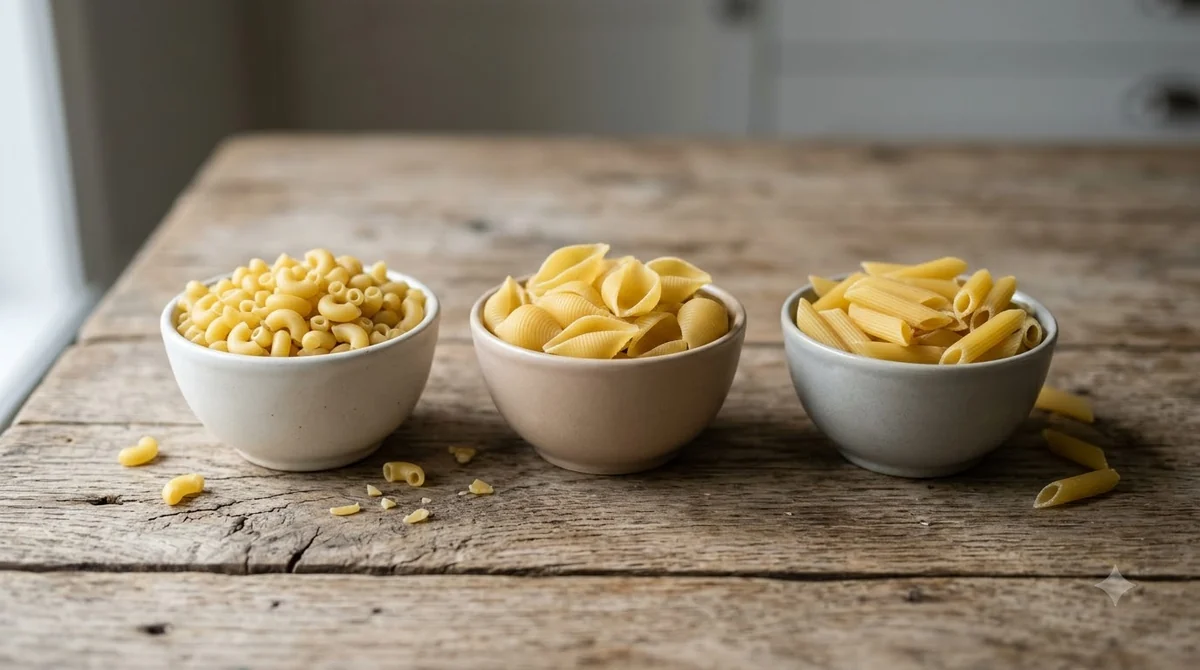
Yes, but the dome is hard to match. Conchiglie, or small pasta shells, is a shape with a similar hollow, so choose a small pasta with a cup that can hold chunky sauces. Broccoli or cauliflower can stand in for rapini outside its season, which is a vegetable swap rather than a pasta swap.
Why is it called orecchiette?
The name comes from orecchia, the Italian word for ear, with a diminutive suffix that gives the sense of little ears. Each piece of orecchiette pasta is a small dome, so the name fits. The shape is also described by its method, because each piece is dragged across the board before it is turned over the thumb.
How many servings does homemade orecchiette make?
The basic dough of 400 g durum wheat semolina and 100 ml warm water serves four to six people. For a larger group, double or triple the amounts and knead the dough in batches so it stays easy to handle. For one or two people, halve the recipe.
Do you need a special tool to make orecchiette?
No. You can shape orecchiette with a small knife and your thumb. A flat board helps keep the dough steady while you drag each piece, and a semolina-dusted tray keeps the finished pieces from sticking together. Practice with small batches first, so the motion feels natural before you shape a full portion.
How big is orecchiette pasta?
Each piece of orecchiette pasta is roughly one inch (2.5 cm) wide. It is a small dome that is thinner in the center than at the edge, with a rough outer surface that holds thick sauces.
If you are new to orecchiette pasta, start with broccoli rabe or a simple tomato sauce, since both hold well in the cups. Make a small batch first, then shape more once your thumb gets the rhythm. The first batch may look uneven, and that is normal.