
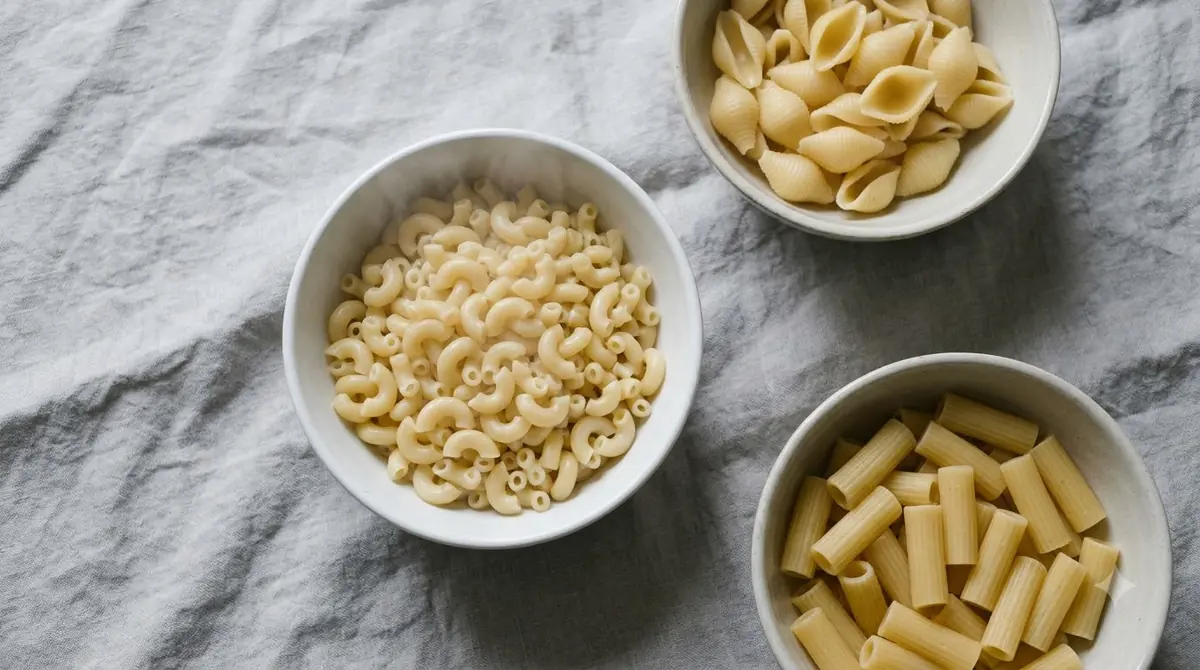

Lumache pasta is a small, ridged, shell-shaped pasta whose name means “snails” in Italian. Its curves catch sauce in every piece, which is why cooks reach for it with thick and creamy dishes. Here is what it is, where it comes from, and how to cook it well.
What Is Lumache Pasta?
Lumache is a short pasta shaped like a snail shell, with a ridged outer surface and a curved tube that narrows at one end. Descriptions agree that one end is open and the other is pinched closed. Mashed describes the shape as plump and curved, which matches DeLallo’s account of a ridged shell that narrows to a pinched tip. The name comes from the Italian word for snails, and the pronunciation is “loo-mah-chay.”
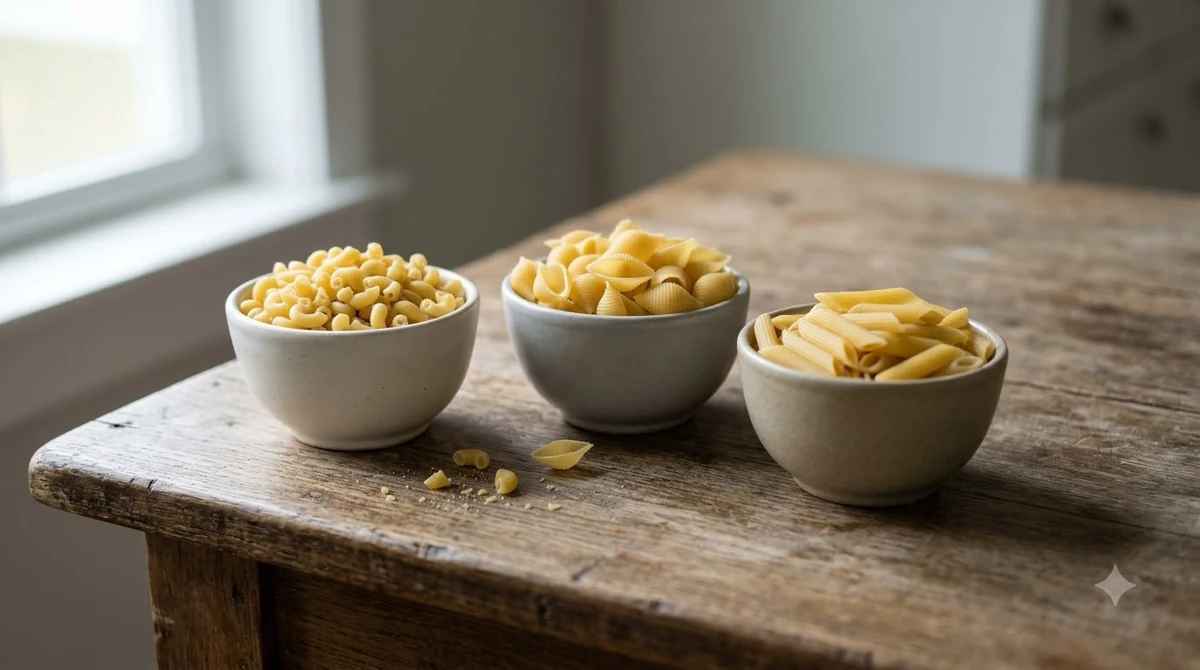
Other names overlap. The pasta is sold as shell pasta, pipe rigate or conchiglie, and DeLallo markets its version as Shellbows. The DeLallo lumache guide covers the shape and the sauces it suits.
The open end and the ridged surface are the features most often cited for why lumache pasta holds so much sauce. That is a description of the shape rather than a measured result, but it explains why the pasta suits the sauces below. Cooks who want a shell that scoops up chunks of meat or cheese will find it a practical choice. For another shape built around a hollow, compare it with plain pasta shells, or with the ridged tubes of rigatoni, which catch thick sauces in a similar way.
Lumache, Lumaconi and Lumachine: Sizes Compared
Lumache is the standard shell size, and two related shapes differ only in scale. Lumaconi is the large version and is often used in baked dishes. Lumachine is the smaller one.
| Shape | Size | Best use |
|---|---|---|
| Lumachine | Smaller than lumache | A smaller shell for lighter dishes |
| Lumache | Standard shell | Creamy, meat and pesto sauces |
| Lumaconi | Large version of lumache | Baked pasta dishes |
If a recipe names lumaconi, do not swap in lumache without checking the size, because the larger shell changes how a baked dish sets. Check the package name before you buy, since brands label the sizes differently.
Some brands sell a smaller variety under the name lumachine, which Garofalo describes as a smaller lumache pasta. Choose the size that matches the sauce and the dish, and read the package name before you buy.
Where Lumache Pasta Comes From
Lumache is most often linked to the Piedmont region of northern Italy, though its exact origin is not firmly documented. DeLallo says the pasta was first made in Piedmont, and the same region appears in other descriptions of the shape. One source gives a southern origin in the 17th or 18th century, but it cites no evidence, so Piedmont is the safer account. Piedmont is also where filled agnolotti come from, so the region has a long pasta tradition. No founding year is given here, because none is firmly documented for lumache pasta.
Ingredients and Bronze-Die Texture
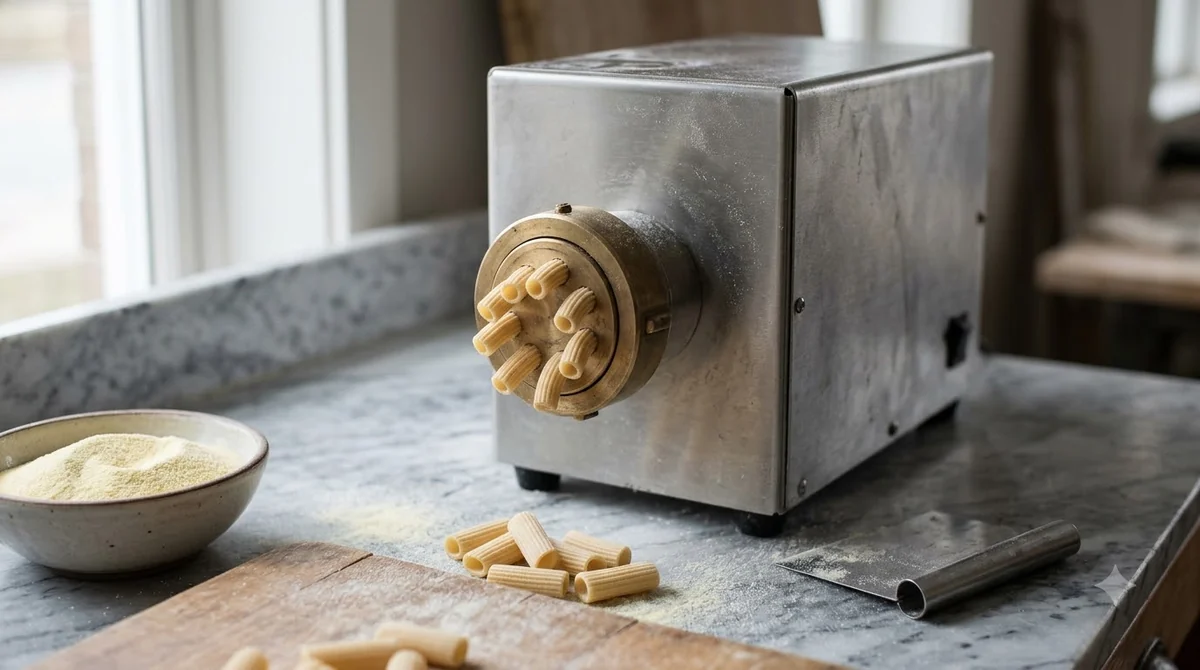
Lumache is usually made from durum wheat semolina and water, and the texture depends mostly on how it is extruded. Bronze dies give the surface a rougher finish that holds sauce better than a smooth one, according to DeLallo.
- Durum wheat semolina mixed with water, with premium brands using mineral spring water
- Bronze-die extrusion, which leaves a rough, textured surface
Check the label for the bronze-die claim, since not every brand uses it. The ingredient list is short, so the die is the main difference between brands, and premium brands also mention mineral spring water on the label. This guide to bronze cut pasta explains what that rougher surface does.
Best Sauces for Lumache Pasta
Lumache works best with thick, creamy, cheesy or meat sauces because its open end and ridges trap the sauce. Lighter sauces work as well, but the thicker ones show the shape to its full advantage.
- Cream and cheese sauces, such as a classic Alfredo finished with Parmigiano-Reggiano
- Meat ragu made with beef, pork or mushrooms
- Baked pasta dishes with a thick, cheesy sauce
- Lighter sauces, such as pesto and fresh tomato
Match the sauce to the texture rather than the size. A thin, watery sauce slides off the ridges, so reduce it a little before tossing the pasta in.
DeLallo also suggests fresh tomato sauce for lumache, so a simple homemade tomato sauce is a good everyday match. Pair the shape with a sauce that has body, such as a meat ragu or a cheese sauce, when you want the pasta to carry the dish.
How to Cook Lumache Pasta
Cook lumache in well-salted boiling water for the time printed on the package, which varies by brand. Brand pages differ by a few minutes: DeLallo’s instructions say about 11 minutes, its fast facts say 12 to 13 minutes, and a retailer listing says 9 to 11 minutes. The package time is the one to follow.
- Bring a large pot of water to a boil and add about 2 tablespoons of salt for every 5 quarts.
- Add the lumache and stir once so the shells do not stick together.
- Cook for the package time, and start tasting one minute before the shortest listed time.
- Reserve about a cup of the starchy pasta water before you drain.
- Move the pasta into the sauce over high heat for about 2 minutes, adding pasta water to loosen it.
The finishing step matters most. Pasta that cooks in the sauce absorbs flavor, while pasta that sits on top of it stays plain. The starchy water you saved helps the sauce cling to the ridges, so add it a splash at a time until the sauce coats every shell.
Lumache is a dry pasta, so give it a full pot of water and room to move. Crowded shells stick together and cook unevenly, which makes the finished dish harder to toss well.
Substitutes When You Cannot Find Lumache
Conchiglie is the closest substitute because it has a similar shell shape, and orecchiette can stand in but holds sauce less well. Lumaconi is the better choice for large baked dishes.
- Conchiglie: a similar shell shape and the best swap for most sauces
- Orecchiette: a workable stand-in, though it holds sauce less well
- Lumaconi: the large shell for baked dishes
Orecchiette is a common stand-in because it is a small, cupped shape, though DeLallo notes that it will not capture sauce as well as lumache pasta does. Choose it for a quick swap and expect the sauce to sit a little more on the surface. For a different shape with a raised surface pattern, see how corzetti pasta is stamped and served.
Frequently Asked Questions
Is lumache pasta the same as shell pasta?
Yes, lumache is commonly sold as shell pasta, and some brands label it conchiglie or Shellbows. Shapes can vary slightly between brands, so check the package for the exact size and shape.
What is the difference between lumache and lumaconi?
Lumaconi is the large version of lumache and is often used in baked dishes. Lumache is the standard size and suits most everyday sauces.
What does lumache mean in Italian?
Lumache means snails in Italian. The name refers to the snail-shell shape of the pasta.
How long does lumache pasta take to cook?
Cooking time depends on the brand, and brand pages differ by a few minutes, so follow the package. Start tasting one minute before the shortest time listed on the package.
Can I use lumache pasta in baked dishes?
Yes, lumache holds cheesy and thick sauces well, so it works in baked dishes. Many cooks prefer lumaconi for large baked shells because it keeps its size.
Is lumache pasta made with eggs?
No, standard lumache pasta is made from durum wheat semolina and water, with no eggs listed in the ingredients. Check the label of any egg-based or specialty version, since ingredient lists differ by brand.
Is lumache the same as conchiglie?
They are close but not always identical. Lumache is sometimes sold under the names shell pasta, pipe rigate or conchiglie, so the label is the best guide to the exact size and shape.
What sauce goes best with lumache pasta?
Thick, creamy and meat sauces suit lumache best, such as Alfredo or a beef ragu. Pesto and fresh tomato sauce also work well.
Choose lumache pasta when your sauce is thick, creamy or meaty and needs a shape that catches it. If the store does not carry it, conchiglie is the simplest swap, and you can cook it the same way.