
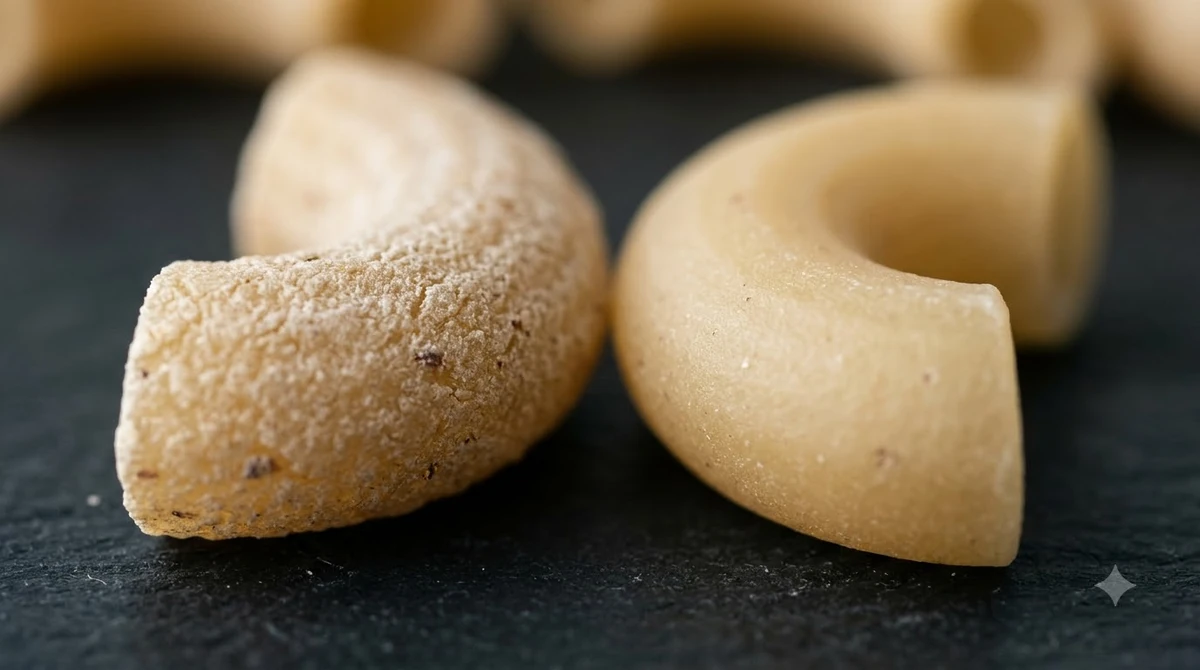

Torchio pasta is a curved, smooth-edged short pasta that holds sauce well. The name also refers to a hand press used to shape pasta, and the shape is often described as a smooth-edged version of campanelle. Egg and dry versions both exist, so the label matters more than the name.
What Does Torchio Pasta Look Like?
Torchio pasta is a curved, cup-shaped piece with a wide opening at one end and a narrower end at the other, and it is sold with either a ridged or a smooth surface.
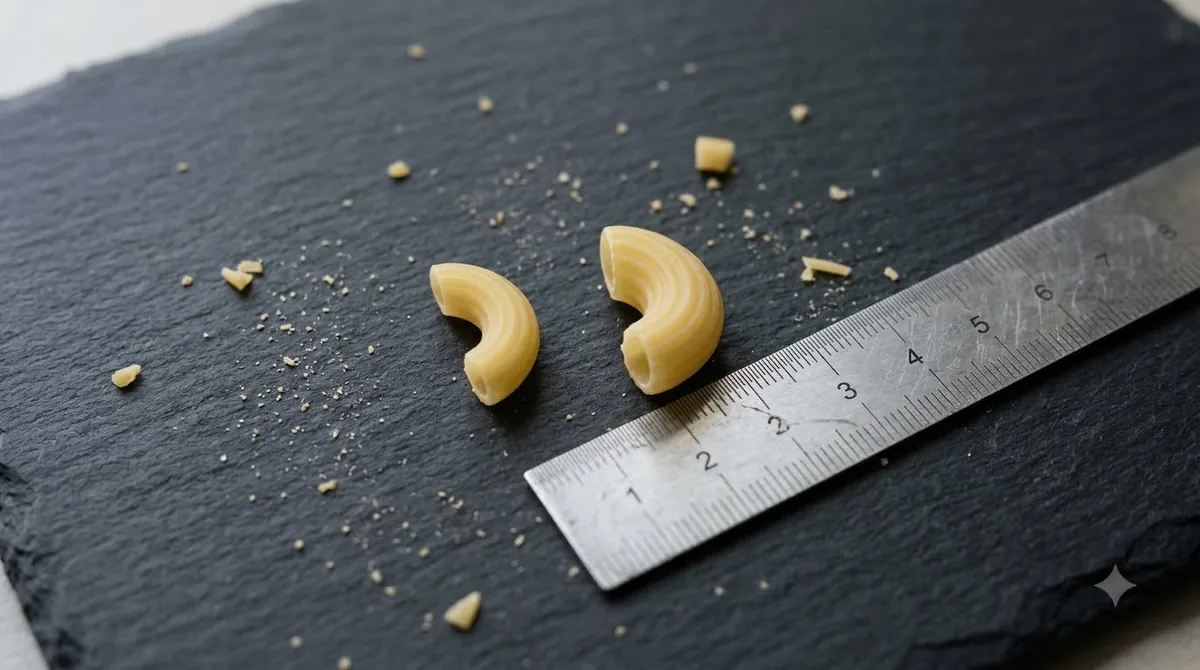
The Pasta Project, a pasta blog, describes the shape as similar in structure and use to campanelle or gigli, but without the ruffled edges. Many people also call it torch pasta, and the same blog calls it an attractive alternative to tubes such as penne pasta or rigatoni. The Pasta Project’s torchio guide covers the shape in more detail.
The wide opening is the feature most cooks notice first. The same blog says the shape is designed to catch and cup sauce, which is the author’s view of the design rather than a measured result. If you want a shape that gathers thick sauce in the cup, torchio fits that goal.
The name campanelle means bellflower, according to Wikipedia, and torchio follows the same bell-like outline, only with a smooth rim. When you hold a piece, the body curves like a small flattened bell, which is why the shape reads as a cup rather than a tube.
Torchio Pasta and Campanelle: The Key Difference
Torchio pasta and campanelle share a flattened, bell-like shape, and the main difference is the edge. Campanelle has a frilly edge on one end, while torchio has a smooth edge, according to the entry for campanelle in Wikipedia’s list of pasta shapes.
| Feature | Torchio pasta | Campanelle |
|---|---|---|
| Edge | Smooth (sold ridged or smooth) | Frilly, ruffled |
| Basic shape | Curved cup with a wide and a narrow opening | Flattened bell shape |
Because the body is so similar, a cook choosing between the two is mostly choosing texture at the rim. The ruffled campanelle edge catches a little more sauce on its surface, while the smooth torchio edge gives a cleaner bite. Neither is more authentic; the choice depends on the sauce and the look you want.
Wikipedia lists the entry as campanelle or torchio, with gigli among the synonyms, and says the two are identical except for the smooth edge on torchio. That shared entry is one reason the two shapes get mixed up on shelves.
Is Torchio Pasta Made with Eggs or Is It Dry?
Torchio pasta can be either, and the sources disagree. The Pasta Project says torchio is usually an egg pasta, while at least one producer sells a dry version.
Retailer listings describe that dry version as air dried at a low temperature, but they give different drying times and no official hours, so treat the details as retailer descriptions rather than the producer’s technical specifications.
For a home cook the practical point is simple: egg torchio tends to feel softer and richer, while dry torchio cooks more like everyday dried pasta. Read the ingredient list before you buy, because the same name can cover both versions. The rest of the package details, including the cooking time, are the best guide for the exact version you have.
Where the Torchio Name Comes From
Torchio is the Italian word for a press, and the same word names the tool that forces dough through a shaped die. According to the Wikipedia entry on the list of pasta shapes, the word also covers presses used for olives and grapes, not only pasta.
For pasta, the press is closely linked to bigoli from Veneto, where it is also called the bigolaro. Wikipedia attributes a 1604 patent for a bigoli press to Bartolomio Veronese, known as Abbondanza, and says bigoli are extruded through a bigolaro, so treat the date as a claim rather than a proven fact. Wikipedia’s bigoli article covers the press history in more detail.
The bigoli article also explains how the dough has changed; for the shape itself, see bigoli pasta. The original dough was made with buckwheat flour, while the modern version more often uses whole-wheat flour, and sometimes duck eggs. The same article says bigoli is served with meat-based or fish-based sauces, and that fish versions typically use salted sardines. That is a useful contrast: the press is the same family of tool, but the shape and sauce pairing are not identical.
Which Sauces Suit Torchio Pasta?
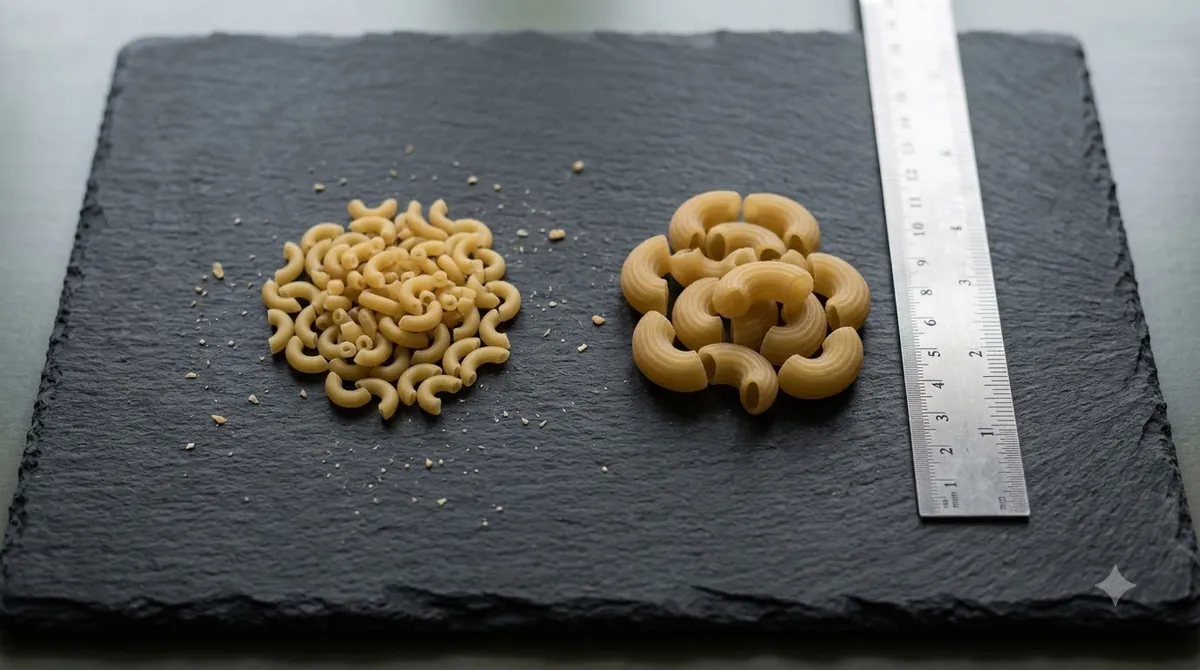
Torchio pasta works best with sauces that can get inside the cup, such as ragù, creamy sauces and tomato-based sauces. The Pasta Project author gives these as the sauces that suit the shape, along with baked pasta dishes.
- Ragù with ground meat, which clings inside the opening.
- Creamy sauces, which settle into the cup.
- Tomato-based sauces with some body.
- Baked pasta dishes, where the cup holds cheese and filling.
The same author used a Caprese-style recipe as an example and noted that the shape can replace penne or rigatoni in many recipes. Thin, watery sauces are likely a poor fit, since they would run out of the cup before the pasta is served. The sources do not publish a cooking time for torchio, so follow the package for the version you buy. A practical habit is to start tasting a minute or two before the package time ends, since an egg version and a dry version can cook at different speeds, and to drain the pasta as soon as it is tender but still has some bite.
Heavier sauces make the most of the cup, because the sauce settles inside the opening instead of running off the surface. A light olive oil dressing or a thin broth gives the shape less to hold, so the pasta tends to taste plainer. Match the sauce to the shape, not only to the pasta name.
The Pasta Project author posted an alla Caprese recipe first for this shape, which shows that a fresh tomato sauce also works. The author also says the pasta can go into baked dishes, so leftovers of a rich sauce can be folded in and baked.
If you cannot find torchio, the closest stand-ins are campanelle and gigli, which Wikipedia lists as synonyms for the same shape with a frilly edge. Penne and rigatoni also work in many recipes, though they are tubes without the cup. Wide ring shapes such as calamarata pasta also catch chunky sauce, though they are rings rather than cups.
How to Choose Torchio Pasta at the Store
Check three things on the label before you buy: whether it is egg or dry, whether the surface is ridged or smooth, and how it was dried. These are the points the sources cover, so they are the safest basis for a choice. If the package shows only flour and water, you have a dry torchio pasta; if eggs appear in the ingredient list, expect the richer egg style the blog describes as the usual form.
- Egg or dry: the ingredient list shows which one you have.
- Ridged or smooth: pick ridged if you want more grip for chunky sauce.
- Drying method: a low-temperature description is common on dry premium brands.
This advice covers only what the sources state. Brand-specific details, such as exact drying times or die type, should be checked on each producer’s own label or website.
The Pasta Project notes that most Southern Italian pasta is made with flour and water and no egg. Because torchio is more often linked to Northern and Central Italy, an egg version fits the regional pattern the blog describes. That is a guide, not a rule, so the label still decides what you are buying. Another egg pasta from Emilia-Romagna is maltagliati pasta, cut from irregular scraps of rolled dough.
Frequently Asked Questions
Is torchio pasta the same as campanelle?
No, they are close relatives with a similar bell-like body. The main difference is the edge: campanelle is frilly, while torchio is smooth. Choose by the sauce and the look you want.
What does torchio mean?
Torchio is the Italian word for a press. The same word is used for the tool that pushes dough through a die, and it is linked to the pasta press used in Veneto.
Is torchio pasta egg pasta?
Sometimes. The Pasta Project says it is usually an egg pasta, but a producer also sells a dry version. Check the ingredient list on the package.
Is torchio pasta ridged or smooth?
Both are sold. The Pasta Project describes torchio as sold ridged or smooth, and the Wikipedia entry describes the smooth-edged form. Look at the product description for the surface type.
Where is torchio pasta from?
It is more common in Northern and Central Italy, especially Emilia-Romagna, according to The Pasta Project. Its exact origin is unclear, and the same blog says it could not find much information about where the shape started.
If you want a shape that holds rich, chunky sauce, torchio is worth trying. Read the label for egg or dry and the drying method first, then follow the package for cooking time, because the sources do not publish one.