
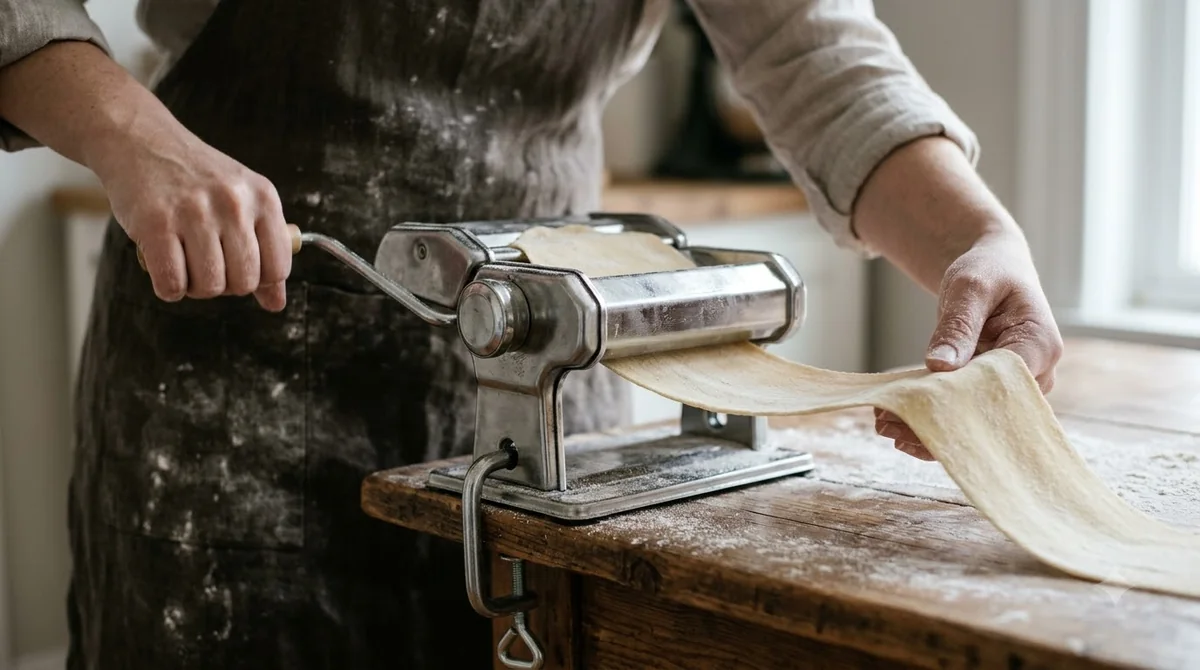

Maltagliati pasta is a flat, irregular egg pasta from Emilia-Romagna, Italy. The name means “badly cut,” and each piece is a leftover scrap of rolled dough with its own size and shape.
Maltagliati pasta is simple and inexpensive to make at home. Its rough edges catch broth and sauce, which is why it works best in soups, bean dishes and meaty ragu rather than in delicate sauces.
What Is Maltagliati Pasta?
Maltagliati is an egg pasta from Emilia-Romagna whose name means “badly cut” in Italian. According to the Emilia-Romagna tourism board, the pasta comes from this northern Italian region, and the name describes how the pieces are cut. The shape is casual by design, so no two pieces match.
Milk Street describes maltagliati as flat and wide like tagliatelle or pappardelle pasta, but shorter. Because the pieces are cut from scraps, the pasta asks for less precision than most shaped pasta, and it rewards generous sauces and a little patience. It is usually cooked in a pot of beans or a rich sauce, which is also how the regional recipe uses it.
Handmade maltagliati from Emilia-Romagna is recognized as a traditional regional product, known as a P.A.T. (prodotto agroalimentare tradizionale), according to Tasting Table. Mass-produced versions are different. They are usually cut into neat diamonds, which keeps the shape but loses the irregularity that gives the pasta its name.
Where the Irregular Shape Comes From
Maltagliati started as the edge scraps left after cutting tagliatelle or ravioli sheets, so cooks rerolled and cut the leftover dough roughly, much as cooks do with trimmings from homemade ravioli. The pasta was a way to avoid waste in the kitchen, and that same habit explains why maltagliati pasta is still made from trimmings rather than from a separate dough. Another hand-cut shape from the south is scialatielli pasta.
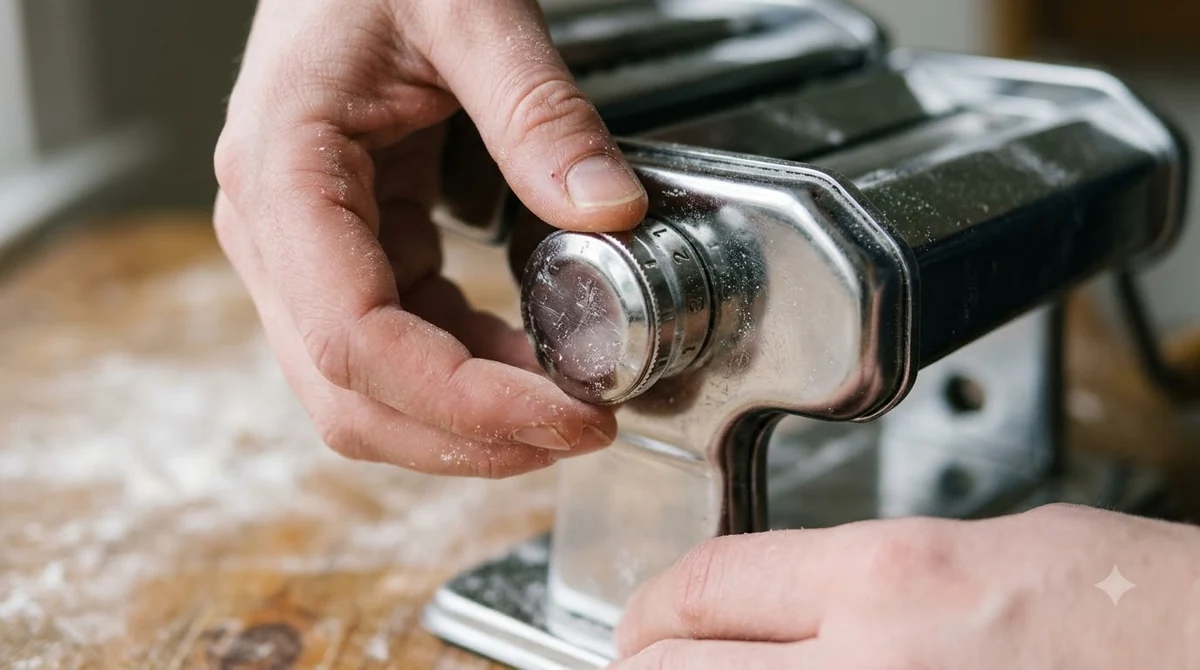
When you cut tagliatelle, the sheet of dough gives off uneven trimmings. The edges are thicker in some places and thinner in others, and they are too small to use as neat ribbons. Rather than throw them out, cooks gathered the scraps, pressed them back into a sheet and cut them into rough pieces. Milk Street describes the same habit, with scraps from ravioli and other shapes added to the pile.
This is why the name matters for maltagliati pasta. “Badly cut” does not mean a mistake. It describes the casual way the dough was cut, which is part of its character. Cooks can cut it by hand with a knife or a pasta roller, and each piece comes out a little different.
How Maltagliati Differ From Tagliatelle
Tagliatelle are cut into even, long ribbons, while maltagliati pasta is made from the uneven leftovers, so each piece varies in width and length. Many sources describe maltagliati as a relative of tagliatelle pasta, made from the same egg dough.
| Feature | Tagliatelle | Maltagliati |
|---|---|---|
| How it is cut | Even, planned cuts into long ribbons | Rough cuts from leftover scraps |
| Shape | Long, flat strands of equal width | Short, flat pieces that differ in size |
| Eating | Long ribbons | Shorter, so easier to spear and toss with sauce |
Milk Street notes that because maltagliati is shorter than tagliatelle, it is easier to spear and toss with sauce. That is useful in a brothy dish, where short pieces are simple to scoop up with a spoon.
The comparison matters when you shop or plan a meal. If a recipe calls for tagliatelle and you only have maltagliati pasta, the swap works best in a soup or a chunky sauce, where the irregular shape is an advantage rather than a visual mismatch. In a smooth butter or cream sauce, the uneven pieces show more.
How to Make Maltagliati Pasta at Home
A basic maltagliati dough uses 300 grams of flour and 3 eggs, and it should rest for about 30 minutes before you roll it out. The regional tourism board gives this recipe for a batch that serves six, and it kneads the dough for about ten minutes.
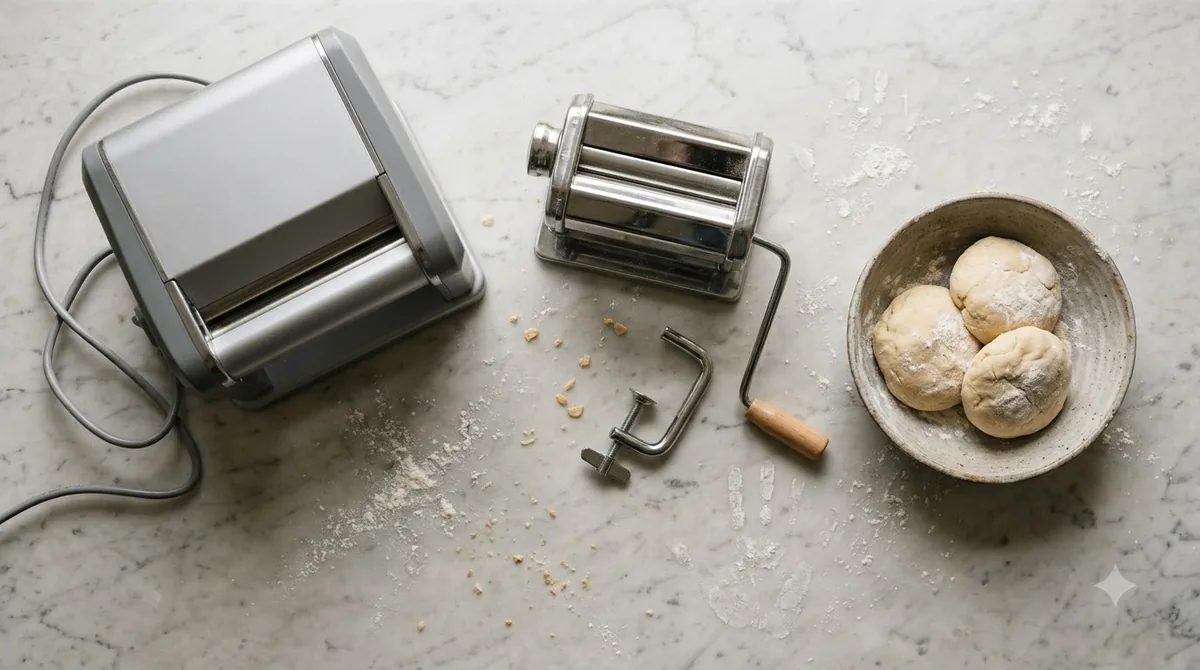
- Mix 300 grams of flour with a pinch of salt on a clean counter, then add the 3 eggs and work them into a dough.
- Add a small splash of water, about two tablespoons at most, only if the dough turns hard. Knead for about ten minutes until smooth.
- Let the dough rest for about 30 minutes before rolling it into thin sheets by hand or with a pasta machine.
- Cut the sheets roughly into irregular pieces with a knife, or use a fluted pasta cutter for diamond shapes.
- Let the cut pieces rest for some hours before cooking, as the regional recipe suggests.
The traditional way to cook maltagliati is in a bean soup. The regional recipe simmers 300 grams of dried beans, soaked the night before, or 1 kilogram of fresh beans, in about two liters of lightly salted water with a soffritto of half an onion, two garlic cloves, a carrot and a celery stalk, plus 50 grams of bacon. The pasta goes in only after the beans are cooked, and it needs just a few minutes in the pot, so taste early.
Flour choice also matters for a sturdy result when you make maltagliati pasta at home. One chef’s version blends pasta flour, all-purpose flour and semola rimacinata, a durum flour, which she says gives a dough that is sturdy yet still thin enough to roll out.
Best Sauces and Dishes for Maltagliati
Maltagliati suits bean soup, meat ragu and pesto because its irregular edges hold broth and sauce. Choose a dish with enough liquid or texture to coat the pieces. A plain butter sauce with a light grating of cheese is a poor match, because the pieces stay separate and the sauce pools in the pan. Soups, ragu and pesto give maltagliati pasta the texture it was shaped for. Another Romagna pasta served in broth is passatelli pasta, made from breadcrumbs, Parmigiano and eggs.
- Pasta e fagioli, the classic bean soup where the pieces soak up the broth.
- Meaty ragu, which clings to the uneven edges.
- Pesto, which coats the flat pieces evenly.
- Tomato sugo, or a version served in bianco without tomato.
- Minestrone-style soups and vegetable sauces.
For a deeper look at how the shape is cut and used, read Milk Street’s guide to cutting pasta badly. The article covers the scrap origin, the cutting tools and the soups that suit the pasta best.
Frequently Asked Questions
What does maltagliati mean?
Maltagliati means “badly cut” in Italian. The name describes the uneven pieces that come from trimming leftover pasta dough, not a fault in the dough itself. Anyone searching for maltagliati pasta meaning is usually asking about this casual cutting method. The regional recipe describes the pieces as the extra dough, usually the edges, left over from cutting tagliatelle.
Is maltagliati the same as tagliatelle?
No, but they come from the same egg dough. Tagliatelle are long, even ribbons cut from a sheet. Maltagliati are the irregular scraps left over, so they are shorter, flat and different in size. Many sources describe maltagliati as a relative of tagliatelle.
How long does maltagliati take to cook?
The regional recipe does not give an exact cooking time in minutes for maltagliati pasta. It says the pieces need only a few minutes once they go into the simmering beans. Start tasting early, and drain them as soon as they are tender so they keep their texture in the soup.
Can you buy maltagliati dried?
The sources used for this guide describe the fresh, handmade form, so they do not cover dried packs. Check the label of any store-bought product for its cooking instructions, since fresh and dried pasta cook differently.
Which flour works best for maltagliati pasta?
The base recipe uses flour and eggs, and a chef’s version adds semola rimacinata for a sturdier dough. A dough that is too stiff is hard to roll thin, so add water only a splash at a time until the dough comes together smoothly.
Choose maltagliati pasta when you want a rustic soup or a sauce that clings to irregular pieces, and skip it for smooth, thin sauces. If you make it at home, give the dough its rest and let the cut pieces rest before cooking, since both affect how the pasta holds up in the pot. For the basic egg dough, see this fresh pasta dough recipe.