
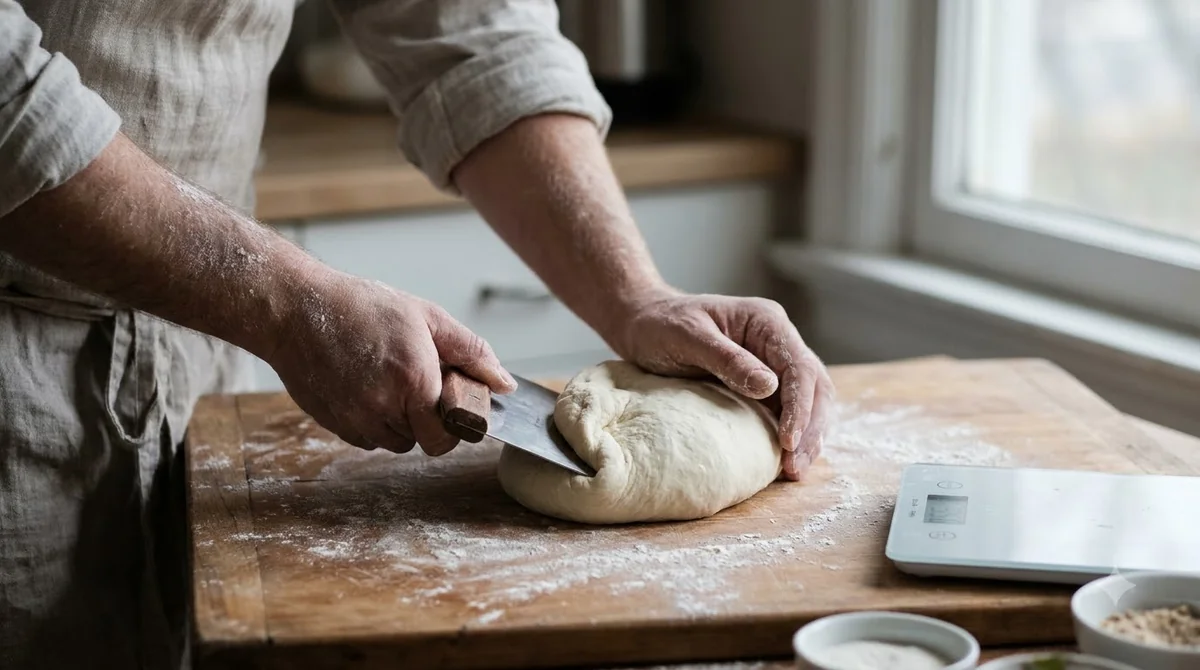

Pizza dough not rising is usually caused by dead or weak yeast, water that is too hot or too cold, or dough that is still too cold to ferment. Most of these problems can be found with a few simple checks before you throw the dough away.
Pizza dough not rising after a few hours is not always a lost cause. The right fix depends on which cause you find, so start with the yeast and the water.
Why Is My Pizza Dough Not Rising? Start With the Usual Suspects
Most stalled pizza dough comes from yeast, water temperature, cold conditions or too little time. Check those four in that order before you change the recipe.
Yeast is a living organism. It needs warmth, food and time to make the gas that lifts the dough, and when one of those is missing the dough looks flat even though the recipe is fine. Pequod’s Pizza, which publishes a dough troubleshooting guide, notes that homemade dough needs more yeast than some other bread recipes, and that a cold kitchen needs even more. That makes pizza dough less forgiving than many other breads, so a small mistake shows up quickly.
When you ask why pizza dough not rising keeps happening, work through the same short list every time:
- Test the yeast in warm water with a little sugar.
- Check that the water was warm, not hot and not ice cold.
- Look at where the dough is resting and how cold that spot is.
- Review the salt amount and how long you kneaded.
- Give the dough more time before you decide it has failed.
How Can You Tell Whether the Yeast Is Still Alive?
Mix one teaspoon of yeast with one teaspoon of sugar in warm water. If the mixture foams after about 10 minutes, the yeast is alive, so pizza dough not rising has another cause.
Pequod’s Pizza lists old or dead yeast among the main reasons for pizza dough not rising, and recommends this test to check it. Yeast does not last forever, and Pequod’s notes that fresh yeast keeps for a matter of weeks. A packet that has been open for a long time is a likely suspect.
If the foam is weak or never appears, pizza dough not rising is most likely a yeast problem, so do not blame the flour yet. Replace the yeast, make a small test batch with the fresh packet, and keep everything else the same so you can see the difference. If the new yeast foams and the dough still will not rise, the cause is probably the water, the salt or the kneading.
Water That Is Too Hot Can Kill the Yeast
America’s Test Kitchen found that 130°F (54°C) water stunts rise, and it describes the range where yeast dies rapidly as 130°F to 140°F (54°C to 60°C).
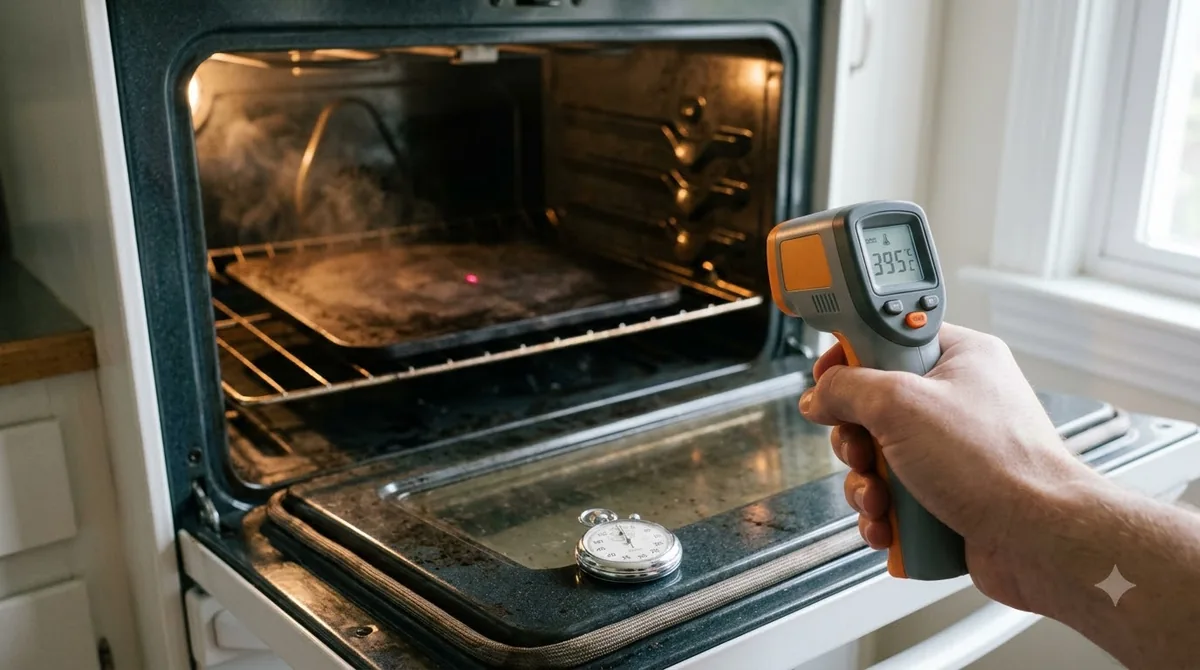
The water you mix in matters as much as the yeast when pizza dough not rising is the problem. In its article on hot water and yeast, America’s Test Kitchen says that some manufacturers recommend water between 120°F and 130°F (49°C to 54°C) for bread doughs, and then questions that advice. The recipes in its own tests used water that never went above 110°F (43°C). For pizza dough, it makes sense to stay well below the upper end of that range.
Water that is too cold causes the opposite problem. Cold water slows the yeast, so a dough mixed with very cold or ice water can sit almost still for a long time. Pequod’s describes lukewarm tap water as generally fine, which is a good target for most home kitchens. If you are unsure, use a thermometer rather than guessing by feel.
Pizza Dough Not Rising in the Fridge? Cold Slows Fermentation
Pizza dough not rising in a cold kitchen or the fridge is often just slow by design, so little change in the first hours is normal and does not prove the yeast is dead.
Cold fermentation is a deliberate technique. Cooler temperatures slow the yeast down, which gives the dough a longer, more relaxed rise and a more developed flavor. The trade-off is that you cannot judge the dough by the clock alone. A dough that doubled in about two hours on a warm counter may need far longer in a cool room or in the fridge, so compare it against the temperature of the room rather than against the time in your recipe.
Dough can also stay colder than the air around it for a while after it comes out of the fridge. Many home bakers report that a cold dough looks flat right after it is taken out, then starts to puff once it has had time to warm. Let the dough rest at room temperature before you shape it, and watch for a change in size before deciding it has failed.
Do not add a large amount of yeast to fix a temperature problem, because the temperature is still the limiting factor. If you plan to freeze dough instead, read can you freeze pizza dough first.
Salt, Flour and Kneading Can Also Stop the Rise
Too much salt can kill yeast, and dough that has not been kneaded long enough may not trap enough gas, so weigh the salt and knead until the dough is smooth and springy.
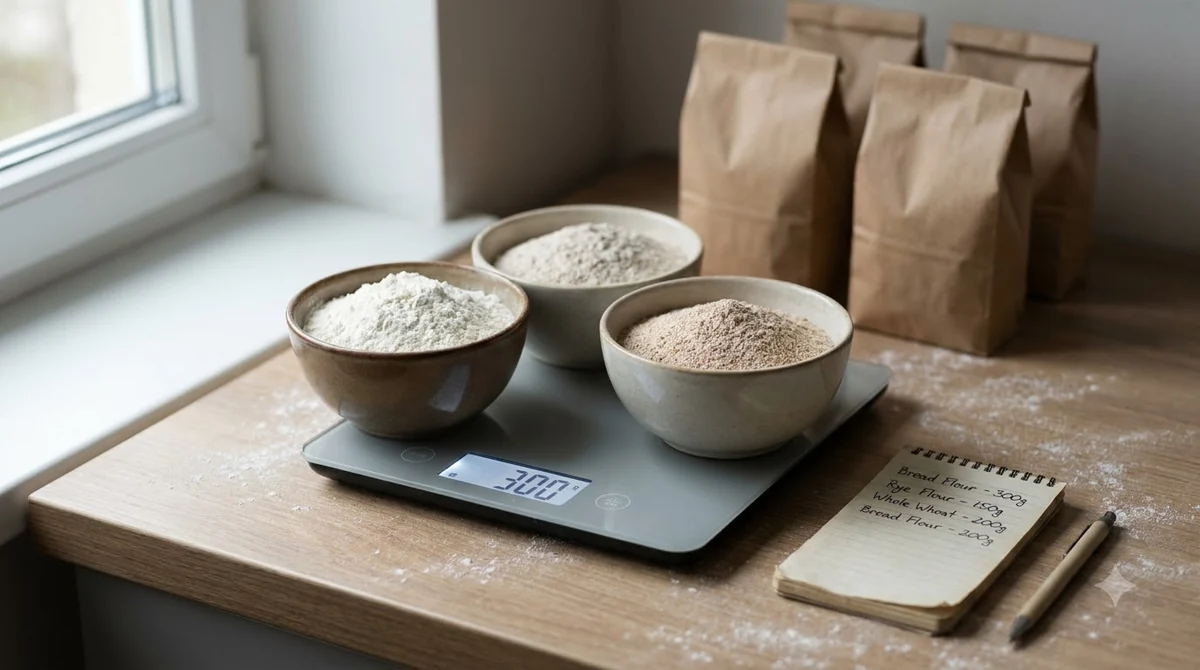
Salt controls how fast yeast works, so for pizza dough not rising the amount matters. Pequod’s Pizza warns that excess salt can kill yeast but does not give a specific amount. The safe habit is to follow the recipe closely and to weigh salt on a kitchen scale rather than measuring it by eye. A scale is more consistent than spoons, and it is the easiest way to catch an extra pinch that could slow the whole batch.
Kneading builds the gluten network that holds the gas inside the dough, and skipping it is another cause of pizza dough not rising. Pequod’s suggests kneading for 15 minutes or longer when a dough is weak. Dough that has been kneaded too briefly often does not hold its gas well. Work the dough until it is smooth, elastic and no longer sticky, then let it rest. If you would rather skip kneading altogether, no knead pizza dough relies on a long rest instead.
Water quality can matter too. Pequod’s notes that hard water or water with added chemicals may interfere with yeast, and it suggests bottled water in that case, as long as the bottled water is not too cold.
- Weigh the salt and flour instead of measuring by volume.
- Knead until the dough is smooth and springy, which can take 15 minutes or longer.
- Use bottled water if your tap water is hard or treated heavily.
How to Rescue Pizza Dough That Has Not Risen
Pizza dough not rising yet is often just slow, and it may need a couple of hours more at a warm, draft-free spot before you decide it has failed.
Pequod’s Pizza says that fast-rising dough may need to sit for a couple of hours, and its expected rise is within two hours for its dough. If pizza dough not rising still shows after the time in the recipe, give it more time before you change anything else. Keep the bowl covered so the surface does not dry out and form a skin that slows the rise. Once the dough has risen, our guides on how long to proof pizza dough and overproofed pizza dough explain how to judge the next stage.
If you need a warmer spot, Pequod’s describes one method: place the wrapped dough on the middle rack of an oven that is switched off, with a cup of water boiling on the rack below. Do not turn the oven on with the dough inside, and check the dough regularly.
- Cover the dough and give it at least another couple of hours in a warm spot.
- If it stays flat, test the yeast with warm water and sugar.
- If the yeast foams, check the water temperature and the salt amount for the next batch.
- If the yeast does not foam, replace it and start a fresh dough.
Adding more yeast to a dough that is too cold or too hot will not solve the real problem, because the temperature still stops the yeast from working. For pizza dough not rising, fix the temperature first, then adjust the yeast only if the test shows that it is weak. Once the dough does rise but rips when you stretch it, pizza dough tearing covers the usual causes and fixes.
Frequently Asked Questions
Can I still bake pizza dough that did not rise?
Often yes, if the dough shows some life. Give it more time at room temperature, then shape it gently. A dough that rose only a little will usually bake into a flatter, denser crust, so set your expectations accordingly.
How long should pizza dough take to rise?
Pequod’s Pizza expects its dough to rise within two hours and says fast-rising dough may need a couple of hours. Cold fermentation takes much longer, so follow the timing in your own recipe and judge the dough by its size and feel.
Why is my pizza dough not rising in the fridge?
Cold slows yeast, so pizza dough not rising in the fridge changes slowly and may look flat for a long time. Let it warm at room temperature before you decide it has failed, and check the yeast if there is still no change.
Can too much salt stop pizza dough from rising?
Yes. For pizza dough not rising caused by salt, Pequod’s Pizza warns that excess salt can kill yeast, although it does not give an exact amount. Weigh the salt rather than measuring it by eye, and follow the recipe closely.
Is tap water fine for pizza dough?
Lukewarm tap water is generally fine, according to Pequod’s Pizza. If your tap water is hard or has added chemicals, bottled water that is not too cold may give better results.
Start with the yeast test, then check the water temperature and the resting spot before you change the recipe for pizza dough not rising. Write down the water temperature, the room temperature and the rise time for each batch, so the next dough tells you what went wrong. For a full start-to-finish method, see how to make pizza at home.