
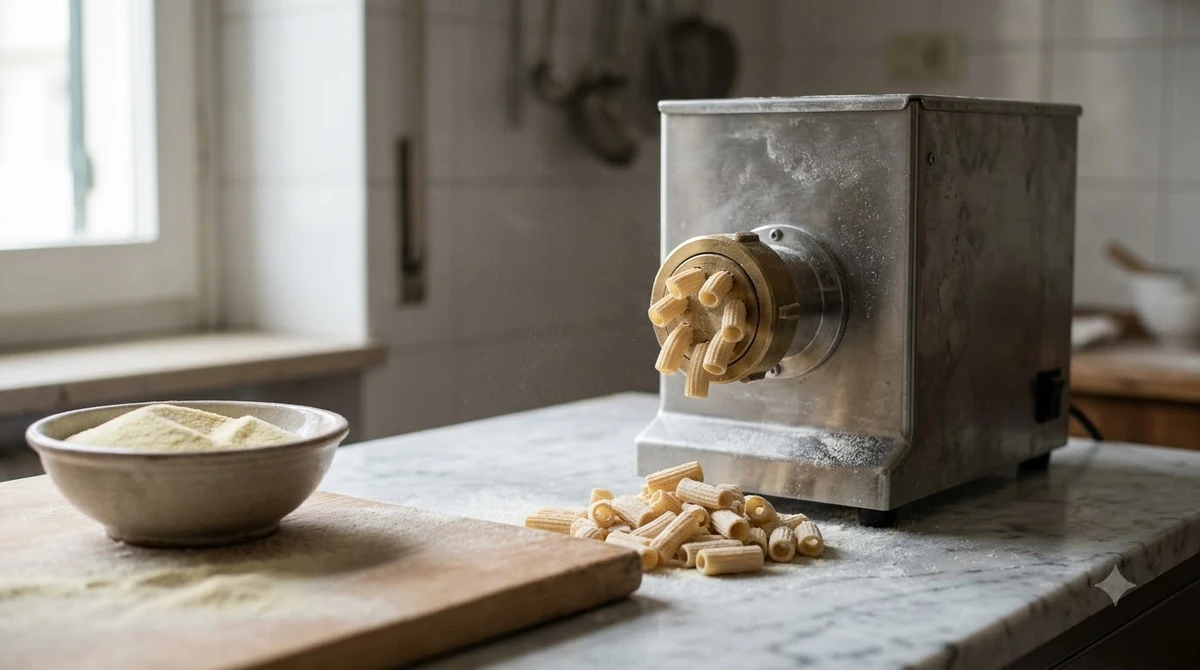

Paccheri vs rigatoni comes down to size, ridges and sauce. Paccheri is a very large tube from Campania in southern Italy, while rigatoni is a ridged tube with square-cut ends. Each shape suits a different kind of sauce.
Choose paccheri for stuffed dishes and sausage or seafood sauces, and rigatoni for hearty meat ragu. Check the package cooking time, because brands list different times.
| Pick | Best for | Key fact |
|---|---|---|
| Paccheri | Stuffed dishes, sausage and seafood sauces | A very large tube from Campania |
| Rigatoni | Hearty meat ragu and chunky sauces | A ridged tube, 4.5 to 6 cm long |
How Paccheri and Rigatoni Differ in Shape
Paccheri is a very large tube from Campania, while rigatoni is a ridged tube about 4.5 to 6 cm long with square-cut ends.
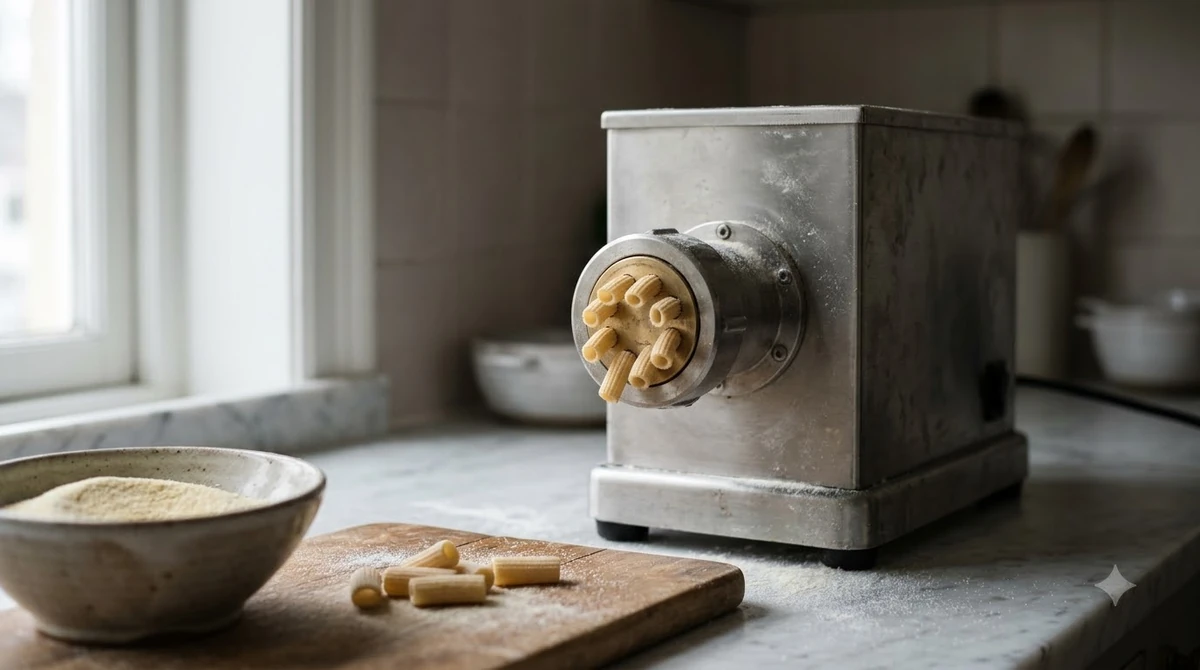
Paccheri comes from Campania, the region around Naples. Its name comes from the Neapolitan word paccharia, which means “slaps,” and the name may refer to a slapping sound the tube makes when it is eaten. Knowing this helps when you compare paccheri vs rigatoni by name. Most paccheri is smooth, but a ridged version called paccheri millerighe is also sold. Our paccheri pasta guide covers the shape in full.
Rigatoni is built around its ridges, which run along the length of the tube and sometimes spiral around it. According to The Pasta Project’s rigatoni guide, rigatoni tubes measure 4.5 to 6 cm, and their ends are cut square to the tube walls, unlike the diagonal cut on penne. This is the clearest visual split in paccheri vs rigatoni, apart from the size, and our rigatoni pasta guide goes deeper on it.
Size is the detail that causes the most confusion. Wikipedia calls paccheri a very large tube, but the maker DeLallo says its paccheri rigati is shorter than rigatoni while keeping the same tube shape. So the names do not map to a simple big versus small rule, and you should read the length on the package before you assume which one is bigger. When you compare paccheri vs rigatoni on a shelf, read the label before you judge the shape by name.
Rigatoni is also larger than penne and ziti, according to Wikipedia’s rigatoni entry. Penne is a separate shape with an angled cut, so it is worth comparing on its own in penne vs rigatoni.
Cooking Time and Texture After Boiling
As of November 6, 2026, the published dried cooking times are about 17 to 19 minutes for paccheri rigati and about 12 to 13 minutes for rigatoni.
The DeLallo paccheri rigati page says to cook the pasta for 17 to 19 minutes, or until it reaches your preferred texture, and to stir often. DeLallo’s rigatoni blog post gives around 12 to 13 minutes, following the package instructions.
Fresh paccheri cooks much faster. The Pasta Project lists 3 to 5 minutes for fresh paccheri, while the dried version should follow the package. Fresh rigatoni times are not covered in the sources used for this article, so check the maker’s directions if you buy fresh.
For a home cook, the practical side of paccheri vs rigatoni is timing. Because both shapes take several minutes to soften, start checking at the low end of the package range and taste a piece at each check. The package time is a guide to when the pasta is ready to drain, so the sauce should be ready to meet it.
Texture also differs once you bite in. Wikipedia notes that paccheri split open into a flat sheet as they are eaten, which is a different experience from biting into a ridged rigatoni tube. Brands set their own times, so treat both numbers as starting points. The cook time gap is one of the practical differences in paccheri vs rigatoni.
Which Sauces Suit Each Shape
Rigatoni suits hearty meat sauces and ragu, because its ridges grip sauce, while paccheri suits rich sauces, Italian sausage and delicate seafood.
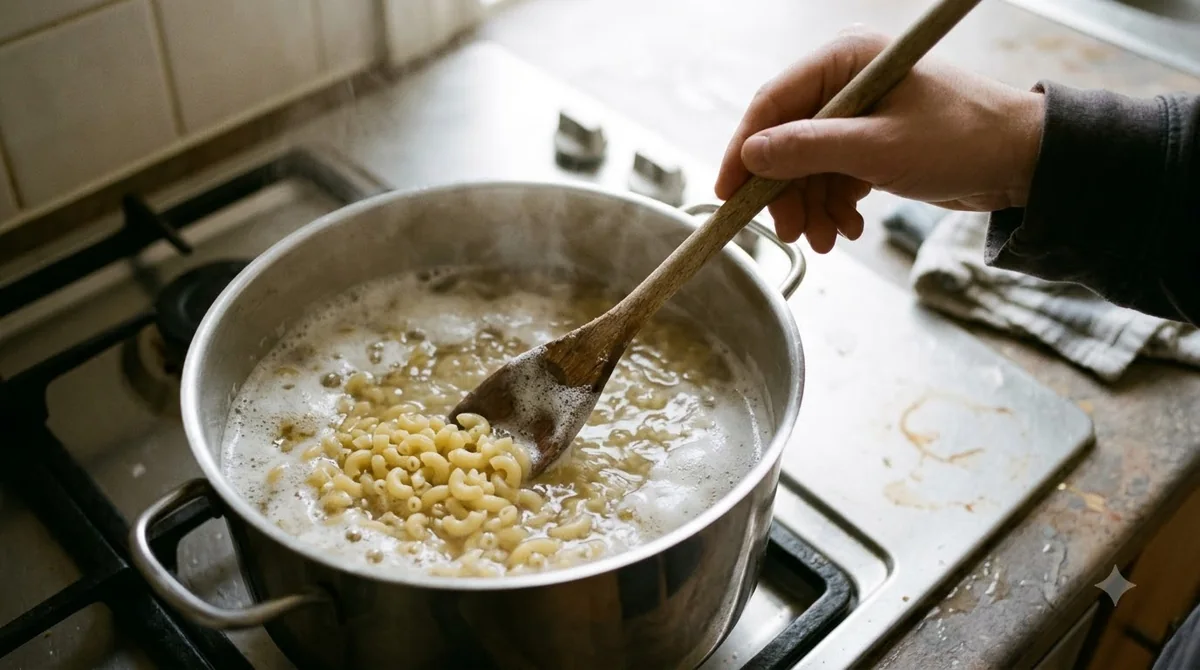
The Pasta Project says rigatoni works with all kinds of sauces, but especially hearty meat sauces and ragu. Italians value the ridges because they give sauce and grated cheese a better surface to cling to. For a meat sauce, that is the main reason to pick rigatoni in a paccheri vs rigatoni choice.
For paccheri, The Pasta Project describes rich, robust sauces as the usual match, and DeLallo’s page recommends Italian sausage, meaty pasta sauces and chunky tomato sauces. The same source also lists delicate seafood as a good partner.
The sauce test is a useful way to decide paccheri vs rigatoni. Ask whether your sauce is a thick, meaty ragu that needs ridges to cling to, or a rich sauce you want to fill the tube and coat the outside. Rigatoni suits the first case, while paccheri suits the second.
- Paccheri: Italian sausage, meaty sauces, chunky tomato, delicate seafood
- Rigatoni: hearty meat sauces, ragu, sauces with grated cheese
Paccheri vs Rigatoni: Side-by-Side Comparison
Paccheri vs rigatoni differs most on size, surface, cook time, best sauce and stuffing use, as the table below shows.
| Feature | Paccheri | Rigatoni |
|---|---|---|
| Shape | Very large tube (Wikipedia) | Ridged tube, larger than penne and ziti |
| Length | Paccheri rigati is shorter than rigatoni (DeLallo) | 4.5 to 6 cm (The Pasta Project) |
| Surface | Smooth (common) or ridged (millerighe, rigati) | Ridges along the length, sometimes spiraling |
| End cut | Not described in the sources used | Square to the tube walls |
| Dried cook time | 17 to 19 minutes for paccheri rigati (DeLallo) | About 12 to 13 minutes (DeLallo blog) |
| Fresh cook time | 3 to 5 minutes (The Pasta Project) | Not covered in the sources used |
| Best sauces | Rich sauces, Italian sausage, chunky tomato, seafood | Hearty meat sauces and ragu |
| Stuffing | Served stuffed in Campania | Not described as a stuffed shape in the sources used |
The cook times in this paccheri vs rigatoni table come from different brands, so they are a guide rather than a direct test. Follow the bag on the pasta you buy.
Use the table as a starting point. If a recipe calls for one shape and you have the other, length and surface change how the sauce sits on the pasta, and the cook time changes when you drain it.
Can Rigatoni Replace Paccheri?
Rigatoni is the easier swap for paccheri in sauced dishes, but stuffing is where the swap is weakest, because paccheri is the shape sources name for stuffed recipes.
According to Wikipedia’s paccheri entry, the tubes can be served stuffed, and in Campania they are commonly prepared with beans, or with ricotta and tomato sauce. Those are the dishes where paccheri is the better fit in any paccheri vs rigatoni decision.
For a sauced dish such as a meat ragu or a chunky tomato sauce, rigatoni is a practical replacement because both are tube shapes that carry sauce. Use the rigatoni cook time from the package, since it is shorter than the dried paccheri rigati time.
Ziti is another common stand-in, as covered in ziti vs rigatoni. Rigatoni is larger than ziti, so ziti will usually be the smaller tube when you swap.
The dish matters as much as the shape. In a baked or stuffed recipe, paccheri is the shape sources name, so rigatoni is only a fallback there. In a weeknight pasta with meat sauce, rigatoni is a reasonable stand-in, and the sauce will matter more than the exact shape.
Paccheri vs Rigatoni: How to Choose
Pick paccheri for stuffed dishes, sausage and seafood, and pick rigatoni for meat ragu, then check the package cook time before you start. If ribbons suit your sauce better than tubes, our guide to tagliatelle vs pappardelle compares those two.
- Choose paccheri when the recipe is stuffed or uses a rich sauce with Italian sausage.
- Choose rigatoni when the sauce is a hearty meat ragu, since the ridges hold sauce and grated cheese.
- Choose paccheri with delicate seafood, and cook it to the package time.
Frequently Asked Questions
Is paccheri bigger than rigatoni?
In a paccheri vs rigatoni comparison, size is not a simple rule. Wikipedia calls paccheri a very large tube, but DeLallo says its paccheri rigati is shorter than rigatoni. Compare the length on the package, because rigatoni is usually 4.5 to 6 cm long according to The Pasta Project.
Is paccheri ridged?
Most paccheri is smooth. A ridged version called paccheri millerighe is also sold, and DeLallo sells a ridged paccheri rigati. Check the label to see which one you have in a paccheri vs rigatoni recipe.
What sauce is best with paccheri?
Rich, robust sauces work well with paccheri, including Italian sausage, meaty sauces and chunky tomato sauces. Delicate seafood is also a good match, according to The Pasta Project.
Can you stuff rigatoni like paccheri?
Paccheri is the shape the sources name for stuffing, and in Campania it is often served with beans or with ricotta and tomato sauce. Rigatoni is not described as a stuffed shape in the sources used here, so paccheri is the safer choice for stuffed dishes.
Do paccheri and rigatoni cook in the same time?
No, not usually, and paccheri vs rigatoni timing varies by brand. DeLallo gives 17 to 19 minutes for dried paccheri rigati, and its rigatoni post gives about 12 to 13 minutes. Brands differ, so follow the cooking time on your own package.
Is ziti the same as rigatoni?
No. According to Wikipedia’s rigatoni entry, rigatoni is ridged and larger than ziti, so the two shapes look and cook differently. Ziti is a separate tube with its own shape.
Can I use paccheri in place of rigatoni?
Yes, in most sauced dishes. Paccheri is the very large tube sources describe, so the plate will look different, but a meat ragu will still have a tube to coat. Check the cook time, because the published paccheri rigati time from DeLallo is longer than its rigatoni time.
When you decide paccheri vs rigatoni, start with the sauce, then check the package. If the dish is stuffed or built around sausage, paccheri is the traditional choice in Campania. If you want a sturdy tube for a meat ragu and cannot find paccheri, rigatoni is the practical pick, and the package time will tell you when it is ready. For more shape comparisons, browse our pasta guides.