

In gnocchi vs pasta, the real difference is the dough: gnocchi are small dumplings built on potato, while pasta is wheat flour mixed with water or eggs. Both are boiled in salted water and both carry sauce well, but they differ in ingredients, texture and cooking.
Choose gnocchi when you want a soft, pillowy bite that soaks up butter and sage. Choose pasta when you want a wider range of shapes and sauces to match.
Gnocchi vs Pasta: The Ingredients Compared
Traditional gnocchi contain wheat flour, potato, egg and salt, according to Wikipedia’s gnocchi entry, while pasta is an unleavened dough of wheat flour mixed with water or eggs.
The potato is the defining difference. Gnocchi depend on it for their body, so the variety matters. Waxy boiling potatoes hold roughly 16 to 18 percent starch, while floury baking potatoes hold 20 to 22 percent, according to the Wikipedia potato entry.
This is the first practical test in any gnocchi vs pasta comparison. Pasta dough contains no potato, so its texture comes from the flour, the water or egg, and the way the dough is shaped. Gnocchi texture depends more on how moist the potato is and how much flour is mixed in. Too much flour makes a dense dumpling, while too little leaves it fragile in the pot.
Recipes vary more than most people expect. Common changes include:
- Semolina, used in some versions in place of part of the flour
- Cheese, which some recipes add to the dough
- Breadcrumbs or cornmeal, used in some regional versions
- Sweet potato or rice flour, as substitutes for the traditional base
Pasta has a simpler base, and that is the core of the gnocchi vs pasta difference. The dough is wheat flour and water, sometimes with eggs, and it is formed into sheets or shapes before it is boiled or baked. Durum wheat was used predominantly in southern Italy, while softer wheat was common in the north, so the flour itself varies by region.
How Gnocchi and Pasta Are Cooked
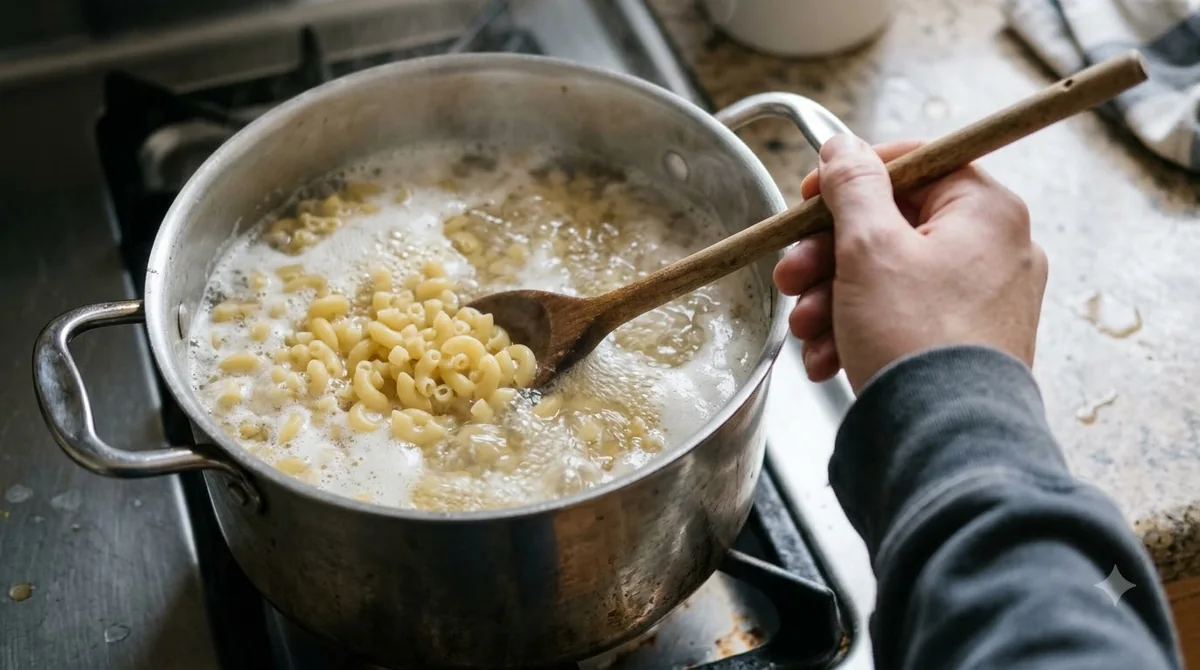
Gnocchi and pasta are both cooked in salted boiling water, though gnocchi need gentler handling once they are in the pot. That shared method is why a gnocchi vs pasta choice rarely depends on the cooking step alone.
Gnocchi are commonly cooked in salted boiling water and then dressed with a sauce. Use this method for gnocchi, whether store-bought or made from a potato gnocchi recipe:
- Bring a large pot of water to a boil and salt it well.
- Add the gnocchi in batches so the water keeps boiling.
- Lift them once they rise to the surface and feel tender when pressed gently.
- Move them straight into the sauce, because they stick together if left to cool.
Pasta follows the same boiling method, but the timing depends on the shape and on whether the pasta is fresh or dried (see how fresh and dried pasta differ). Wikipedia’s pasta entry notes that pasta, whether dry or fresh, is eaten after cooking in hot water, and Italian pasta is cooked in salted water. Follow the package timing, then taste a piece before draining.
The most common mistake at any gnocchi vs pasta dinner is crowding the pot. Gnocchi that sit together can clump and tear, and pasta can stick to itself and cool unevenly. Give both room to move, use plenty of water and stir once or twice during the first minute. A pot that stops boiling after the pasta goes in is a sign to add the food in smaller batches.
Which Sauces Suit Each One
Gnocchi are traditionally served with melted butter and sage or pesto, while pasta suits a wider range of sauces because of its many shapes.
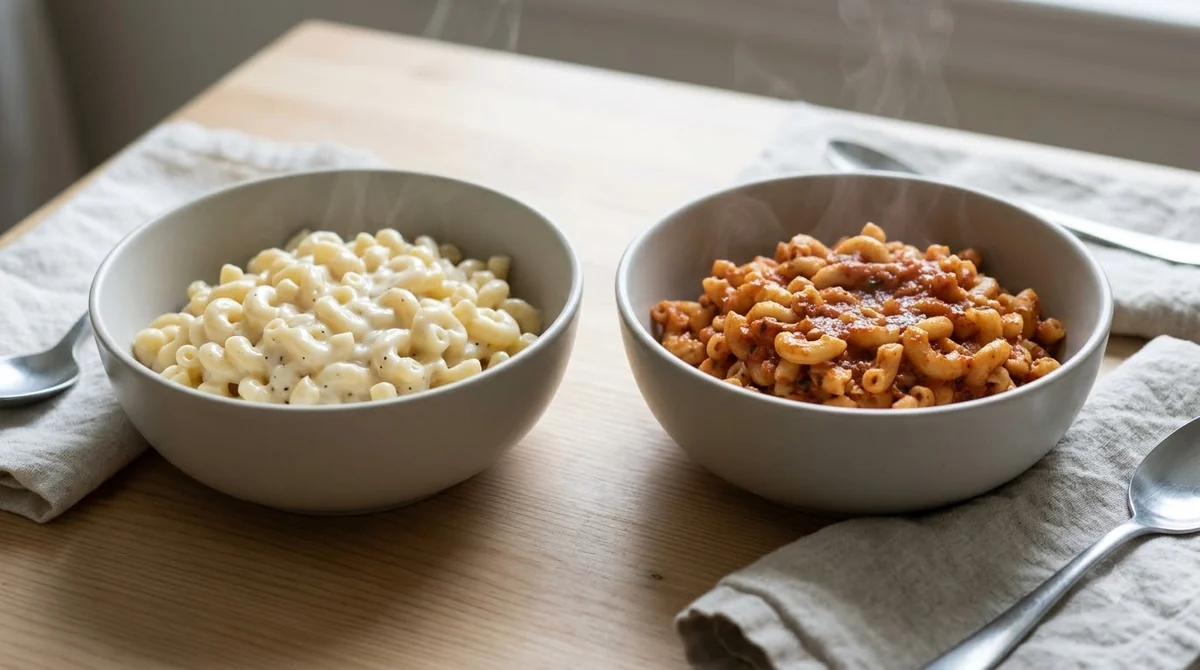
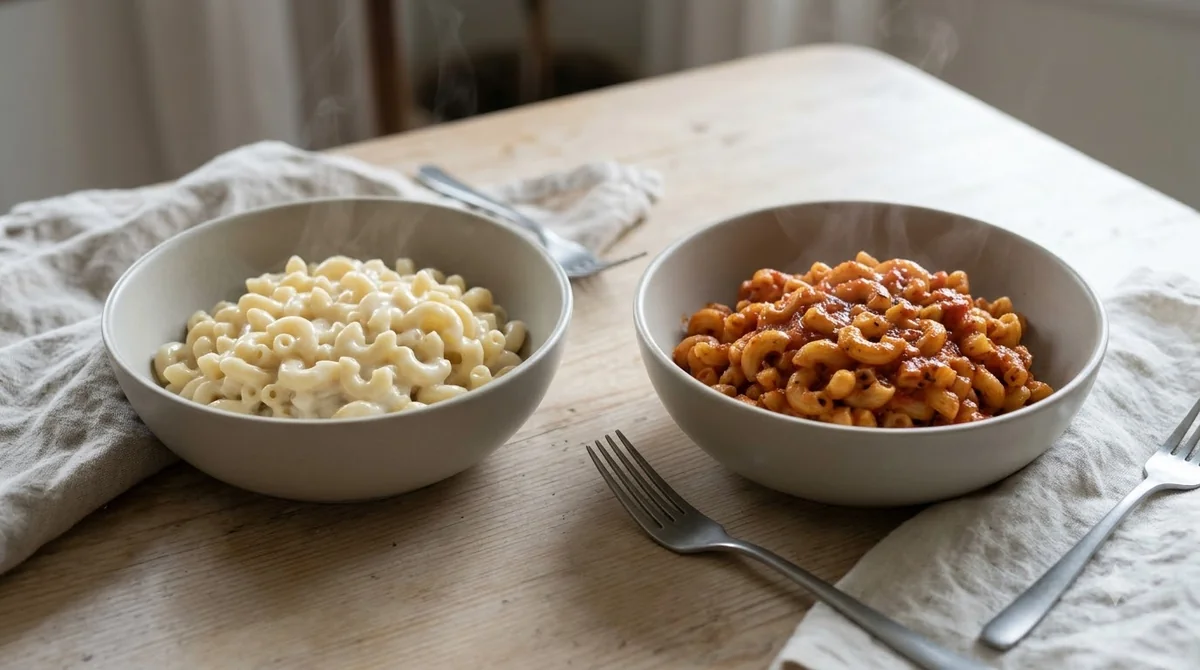
The soft surface of gnocchi suits sauces that coat rather than drown the dumpling. Butter with sage is the classic pairing, and a light pesto works for the same reason. A heavy meat ragu can work, but it tends to overpower the delicate texture. This is where a gnocchi vs pasta match-up diverges most.
Pasta gives you more freedom. Tubes and twists hold chunky sauces in their hollows, while long strands carry thin sauces that would pool under a dumpling. Choosing the shape to match the sauce is the main skill in pasta cooking.
When you plan a gnocchi vs pasta dinner, match the sauce first and the base second. A thick meat sauce clings to ridged short shapes such as ridged rigatoni tubes, while a butter and sage sauce suits gnocchi and thin ribbons equally well. If you are unsure, pick a sauce that is half cooking liquid, since it coats either base without pooling at the bottom of the bowl.
Nutrition: What the Numbers Show
A boiled potato with skin provides about 87 calories, 20.1 grams of carbohydrate and 1.9 grams of protein per 100 grams, according to the Wikipedia potato entry, which cites USDA data.
Those figures describe potato only, and gnocchi vs pasta nutrition always depends on the same three things: the recipe, the portion and the sauce. Gnocchi combine potato with flour, and often egg or cheese, so the total depends on the recipe. A ricotta version will read differently from a classic one, and a packaged product can differ again. Read the label of the product you buy.
For cooked pasta in a gnocchi vs pasta comparison, check the USDA FoodData Central entry for cooked enriched pasta. Dried and cooked weights differ a lot, so compare like with like before you judge which one is lighter.
A calorie count alone can mislead in a gnocchi vs pasta comparison. The sauce, cheese and oil on the plate often add more energy than the base itself, so two dishes of the same weight can differ widely. For a fair read, compare the whole dish, including the sauce you will actually use, rather than the dumpling or the dried shape by itself.
How to Choose Between Gnocchi and Pasta
Choose gnocchi when you want a soft, butter-based dish, and pasta when you want a wider range of shapes and sauces.
| Pick | Best for | Key fact |
|---|---|---|
| Gnocchi | Soft dishes with butter, sage or pesto | Made from potato, flour and often egg |
| Pasta | Chunky, thin or long sauces | Made from wheat flour with water or eggs |
Start with the sauce you already have, because most gnocchi vs pasta decisions come down to that. If you are making a tomato sauce with chunky meat, pasta is the natural pick. Gnocchi suit lighter, butter-based dinners where the dumpling is the star.
Gnocchi ask for more hands-on care, since they are soft and can break in the pot. Dried pasta is more forgiving, which makes it the easier choice on a busy weeknight.
Choose by situation. For a relaxed dinner where you want a comforting, soft texture, gnocchi are a good fit. For a dish that needs a sturdy shape to hold a chunky topping, or for cooking ahead and reheating, a gnocchi vs pasta decision usually points to pasta. This guide covers everyday cooking choices only. If you follow a diet set by a clinician, use their advice rather than any general comparison.
Can Gnocchi Be Called Pasta?
Wikipedia describes gnocchi as a varied family of pasta-like dumplings, so the answer depends on how strictly you define pasta.
Most definitions of pasta center on a wheat dough, and gnocchi break that rule with potato, as explained in our guide to what gnocchi are and how they are made. Some cooks still group them with pasta because both are often served as a first course and eaten with similar sauces. Treating gnocchi as a potato dumpling that sits next to pasta on the menu is the more accurate view.
For practical purposes, the label matters less than the cooking. Both are starch-based doughs boiled in salted water and served with sauce, so a gnocchi vs pasta debate often comes down to texture preference. Whether you call gnocchi pasta or dumplings, the boiling and saucing steps stay nearly the same.
Frequently Asked Questions
Is gnocchi healthier than pasta?
In a gnocchi vs pasta comparison, the answer depends on the recipe, so no single answer holds for every dish. A boiled potato with skin, the main base of gnocchi, provides about 87 calories per 100 grams. Compare labels for the product you buy.
Do gnocchi contain egg?
Many classic recipes do, since egg is among the typical ingredients. Some regional versions contain none, including gnocchi alla romana, which is made with semolina and baked.
Are gnocchi gluten-free?
Usually not. Typical recipes use wheat flour, so gnocchi are gluten-free only when the package or recipe says so. Check the ingredient list for the type of flour.
Can you serve gnocchi with pasta sauce?
Yes. Gnocchi pair well with butter, pesto and other sauces. Their soft texture usually suits lighter coatings better than heavy ragu, so start with a thin sauce.
Should you cook gnocchi like pasta?
Mostly yes. Both go into salted boiling water, but gnocchi need gentler handling. Lift them as soon as they are tender, and move them straight into the sauce.
If you are deciding what to cook tonight, start with the sauce. For a gnocchi vs pasta dinner, soft, butter-based sauces suit gnocchi, while chunky ragu and long strands suit pasta. Check the package or the USDA entry before you rely on any calorie number, since recipes vary widely. For more side-by-side comparisons, browse our pasta and pizza guides.