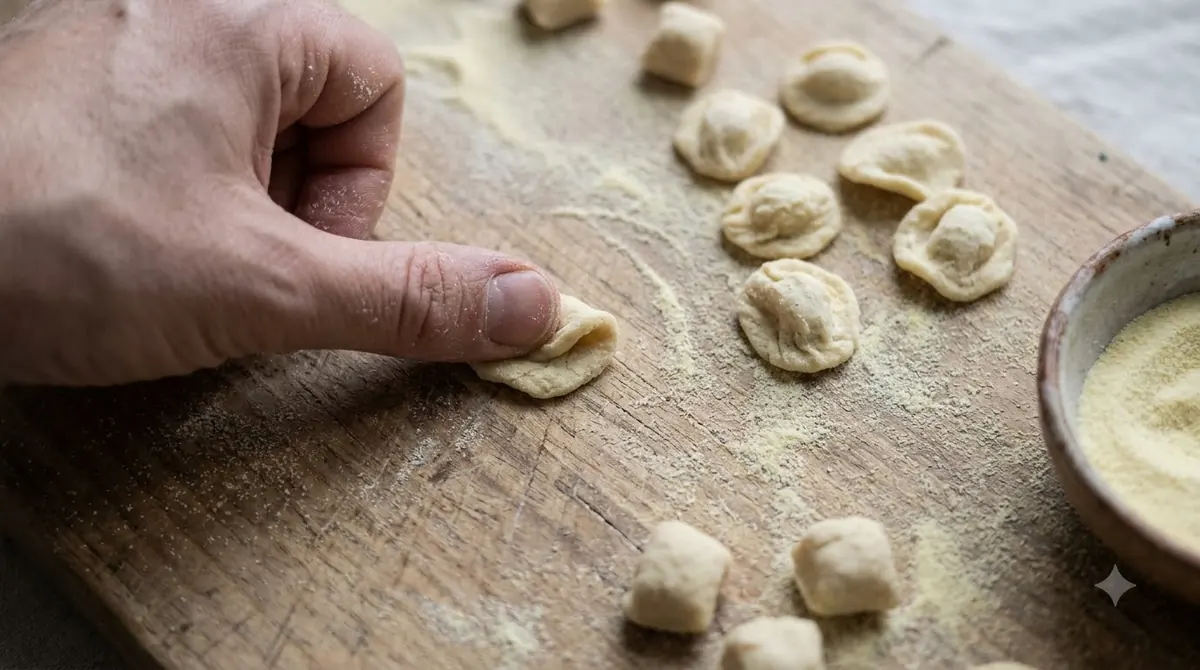

Knowing what is gnocchi starts with one fact: they are small Italian dumplings made mostly from potato and flour. They are soft and pillow-like, and you cook them in boiling water the way you cook pasta.
Recipes disagree on how much flour and egg to use, so the classic potato version is the best place for a home cook to start. Here is what is gnocchi, how to cook it and which sauce to serve.
What Is Gnocchi Made Of?
Classic gnocchi are made from potatoes, flour, salt and sometimes an egg, and one standard recipe uses 1 kg of potatoes to 300 g of flour.
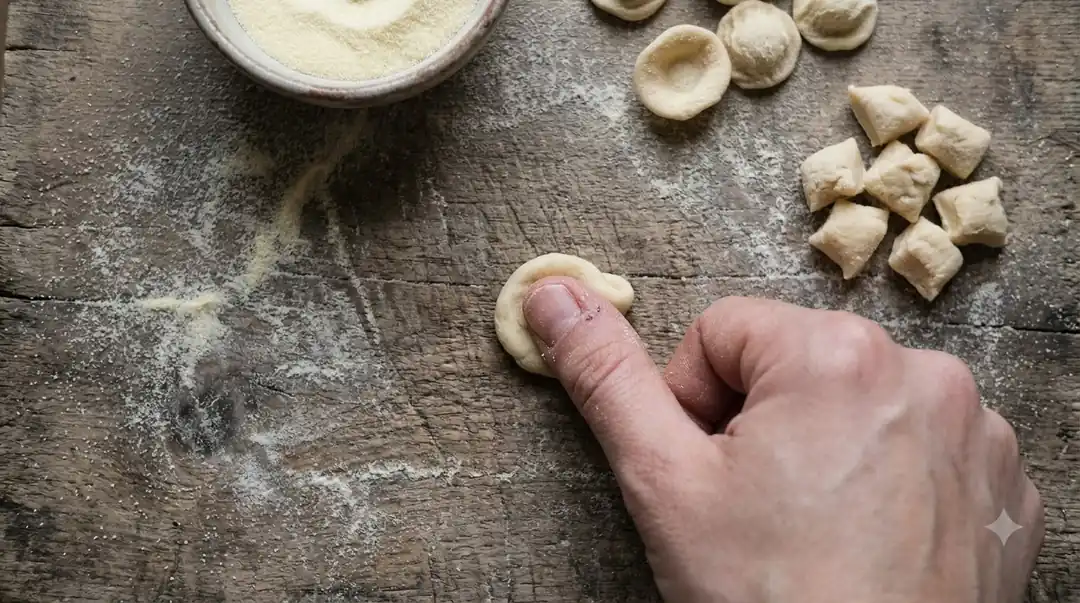
The 1 kg to 300 g ratio comes from GialloZafferano’s potato gnocchi recipe, which treats the egg as optional. According to Wikipedia’s gnocchi entry, typical ingredients include wheat flour, potato, egg and salt.
Purists often leave the egg out because it can make the dough firmer. Wheat flour gives the dough its structure, while the potato sets the soft texture. Getting that balance right matters more than following any single recipe word for word.
Pasta Evangelists, a pasta-making site, gives a similar picture: traditionally the dough is made of semolina or plain wheat flour, egg and mashed potato. If you ask what is gnocchi in an Italian kitchen, the answer depends on the region the cook comes from.
What Is Gnocchi and Where Does It Come From?
Gnocchi have been a traditional Italian dish since Roman times, but potatoes did not enter the dough until the late 19th century, after the vegetable reached Europe.
Today the name covers several styles, from potato dumplings to semolina gnocchi and ricotta-based malfatti. Each style reflects local ingredients and habits, which explains the variety you find across Italy. That history is why the answer to what is gnocchi changes from town to town, and why the same name can describe a baked semolina dish and a boiled potato dumpling.
What Is Gnocchi? The Main Types
Potato gnocchi are the best-known type, and gnocchi alla romana is the main exception, made from semolina, baked and eggless. For a full walkthrough of the classic version, see our potato gnocchi recipe with ricer tips and boiling times.
| Type | Main base | Notes |
|---|---|---|
| Potato gnocchi | Potato and flour | Popular in Lombardy, Abruzzo, Friuli-Venezia Giulia, Veneto and Lazio |
| Gnocchi alla romana | Semolina | Baked and contains no eggs |
| Malfatti | Ricotta, flour and spinach | Lombard and Tuscan, the name means “poorly made” |
Use the table as a quick answer to what is gnocchi in each style, since local family recipes often change the amounts and the cooking style.
Gnocchi alla sorrentina, from the Campania coast near Naples, is potato gnocchi baked with tomato sauce, mozzarella, Parmesan and basil. Sources disagree on when it began, with some placing it in the 15th century and others in the 16th, after potatoes and tomatoes arrived from the Americas. Some cooks use ragù instead of a plain tomato sauce.
The Croatian name for gnocchi is njoki, a reminder that the dish travelled well beyond Italy. Wikipedia also notes a tradition in South America of eating gnocchi on the 29th of each month.
What Is Gnocchi Compared With Pasta?
Gnocchi are thicker and chewier than most pasta, and sources disagree on whether they count as pasta at all.
Many cooks treat them as their own dish, while others file them under pasta. The label matters less at home than the texture and the sauce you choose. So what is gnocchi when you set it beside a noodle? It is a soft dumpling that you boil like pasta but eat more like a pillow. Filled pastas are different again, and tortelloni vs tortellini explains that stuffed-pasta difference.
- Texture: thicker and chewier than most pasta
- Base: mostly potato, with flour as the binder
- Cooking: boiled in salted water, then finished with a sauce
- Label: a pasta-like dumpling, depending on the source
How Gnocchi Are Cooked
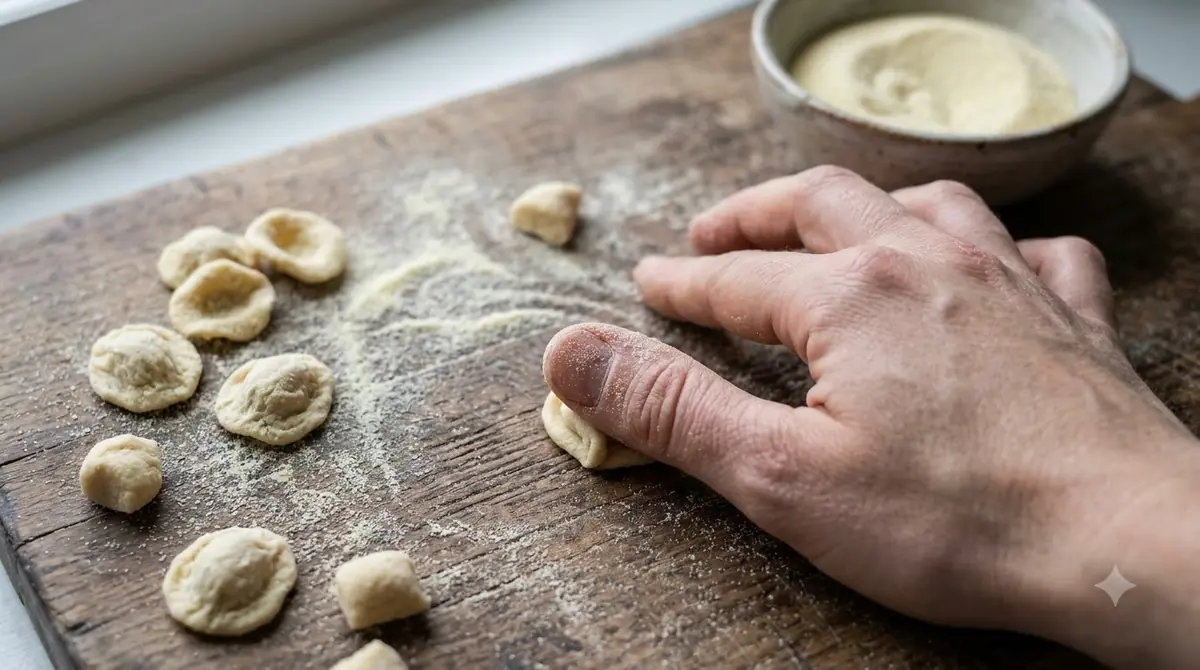
Boil the potatoes in their skins, mix the dough, then cook the gnocchi in boiling salted water until they float to the surface.
- Put the potatoes, unpeeled, in a large pot and cover them with plenty of cold water.
- Boil them until a fork slides easily into the middle, which usually takes 30 to 40 minutes after the water boils, depending on size.
- Peel and mash the potatoes, then mix in flour and salt until the dough holds together.
- Let the shaped gnocchi rest on a cloth for a couple of hours at most.
- Cook them in boiling salted water and take them out as soon as they float.
The float is the signal to watch. Pull them out as soon as they rise, since overcooked gnocchi turn soft, chewy and clumpy. If you are asking what is gnocchi done right, the answer is a tender dumpling that holds its shape on the plate.
Common Mistakes With Homemade Gnocchi
Most disappointing batches come from the balance between potato and flour, or from cooking them too long.
- Too much flour: the dough turns dense and hard to chew
- Too much potato: the pieces break apart in the water
- Overcooking: they become soft, chewy and clumpy
Recipes point to the potato and flour balance as the main variable, so weigh the flour where you can. The question “what is gnocchi supposed to feel like?” has a simple answer: soft, light and tender.
Some recipes suggest letting the potatoes dry out for a few hours to reduce moisture before mixing, while the GialloZafferano recipe does not ask for that step. Either way, wetter potatoes take more care, so add the flour in small amounts.
What Sauces Go With Gnocchi
Gnocchi pair with almost any sauce, from a simple tomato sauce to sage and brown butter or a heavy Bolognese.
GialloZafferano lists these three options, and the choice comes down to how rich you want the plate to feel. A light butter sauce keeps the dish delicate, while a heavy Bolognese makes it a full meal. Pasta Evangelists lists ragù, tomato and butter sauce as the usual pairings. What is gnocchi without a sauce? A mild, soft base that takes on whatever you serve with it. For the same sauces on ribbon pasta, see pappardelle pasta and fettuccine pasta.
Frequently Asked Questions
What is gnocchi, exactly?
Gnocchi are soft, fat and chewy dumplings, according to Pasta Evangelists, a pasta specialist site. They are traditionally made from semolina or plain wheat flour, egg and mashed potato, and most people serve them with ragù, tomato or butter sauce.
Are gnocchi pasta?
Gnocchi are often grouped with pasta, but many cooks treat them as a dumpling because they are made mostly from potato and flour. Sources disagree on the label, so think of them as a pasta-like dish. You boil them in salted water and serve them with the same sauces.
Is gnocchi always made with potato?
No. Potato is the most common base, but traditional recipes can use semolina or plain wheat flour instead. Gnocchi alla romana, for example, is made from semolina, baked and eggless, so it differs from the classic potato version.
Do gnocchi need eggs?
No. Many classic potato gnocchi use only potato and flour, and purists often leave out the egg because it can make the dough firmer. Some recipes still include one egg, so the choice is yours.
Can gnocchi be baked?
Yes. Gnocchi alla romana is made from semolina, baked, and contains no eggs. It is a different dish from potato gnocchi, so cook it as a baked dish rather than in boiling water. Because it is baked rather than boiled, it needs an oven and a baking dish instead of a pot of water.
How do you know gnocchi are cooked?
Gnocchi are cooked as soon as they float to the surface, according to GialloZafferano’s recipe. Start checking early, since timing varies with size. Overcooked gnocchi turn soft, chewy and clumpy, so pull them out at the first float.
Why are my gnocchi tough?
The most common cause is too much flour, which makes the dough dense and hard. Weigh the flour and add it gradually, stopping once the dough holds together so you do not add extra. Overcooking can also make them chewy and clumpy, so keep an eye on the pot.
Now that you know what is gnocchi, start with the classic potato and flour version and cook a small batch first. Watch for the float, pull them out as soon as they rise, and judge the texture before you try the baked semolina style. That way you learn one variable at a time.