

Anolini pasta is a small, round, stuffed egg pasta from Emilia-Romagna in northern Italy, best known in Parma and Piacenza. The name comes from the Latin word for ring, which matches its shape. Anolini are traditionally served in a clear meat broth, especially at Christmas.
Anolini pasta differs from ravioli and cappelletti mainly in their flat, disc-like shape and their classic beef filling. Knowing those two details makes them easy to recognize on a menu or at a market.
What Are Anolini and Where Do They Come From?
Anolini pasta is a stuffed pasta from the Parma area, and written records of the dish go back to 1284.
Regional sources cite the first written mention in the Chronicle of Salimbene de Adam, a friar, dated 1284. The word is likely linked to the Latin anulus, meaning ring, a reference to the round shape of the pasta.
The Emilia-Romagna tourism guide lists it among the famous dishes of Parma’s culinary tradition. Other sources note that Parma and Piacenza both claim it, and its true roots remain unclear.
The dish also has a court history. In the 1500s, the Renaissance chef Bartolomeo Scappi helped bring anolini to the tables of kings and popes. A local saying, “Only to king Anolino the Duchess can bow,” is linked to Maria Luigia, Duchess of Parma and Piacenza.
One Parma food guide adds that Pellegrino Artusi had codified an anolini recipe by 1891, so the dish was already well documented in Italian cookbooks by then.
What Do Anolini Look Like?
Anolini pasta consists of small, flat, round discs of egg dough, usually stamped out with a round cutter.
Anolini pasta is not folded. A Parma food guide describes them as tiny discs stamped from a rolled sheet of pasta, with no folded edges or twisted tails. Locals call them galleggianti, or floaters, because they sit at the surface of a soup bowl.
Cutter size changes the result. One recipe from Lidia’s Italy calls for a 1-inch round cutter, about 2.5 cm, which gives a small finished pasta.
The easiest way to tell anolini from cappelletti is the shape, and our guide to homemade ravioli covers another stuffed pasta. Cappelletti are squares of dough folded over the filling into a peaked, miter-like shape. The table below compares the two. For a related folded shape, see tortellini pasta.
| Feature | Anolini | Cappelletti |
|---|---|---|
| Shape | Flat round disc | Square folded into a peaked shape |
| Classic filling | Braised beef stracotto with aged Parmigiano and nutmeg | Varies by area: pork, veal, prosciutto and ricotta in Reggio Emilia, or ricotta and raviggiolo in the meatless version |
| Folds | No folded edges or twisted tails | Folded over the filling |
What Goes Into the Anolini Filling?
The classic anolini pasta filling is braised beef stracotto, seasoned with aged Parmigiano and nutmeg, and the beef stew can take about 3 hours to cook.
Parma cooks braise the beef until it falls apart, then mix it with cheese and spice. One guide describes the nutmeg as a warm whisper on the finish, which shows how light the seasoning should be. Plan the braise ahead, because the filling is the longest step in the recipe. The Grana Padano recipe cooks the beef stew for around 3 hours.
A modern version from Grana Padano’s anolini recipe shows the proportions. It uses 200 g of beef stew, 200 g of cheese aged over 16 months, 100 g of breadcrumbs and one egg, seasoned with salt, pepper and nutmeg. Beef broth is added as needed for a firm but moist texture.
Not every version uses beef. A pork-based recipe from Lidia’s Italy uses a mix of pork and cured meat, with porcini for depth. Its filling includes:
- Boneless pork shoulder, about 1/2 lb
- Mortadella, 2 oz, cubed
- Dried porcini, 1 1/2 tsp, crumbled
- Grana Padano or Parmigiano-Reggiano, 3/4 cup, grated
How Is Anolini Dough Made?
One common anolini dough uses 3 eggs and 300 g of 00 flour, kneaded for about 10 minutes and then rested under a cloth.
Some recipes use semolina in place of the 00 flour. Roll the sheet thin, because one guide warns that thick or pale yellow dough suggests a dry filling.
- Mix 3 eggs with 300 g of 00 flour, or use semolina.
- Knead for about 10 minutes until the dough feels smooth and elastic.
- Wrap the dough and let it rest under a cloth.
- Roll the dough into a thin sheet, close to a delicate veil.
- Stamp out rounds, place a small spoonful of filling on half of them, cover with a second round and seal the edges.
Keep the rounds you are not working with covered, so the dough does not dry out while you fill the rest. For a basic egg dough, see this fresh pasta dough recipe, and a pasta machine helps with the thin sheet; read how to use a pasta machine.
How Do You Cook Anolini?
Anolini pasta is usually cooked gently in simmering broth, and published recipes give cooking times from about 1 minute to about 10 minutes.
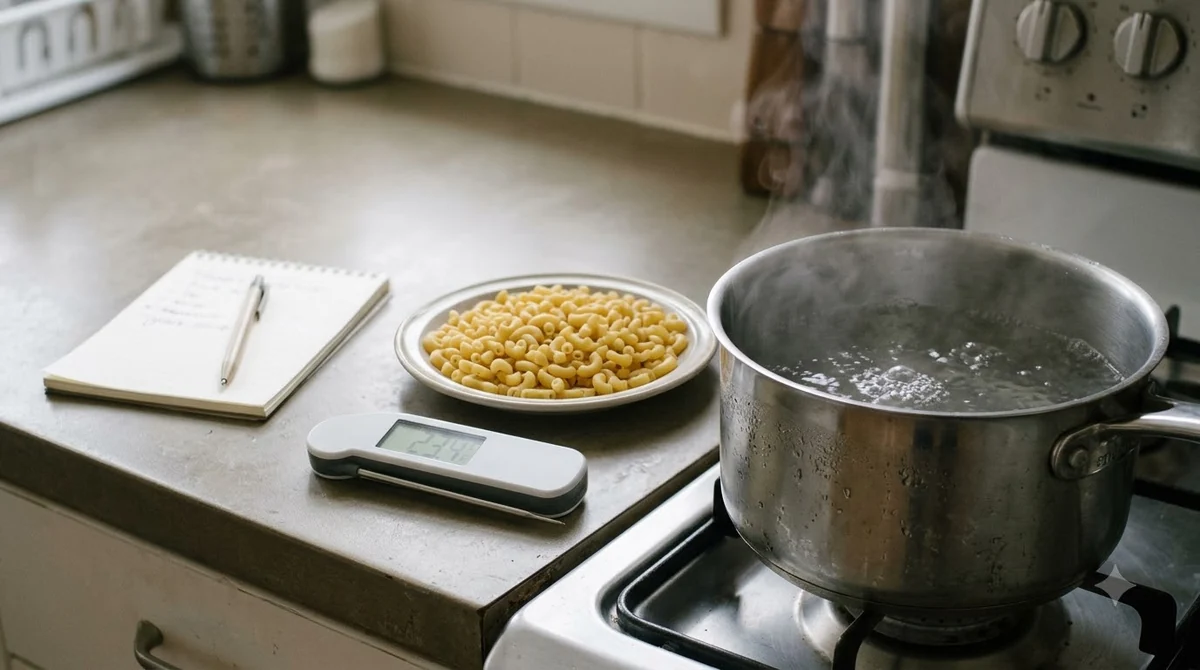
The traditional method is anolini in brodo, meaning anolini in broth. One recipe keeps 2 1/2 to 3 quarts of chicken stock just simmering and cooks the pasta for about a minute, until barely al dente. Another guide boils them for about 5 minutes, until they float to the surface.
Serving is generous. The same Lidia’s Italy recipe uses 1 1/2 to 2 cups of hot broth per serving and a heaping spoonful or two of grated cheese on each bowl.
Lidia’s Italy suggests 15 to 20 anolini per bowl, and says the full recipe makes 150 to 200 pieces, enough for 10 to 12 servings. Bring the pot of stock to the table on a trivet so people can refill their bowls while the pasta stays hot.
Broth is not the only option. In Piacenza, cooks may serve anolini without broth, dressed with butter and cheese.
Avoid cream. One guide advises against anolini alla panna, meaning anolini in cream, because the dish is built on the broth.
When Are Anolini Usually Served?
Anolini pasta is most often served at Christmas lunch and at family celebrations in Parma, on the coldest days of the year.
A regional guide describes the dish as one that can warm both mood and body in winter. Parma families treat it as a centerpiece of the holiday table.
The winter link goes back centuries. Courtiers of Maria Luigia ate anolini in winter, according to the same regional source.
Common Mistakes When Making Anolini Pasta
The guides reviewed warn against two things that ruin anolini pasta: dough that is too thick or pale, which may signal a dry filling, and serving anolini in cream.
- Rolling the dough thick or leaving it pale yellow, which one guide links to a dry filling.
- Serving them in cream instead of broth, which one guide advises against.
- Cooking by the clock alone. One guide uses the moment they float to the surface as the sign that they are done.
A simple check helps. Cook one piece of anolini pasta first, taste it for tenderness, and then time the rest of the batch to match. Lombardy has a similar stuffed tradition in casoncelli pasta.
Frequently Asked Questions
What is anolini pasta?
Anolini pasta is a small, round, stuffed egg pasta from Emilia-Romagna, most closely tied to Parma and Piacenza. The classic filling is braised beef with aged Parmigiano and nutmeg. It is usually served in a clear broth, especially at Christmas.
What does anolini mean?
The word is likely linked to the Latin anulus, meaning ring, which matches the round shape. Regional sources date the first written mention to 1284, in the Chronicle of the friar Salimbene de Adam.
Where does anolini pasta come from?
Anolini pasta comes from Emilia-Romagna, and Parma and Piacenza both claim it. The first written mention is dated to 1284, and courtiers of Maria Luigia, Duchess of Parma, ate anolini in winter according to regional sources.
Are anolini the same as cappelletti?
No. Anolini are flat round discs, while cappelletti are squares of dough folded over the filling into a peaked shape. Their classic filling is beef, while cappelletti fillings vary by area.
What is the best sauce for anolini?
Traditionally, anolini pasta is served in broth rather than with a sauce. Lidia’s Italy recommends hot broth and plenty of grated cheese, and one guide advises against cream. In Piacenza, cooks may serve them without broth, dressed with butter and cheese.
How long do anolini take to cook?
Cooking times vary by recipe. One guide says about 5 minutes, until they float. Lidia’s Italy describes about a minute, until barely al dente, and a Grana Padano recipe simmers them for about 10 minutes. Taste one to check tenderness before cooking the rest.
If you want to try anolini pasta at home, start with the broth, since that is how they are traditionally served. Make the braised filling ahead, because the beef stew alone cooks for around 3 hours. Cook one test piece first, since recipes differ on timing.