
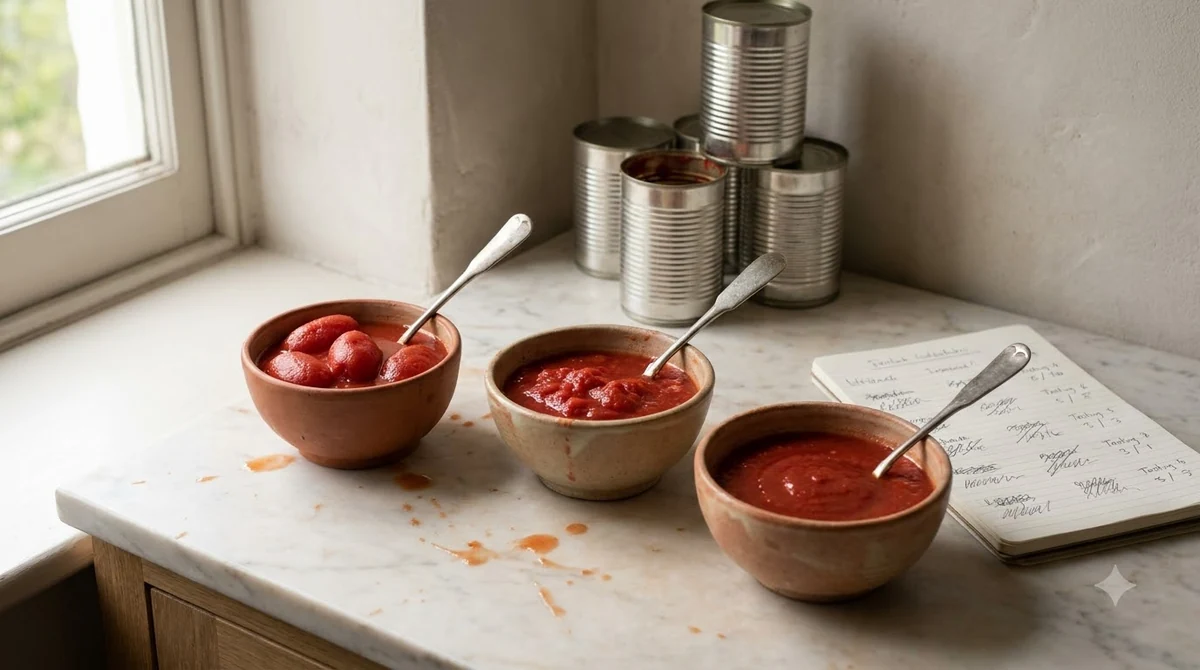

The best sauce for spaghetti is usually a simple tomato marinara, because its loose body clings to every thin strand. Heavier choices such as bolognese, carbonara and pesto also work well, but each one suits a different cooking time and a different mood. The right pick depends on how much time you have, whether you want a tomato, meat, egg or herb base, and how much work you want to do at the stove.
Why Marinara Is the Everyday Choice
Marinara is the default because it is light enough to coat thin strands without pooling at the bottom of the bowl. It is also the fastest of the common spaghetti sauces to put together.
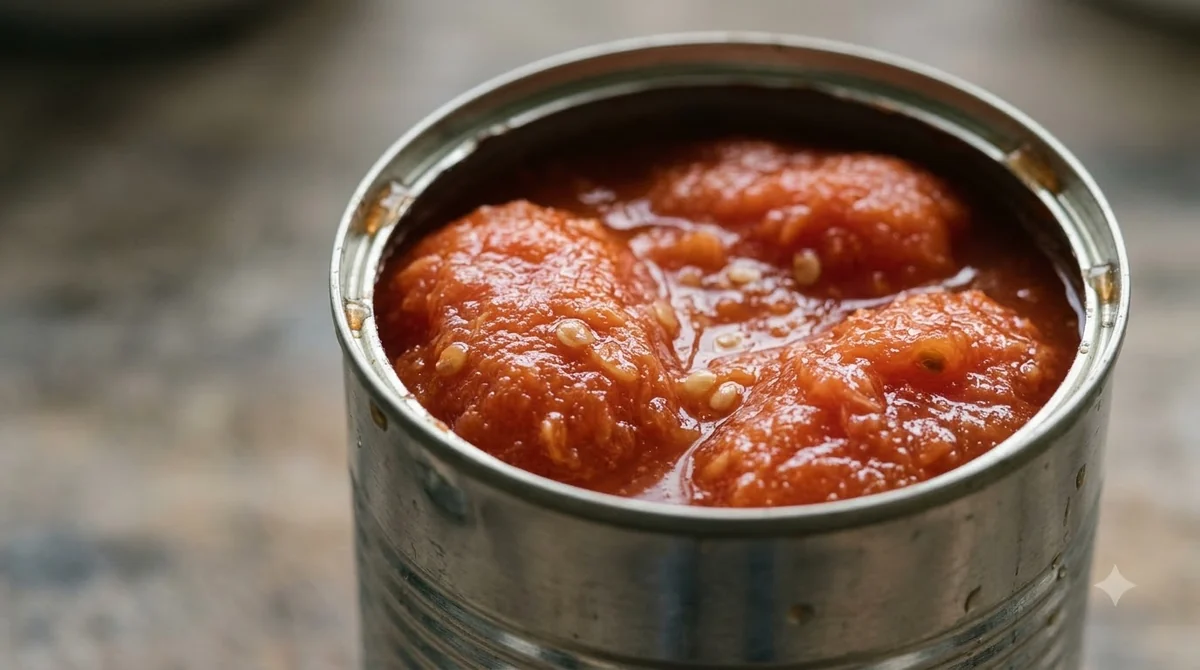
The WebStaurant Store guide to pasta sauces describes marinara as a “herbaceous, tomato-based sauce” made from crushed tomatoes, onion, garlic and Italian herbs. It lists spaghetti among the shapes it pairs with, along with lasagna, linguine and penne.
For a brighter version, add fresh basil or a pinch of chili flakes at the end. Keep the sauce on a gentle simmer so it thickens slightly before you toss it with the noodles, and reserve a little of the cooking water to loosen it if needed.
When a Meat Sauce Works Best
Bolognese is the heavier option. It is built on ground meat, milk and white wine, with only a small amount of tomato, so the sauce is richer and more savory than marinara.
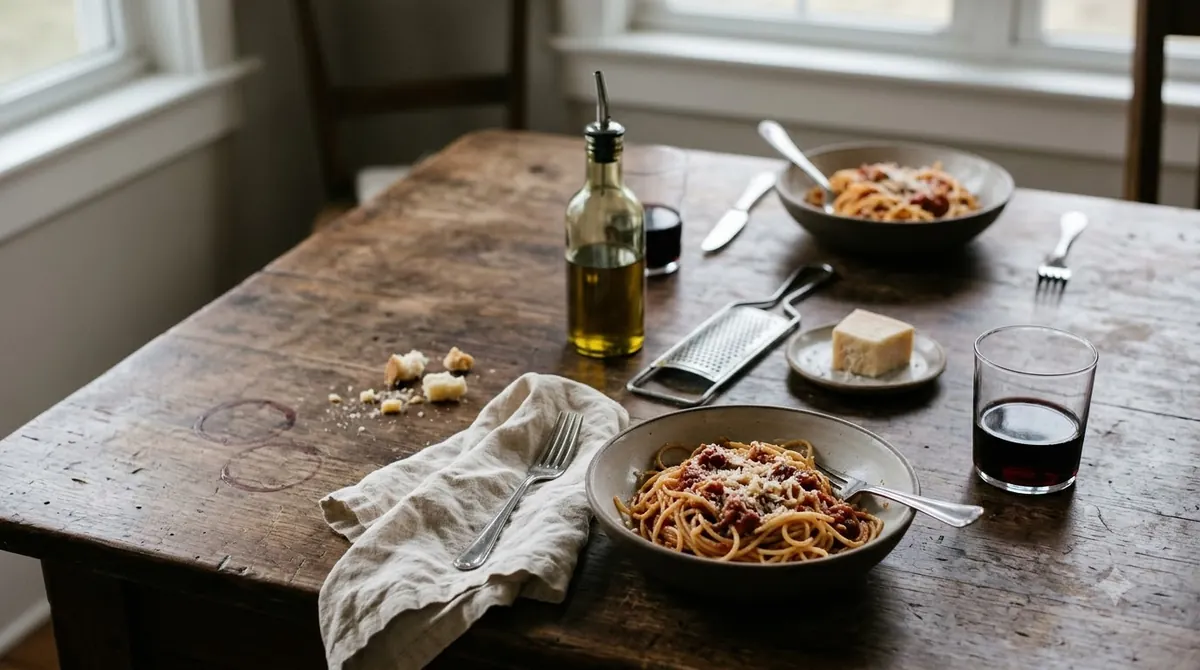
According to the same WebStaurant guide, bolognese is “a meat-based ragu with only a small amount of tomato,” made from ground meats, white wine, milk and mirepoix. It pairs with tagliatelle, fettuccine, spaghetti and rigatoni.
Because a meat sauce is thick, it suits spaghetti that has a little body to hold onto it. It is a good choice when you have an hour or more to simmer and want leftovers the next day.
Creamy, Egg and Herb Options
Carbonara and pesto give spaghetti a rich finish without any tomato, and they are often picked for a change from red sauce.
The guide describes carbonara as “a rich and creamy pasta sauce distinguished by an egg,” and lists egg yolks, pancetta, Parmesan, cream and butter among its ingredients. Versions vary, so check the recipe you follow. Pesto is described as a “bright green basil-based pasta sauce” that requires no cooking. It is made from basil, pine nuts, olive oil, Parmigiano-Reggiano and garlic.
Pesto contains pine nuts, so label it clearly if you serve guests with nut allergies.
Quick Comparison of Spaghetti Sauces
The table below sums up the main bases of the best sauce for spaghetti options and the pasta shapes each one is listed with in the guide. Use it as a starting point, then adjust to your taste.
| Sauce | Main base | Listed with spaghetti |
|---|---|---|
| Marinara | Crushed tomatoes, onion, garlic, herbs | Yes |
| Bolognese | Ground meat, white wine, milk, mirepoix | Yes |
| Carbonara | Egg yolks, pancetta, Parmesan, cream, butter | Yes |
| Pesto | Basil, pine nuts, olive oil, Parmigiano-Reggiano, garlic | Yes |
| Pomodoro | Tomatoes, garlic, olive oil, fresh basil, salt | Yes |
How to Choose the Right Sauce
Match the weight of the sauce to the strand, because that is how you find the best sauce for spaghetti for each meal. Thin sauces suit delicate pasta, while thick, chunky sauces hold up to sturdier shapes. Spaghetti sits in the middle, so most sauces work, and the choice comes down to your schedule.
- Pick marinara or pomodoro for a weeknight dinner when you want the sauce ready while the pasta cooks.
- Choose bolognese when you can simmer for a long time and want a hearty meal.
- Go with carbonara or pesto when you want something without tomato.
- Serve pesto only after checking for nut allergies, since it usually contains pine nuts.
Tips for Choosing the Best Sauce for Spaghetti at Home
Finding the best sauce for spaghetti depends on your kitchen, your schedule and the people you are feeding. A good test is to ask what the dish should feel like: bright and fresh, rich and meaty, or soft and creamy. Each answer points to a different base for your best sauce for spaghetti, and the five sauces in the table above cover all three moods.
If you are cooking spaghetti for the first time, start with the simplest option. A pot of marinara teaches you how to season tomatoes, and once you know that, you can move on to a longer bolognese. Many home cooks treat marinara as the best sauce for spaghetti on busy weeknights, while bolognese earns its place on weekends when there is more time.
Shop with the sauce in mind, since shopping for the best sauce for spaghetti starts at the pantry. Canned whole tomatoes, a wedge of Parmesan and a good box of dried spaghetti will carry most versions, and you can add pancetta or pine nuts when a recipe calls for them. Keep the rest of the pantry simple so the sauce stays the focus of the plate.
Season as you go. Taste the sauce, add salt in small amounts, and finish with a little olive oil or butter to round out the flavor. A sauce is only as good as its seasoning, so write down the version your household likes. That way you can repeat the best sauce for spaghetti that worked for you the next time, and the sauce in your kitchen stays the one you can repeat.
Frequently Asked Questions
What is the best sauce for spaghetti if I am cooking for beginners?
Marinara or pomodoro is the easiest starting point for the best sauce for spaghetti. Both use a short list of ingredients and do not need long simmering.
Does spaghetti work with pesto?
Yes. The guide lists spaghetti among the pairings for pesto. Because pesto has no cooking step, it is quick, but check the label for pine nuts if you cook for others.
Should spaghetti always get a thick sauce?
No. Thin tomato sauce works well with spaghetti because the strands are long and can hold a light coating. Thicker sauces are a matter of preference.
Can I make these sauces ahead of time?
Marinara and bolognese both reheat well, so you can make a batch and store the extra. Carbonara is best made just before serving, because the egg sauce can turn grainy if it sits.
For most home cooks, marinara is the best sauce for spaghetti to learn first, and it can be dressed up with herbs or chili as you get comfortable. Save bolognese for a weekend and pesto for a quick lunch. Whichever you choose, toss the spaghetti with a splash of the cooking water so the sauce coats every strand.
 7 min readLearnCarbonara vs Alfredo: Ingredients, Origins and Which Sauce to ChooseUpdated Nov 10, 2026
 8 min readLearnBolognese Sauce Recipe: How to Make a Classic Ragu at HomeUpdated Nov 10, 2026
 6 min readLearnBest Sauce for Cavatappi: Chunky, Cheesy and Pesto OptionsUpdated Nov 13, 2026
 6 min readLearnBest Sauce for Fusilli: Meat, Tomato, Cream and PestoUpdated Nov 13, 2026
 6 min readLearnBest Sauce for Strozzapreti: Meat Ragù, Tomato and PestoUpdated Nov 13, 2026
 6 min readLearnBest Sauce for Macaroni: Cheese, Ragù, Pesto and Salad DressingsUpdated Nov 13, 2026