
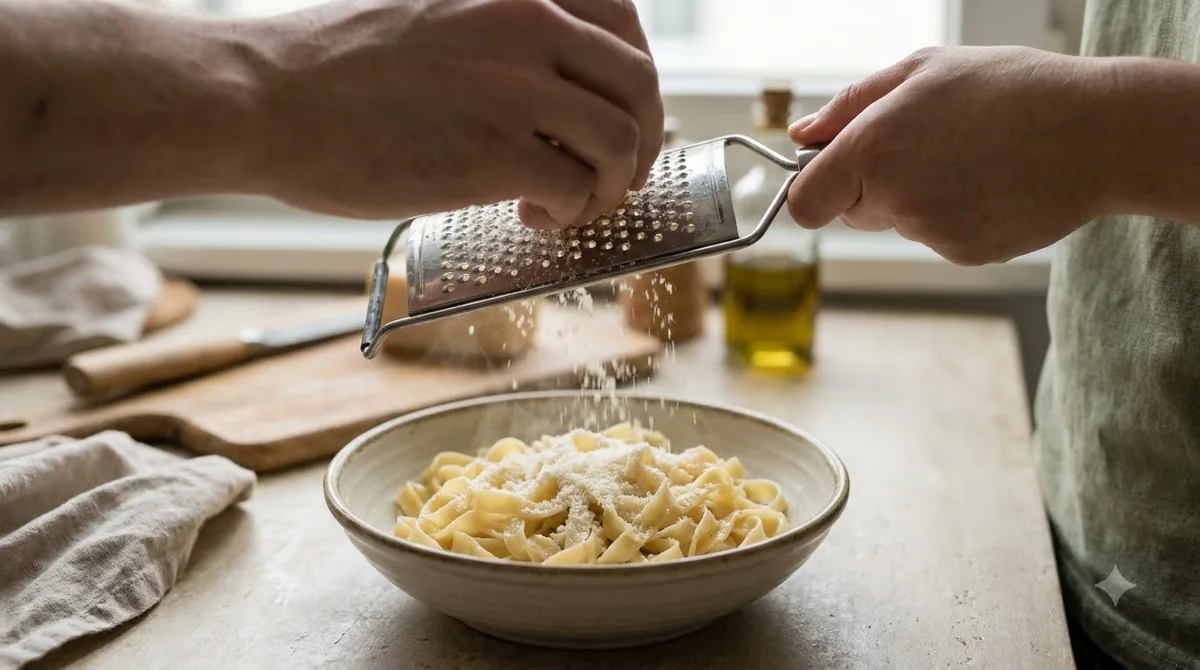

Carbonara vs alfredo is a choice between two Roman pasta sauces with different bases. Carbonara gets its body from egg, pecorino and cured pork, while classic alfredo uses only butter and Parmesan. Most alfredo served in the United States also adds cream.
Carbonara vs alfredo comes down to taste. Carbonara suits a salty, peppery, meaty plate, while alfredo suits a mild, buttery sauce with very few ingredients. Decide by taste first, then check whether you eat pork.
| Pick | Best for | Key fact |
|---|---|---|
| Carbonara | Salty, peppery, meaty flavor | Traditional recipe uses guanciale, pecorino and eggs, with no cream |
| Alfredo | Mild, rich, buttery flavor | The original Roman version uses only fettuccine, butter and Parmesan |
Where Carbonara and Alfredo Come From
Both dishes come from Rome, but their histories are documented very differently. Looking at carbonara vs alfredo by history, carbonara is hard to date, while alfredo has a named creator and a known restaurant.
The name carbonara is not recorded before the Second World War. According to the Wikipedia entry on carbonara, the name first appears in print in 1939 in a Dutch East Indies newspaper, and the first attested recipe comes from a 1952 Chicago cookbook. The first Italian recipe appeared in 1954 in La Cucina Italiana, and it included pancetta, garlic and Gruyere rather than the pecorino and guanciale used today.
The alfredo side of carbonara vs alfredo has a clearer origin. Alfredo di Lelio made the first version in Rome around 1907 or 1908, and he later opened a restaurant on via della Scrofa around 1914. The famous visit by Mary Pickford and Douglas Fairbanks is dated to the early 1920s, and the Wikipedia article on fettuccine alfredo places it there, not in 1914.
The two sides of carbonara vs alfredo also took different paths abroad. In Italy, the Roman original is usually called fettuccine al burro and is served without cream. Cream was common in many carbonara versions too, but sources report that it was widely removed in the 1990s.
What Goes Into Each Sauce
Carbonara uses pasta, cured pork, pecorino romano, eggs and black pepper, while the original alfredo uses only fettuccine, butter and Parmesan.
Guanciale is the traditional pork for carbonara. It is salt-cured pork from the jowl or cheek, and its name comes from the Italian word for cheek. In Rome it is usually rubbed with only salt and black pepper, then air-cured until it loses about 30 percent of its original weight. Its taste is bolder than pancetta, which can stand in when guanciale is hard to find, as the pancetta vs guanciale comparison explains.
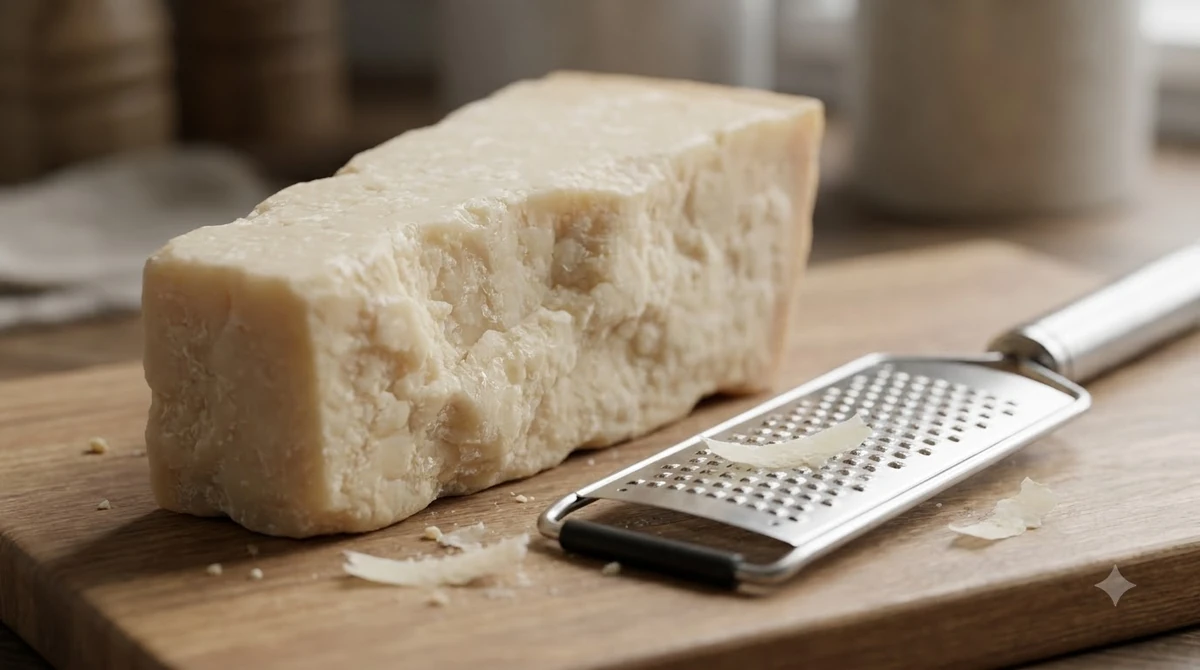
Pecorino romano is a hard, salty cheese made only from sheep’s milk, covered in more detail in what pecorino romano is. It must age at least five months, and it carries an EU Protected Designation of Origin. Nearly all of its production now comes from Sardinia, although it is also made in Lazio and in the province of Grosseto in Tuscany.
| Ingredient | Carbonara | Classic alfredo | American alfredo |
|---|---|---|---|
| Pasta | Spaghetti usually, also bucatini or rigatoni | Fettuccine | Fettuccine |
| Fat | Fat rendered from guanciale | Butter | Butter |
| Cheese | Pecorino romano usually | Young Parmesan | Parmesan |
| Egg | Yes, whole eggs or yolks | No | No |
| Cream | No | No | Heavy cream or half-and-half |
| Pork | Guanciale (pancetta or bacon as substitutes) | None | None in the base sauce |
When you compare carbonara vs alfredo ingredients, Parmesan causes the most confusion. Parmigiano-Reggiano must age at least 12 months, according to its Wikipedia entry, and inside the EU the word Parmesan refers only to this protected cheese. Outside the EU, Parmesan can be a local imitation that is aged for less time, so the label matters. For a closer look at the two hard cheeses, read Parmigiano-Reggiano vs Pecorino Romano.
How Each Sauce Is Made
Carbonara is built by frying the cured pork in its own fat, then mixing eggs and cheese into the hot pasta away from direct heat so the sauce turns creamy without scrambling. Alfredo is simpler, because butter and cheese are melted together into one sauce.
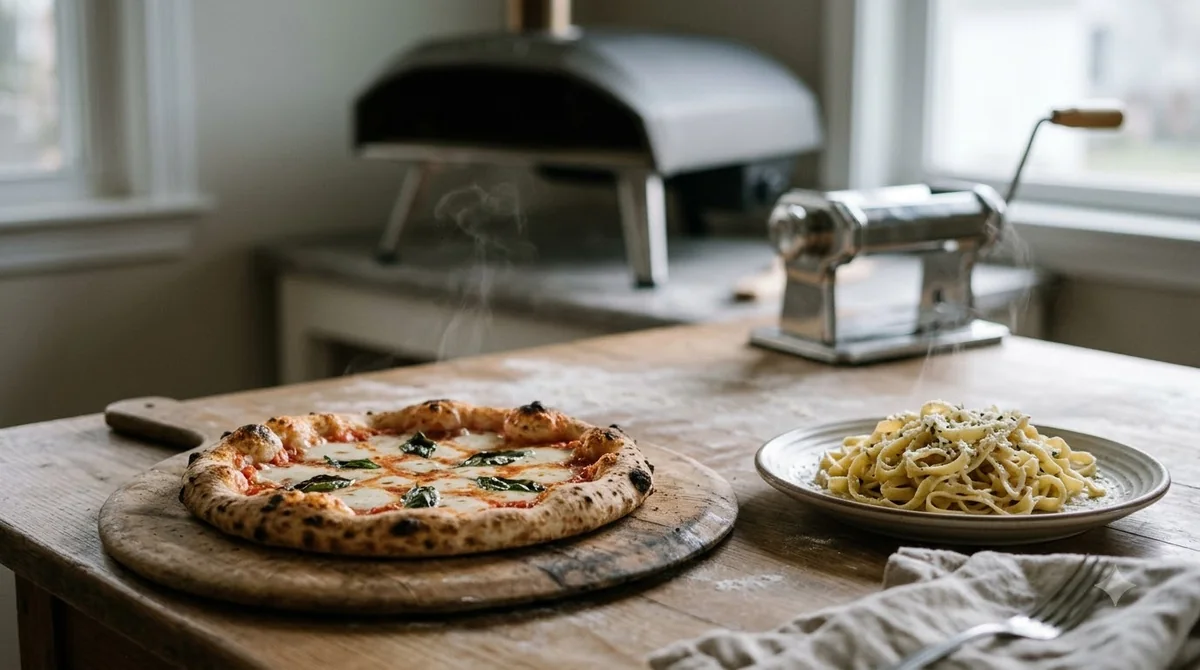
The carbonara method is short, but timing matters most. The technique is where carbonara vs alfredo differs most. Follow these steps in order, or use the full carbonara recipe for exact quantities:
- Cook the pasta in lightly salted water. The pork and the cheese are already salty, so go light on the salt.
- Fry the guanciale briefly in its own fat until it is cooked through and the fat has rendered.
- Beat the eggs or yolks with grated pecorino and plenty of black pepper in a bowl.
- Drain the pasta, then mix it with the egg and cheese mixture away from direct heat so the eggs thicken gently and do not curdle.
- Add the fried pork and toss everything together until the sauce coats the pasta.
Classic alfredo follows a different logic. Butter and young Parmesan are melted and emulsified into a rich sauce for the fettuccine, with no eggs and no pork. Many American recipes add heavy cream or half-and-half, which makes the sauce heavier and gives it a looser texture that many diners expect. The alfredo sauce recipe shows how to make it at home.
Which One to Choose and When
Choosing carbonara vs alfredo comes down to this. Choose carbonara for a sharp, salty sauce with a meaty bite and no cream, and choose alfredo for a mild, buttery plate that needs only three core ingredients.
- Pick carbonara when you want a peppery, salty sauce that tastes of cured pork and cheese.
- Pick classic alfredo when you want the fewest ingredients and a mild, buttery sauce.
- Pick American alfredo when you want a thicker, creamier sauce or plan to add chicken, shrimp or broccoli, which US versions sometimes include.
- Skip traditional carbonara if you avoid pork, because guanciale is the classic base and the substitutes change the dish.
This carbonara vs alfredo comparison covers the Roman original and the common American versions. Regional recipes and home cooks vary, so treat the ingredient lists as the traditional baseline rather than a rule.
Common Mistakes With Both Sauces
The most frequent carbonara vs alfredo errors are adding cream to carbonara, cooking the eggs over direct heat, and assuming every Parmesan label means the same cheese.
- Adding cream to carbonara. Cream is not part of the traditional recipe, and it was widely removed from carbonara in the 1990s.
- Stirring eggs over the burner. Mix them with the hot pasta away from direct heat to avoid curdling.
- Buying any Parmesan without checking the label. Only the protected Parmigiano-Reggiano is guaranteed to have aged at least 12 months.
Frequently Asked Questions
Is the difference between carbonara vs alfredo mainly about cream?
When people search carbonara vs alfredo, cream is the most visible difference in American versions, but the bigger gap is the base. Carbonara relies on egg, cheese and rendered pork fat, while classic alfredo relies on butter and Parmesan alone. Even without cream, the two sauces taste very different.
Is bacon an acceptable substitute for guanciale?
Guanciale is the traditional choice, and pancetta is the closer substitute because it is also cured pork. Bacon is a common substitute outside Italy, but guanciale has a bolder taste than pancetta, so the sauce will differ.
Is fettuccine alfredo an Italian dish?
Yes, alfredo was created in Rome by Alfredo di Lelio, so the carbonara vs alfredo pair shares a Roman origin. Italians usually call it fettuccine al burro, and the Roman original is served without cream. The alfredo name and the cream-based version are mostly associated with the United States.
Which Parmesan should I buy for alfredo?
For carbonara vs alfredo at home, look for Parmigiano-Reggiano, which must age at least 12 months under the protected rules. Outside the EU, Parmesan can be a local imitation with a shorter age, and US labeling rules for Parmesan require at least 10 months. Check the label before you buy.
What is the best substitute for guanciale in carbonara?
Pancetta is the best substitute because it is cured pork and it can stand in when guanciale is unavailable. Bacon works as a further fallback. Expect a milder taste, since guanciale is bolder than pancetta and the pork fat is what carries the sauce.
If you are deciding on carbonara vs alfredo, start with the flavor you want. Carbonara fits a salty, peppery plate built on cured pork, while alfredo fits a mild, buttery one. Check labels for pork and for the age of your Parmesan before you shop.
 8 min readLearnCarbonara Recipe: Ingredients, Steps and How to Avoid Scrambled EggsUpdated Nov 10, 2026
 9 min readLearnGnocchi vs Pasta: Ingredients, Cooking and Which to ChooseUpdated Nov 14, 2026
 9 min readLearnAlfredo Sauce Recipe: How to Make Creamy Alfredo at HomeUpdated Nov 10, 2026
 6 min readLearnBest Sauce for Spaghetti: Marinara, Bolognese, Carbonara and PestoUpdated Nov 13, 2026
 7 min readLearnCapunti Pasta: Shape, Origin, Recipe and Best SaucesUpdated Nov 11, 2026
 8 min readLearnReginette Pasta: Shape, Origin and 5 Best SaucesUpdated Nov 11, 2026