
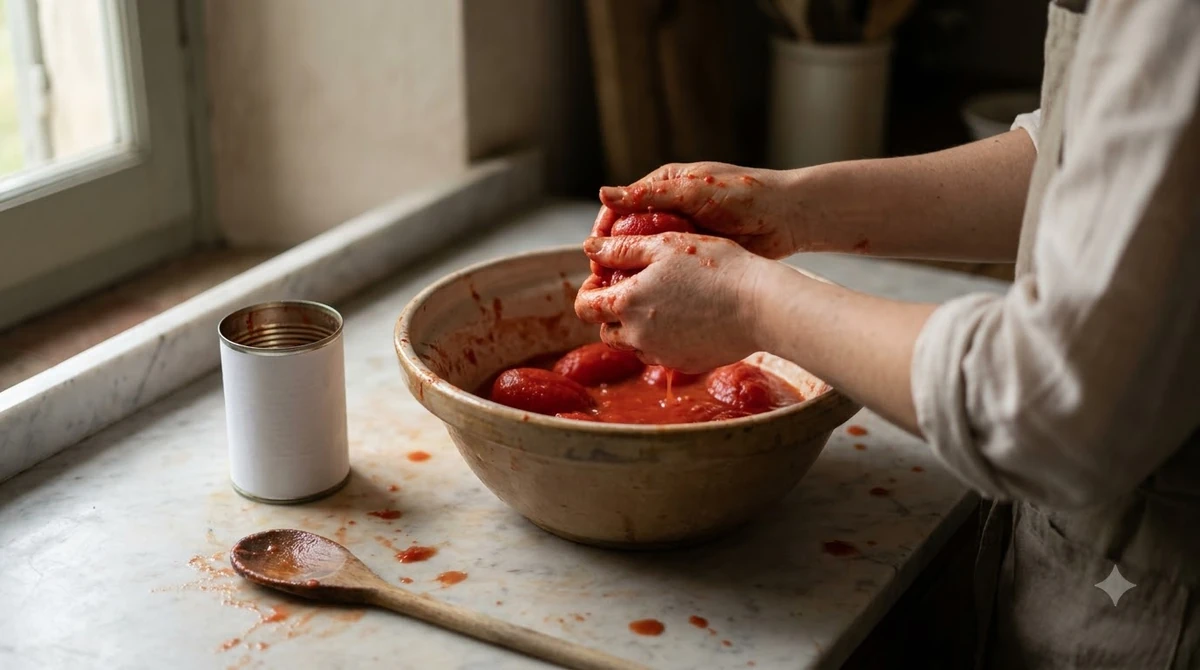

A bolognese sauce recipe starts with a slow-cooked ragù, a meat sauce from Bologna built on a soffritto, mixed meat, white wine and a small amount of tomato. The sauce is simmered gently for a long time until it turns thick. It is a sauce for flat egg pasta, not a quick tomato sauce.
This guide covers the ingredients that define the classic version, a step-by-step method, the pasta to serve, and where the recipe comes from. Sources differ on details, so the amounts below come from one published home recipe and are used for scale only.
What Is Bolognese Sauce?
Bolognese sauce is a meat ragù from Bologna, a city in northern Italy, that is cooked slowly until it becomes thick and rich. Every bolognese sauce recipe starts from that idea, even when the details change. The sauce is related to the French ragout, a stew of ingredients cut into small pieces that became popular in the 18th century.
Most people outside Italy know the dish as a pasta sauce. In Bologna it is closely tied to fresh egg pasta, so the texture of the pasta matters as much as the sauce itself. A bolognese sauce recipe is a method more than a fixed list, and cooks adjust the meat, wine and tomato to taste. For a southern Italian meat sauce cooked slowly with larger cuts of meat, see our ragu alla napoletana recipe.
If you compare a bolognese sauce recipe with a simpler red sauce, the difference is in the balance. The meat leads, the tomato supports, and the sauce is cooked long enough to turn thick rather than watery. The sources also show that the recipe has changed over time, which is why the history section below matters.
What Goes Into a Classic Bolognese
A classic bolognese starts with a soffritto of onion, celery and carrot, then adds minced or finely chopped beef, often with a small amount of fatty pork. The ingredient list is short, and each item has a clear role in the final sauce. Soffritto is the same vegetable base used across Italian cooking: the onions, carrots and celery are chopped together and cooked slowly in butter or olive oil, and it is a base for ragù rather than a dish by itself.
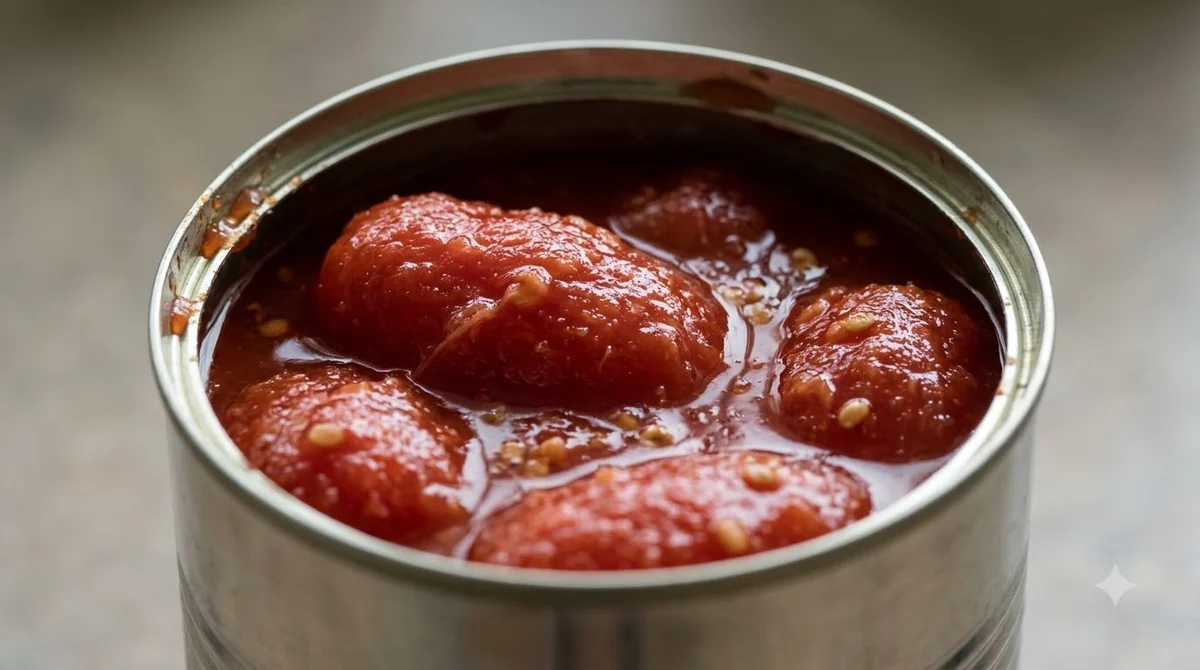
- A soffritto of onion, celery and carrot, cooked slowly as the base of the sauce.
- Different types of minced or finely chopped beef, often with a small amount of fatty pork.
- White wine, added to loosen the browned bits from the pan.
- Milk, which is listed among the ingredients of the traditional method.
- A small amount of tomato paste or tomato puree, kept light so the meat stays in front.
The main sources name these ingredients but give no quantities. For scale, the Wikibooks spaghetti with bolognese meat sauce recipe works as a bolognese sauce recipe for 4 with 1 lb (450 g) of ground beef, 1/4 lb (125 g) of ham or bacon, 1 cup of chopped onion, 1/4 cup each of celery and carrot, 1/2 cup of red wine, 2 cups of beef stock, 1/4 cup of tomato paste, 1 cup of canned plum tomatoes and 1 lb of spaghetti.
It is a home variant: it uses ham or bacon, red wine and stock, has no milk and is served with spaghetti, so it differs from the classic list above. Use it for proportions only. Keeping the tomato small is the main difference between a bolognese and a red sauce built on tomato, such as how to make marinara sauce.
Bolognese Sauce Recipe: Step by Step
The method combines sweating, sautéing and braising, then a long gentle simmer that reduces the liquid and thickens the sauce. The steps below follow that order.
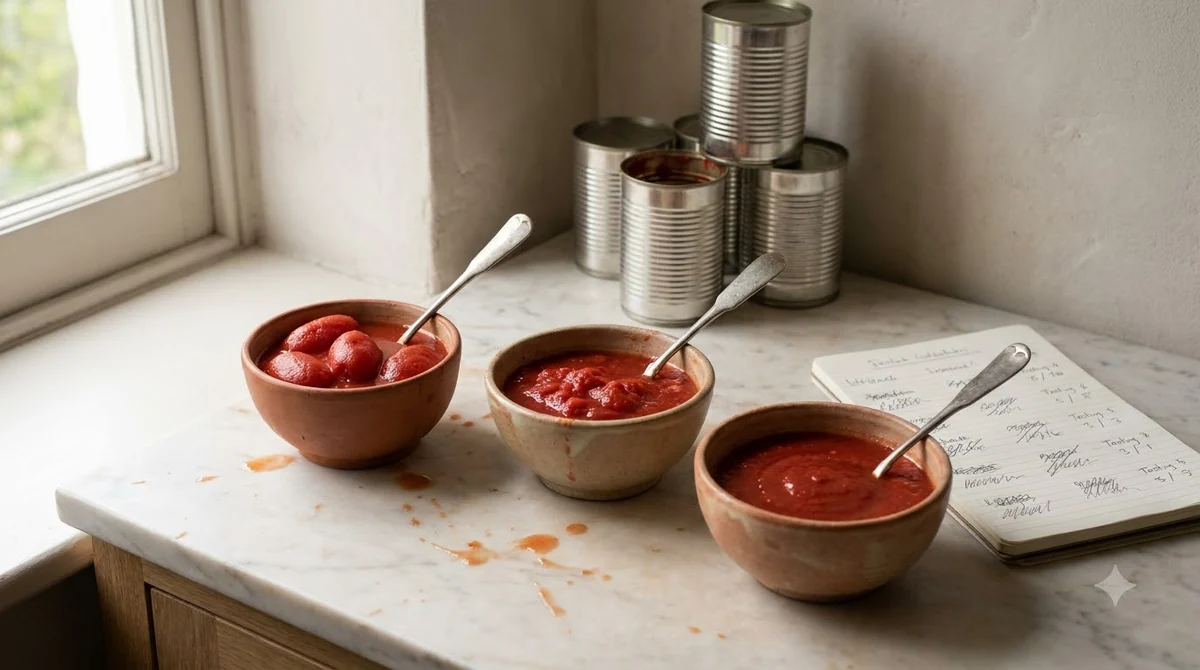
- Sweat the soffritto of onion, celery and carrot in fat over low heat until soft, without browning it hard.
- Add the mixed meat and sauté it until the pieces lose their raw colour and brown lightly.
- Pour in the white wine and let it reduce, scraping up the bits stuck to the pan.
- Stir in the small amount of tomato paste or tomato sauce and cook it briefly with the meat.
- Add the milk, then cover loosely and braise over low heat, stirring from time to time.
- Simmer gently for a long time until the sauce is thick. The classic sources do not give an exact time, while the Wikibooks home recipe simmers for an hour or more, so judge by the texture.
The common thread in every version is patience. A bolognese sauce recipe that is rushed usually stays thin and tastes of tomato rather than of slow-cooked meat, which is why the long simmer is the step that matters most.

Which Pasta to Serve With Bolognese
Tagliatelle pasta is the traditional pairing for a bolognese sauce recipe in Bologna. Tagliatelle are long, flat ribbons from Emilia-Romagna and Marche, traditionally about 6 mm wide, and the classic dough is egg pasta with a ratio of one egg to one hundred grams of flour, according to Wikipedia’s tagliatelle entry. Sources disagree on the flour: the Ragù page describes northern Italian soft wheat flour, while the tagliatelle infobox lists durum wheat semolina flour and eggs.
The surface of tagliatelle is porous and slightly rough, which helps it hold a thick meat sauce, and that is why a bolognese sauce recipe pairs so well with it. Pappardelle, fettuccine, rigatoni and penne are accepted alternatives (see pappardelle pasta and rigatoni pasta), and the ragù also appears in lasagne alla bolognese with béchamel.
| Pasta | Shape | Why it works |
|---|---|---|
| Tagliatelle | Flat egg ribbon | The traditional pick in Bologna |
| Pappardelle | Wide flat ribbon | Holds a thick ragù on each strand |
| Fettuccine | Flat ribbon | A listed alternative to tagliatelle |
| Rigatoni | Large tube | Catches the meat in the tube |
| Penne | Short tube | A listed alternative for everyday cooking |
Flat pasta suits a sauce that clings to long, wide strands. Tube pasta suits a sauce with small pieces of meat. Cook the pasta in salted water until it is just tender, then toss it with the sauce in the pan for a minute before serving.
The Official Recipe and Its History
The earliest documented ragù served with pasta dates to the end of the 18th century in Imola, where Alberto Alvisi cooked for Cardinal Barnaba Chiaramonti, later Pope Pius VII. The Italian Academy of Cuisine deposited a classic bolognese recipe with the Bologna Chamber of Commerce on 17 October 1982.
- End of the 18th century: first documented ragù served with pasta, in Imola.
- 17 October 1982: classic recipe deposited with the Bologna Chamber of Commerce.
- 20 April 2023: updated reference text took effect and was deposited in the same way.
The academy’s 2023 announcement describes the updated text, but the measurements sit in a separate PDF that was not read for this guide. Food writers also disagree, and one commonly quoted view is that there is no definitive recipe for a bolognese meat sauce. Read the Italian Academy of Cuisine’s 2023 announcement for the official reference details.
Common Mistakes With Bolognese
The most common mistake is rushing the simmer, which keeps the sauce thin and the flavour flat. Other errors are easy to avoid once you know them. A good bolognese sauce recipe makes the meat the star, so each mistake below is really a way of letting tomato take over.
- Adding too much tomato, which turns the sauce into a marinara-style dish rather than a meat ragù.
- Browning the soffritto too hard, which makes the base bitter instead of sweet.
- Skipping the wine reduction, so the sauce lacks depth.
- Serving the sauce before it has thickened. Sources describe a gentle simmer at length, so wait for the texture to change.
Frequently Asked Questions
Is there one official bolognese sauce recipe?
No single bolognese sauce recipe is official for every cook. The Italian Academy of Cuisine deposited a classic text in 1982 and an updated text in 2023, and home cooks still differ on the details.
Is milk used in bolognese?
Yes, milk is listed among the ingredients of the classic bolognese sauce recipe. The classic sources do not give an amount, and the Wikibooks home recipe leaves milk out, so check the quantity in the recipe you follow.
Can you use spaghetti for bolognese?
Tagliatelle is the traditional pair for a bolognese sauce recipe. Pappardelle, fettuccine, rigatoni and penne are the accepted alternatives, and spaghetti is not on that list.
What is the difference between bolognese and marinara?
Bolognese is a slow-cooked meat ragù with only a small amount of tomato. Marinara is a tomato-based sauce that has no meat.
What is soffritto in a bolognese sauce recipe?
Soffritto is the base of onion, celery and carrot chopped together and cooked slowly in butter or olive oil. It is a common base for ragù, and the vegetables are not meant to be eaten as a dish by themselves.
How long should bolognese simmer?
The classic sources describe a gentle simmer at length until the sauce thickens, without an exact time. The Wikibooks home recipe simmers for an hour or more, so judge by the texture of the sauce.
For a bolognese sauce recipe that works at home, choose tagliatelle or another listed pasta and give the sauce a patient simmer. Take the quantities and timing from the recipe you trust, because the classic method is more about technique than exact numbers.
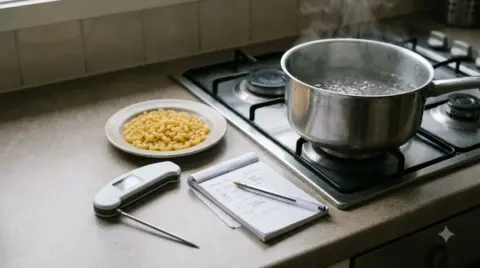
 8 min readLearnRagu alla Napoletana Recipe: A Slow-Simmered Neapolitan ClassicUpdated Nov 10, 2026
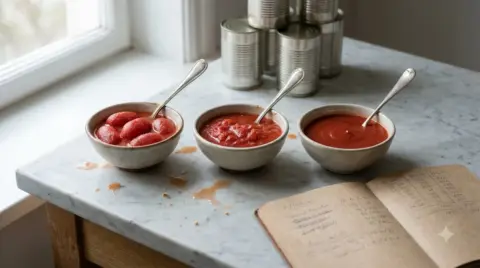
 8 min readLearnRagu Bianco Recipe: A Tomato-Free White Meat SauceUpdated Nov 11, 2026
 8 min readLearnPuttanesca Sauce Recipe: A Classic Italian MethodUpdated Nov 10, 2026
 8 min readLearnItalian Salsa Verde Recipe: A Classic Parsley SauceUpdated Nov 11, 2026
 8 min readLearnBruschetta Recipe: How to Make Classic Tomato Bruschetta at HomeUpdated Nov 12, 2026
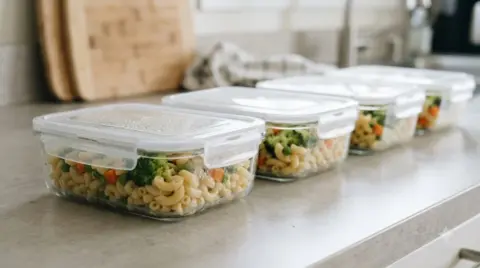 8 min readLearnClam Pizza Recipe: A Classic White Clam Pie You Can Make at HomeUpdated Nov 6, 2026