
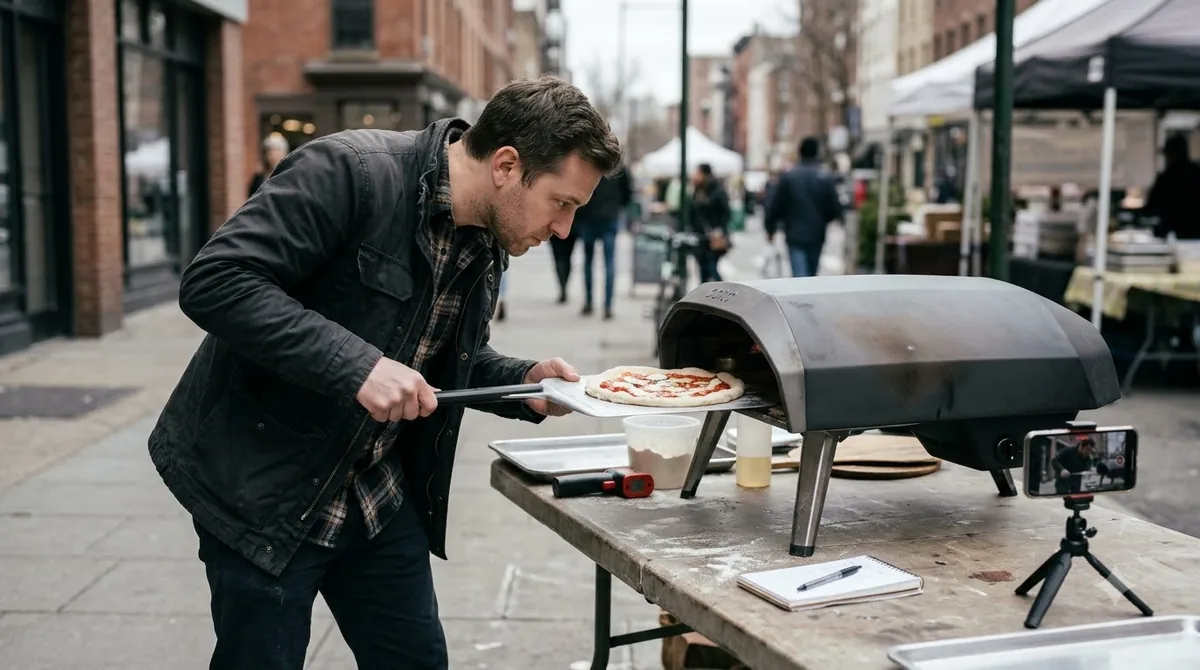

A Solo Stove Pi Prime stand should be stable, heat-safe on top and sized for the oven’s footprint and height. The right table or stand keeps the oven level, gives you a workspace at a comfortable height and places the oven on a surface that can handle its heat. Because stand sizes and fit depend on the exact model, check the manufacturer’s manual for the oven’s dimensions before you buy or build anything. For a solo stove pi prime stand, the manual is the first reference.
What a Pi Prime Stand Needs to Do
A stand has three jobs. It holds the oven steady when you lift a peel with a pizza on it, it puts the cooking opening at a height you can reach without bending, and it keeps heat and any ash away from surfaces that cannot take it. A good stand does all three without blocking the airflow the oven needs. Those jobs apply to any solo stove pi prime stand you consider.
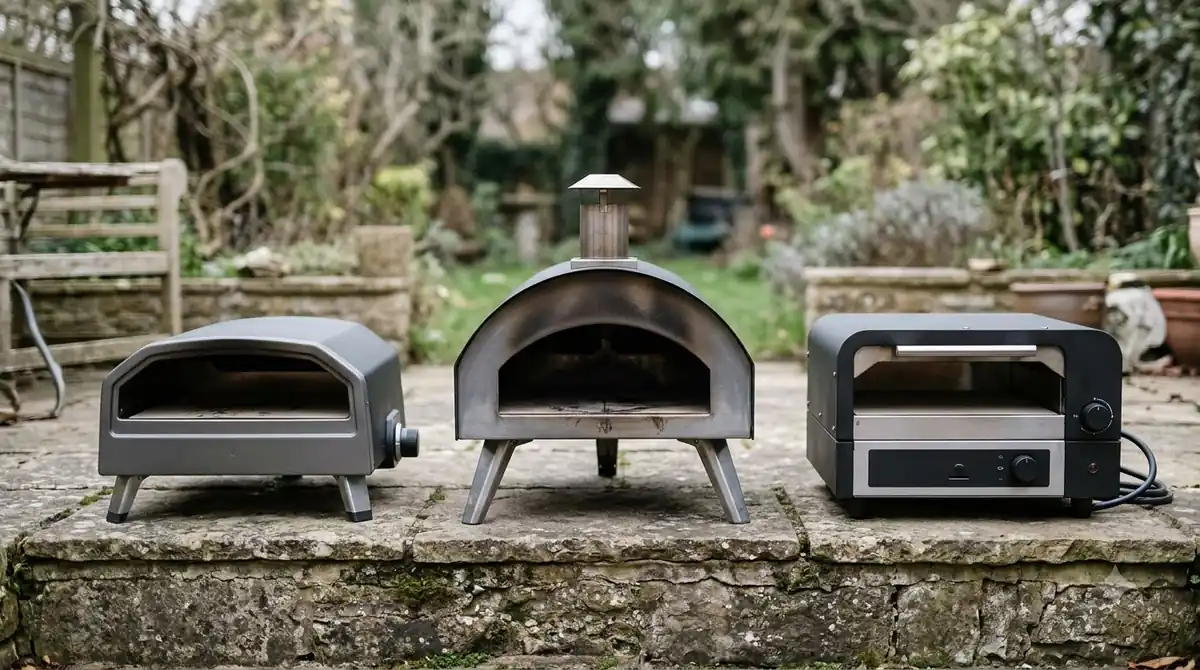
Most home cooks will want a stand that fits both the oven and the space it will live in. A stand that is too low makes you work with your back bent, while one that is too high can make it hard to see inside the opening. Think about who will be using the oven and how often you will move it. For a solo stove pi prime stand, fit comes before style.
Height, Footprint and Work Surface
Height and footprint are the two measurements that decide whether a stand works in practice. Measure the oven’s height and base, then measure the space where the stand will sit, including the overhang for your peel and any side table for dough or toppings. They decide whether a solo stove pi prime stand works in practice. The original Pi sits lower and lighter, and table options for the standard Solo Stove Pi covers that case.
Height
Pick a height that puts the oven opening at about the level of your elbow when you stand. This keeps the peel angle comfortable and lets you see the pizza as it cooks. Check the manual for the oven’s overall height and the recommended stand height, since a stand that is only a few inches off can make a big difference.
Footprint
The top of the stand should be wide enough to hold the oven with a little room on each side. Leave space for a pizza peel at the front and for a small tray of toppings. A narrow top can tip if you lean on the oven to launch a pizza, so favor a wider base.
Heat-Safe Top and Clearance
A gas or wood-fired oven gets very hot, and the surface under it needs to tolerate that heat. A heat-safe top is the most important feature on any stand. Stone, metal and heat-rated composite tops are typical choices, while untreated wood and some plastics can scorch or warp. On a solo stove pi prime stand, this is the first check. Start your measuring with the Pi Prime’s size and footprint.
Keep clearance around the oven as the manual describes. Heat rises, and nearby walls, cabinets or a wooden fence can get hot enough to cause damage. Pizza stones also fail when they are subjected to sudden temperature changes, so do not place a cold stone on a very hot surface or move a hot stone onto a cold one. Clearance rules matter for any solo stove pi prime stand.
Stability and Materials
A stand has to stay put when you lift a peel and when the wind blows. Look for a wide base, feet that sit flat on the ground and a top that does not rock. A heavy oven on a light stand is a common reason for a wobble, so check the total weight the stand is rated for. A solo stove pi prime stand that rocks makes launching harder. For the wider picture on tabletops and heat, see a general guide to pizza oven tables.
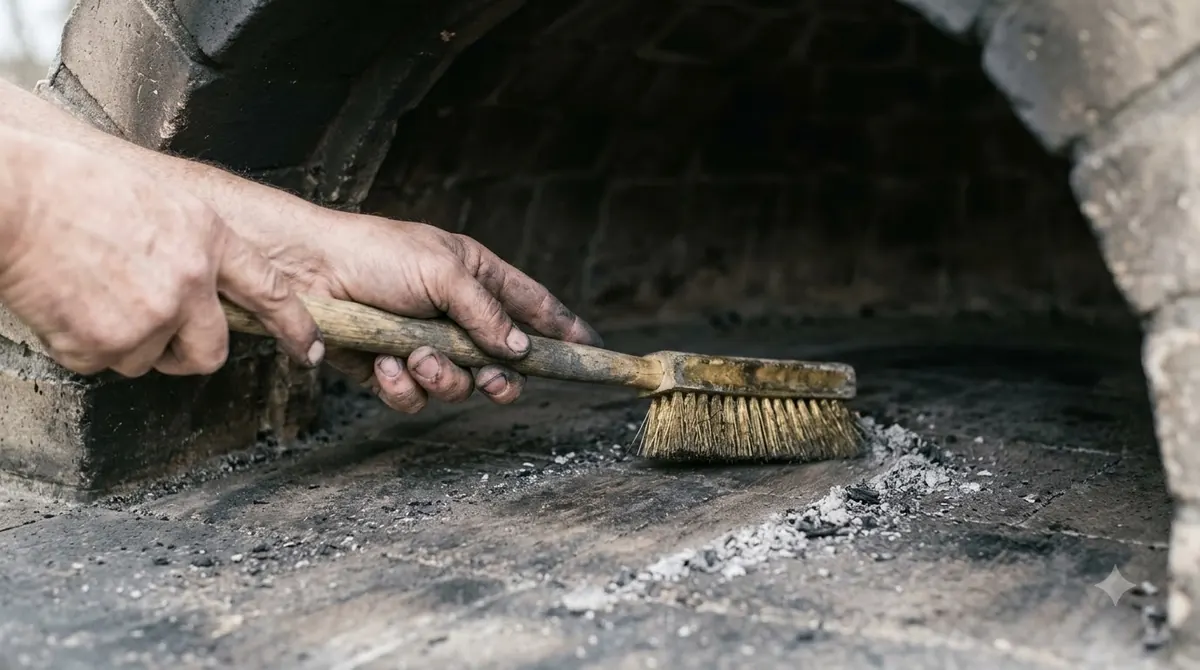
Materials matter too. Steel and powder-coated metal are common for portable ovens, and they are easy to clean. Wood can look attractive, but it needs a heat-safe top layer and a clear gap from the oven. Choose a material that suits your outdoor conditions, since rain and direct sun shorten the life of many finishes.
DIY Table or Ready-Made Stand
You have two routes: build a table yourself or buy a ready-made stand. A DIY table lets you match the exact height and footprint, but it is only as safe as the materials and joints you use. A ready-made stand is quicker to set up and is usually designed around the oven’s footprint, but it may not fit every space. Both routes can give a solo stove pi prime stand a safe, level base.
If You Build Your Own
Use a heat-safe top such as stone or metal, a frame that can carry the oven’s weight and a finish that tolerates outdoor use. Check the oven manual for any clearance it requires, and build the table so the oven can be lifted off without tipping.
If You Buy Ready-Made
Confirm the stand’s height, footprint and load rating before you buy. Read the description for heat-safe top materials, and check whether the manufacturer names the oven model it fits. Some stands are designed for a specific Solo Stove model, so do not assume a generic table will match. Check that the solo stove pi prime stand you buy names your oven model.
Frequently Asked Questions
What height should a Solo Stove Pi Prime stand be?
Choose a height that brings the oven opening to about elbow level, so you can reach in and see the pizza comfortably. Confirm the exact oven height and the recommended stand height in the manual before you buy. This applies to any solo stove pi prime stand.
Can I put the oven on a wooden table?
Only with a heat-safe top layer and a clear gap from the oven. Bare wood can scorch, so check the manual’s clearance requirements first.
Is a DIY stand safe for a pizza oven?
It can be, if the frame carries the full weight, the top is heat-safe and the oven can be lifted off without tipping. Check the manual’s clearance and weight limits before you build.
Does the stand need to be level?
Yes. A level stand keeps the oven steady and makes it easier to slide a peel in and out without knocking the pizza. Use a spirit level on the top before you set the oven down. Level is the first check for a solo stove pi prime stand.
The best table for a Solo Stove Pi Prime is one that is stable, heat-safe on top and sized to the oven and the space around it. Measure first, check the manual’s clearance and weight figures, and choose a stand or a DIY design that keeps the oven level. A little planning here keeps the oven safer and makes every pizza easier to launch.
 9 min readGear & PantrySolo Stove Pi Stand: Pi 12 Fit, Size and Checks Before You BuyUpdated Nov 17, 2026
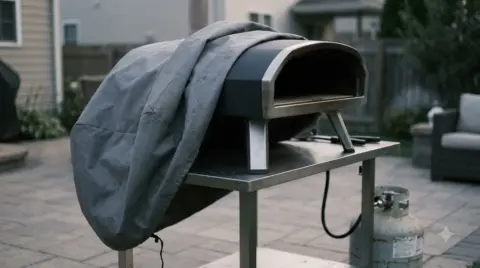 9 min readGear & PantryBest Cover for Solo Stove Pi: Fit, Safety and Storage ChecksUpdated Nov 11, 2026
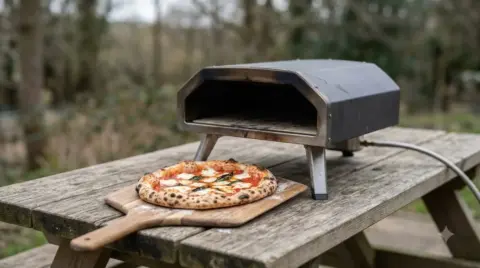 10 min readGear & PantryGozney Tread Stand: How to Choose a Table or Stand Before You BuyUpdated Nov 17, 2026
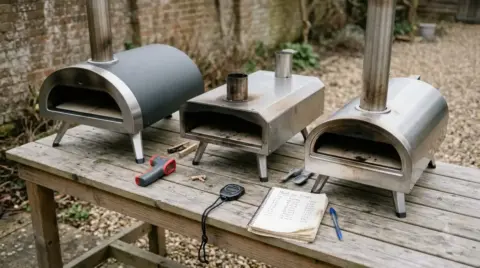 8 min readGear & PantryPizza Oven Table: How to Choose a Stand That Is Stable and Heat-SafeUpdated Nov 17, 2026
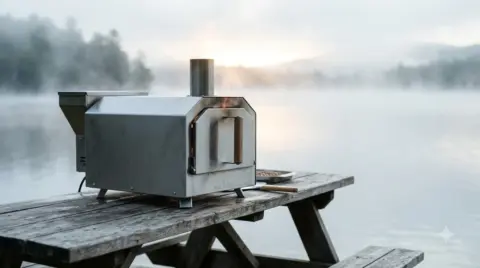 8 min readGear & PantryBest Table for Ooni Karu 2: Stands and Surfaces That FitUpdated Nov 11, 2026
 9 min readGear & PantryNinja Woodfire Pizza Oven Stand: Best Table Options for 2026Updated Nov 17, 2026