

Cappellacci pasta is a large stuffed pasta folded into a pointed, hat-like shape. It comes from Ferrara in Emilia-Romagna, Italy, where the classic version is filled with squash. Other versions of cappellacci pasta use cheese, greens or meat, and the smaller cousin is called cappelletti.
What is cappellacci pasta?
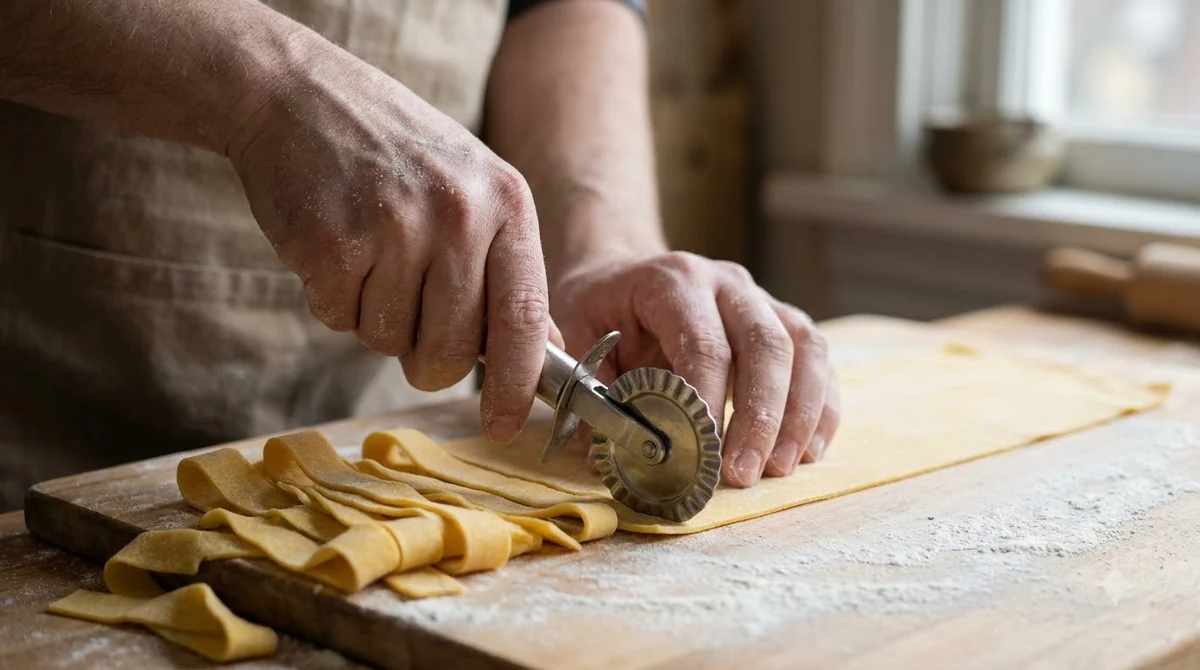
Cappellacci are pasta dumplings, often described as stuffed pasta squares or rounds, and a few of them make a full serving. The dough is cut into squares of about 7.5 cm (3 inches), or into rounds, and each piece is filled and folded. Because they are large, about 5 or 6 per person is usually enough.
The name of cappellacci pasta is usually translated as “large hats,” a nod to the pointed shape of the folded pasta. The style is most closely tied to Ferrara, a city in the Emilia-Romagna region of northern Italy, and the local tourism board treats it as a regional specialty.
Because the filling sits inside a thick square of dough, it carries most of the flavor. That is why cooks usually pick a simple sauce that supports the filling rather than one that competes with it. Other stuffed shapes such as agnolotti pasta and tortellini pasta follow the same idea.
How to fold a cappellacci
To fold cappellacci pasta, cut the dough into squares, place the filling in the center, and bring the corners together to form a pointed hat. The method is simple, but the result depends on how well each edge is sealed.
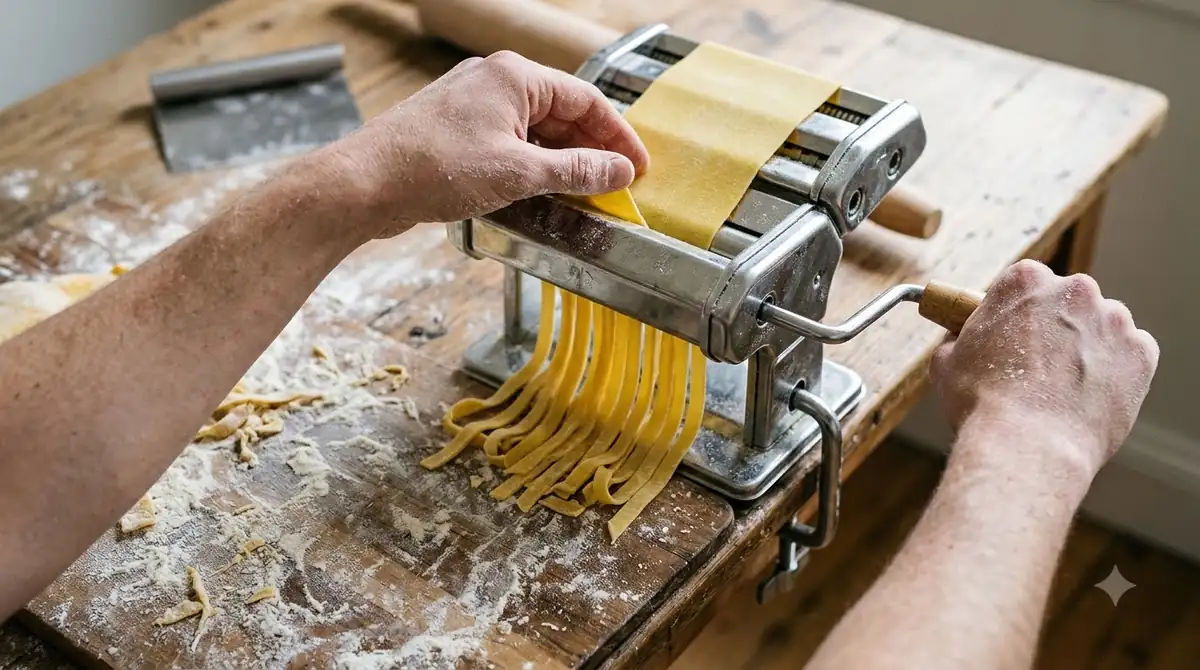
- Cut the dough into 7.5 cm squares, or into rounds if you prefer a larger piece.
- Turn each square into a diamond and place a spoonful of filling in the center.
- Fold the diamond into a triangle and press the edges firmly shut.
- Bring the two corners together and join them so the pasta stands up like a hat.
The finished cappellacci pasta looks like the straw hats once worn by farm workers. In the local dialect, the hat is called caplaz, which is one reason the name is linked to the shape. Spread the filling thinly and seal the edges well, or the pasta can open in boiling water.
The Ferrara pumpkin filling
The classic cappellacci di zucca filling is cooked squash mixed with Parmigiano Reggiano, breadcrumbs, nutmeg, salt and pepper. The squash is usually butternut, which Ferrara calls violina because of its long, violin-like shape. The regional guide says butternut is the ideal choice, and the squash is baked or steamed before it is mixed with the other ingredients.
- Squash, baked or steamed, then cooled and passed through a sieve
- Parmigiano Reggiano or Grana Padano
- Breadcrumbs to bind the mixture
- Nutmeg, salt and black pepper
- Eggs, in some versions
Historic recipes also used ginger, and black pepper was common in the past. Both are used less today. The pasta itself is made from Italian type 00 flour and eggs, rolled into a sheet before the filling goes in.
The regional tourism board credits Giovan Battista Rossetti, a steward for the Este court, with a recipe book dated 1584 that gives the first reference to this pumpkin-filled pasta with butter. Emilia-Romagna’s tourism guide to the pumpkin version gives this date. Another food reference dates the first recorded squash dumpling to 1582, so the exact year depends on the source.
Cappellacci vs cappelletti
Cappelletti is the smaller version of cappellacci pasta, so the two are close relatives that differ mainly in size. The larger pieces are the ones that need about 5 or 6 per person.
| Feature | Cappellacci | Cappelletti |
|---|---|---|
| Size | Large, about 7.5 cm squares or rounds | The smaller version |
| Classic filling | Pumpkin in Ferrara, ricotta and spinach elsewhere | Depends on the recipe |
| Portion | About 5 or 6 per person | Depends on the recipe and the size you make |
Cooksinfo notes only that a smaller version called cappelletti exists. For other folded and stuffed shapes, see cappelletti pasta and the comparison of tortellini vs ravioli.
Sauces and fillings you will see
According to the Emilia-Romagna tourism board, pumpkin cappellacci pasta is traditionally served with melted butter, sage and Parmigiano Reggiano. The same source lists a meat ragù or a tomato sauce as alternatives.
Fillings change from one cook to the next. These are the versions you are most likely to see in recipes:
- Pumpkin or butternut squash with Parmigiano, the Ferrara classic
- Ricotta and spinach, the usual filling in many other recipes
- Pumpkin with walnuts, which some versions add, according to Cooksinfo
A simple sauce such as butter and sage lets the taste of the filling stand out. A heavier ragù suits fillings with more meat or a stronger cheese. Use enough sauce to coat the pasta lightly, since the filling is already rich. Cooksinfo also mentions a pork and tomato sauce for the squash version, and notes that some cooks add walnuts to the filling, so the classic pairing has room for local variation.
Where the name comes from
The name cappellacci is usually translated as “large hats,” a reference to the pointed shape of the folded pasta. Sources agree on the translation of cappellacci pasta, but they differ on the story behind it.
- The hat shape: the folded pasta looks like a traditional straw hat.
- The court link: cooks who worked for the Este family in Renaissance Ferrara are said to have recorded the dish first.
- The dialect word caplaz: some local historians link the name to a Ferrarese word meaning “old hat.”
- The Lucrezia Borgia legend: a popular story ties the pasta to her hat, but one food reference says this claim is not reliable.
The Ferrara area keeps the tradition alive with the Sagra della Zucca e del suo Cappellaccio festival in San Carlo. As of November 2026, the local listing gives the last weeks of August for the San Carlo event, but dates change yearly, so check before you travel.
Cooking cappellacci pasta
Fresh cappellacci pasta cooks in simmering salted water, and the most reliable test is a taste of a thick edge near the filling rather than the clock alone. Let the cut dough rest for about 5 minutes, shape the pasta, then rest it for another 5 minutes before cooking.
- Bring a large pot of salted water to a gentle simmer.
- Add the cappellacci in batches so they do not stick together.
- Taste a thick edge near the filling to check that the dough is tender.
Cooksinfo says to cook them in simmering water and gives no fixed time, so the thick-edge taste test matters more than a timer. The same page says cappellacci can be frozen for up to 1 month.
Drain the pasta gently and toss it with the sauce right away, so the filling stays warm and the sauce clings to the squares.
Let the filling cool before you fold, because warm filling can soften the dough and make it tear. A basic fresh pasta dough recipe covers the dough side.
Frequently Asked Questions
What does cappellacci pasta mean?
Cappellacci means “large hats” in Italian. Local historians link the name to the dialect word caplaz, meaning “old hat,” which describes the folded shape of the pasta. The name is one of the easiest ways to remember what the shape looks like on the plate.
Is cappellacci the same as cappelletti?
No, but they are close relatives. Cappelletti is the smaller version of cappellacci, which are larger squares or rounds of stuffed pasta. The shape is similar, so size is the main difference you will notice on the plate.
What is cappellacci filled with?
The classic Ferrara filling is cooked butternut squash, called violina locally, mixed with Parmigiano Reggiano, breadcrumbs, nutmeg, salt and pepper. Eggs appear in some versions. Outside Ferrara, ricotta and spinach is a common alternative.
How many cappellacci should you serve per person?
Plan about 5 or 6 per person, because each square of cappellacci pasta is large. Serve fewer if the pasta comes after a starter, and more if it is the only dish. Larger rounds change the count, so adjust based on the size you make.
How long do you cook cappellacci pasta?
Cooksinfo says to cook cappellacci in simmering water and gives no fixed time. Test a thick edge near the filling, since dough thickness changes the time, and cook one test piece first.
Where does cappellacci pasta come from?
Cappellacci come from Ferrara in Emilia-Romagna, Italy, where the pumpkin version is a well-known local dish. Sources date the first written recipes to the 1580s, though they differ on the exact year. The Este court in Renaissance Ferrara is the setting most often cited for the early recipes.
If you want the classic taste of cappellacci pasta, start with the pumpkin version and keep the sauce simple, such as butter and sage. For other fillings, rely on the thick-edge test rather than a fixed timer, because dough thickness changes the cooking time. Cook one test piece first, since the first batch shows how your dough and filling behave.