

A charcuterie board for pizza night is a platter of cured meats, cheeses, crackers and small dips that guests can graze on while the pizzas bake. Keep cut produce, cheese and refrigerated meats out no more than two hours in total, and cut that limit to one hour when the room is above 90°F. Plan the board around that clock and refill it in small batches from the fridge.
What to Put on the Board
Build the board around shelf-stable items such as cured meats, hard cheeses and crackers, then add fresh produce and dips in small portions.
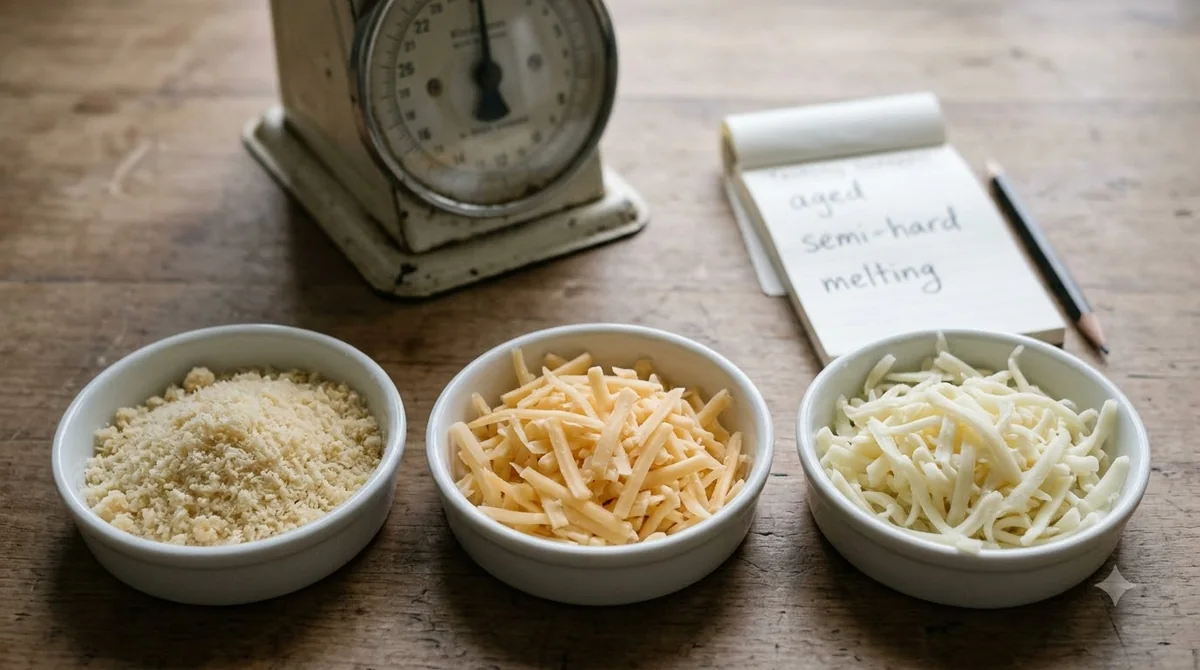
Extension guidance from Mississippi State lists crackers, dried fruits, breads, nuts, shelf-stable cured meats, and hard or semi-hard cheeses as safe to leave out at room temperature. Those items form the base of a pizza-night board, because they hold up through a long evening.
For pizza night, a board with salami, provolone, olives, pepperoncini, crackers and a small bowl of marinara or pesto works well. Put the fresh items and the dips in small amounts, and keep the rest cold until you need to refill.
How Long the Board Can Sit Out
The rule to plan around is two hours total at room temperature, and it drops to one hour when the temperature is above 90°F.
| Board item | Room temperature limit | Note |
|---|---|---|
| Cut produce | 2 hours total | Keep refrigerated until served |
| Charcuterie meats and cheeses | 2 hours total | Refill from the fridge |
| Dips and condiments | Replace at least every 2 hours | Wash the container before refilling |
| Any item when it is above 90°F | 1 hour | Shorter window for hot weather or a hot room |
The University of Nebraska extension article gives these limits, and it also notes that cut produce and cheeses must stay refrigerated until they are served. Read the University of Nebraska charcuterie guide for the full set of rules before you plan a long party.
How to Build and Refill the Board
Set up the board in small amounts and refill from the fridge, rather than filling the whole platter at once.
- Start with clean hands, surfaces and boards, and wash produce and fresh herbs before use.
- Give each dish its own clean utensil, such as spoons, tongs or toothpicks.
- Serve dips and liquids in small containers so they do not leak onto the board.
- Use a board only for charcuterie, not for raw meat, and discard boards that are heavily worn or hard to clean.
- Keep extra sliced meats and cheeses chilled so you can restock quickly.
For a crowd, individual portions in small jars make it easier to keep track of what has been out long enough to replace.
Pairing the Board With Pizza Night
The board works best as a starter while the pizzas bake, so guests eat something right away and the hot food arrives fresh.
Put the board on the table as guests arrive, and bring out the pizzas once they come out of the oven. Keep the board refilled from the fridge during the evening, and clear away anything that has been out past its limit.
Charcuterie Board for Pizza Night Ideas and Tips
Build the board around flavors that match pizza. Salami, pepperoni, provolone, olives and pepperoncini are the same ingredients many guests already love on a pie, so the board feels like a natural starter.
Mix textures on purpose. Crunchy crackers, creamy cheese, chewy cured meat and briny olives give each bite contrast, and that variety keeps the board interesting while guests wait for the pizzas.
Set a timer when the board first goes out. The two-hour limit starts the moment the items are on the table, so a reminder helps you refill from the fridge on schedule rather than guessing.
Label anything that contains nuts or dairy. Small handwritten cards let guests with allergies choose safely, and they keep the board from becoming a guessing game.
Keep a backup plate in the fridge. A second set of meats, cheeses and fruit lets you swap the board quickly without digging through the platter, which keeps the presentation neat.
After the party, throw out anything that has been out past its limit rather than saving it. Food that sat too long is not worth the risk, even if it still looks fine.
Choose a board size that fits your guest list. A board that is too large tends to get filled all at once and left out longer than needed, while a smaller board is easier to refill in small batches.
Put soft cheese out in small pieces and return the rest to the fridge between refills. Hard and semi-hard cheeses hold up better at room temperature, so they can take a larger share of the board.
Plan for the pizza timing as well. If the pizzas will be served in waves, set out the board first and keep the refills on a rolling schedule so there is always a fresh section to reach for.
Frequently Asked Questions
How long can a charcuterie board sit out?
Meats, cheeses and cut produce should not be left out more than two hours in total. The limit drops to one hour when the temperature is above 90°F.
Which items are safe at room temperature?
Crackers, dried fruits, breads, nuts, shelf-stable cured meats, and hard or semi-hard cheeses can be left out. Fresh produce and soft or refrigerated items need the shorter clock.
Can I set out the board before guests arrive?
Keep perishable items in the fridge until serving time, then set out only small amounts. Refill from the fridge rather than leaving a full board out early.
Should dips go on the board?
Serve dips in small containers so they do not leak. Replace them at least every two hours and wash the container before refilling.
A pizza-night charcuterie board is simple when you keep the timing in mind. Build it with shelf-stable items, keep produce and dips small and cold, and refill from the fridge so the board stays fresh until the last slice is gone.
 8 min readLearnSide Dishes for Pizza Night: What to Serve and How to PickUpdated Nov 12, 2026
 8 min readLearnPizza Dough Fermentation: Stages, Timing and Signs It Is ReadyUpdated Nov 11, 2026
 8 min readLearnPizza Dough with 00 Flour: Recipe, Timing and TipsUpdated Nov 11, 2026
 8 min readLearnGrandma Pizza Recipe: Ingredients by Weight, Timing and MethodUpdated Nov 10, 2026
 8 min readLearnBiga Pizza Dough: Ratios, Timing and Steps for Chewier CrustUpdated Nov 6, 2026
 6 min readLearnOoni Calzone: Temperature, Timing and Fillings That WorkUpdated Nov 13, 2026