

The main difference in an electric vs manual pasta maker is who does the work. A manual machine costs less and gives you hands-on control, while an electric model saves effort and time, especially for larger batches. The right choice depends on how often you cook pasta, what shapes you make and how much hand work you are willing to do.
How a Manual Pasta Maker Works
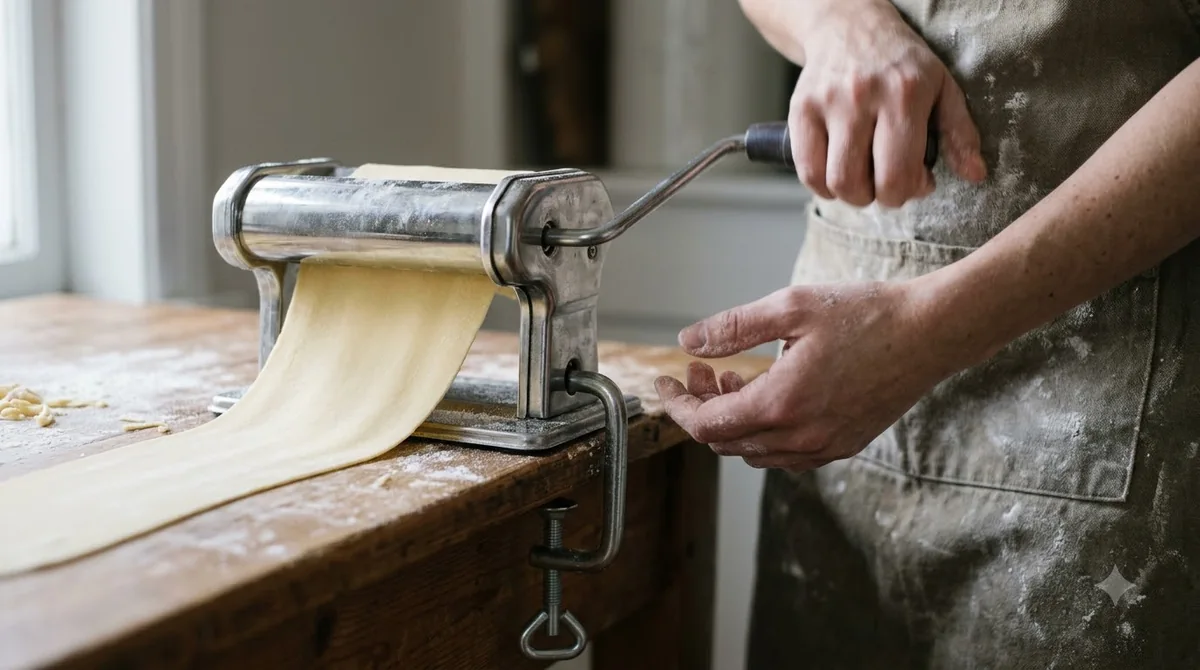
A manual pasta maker is a roller machine that you turn with a crank. You make the dough yourself, then pass it through the rollers to thin it.
The J.B. Prince guide to how a pasta machine works describes the process. The dough runs between rollers, a knob sets the thickness, and a cutter separates the sheets into strands. The page advises dusting the dough with flour each time it goes through, folding it into thirds, and repeating the rolling about five more times, with setting one usually the widest.
How an Electric Pasta Maker Works
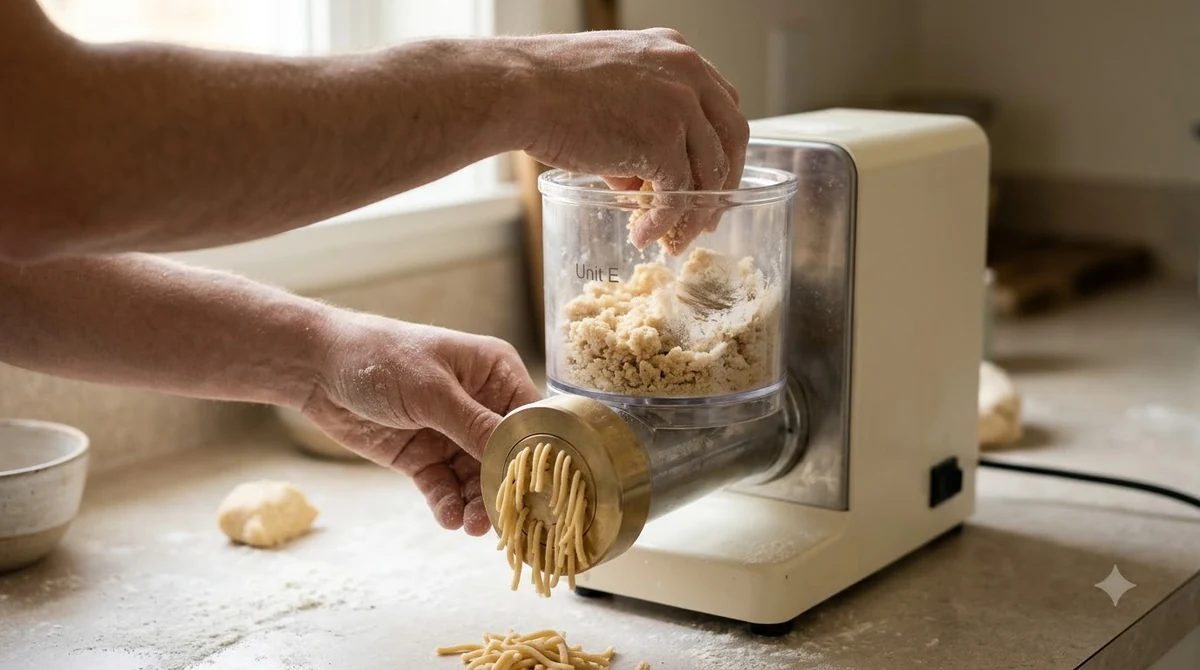
An electric pasta maker takes over at least part of the work. Some models only roll and cut the sheets, while others also mix and extrude the dough.
According to the same J.B. Prince guide, an electric roller machine rolls the dough to the set thickness automatically, so the cook only cuts the sheets to length. An extruder goes further: the ingredients are loaded, the machine combines them, and it pushes the dough through a die, with different dies producing different shapes.
Electric vs Manual Pasta Maker: Side-by-Side Comparison
The table below sets out the main differences. Use it as a quick check before you read the details in the sections that follow.
| Factor | Manual | Electric |
|---|---|---|
| Price | Usually lower | Usually higher |
| Effort | Hand-cranked, more time | Less physical strain |
| Speed | Slower, suits small batches | Faster, better for larger batches |
| Control | High, you feel the dough | Set by the machine and recipe |
| Shapes | Mostly flat sheets and ribbons | Flat sheets, plus shapes with extruder discs |
| Cleaning | Simpler, fewer parts | More parts, can be harder to clean |
When you weigh an electric vs manual pasta maker, start with the way you cook. If you make fresh pasta once in a while for a weekend meal, a manual roller may give you everything you need at a lower cost. If you cook pasta several times a week, or you want to make penne and fusilli without shaping each piece, an electric model is the more practical choice.
Consider the people you cook for as well. A manual machine works well for two or three people, but larger groups may find the crank slow. An electric machine can produce more in a single session, which helps when you are feeding a family.
Keep in mind that a manual roller and an electric roller can make similar flat pasta. The bigger gap appears when you add an extruder or need to make a lot at once.
Which Feels Better in Practice: Electric or Manual?
Your comfort with dough also matters. A manual roller rewards a cook who wants to adjust the dough by feel, because each pass shows how the sheet is forming. An electric machine rewards a cook who follows a tested recipe and wants the same result every time.
Manual machines suit cooks who enjoy the process and want to feel the dough at each stage. Electric machines suit cooks who want steady results with less work.
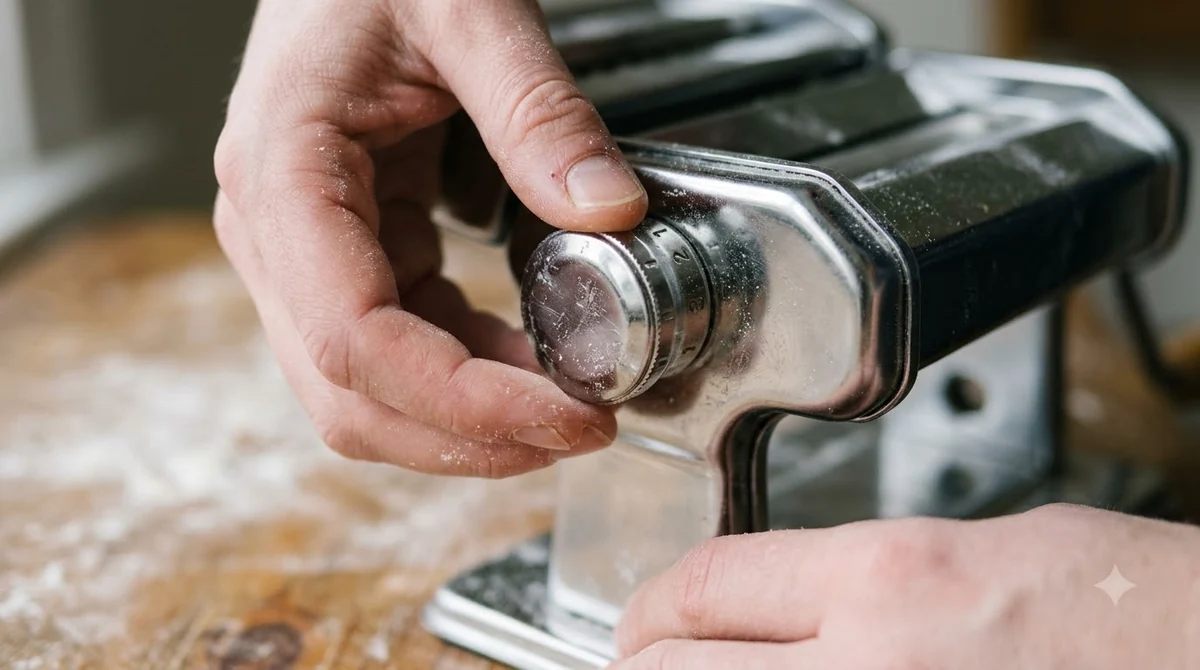
The Food Network pasta maker tests give a useful picture. Their best overall pick was a manual roller machine, which the reviewers praised for its ergonomic clamp and crank and seamless performance. They also said the thinnest settings tore and stuck slightly, which is the kind of detail a manual buyer should expect. On the electric side, the reviewers chose a Philips model and said it was so easy to use with flawless performance.
Their tests also found that manual machines needed careful dough handling. Unflattened dough was run on a middle setting to check for clogs, which shows that a manual machine also has limits when the dough is not prepared well.
Cleaning and Maintenance Differences
Cleaning is where the two types differ most in daily use. Manual rollers have fewer parts to wash, while electric models often have more components.
The Cook’s Illustrated electric pasta machine review found that every electric machine it tested was difficult to clean, and each needed disassembly and washing of separate parts. Plan time for that after each batch if you choose an electric model.
Frequently Asked Questions
Is a manual pasta maker better than an electric one?
Neither is better in every case. A manual machine is cheaper and gives more control, while an electric one saves effort and works well for large batches.
Do electric pasta makers make better pasta?
Not necessarily. Results depend on the dough, the rest and the shape. A careful cook can get excellent results from a manual roller, and an electric machine still needs a well-made dough.
Which is easier to clean, electric or manual?
Manual rollers usually have fewer parts. The electric models tested by Cook’s Illustrated were all difficult to clean, so expect more work after each batch with an electric machine.
Can a manual pasta maker make shapes like penne?
Manual roller machines mainly make flat sheets and ribbons. Extruded shapes such as penne or fusilli need an extruder, which is usually electric.
Storage and counter space also matter. Manual rollers clamp to a table and can be put away after use, while an electric machine usually stays on the counter or in a cupboard with its discs. Measure the space you have before you buy, and check that the machine fits the table or cupboard where you will use it.
Choose a manual pasta maker if you want low cost, control and occasional batches. Choose an electric one if you cook often, make larger batches or find hand-cranking tiring. Decide on the shapes you make most, then pick the type that fits your routine.
 7 min readReviews & VersusIndoor vs Outdoor Pizza Oven: Which One Fits Your KitchenUpdated Nov 14, 2026
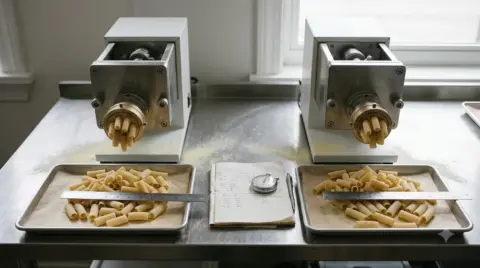 8 min readReviews & VersusVEVOR Electric Pasta Maker Review: Specs, Ratings and What to CheckUpdated Nov 15, 2026
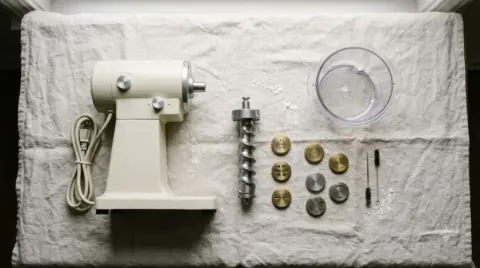 8 min readReviews & VersusHamilton Beach Pasta Maker Review: Who Should Buy OneUpdated Nov 11, 2026
 9 min readReviews & VersusCucinaPro Pasta Machine: Models, Manuals and Warranty ExplainedUpdated Nov 15, 2026
 9 min readReviews & VersusOoni vs Ninja Pizza Oven: Which Electric Model Fits Where You CookUpdated Nov 14, 2026
 6 min readReviews & VersusCuisinart vs Breville: Which Brand Fits Your KitchenUpdated Nov 13, 2026