
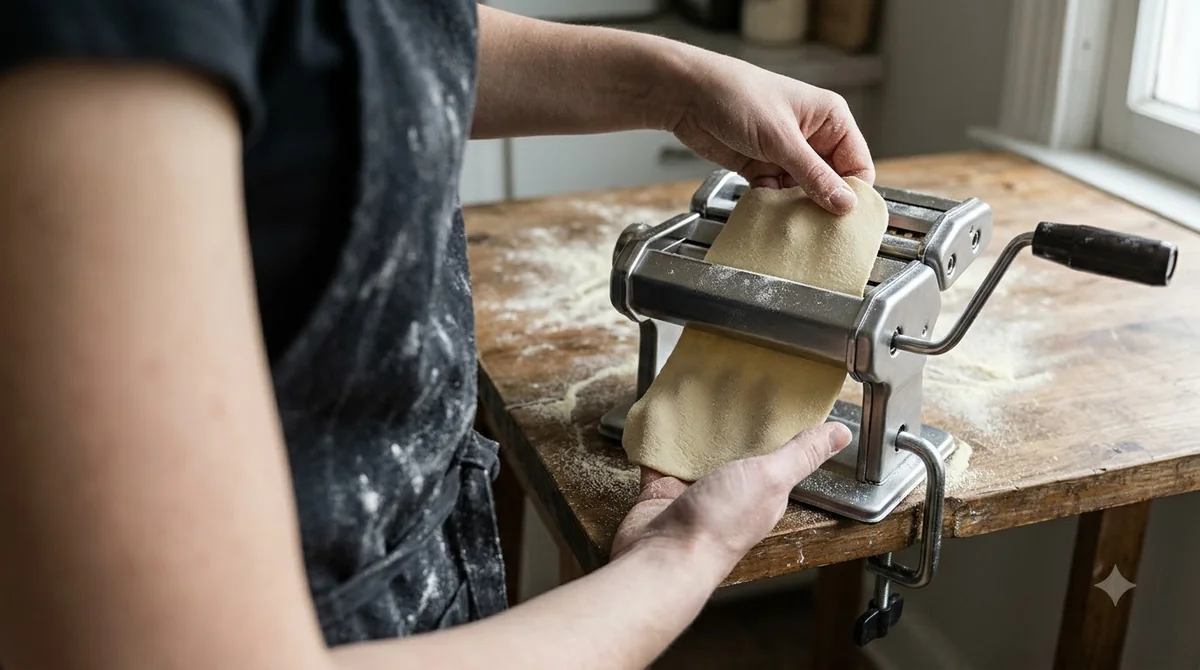

Pappardelle pasta is a wide, flat egg ribbon from Tuscany, Italy, usually 2 to 3 cm across. The name comes from the Italian verb pappare, which means “to gobble up.” It is built for hearty sauces, and it cooks in minutes once the water boils.
What Is Pappardelle Pasta?
Pappardelle pasta is a long, flat ribbon that originated in Tuscany and is usually 2 to 3 cm wide. Its singular form is pappardella.
According to DeLallo’s pappardelle guide, the noodle is “a long, flat, and very wide noodle” with a slightly rough surface that helps sauce cling. The same guide says the pasta dates to the 14th century and is now eaten throughout Italy.
Most pappardelle pasta is made from durum wheat flour, often 00 or semolina, enriched with eggs. Fresh and dried versions are both sold, and each cooks in a different time, which matters when you plan a weeknight dinner.
The name is also a clue to how the pasta is served. A broad ribbon is meant for a rich, filling plate, so the pasta and the sauce are usually chosen together.
How Wide Is Pappardelle Compared with Tagliatelle?
Pappardelle pasta measures 2 to 3 cm across, and that width is what sets it apart from narrower ribbons like tagliatelle. The wider ribbon gives heavy sauce more surface to cling to.
DeLallo notes that tagliatelle or fettuccine pasta can stand in for pappardelle with cream and meaty sauces. For a closer look at the narrower ribbons, read fettuccine vs tagliatelle. The table below shows the main differences. A ruffled ribbon of a similar width, mafaldine pasta, also suits cream and meaty sauces.
| Pasta | Width | Best use |
|---|---|---|
| Pappardelle | 2 to 3 cm (3/4 to 1 inch) | Rustic ragù, wild boar sauce, creamy mushroom sauce |
| Tagliatelle | Narrower than pappardelle | Cream and meaty sauces, as a swap |
Width also changes how much sauce a ribbon carries. A wider ribbon gives a ragù more surface to coat, so the sauce stays on the pasta instead of pooling in the bowl.
How to Make Homemade Pappardelle Pasta Dough
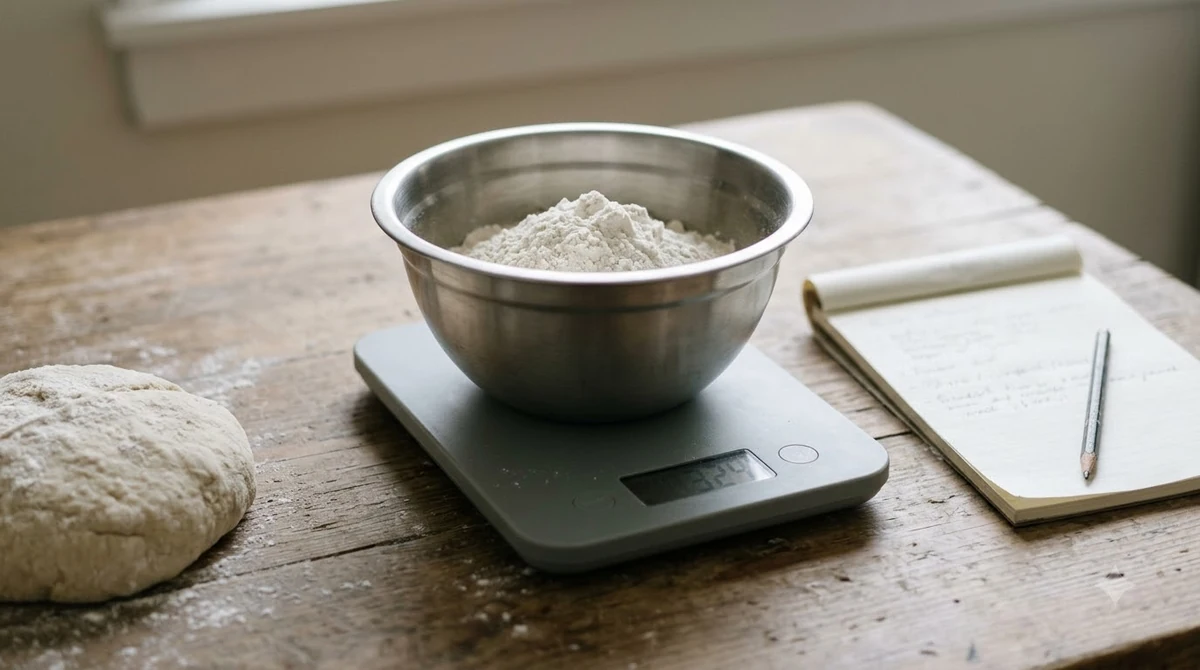
A basic homemade pappardelle pasta dough uses 300 g of Tipo 00 flour and about 185 g of cracked eggs, which is 3 large eggs plus 1 extra yolk. One widely used recipe gives these amounts and a 30 minute rest before rolling.
Follow these steps for a smooth dough and even ribbons. Each step is easy to check by feel, so you can adjust as you go:
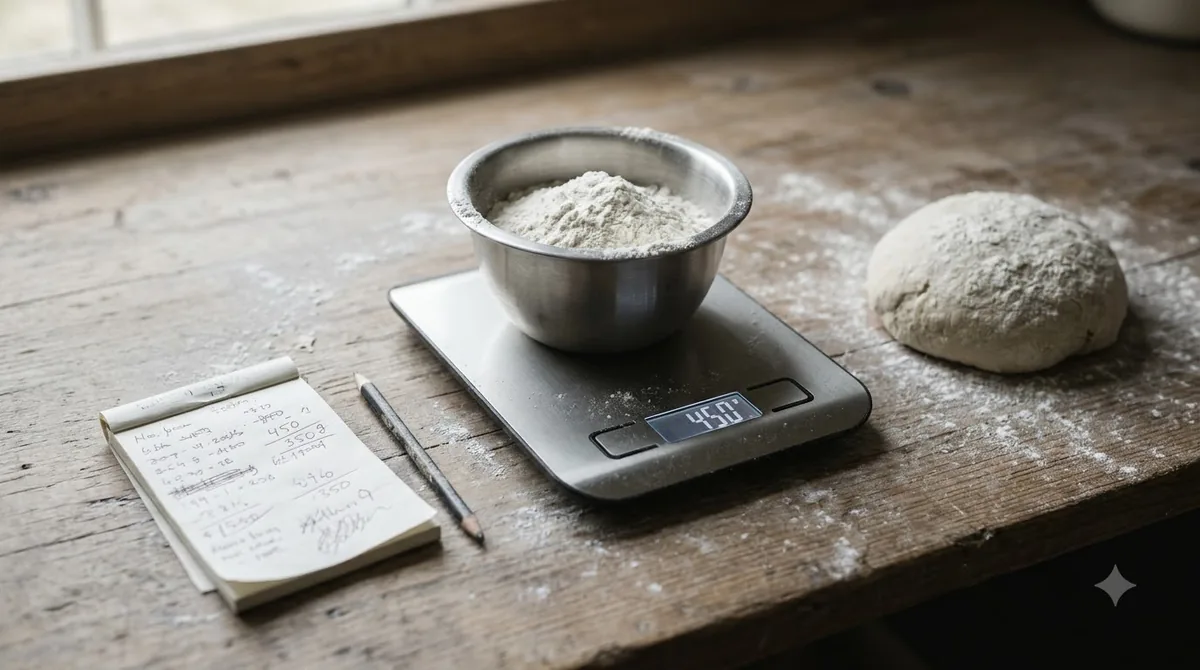
- Weigh 300 g of Tipo 00 flour and about 185 g of cracked eggs, including the extra yolk.
- Mix the eggs into the flour gradually by hand, then rest the mixture for 10 to 15 minutes before kneading.
- Knead until the dough is smooth, then cover it and rest it for 30 minutes at room temperature.
- Add a little olive oil only if the dough feels dry. The recipe gives no amount for the oil or the salt, so season lightly with salt and adjust by feel.
- Roll the pappardelle pasta dough through a pasta machine, starting on the widest setting. Pass it through settings 2 to 4, twice on each, until the sheet is about 1/16 inch (1 to 2 mm) thick.
- Drape the sheets over a chair back for 10 to 15 minutes, then cut strips 1 to 1 1/2 inches (2.5 to 3.8 cm) wide.
If the dough cracks or feels stiff while you knead, add olive oil a few drops at a time until it turns soft and supple. Adding oil is a fix for dry dough, not a step for every batch.
Do not let the sheets dry out completely before cutting. The recipe only rests them briefly, so cut them while they are still pliable.
How to Store Fresh Dough and Nests
Fresh pappardelle pasta keeps for about 24 hours in the refrigerator, and KitchenAid recommends eating it within 18 hours. For longer storage, freeze it. Frozen fresh pasta keeps for up to eight months, and pasta dough keeps for up to four weeks.
Before freezing, dust the cut ribbons on both sides with flour so they do not stick. Form the nests, let them dry just under an hour until they hold their shape, then place them in an airtight freezer bag with as much air removed as possible.
Cook frozen nests straight from the freezer in salted boiling water. Do not thaw uncooked pasta first, because thawing can affect the texture.
How Long Does Pappardelle Take to Cook?
Dried pappardelle pasta takes about 9 minutes according to package directions, while fresh pappardelle reaches al dente in 3 to 7 minutes. Homemade ribbons usually take 5 to 7 minutes.
| Type | Cook time | Note |
|---|---|---|
| Dried pappardelle | About 9 minutes | Per package directions |
| Fresh pappardelle | 3 to 7 minutes | Taste to check for al dente |
| Homemade pappardelle | 5 to 7 minutes | Taste first, then drain |
Bring a large pot of water to a boil and salt it generously. Add fresh nests one at a time and stir gently so the ribbons do not clump together.
Timing matters more with fresh pappardelle pasta, because it can go from tender to soft in a short window. Start tasting at the low end of the range, and drain as soon as the ribbons are just cooked through.
Which Sauces Go Best with Pappardelle?
Pappardelle pasta works best with heavy, meaty sauces, such as wild boar ragù, and with creamy sauces that use foraged mushrooms. The wide ribbon holds thick sauce better than a thin strand such as spaghetti pasta. Gnocchi also pair well with a heavy ragù, as our guide to what gnocchi is explains.
- Wild boar ragù, the classic rich and meaty choice
- Rustic meat ragù
- Creamy sauces with foraged mushrooms
- Creamy sauces with rabbit
- Sauces finished with freshly grated cheese
Pappardelle al cinghiale, the wild boar version, is tied to Tuscany. Tasting Table links the dish to cucina povera, the tradition of making good meals from local ingredients, and to the boar hunting season in winter.
The ragù is a slow dish. Tasting Table puts the full process, from marinating to serving, at about 16 hours, so plan it for a weekend. DeLallo advises saving pappardelle pasta for the heartiest sauces, and it recommends draining the pasta and tossing it with the hot sauce in the pan so the flavors combine.
Frequently Asked Questions
Most questions about pappardelle pasta come down to eggs, serving size, cook time, storage and swaps.
What is pappardelle pasta made of?
Pappardelle pasta is made from wheat flour, usually 00 or semolina, mixed with eggs in most recipes. DeLallo describes the dough as durum wheat enriched with eggs, and homemade versions use Tipo 00 flour with beaten eggs and a little olive oil if needed.
Does pappardelle always contain eggs?
Pappardelle pasta is often an egg pasta. DeLallo describes its pappardelle as durum wheat pasta enriched with eggs. US federal rules for noodle products set a minimum of 5.5 percent egg solids by weight, but the Wikipedia entry does not say every pappardelle contains eggs, so check the label.
How much pappardelle pasta should I cook per person?
DeLallo recommends 2 pappardelle nests per person as a serving guide. The nests are the portion unit in its guide, so check the package for the weight of each nest.
Can I use dried pappardelle pasta instead of fresh?
Yes, but change the cook time. Dried pappardelle takes about 9 minutes per package directions, while fresh takes 3 to 7 minutes, so start tasting the pasta early.
How long does homemade pappardelle keep?
Fresh homemade pappardelle keeps for about 24 hours in the refrigerator and up to eight months in the freezer. Cook frozen nests straight from the freezer without thawing.
Why do pappardelle ribbons stick together?
Ribbons can clump in the pot when they are added all at once. Add fresh nests one at a time and stir gently, as DeLallo advises, so the ribbons separate as they cook.
Can I swap pappardelle for tagliatelle?
Yes, for cream and meaty sauces. DeLallo says tagliatelle or fettuccine can replace pappardelle in these dishes. Because the ribbon is narrower, it will carry less sauce per bite.
Choose pappardelle pasta when your sauce is thick, meaty or creamy, because the wide ribbon holds it well. For a thin sauce, a narrower pasta is the better match. Check the width on the package before you buy.