

The gas vs wood fired pizza oven choice comes down to convenience versus flavor. A gas oven is set with a dial and is generally described as quicker to heat, while a wood-fired oven rewards skill and adds a smoky character to the crust. Both can produce excellent pizza at home, so the right pick depends on how you cook.
At a glance: gas vs wood fired pizza oven
A gas oven suits people who want quick, repeatable results, while a wood-fired oven suits people who value flavor and tradition above convenience. The table below sums up the main trade-offs in this gas vs wood fired pizza oven comparison.
| Feature | Gas pizza oven | Wood-fired pizza oven |
|---|---|---|
| Fuel | Gas, switched on and turned down with a dial | Wood, managed by feeding and adjusting the fire |
| Heat-up | Generally described as quicker | Generally described as slower |
| Flavor | Less smoky, according to some guides | Smoky and traditional |
| Cleaning | No ash to remove, according to some guides | Ash and soot need regular removal |
| Smoke | No wood smoke from the fuel | Produces smoke with fine particles (PM2.5) |

Ooni Koda 2 Propane Gas Pizza Oven
Pros & ConsViewHide
Reasons to buy
- About 35 lb, light enough to move between spots
- Thicker stone for back-to-back pizzas, per Ooni
- Regulator and hose included for propane
Reasons to avoid
- Propane only and not compatible with natural gas
- 14-inch pizzas at most, smaller than the Koda 2 Pro
- Gas bottle is not included
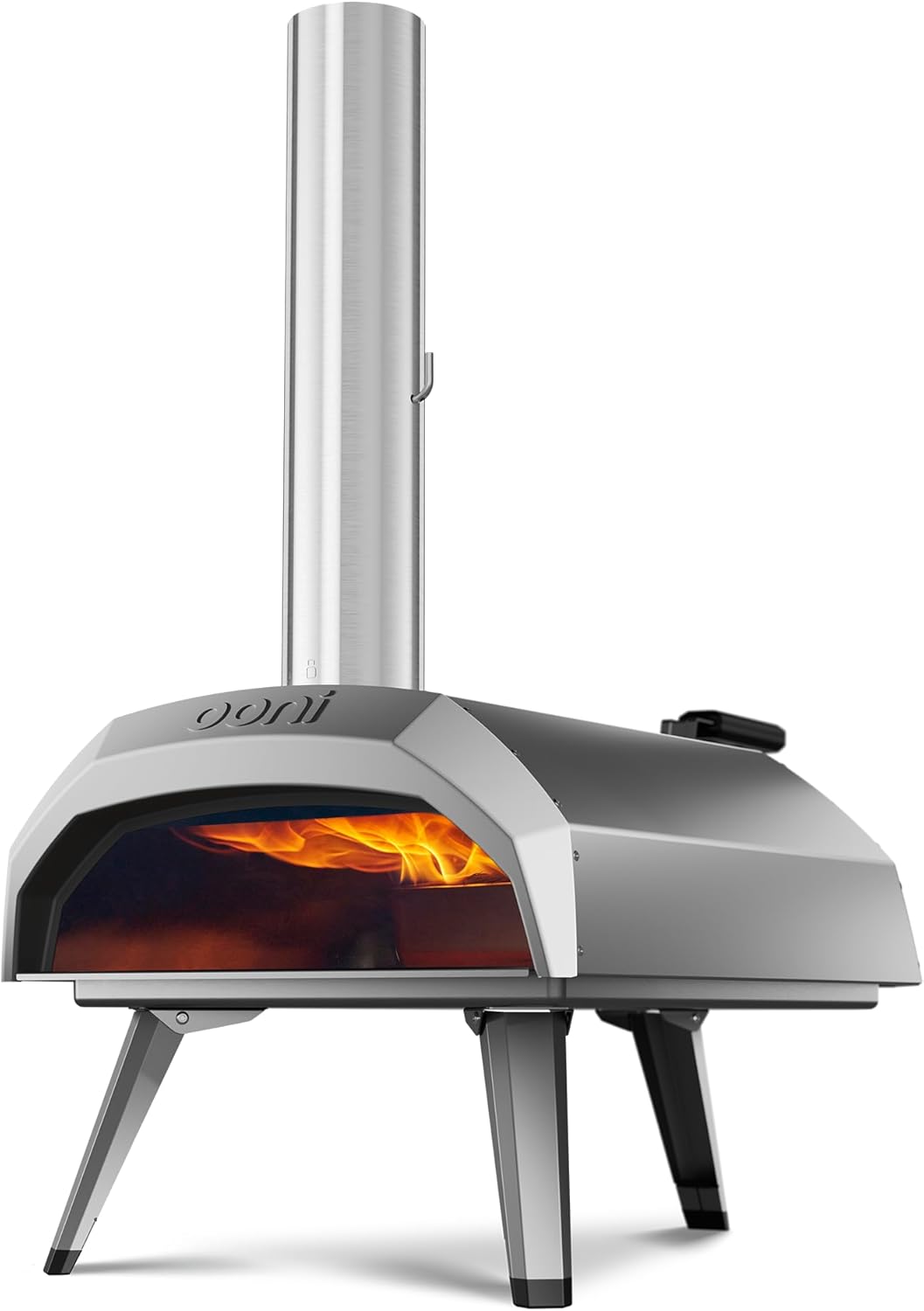
Ooni Karu 12 – Multi-Fuel Outdoor Pizza Oven
Pros & ConsViewHide
Reasons to buy
- Light at about 26 lb, so easy to carry
- Wood or charcoal ready out of the box, gas burner optional
- Reaches 950°F in about 15 minutes, per Ooni
- Strong Amazon rating across roughly 1,500 reviews
Reasons to avoid
- Gas burner is sold separately
- 12-inch pizza limit
- Wood and charcoal take more tending than gas
Use the table as a starting point for any gas vs wood fired pizza oven comparison. The sections below explain the reasons behind each row, and where a number could not be confirmed on a manufacturer page, the article says so instead of guessing.
How each oven makes heat
When you compare a gas vs wood fired pizza oven, both types use a dome-shaped cooking chamber to hold heat around the pizza, and the fuel source is the main difference. A gas oven creates heat from a gas burner that you light and adjust, while a wood-fired oven burns logs or pellets directly in the cooking space.
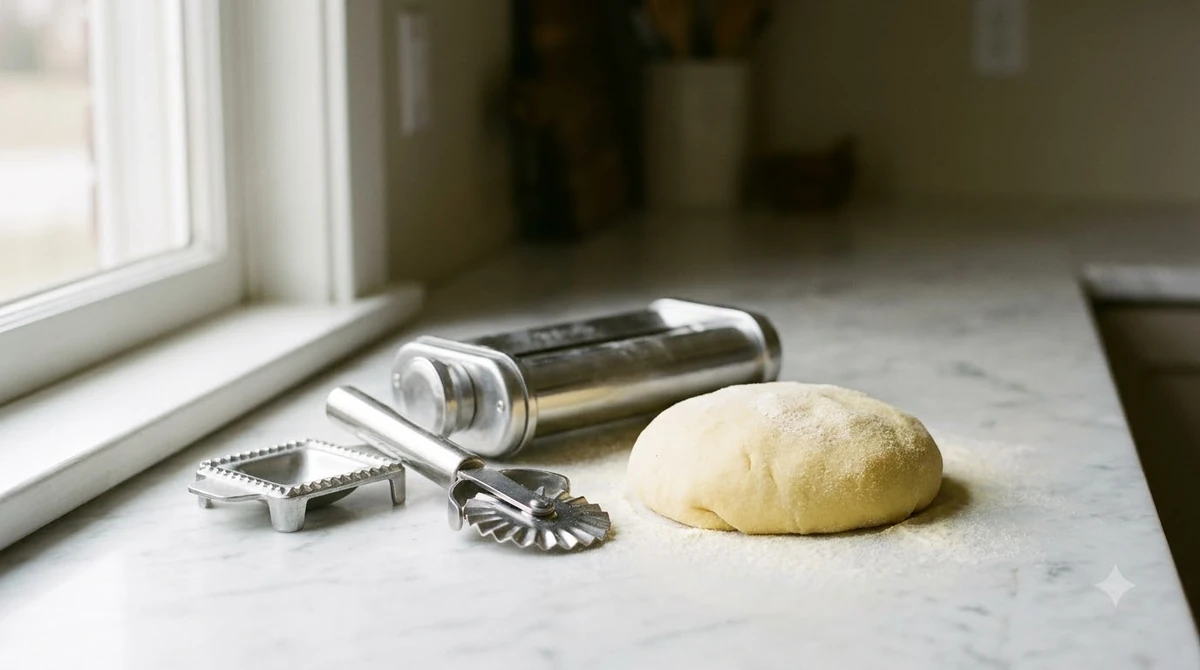
The traditional wood-fired design uses a circular cooking floor, with a dome built above it to minimize heat dispersion, according to the Wikipedia overview of pizza ovens. That dome shape is why a gas vs wood fired pizza oven keeps heat around the food rather than letting it escape upward.
Whatever the fuel, high heat drives the Maillard reaction, the browning that gives the crust its color and much of its flavor. Moisture from the dough evaporates, and steam trapped in the oven helps the crust rise and crisp. Both gas and wood can deliver this heat, so the difference you taste comes mainly from how the heat is produced and how steady it stays. If you already own a wood oven, our guide to lighting a wood-fired pizza oven covers the fire.
Flavor and the wood-fired tradition
Wood-fired ovens are the traditional choice, and for certified Neapolitan pizza the EU rule requires wood. The rule applies only to that protected style, but it shows how strongly wood is tied to the craft.
Under EU Regulation No 97/2010, dated 4 February 2010, Neapolitan pizza with the traditional specialty guaranteed (TSG) label must be baked exclusively in wood-fired ovens at a baking temperature of 485 °C. The regulation also says the oven must be fired exclusively by wood, and it describes a base of tuff bricks with a circular cooking floor and a refractory dome.
In a gas vs wood fired pizza oven choice, several guides describe wood as giving a smoky character that gas cannot fully copy, while others argue the difference is smaller than people expect at typical cooking times. Gas is described as having a less smoky taste, so the flavor gap is real but depends on the cook and the recipe.
In a gas vs wood fired pizza oven decision, flavor is the factor most people weigh first. A wood-fired oven also brings the smell of burning wood and the ritual of managing a fire, which many cooks enjoy. If you want a home oven that feels like a traditional pizzeria, wood is the closer match. Pellet ovens sit between the two, as our pellet vs wood pizza oven comparison explains.

Heat-up time and temperature control
For a gas vs wood fired pizza oven, gas is generally described as quicker to heat and easier to hold at a set temperature, while wood rewards a skilled fire. Several guides say a gas unit can be turned up or down to keep a steady heat, whereas a wood fire changes more during a session as fuel burns down and airflow changes.
Some guides also say wood ovens can reach higher peak temperatures. A skilled cook can use that heat for very fast pizza, but the trade-off is that you must learn to read the fire before you can cook consistently.
Before you compare models, check these points in the maker’s documentation: Our guide on how to get a pizza oven hotter lists practical fixes for any fuel.
- The maximum temperature stated by the manufacturer
- The heat-up time in the manual, not in a retailer blog
- Whether the model runs on gas only, wood only, or both
- The clearance and ventilation rules for installation
- The usable cooking surface, so it fits the pizza size you make
Cleaning, smoke and safety
When you compare a gas vs wood fired pizza oven on upkeep, wood-fired ovens produce ash and soot and release smoke, so they usually need more cleaning and ventilation than a gas oven. Gas is described as easier to keep clean because it leaves no ash to remove. Upkeep is a real cost in a gas vs wood fired pizza oven choice.
- Ash: wood leaves ash and soot that you need to remove between sessions.
- Fine particles: the US EPA on wood smoke says the biggest health threat from smoke is fine particles, known as PM2.5, which can reach the eyes and lungs.
- Higher-risk groups: the EPA lists children, teenagers, older adults, and people with lung or heart disease as more affected.
- Placement: cook outdoors or in a well-ventilated space, and keep children and pets at a safe distance.
Whichever fuel you choose for your gas vs wood fired pizza oven, follow the manufacturer’s clearance and installation rules. Gas appliances in particular should be installed as the manual describes, and some guides note that gas models may need a professional installation.
Which one suits your cooking
Choose gas if you cook often and want quick, controlled results. Choose wood if flavor and ritual matter more than convenience. The gas vs wood fired pizza oven decision often turns on how much time and fuel handling you are willing to accept.

A gas oven is usually the better fit if:
- You want to cook on weeknights without managing a fire
- You cook in a small space where ash and smoke are a concern
- You want to hold a steady temperature for several pizzas
A wood-fired oven is usually the better fit if:
- Smoky flavor and a traditional process matter most to you
- You enjoy learning to manage a fire and do not mind cleaning ash
- You have a well-ventilated outdoor space for cooking
Dual-fuel models let you switch between gas and wood, which some sellers present as a way to avoid choosing. Confirm in the spec sheet that a model truly supports both fuels, and check whether the wood and gas settings are separate. Electric ovens are the third route, covered in our gas vs electric pizza oven comparison, and our best propane pizza ovens guide lists gas options.
What we could not verify and how to check it
Specific heat-up times, maximum temperatures and fuel use for individual gas and wood models were not confirmed on a manufacturer page, so this article does not quote them. Use the checks below before you rely on any figure.
- Heat-up time: take it from the manual of the exact model.
- Maximum temperature: use the maker’s stated figure, not a forum estimate.
- Running cost per session: compare current fuel prices where you live, since this article does not quote prices.
- Dual-fuel claims: confirm both fuel types in the official specification.
Frequently Asked Questions
Is a wood-fired pizza oven better than gas?
Neither is better for everyone. When you weigh a gas vs wood fired pizza oven, a wood-fired oven gives smoky flavor and tradition, while a gas oven offers quicker control and less ash to clean. Your cooking habits and how much effort you want to spend should decide it.
Which heats up faster, gas or wood?
For a gas vs wood fired pizza oven, gas is generally described as the quicker option. Heat-up times vary by model and by how much fuel you load, so check the heat-up figure in the manual of the specific oven before you buy.
Does gas make pizza taste less smoky?
Yes, for a gas vs wood fired pizza oven, several guides describe gas as less smoky than wood. Some cooks argue that the difference is small at typical cooking times, so a blind taste test with your own dough is the best judge.
Is wood smoke harmful?
Wood smoke contains fine particles, known as PM2.5, which can irritate the eyes and lungs and worsen asthma. Use a wood-fired oven outdoors or in a well-ventilated area, and keep children and people with lung or heart conditions away from the smoke.
Can I make Neapolitan pizza in a gas oven?
Not if you want to meet the EU standard for certified Neapolitan pizza. The regulation requires wood-fired ovens, so a gas oven does not meet that specific rule, although it can still make very good pizza in a different style.
Choosing a gas vs wood fired pizza oven is a question of habits. If you want the most dependable routine, a gas oven is the easier daily tool. If you want the flavor and the ritual, a wood-fired oven repays the time it takes to learn the fire. Whichever you choose, read the manufacturer’s manual for its real heat-up and temperature figures before you buy.
 8 min readReviews & VersusGas vs Electric Pizza Oven: Which Should You Choose?Updated Nov 14, 2026
 9 min readReviews & VersusPellet vs Wood Pizza Oven: Which Should You Buy?Updated Nov 8, 2026
 8 min readReviews & VersusGozney Arc vs Ooni Koda 2 Pro: Which Gas Pizza Oven to ChooseUpdated Nov 14, 2026
 7 min readReviews & VersusOoni Koda vs Gozney Arc: Which Gas Pizza Oven to ChooseUpdated Nov 14, 2026
 9 min readReviews & VersusGozney Arc vs Ooni Koda 16: Which Gas Pizza Oven Should You Buy?Updated Nov 14, 2026
 9 min readReviews & VersusBest Ooni Karu 16 Alternatives for Wood, Gas and Charcoal CookingUpdated Nov 14, 2026